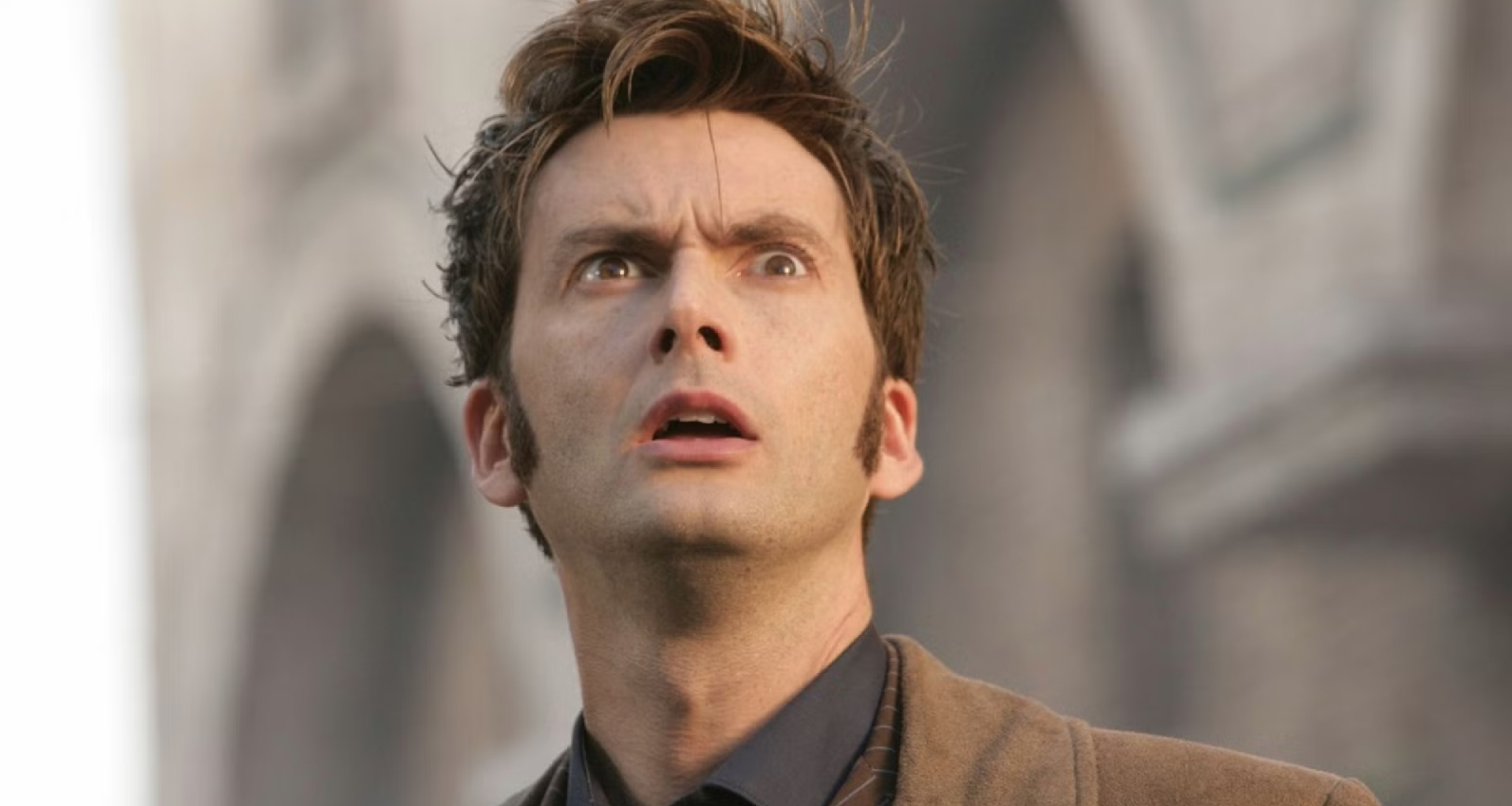
Nineteen years ago, David Tennant made his Doctor Who debut in an episode that finally admitted the Doctor’s biggest problem. “The Christmas Invasion” was the first ever Doctor Who Christmas Special, and it also served as the first story starring Tenth Doctor David Tennant. It was a unique episode, because the new Doctor was suffering with post-regeneration trauma, meaning he spent quite a lot of the story napping – and ended up saving the world in a dressing gown, a nice Hitchhiker’s Guide to the Galaxy riff.
But “The Christmas Invasion” is also notable because it serves as setup for the first Doctor Who spinoff, Torchwood. At the end of the story, Prime Minister Harriet Jones – a woman whose rise to power the Doctor had celebrated – ordered Earth’s defenses into action, shooting the fleeing Sycorax ship out of the sky. The Doctor was appalled, because the Sycorax were a defeated foe, but Harriet Jones made a crucial point when she argued what she’d done was necessary. 19 years later, it’s clear she had a point.
Harriet Jones Understood the Problem with Depending on the Doctor
Play video
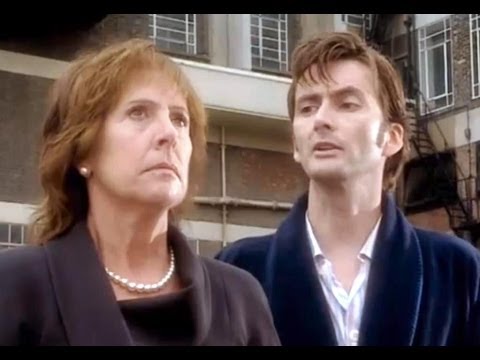
The Doctor was happy for the Sycorax to leave, defeated, because they would tell other races that Earth was defended. Instead, Torchwood opened fire on the fleeing alien ship using a weapon deliberately designed to look like the Death Star from Star Wars, obliterating them. Harriet Jones believed the Doctor wasn’t enough; “I’m sorry, Doctor, but you’re not here all the time,” she pointed out. “You come and go. It happened today. Mister Llewellyn and the Major, they were murdered. They died right in front of me while you were sleeping. In which case we have to defend ourselves.”
Harriet Jones’ point was quite simple; that an entire planet cannot simply depend on a single wandering person for its security and freedom. According to the Doctor, humanity’s faltering steps into space were already being noticed, and she was confident an association with the Doctor would simply make the planet more interesting to would-be conquerors. Given how many enemies the Doctor has, she was right; and she was also surely right that the Doctor is not always there to save the world.
Ironically, this truth is literally baked into Doctor Who‘s history. The show’s first real “alien invasion” plot, 1964’s “The Dalek Invasion of Earth,” saw the TARDIS crew arrive on an Earth that had already been conquered by the Daleks. The Doctor defeated them, but how many people died because some incarnation of the Time Lord hadn’t been on hand to drive them back in the first place? “The Christmas Invasion” clearly sympathized with the Doctor’s viewpoint, but Harriet Jones’ words were uncomfortably true.
The War Between the Land and the Sea Has Proved Harriet Jones Right
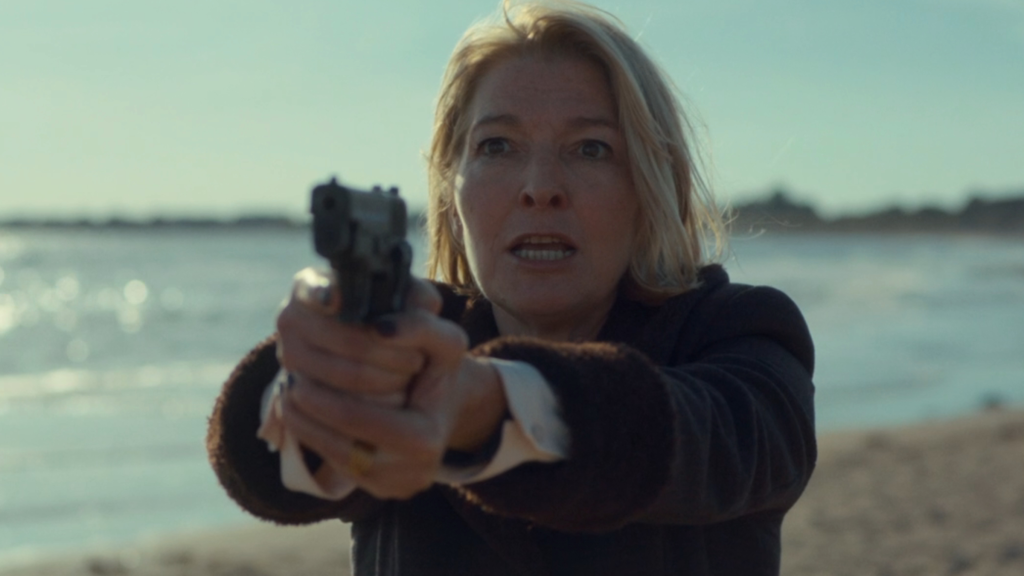
The latest Doctor Who spinoff, The War Between the Land and the Sea, has just proved Harriet Jones’ argument right. The end of The War Between the Land and the Sea turns “The Christmas Invasion” on its head, because this time, it’s an act of genocide that happens because of the Doctor’s absence. As UNIT boss Kate Lethbridge-Stewart acknowledges in conversation with members of her team, events would have played out so very differently had the Doctor just been there to help. But he wasn’t, and so a war developed between humanity and the race known as Homo Aqua, one that ended in genocide.
What makes The War Between the Land and the Sea most troubling, though, is that it also shows the influence the Doctor’s mere presence has had on those who have come to depend on him. Idealizing the Doctor, Kate Lethbridge-Stewart has recreated UNIT in what she perceives as his image; driven by science, separate from geopolitics, imposing its will upon the nations of the world. The Doctor insists he only saves humanity, he doesn’t shape it, but Kate is a human who has been profoundly shaped by him, and she’s breaking.
There’s a sense in which “The Christmas Invasion” and The War Between the Land and the Sea are companion pieces, each commenting upon the other. Both stories comment on the fact humanity cannot depend on the Doctor, and they end in genocide – one unwittingly enabled by his actions, the other occurring because of his absence. In one, we see a leader make a brutal call for fear the Doctor will not always be there to save them, while the other shows us a leader falling apart because she’s trying to fill the void left by his absence.
19 years on, one truth is clear: Harriet Jones had a point.
What do you think of this new game? Leave a comment below and join the conversation now in the ComicBook Forum!