This one rule on what to wear on marathon race day never gets old.
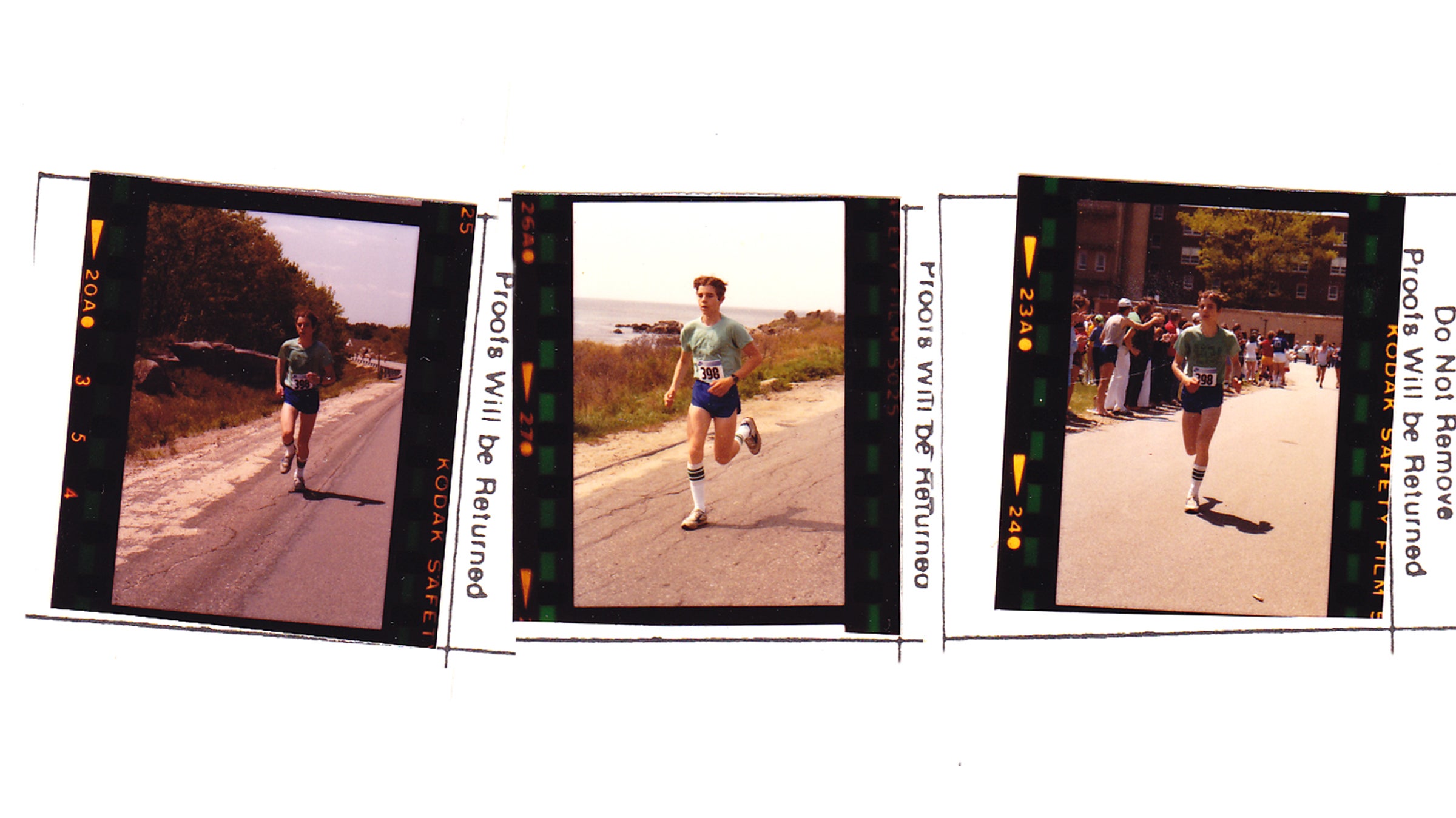
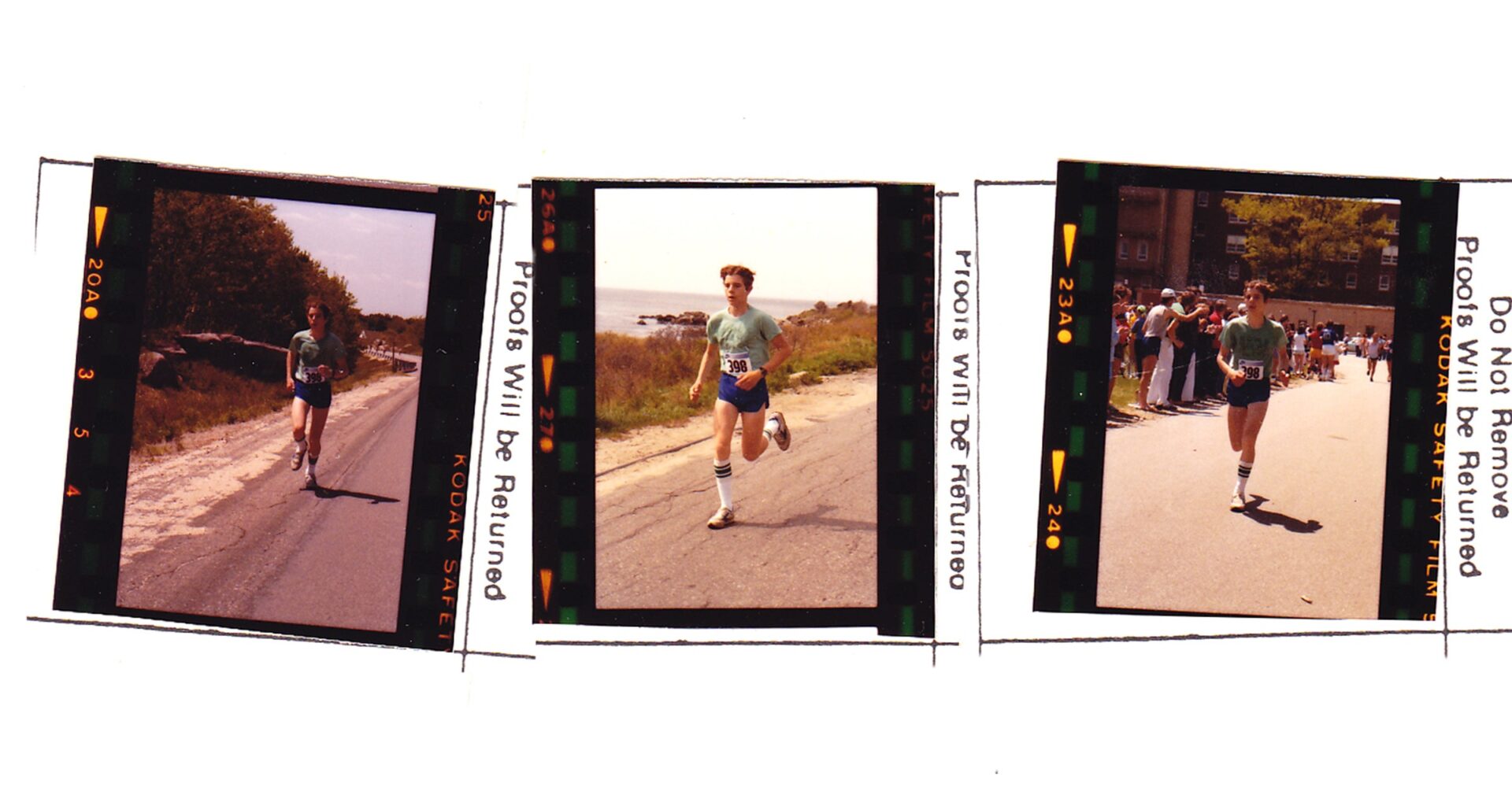
The best gear in 1980 is still the best gear today: well-tested friends. (Photo: Courtesy Jonathan Beverly)
Published December 26, 2025 03:00AM
I ran my first marathon in 1980, at the age of 16. I wore a cotton t-shirt, skimpy nylon shorts, knee-high cotton socks, and a pair of Brooks Hugger GT training shoes with sheet EVA midsoles, a Gore-Tex upper with suede overlays, and a thick rubber sole. While my kit was a far cry from the light, high-tech gear I wear today, it got me to the finish in comfort because each piece was an old friend, tested and proven over hundreds of training miles. Even if I could magically send 2025 gear back in time, I wouldn’t advise my younger self to trade any piece for a new model on race day.
The First Rule of Marathon Gear
During 25 more marathons in the next 40 years, with finish times ranging from 2:46 to 3:56, one gear rule has consistently proven true, namely: Nothing new on race day. When the going gets tough—and it always gets tough at some point during 26.2 miles—you want battle-tested comrades which will reliably support and care for you.
I know, it’s tempting to don the stylish hat you picked up at the expo, or the flashy shorts and singlet you bought last week that feel so soft and new. But unless you’ve worn them for double-digit-mile runs in a range of weather conditions, you don’t know if the shorts will start to chafe when caked with sweat—making your day miserable, if not threatening to derail your run—or if the hat will ride up and require constant, focus-breaking adjustment. I’ve been there and rued the choices.
Testing and Tweaking
What’s true of apparel is doubly important when it comes to shoes. Today, there’s more temptation than ever to toe the starting line in fresh footwear. Unlike the shoes of the 80s, which required several runs to break in stiff materials and mold to your feet, today’s shoes feel plush and comfortable on step-in. But, as a shoe tester who tries out a new pair several times a week, I’ve learned that a shoe’s fit and ride still change after a few miles, and it takes multiple runs at a variety of paces and distances to assess if they work for your gait and get the laces dialed in for your feet.
Before you run a marathon in any shoes, you also need to take them long enough to learn how they support you when you’re fatigued. Your marathon performance depends most on your ability to run effectively through to the finish, so how your shoes feel at mile 20 is more important than how they felt for the first half. I know from experience that no amount of lightweight, bouncy efficiency gains during early miles will make up for disintegrating into a late-race survival shuffle, nursing cramps and walking most of the time. Lots of factors can contribute to hitting the wall, but wearing shoes untested for the distance is an easy one to prevent.
Fear of Foam Failure
The advent of super foams has introduced a new reason to wear new shoes on race day: concern over durability. There’s some legitimacy in this fear, as one study revealed that a PEBA midsole loses its economy-boosting properties far faster than EVA. But that study measured the shoes after 280 miles, leaving it unclear how much the foam degrades in 50 or 100 miles.
In an informal test, the Outside Lab measured the Adidas Adios Pro 4 before and after the Berlin marathon and found negligible wear. And in a long-term durability test of the Adidas Adios Pro Evo 1, an ultralight model reportedly optimized for one marathon, our tester found that they still felt bouncy enough to race a marathon up to around 200 miles. I believe some minor loss in cushioning and rebound is worth it for the testing and training gains you get from doing some break-in miles and a long run in your race shoes. If you really want that pristine bounce, however, and don’t mind the cost, I’d suggest getting two pairs, one to train in and one for race day. Still, you’ll want to wear the race-day pair enough to ensure it’s assembled correctly, no seams are rubbing, and you’ve got the laces snugged optimally.
Strengthening a Specific Stride
Doing several runs and going long at least once in your race-day shoes not only gives you a chance to test them when you’re tired, but also provides important, specific training for your legs. Since each shoe alters the way you interact with the ground, your stride is subtly different in each; it’s important to do some training using the stride you’ll employ on race day to build specific strengths and efficiencies to carry you through 26.2.
When I was at my marathon peak, I was most likely to still be striding strong at the finish when I had covered 50–100 miles in my racing shoes in training, including one or two runs over 18 miles with the last three to four at marathon pace. More recently, I’ve returned to simpler roots and race in my favorite lightweight training shoes, ensuring that I put in at least 100 but no more than 200 miles on them—with several long runs—before marathon day.
Besides doing some training in the same shoes you’ll race in, you should also try to match the surface you’ll be racing on. Before the 2002 New York City Marathon, I did all of my training on gravel roads in my new home in western Nebraska, then learned quickly during the race that my shoes interacted with the city streets differently. I developed blisters so bad I dropped out on 1st Avenue and walked across Manhattan in socks; one of my two DNFs. While training for subsequent urban marathons, I made sure to do loops on paved roads in town for some of my long runs.
Mythical Magic
The “nothing new” rule is simple and makes sense, but is surprisingly hard to follow. I credit that to the runner’s persistent hope for race-day magic. We know what the gear we’ve been training in feels like, and what we can realistically do wearing it. But we wish for more, something to lift us to a new level and make the marathon miles faster and easier. What holds more promise than a lighter, bouncier, sexier new model? Don’t fall for it. Dance with the one that got you there. There is race-day magic, but it will come from you, not your gear.