This was the year of tariffs. You couldn’t go more than 15 minutes without hearing the dictionary.com Word of the Year, nor the themes of “global economic uncertainty”, “trade barriers” or “volatility”.
Things settled down, notably when the European Union agreed a trade deal with the White House. Everyone breathed a sigh of relief while continuing to be wary of further U-turns by Trump, who is likely to keep the heat on the multinational sector to invest more in the US, while also threatening to make moves against big pharma and tech companies if they don’t play ball with his agenda.
So the threat hasn’t gone away and the influence of AI is likely to accelerate in the year ahead.
It was another busy year for Irish businesses and entrepreneurs and their global counterparts. In this list we highlight some of the big winners and losers in 2025. There is no middle ground or nuance in this list.
Losers:
If you took a shot every time you heard tell of US import tariffs you might have single-handedly saved the Irish whiskey industry. Stretched by rising input costs and interest rates, tariffs were the final straw for a sector in which many businesses were reaching a crucial stage in their life cycle.
Some big names entered examinership, receivership or liquidation.
Among them was Killarney Brewing and Distilling (KBD). The drinks business, founded by Paul Sheehan, Tim O’Donoghue, and Liam Healy with a focus on the US market, slipped into liquidation in July.
It was a big blow to the whiskey and brewing sectors in Ireland as more than 50 jobs were lost at the company and it took some of the sheen off a sector that had been growing at a rate of knots for years. KBD was struck by the impact of US import tariffs, but the firm’s financial difficulties stretched back way before Liberation Day, having accumulated losses of €3.5 million between 2020 and 2024.
New investors could not be found in time to bail it out.
Powerscourt Distillery was another big name courting a buyer. The receiver appointed to the distillery, Mark Degnan of Interpath Advisory, is currently seeking the full asset sale of the business and €35 million of whiskey it held.
The sales process began at the end of July, but the big losers are the Slazenger family – more than just a big shareholder with the estate holding nearly 38.5 per cent of the business – the family are owed significant rent arrears.
It was a similar story in Waterford. Founded in 2015 with the goal of breathing a new soul into the old spirit, Waterford Distillery began to develop a cult following. The wave of shock when it shut its doors, reverberated around the southeast and the whiskey industry as the business, with 20 employees, entered receivership.
Mark Reynier, the founder of Waterford Distillery, is a wine industry veteran who turned around the Scotch whiskey brand Bruichladdich before its sale to Remy Cointreau at a significant profit. His hopes of a buyback of the brand that became his baby-turned problem child dimmed as the year went on.
Some hope has emerged for the brand. It was reported that Tennessee Distilling is in exclusive talks to buy the distillery for a figure around €6 million. For a keystone business in the Déise that may be good news, but Reynier will rue missing the chance to be a part of its continuing story.
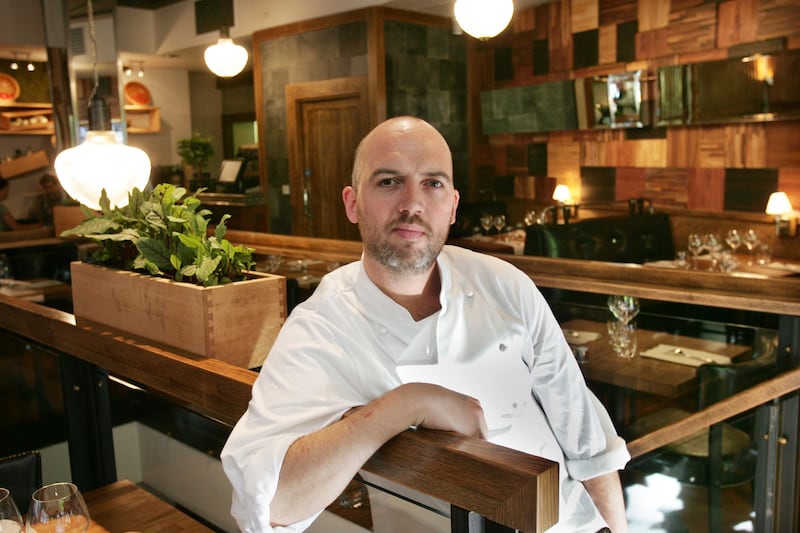 Celebrity chef Dylan McGrath. Photograph: Matt Kavanagh
In the restaurant sector, celebrity chef Dylan McGrath had a rotten year. His name never seemed long out of the news lines before a further sad story would emerge about the Michelin star chef.
McGrath had announced the closure of Dublin-based restaurants Rustic Stone and Brasserie Sixty6 in late 2024 with the Wright Group this year turning the former into a gastropub named after its owner.
“Hospitality is changing,” McGrath said at the time as the 15 and 25 year old restaurants closed down. But that wasn’t the only change coming. The jewel on Fade Street’s crown cracked abruptly. A €1.74 million tax bill from Revenue over warehoused debt left the business on the verge of liquidation before an examiner was appointed.
Ultimately, the beneficiaries of his challenging year would be Eclective Hospitality, the entertainment group owned by the UK’s Cheyne Capital, which took over the location in October. McGrath remains involved but not as an owner.
Paddy McKillen Jnr had another bad year. After his The Press Up Group he cofounded with Matt Ryan was taken over by London-based lender Cheyne Capital last year, he saw his corporate child renamed to Eclective.
That news was quickly followed by An Coimisiún Pleanála rejecting an appeal against the council decision to block his plans to build a €40 million resort on the Co Wicklow coast. McKillen Jnr subsequently sold the land at a discount to its original purchase price. Having purchased the land in 2011 for €700,000, a return of – €87,000 isn’t among his greatest investments.
Elsewhere, the fallout between Kenny Jacobs and the DAA grabbed the headlines for months. It emerged that there was a serious rift between Jacobs and the board of DAA. This related to his “elbows out” management style and strained relations with Fingal County Council, which regulates certain activities at Dublin Airport.
A mediation deal was agreed between the two sides, which would have involved Jacobs exiting the business with a settlement of just shy of €1 million, plus his legal costs.
However, Minister for Transport Darragh O’Brien demurred on signing off on the deal, suggesting that the two sides attempt a reconciliation. No reconciliation could be agreed and the impasse persists.
At least meme status has thus far evaded Jacobs. Not so fortunate for one notable chief executive
[ The Coldplay couple sit in the virtual dock, victims of online mob justiceOpens in new window ]
US tech company Astronomer saw its chief executive, Andy Byron, resign after he was shown on the big screen with his company’s chief people officer at a Coldplay concert in July in a clip that went viral.
Social media ran away with the story after the duo at the Massachusetts concert, ducked and hid from the camera prompting Coldplay lead singer Chris Martin to say they were either “very shy” or “having an affair”. No matter how bad your year was, at least you didn’t become a meme.
In the resource sector, the death knell sounded for PetroNeft in August.
More than two years after PetroNeft shares were suspended from trading on the junior stock markets in Dublin and London, the well ran dry via a members voluntary liquidation.
The crown slipped for pride of the Kingdom with Kerry Group’s shares down nearly 20 per cent this year. Having bet big on the alt-meat revolution, the maker of flavouring ingredients for many of the world’s largest consumer food companies, has shifted the focus to the growing protein craze when the anticipated growth did not show.
Guinness owner Diageo saw its embattled chief executive Debra Crew step down “by mutual agreement”. Taking over from Ivan Menezes – who had steered Diageo successfully for 10 years – was never going to be easy, but the company’s shares lost about 44 per cent under her tenure. As pressure mounted, at one point fevered speculation began over whether Diageo could try to sell Guinness for £8 billion (€9.14 million).
Former Tesco and Haleon man Sir Dave Lewis will take over as chief executive in January 2026, leaving Irish minds wondering what direction the alcohol giant and its family of brands will go in next year.
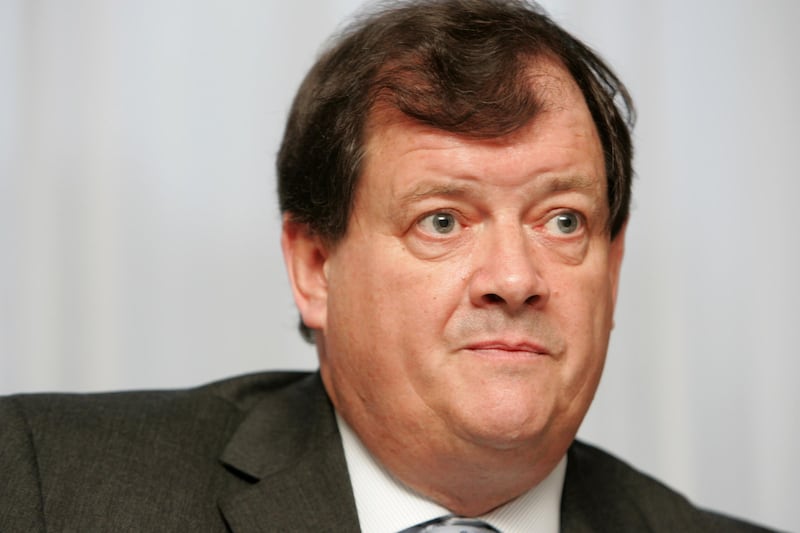 Paul Coulson. Photograph: Frank Miller
It might seem strange to describe Paul Coulson as a loser this year, after he bowed out as a director and big shareholder of packaging giant, Ardagh Group with a $108 million (€93 million) pay-off.
Legacy equity holders are receiving $300 million in total to go away.
Ardagh was Coulson’s creation, put together over many decades and a major success story at one time. The value of the Irishman’s interest in the wider Ardagh Group peaked at €2.4 billion in April 2021 – before the group delisted and floated its beverage cans unit. It will now be left to others to revive its fortunes.
Meanwhile, former politician, businessman and media pundit Ivan Yates was on the Path to Power until it emerged that he had been involved in coaching Fianna Fáil presidential hopeful Jim Gavin, without making any disclosures of this arrangement when discussing the election on the podcast he co-hosted with Matt Cooper.
The micro-controversy saw him axed from the popular podcast, but his resolute defence of his actions both in media interviews and in front of an Oireachtas committee would nearly qualify him as a winner.
Tullow Oil and its legion of legacy Irish investors have had a tough run. Tullow shut down its Dublin office in 2020 and exited the Irish stock market in 2022. Still, the group continues to have a number of Irish shareholders. Late this year, ratings agency Moody’s began saying a default – possibly through a deal to get bondholders to extend the maturity date of the bonds – “is now very likely”. The company’s bonds have seen a sharp slump as the company’s financial position has worsened, and its shares have plunged to boot.
A perennial name on this list is the Irish Stock Exchange. You’d nearly be forgiven if you have forgotten it existed. Trading as Euronext Dublin since 2018, the exchange has seen another one bite the dust.
The main shareholders of airline software provider Datalex drove through a shareholder resolution in early September in favour of the company delisting from the Dublin stock market. It wasn’t even close: 99.1 per cent of shareholders that voted, did so in favour of the resolution. With few, if any IPOs on the horizon for the Dublin-based exchange, it seems more a question of who will be the next to leave.
It is hard to tell who the loser is in our final entry.
The withdrawal of Corio Generation from Ireland’s first tranche of offshore wind farms is a blow to the Government’s renewable energy plans but the London-based renewable energy developer has lost big due to a financial penalty clause.
The entity, owned by Australian investment giant Macquarie said it had identified “significant structural and technical challenges” in the project and, just like a punter betting on the wrong horse, had developed buyer’s remorse.
By pulling out of the Sceirde Rocks offshore wind farm project, Corio had to pay a €35.4 million penalty under a performance security clause.
Winners:
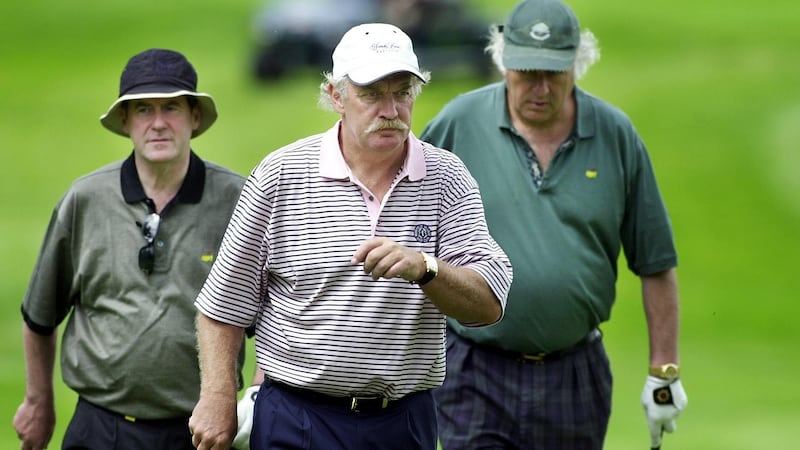 JP McManus, Dermot Desmond and John Magnier: trio were major shareholders in Barchester Healthcare, which was sold to US group Welltower. Photograph: Eric Luke
The billionaire Irish owners behind Barchester Healthcare were the big winners of 2025.
In October, US-listed healthcare property group Welltower announced the £5.2 billion (€6 billion) acquisition of the UK-based nursing home group Barchester Healthcare. Irish billionaires JP McManus, Dermot Desmond and John Magnier will walk away with the lion’s share of the proceeds.
The trio had agreed to sell the nursing home group for just £2.5 billion to Macquarie in 2019, before the Australian financial giant pulled out, blaming uncertainty caused by Brexit. A 60 per cent hike in just six years? Not bad for the billionaire trio.
Not all is rosy for Desmond, however. He removed Celtic manager Brendan Rodgers from the club where he is a 34.4 per cent shareholder, claiming the former Liverpool coach had “contributed to a toxic atmosphere around the club and fuelled hostility towards members of the executive team and the board”.
Another big winner was low-key Niall Browne, the chief executive of Dawn Meats. He saw the Waterford-based meat processor get the green light to acquire a majority stake in New Zealand’s biggest meat processor, Alliance Group.
The Irish company has paid $270 million NZD (€132 million) to acquire a 65 per cent shareholding in Alliance.
It is too early to tell if this deal will ultimately work out but given the limited opportunities to secure supplies to satisfy rising demand for red meat, and their considerable share in the Irish and UK markets, this deal offers growth potential.
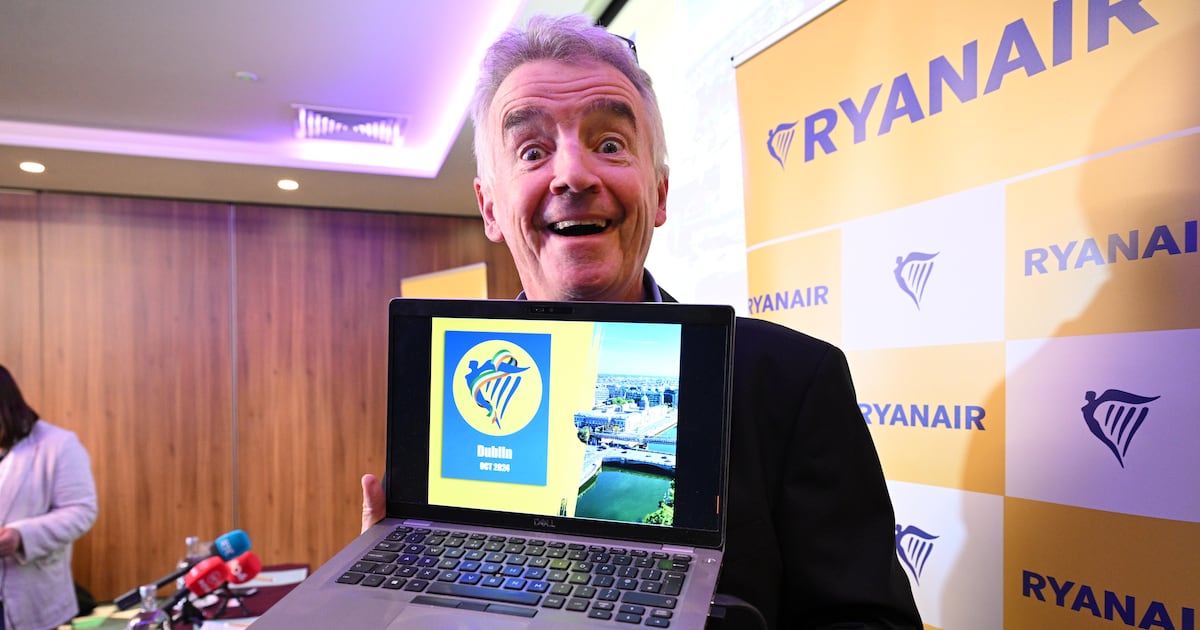
It has also been a good year for Ryanair boss Michael O’Leary.
The airline boss moved closer to qualifying for a cool €100 million share option bonus when its stock closed at more than €21 for a 28th consecutive day in May, meeting one of two conditions attached to the bumper pay deal.
Ryanair’s share price has since been flying high above €28. In early November, it reported a 42 per cent surge in profits to €2.54 billion for the six months to the end of September, after a record performance in the second quarter of its financial year.
The advent of AI has also forced a longtime foe, online travel agents, to the table. Having once described them as “bloodsuckers” and “unauthorised, illegal ticket-tout scams”, the airline signed deals with some of the biggest names in the market.
On Ryanair’s future, O’Leary said: “We are now confidently embarking on a 10-year growth period where we will grow from 200 million to 300 million passengers.”
Electricity and gas supplier Yuno Ltd, the owner of PrePay Power and Yuno Energy, saw its profits grow along with its market share. Chief executive Cathal Fay has presided over a remarkable expansion for the business.
In a hot and cold year, the firm froze its prices over the winter months, enough to make warming your home more affordable, too.
Fay believes the company is poised to power into the position of third biggest in the Republic’s energy market by the end of this year, behind ESB-owned Electric Ireland and Bord Gáis Energy. Not bad from a standing start in 2011.
Meanwhile, WaterWipes looks ideally placed for international domination, at least if you believe Edward McCloskey, the founder of Louth-based WaterWipes.
He says the brand is “on track” to become a billion-dollar brand at retail sales level in the next five years. The ambition no doubt helped him to win the prestigious EY Entrepreneur of the Year award. Coming off selling a decent stake in the business for €145 million to UK-listed 3i Group Plc retaining a significant minority share, it’s no surprise he cleaned up at the awards this year.
Áine Kennedy’s makeup brand The Smooth Company has had a remarkable 12 months, having impressed every year since it was founded in 2022. The company may have started in her parents attic but it is rapidly scaling the heights of the global makeup market.
For the business’ growth, she was chosen as emerging entrepreneur at the annual EY Entrepreneur of the Year (EOY) awards as the company moved into its first proper headquarters in Rathcoole, Co Dublin, dubbed the “Smooth Dream House”.
The Smooth Company became the first Irish cosmetics line to be stocked in the Netherlands at De Bijenkorf, the high-end department store chain that is a sister company of Brown Thomas and Arnotts. A good year.
About to turn 10, Sculpted by Aimee has gone from strength to strength. The company founded by Aimee Connolly in 2016 when she was just 23 is now a €32.6 million-per year business, with a growing reputation and store presence. Its founders’ ambition to become a top 10 global beauty brand is fuelled by plans to launch in the US market.
To top off the year in which it broke into Top 1,000 companies in Ireland, Ms Connolly won the IMAGE PwC Overall Businesswoman of the Year 2025 award and even fielded offers for the company.
Adding to the list of Irish winners, Hanley Energy’s Dennis Nordon and Clive Gilmore stand to profit from the sale of their Meath-headquartered power company Hanley Energy. A player in the growing data centre space, the company was sold to American multinational group Jabil for an initial $725 million (€631 million). Not a bad return.
Former CRH boss Albert Manifold had the “privilege” in July to be appointed the chairman of BP. He took charge of the board in October, after a tumultuous few years for the multinational oil and gas company and is expected to push for a fresh review of the group’s asset base. It’s a big opportunity for the Wicklow man atop the British giant.
The year had another big break for another Wicklow native Dalton Philips, the chief executive of Dublin-based food group Greencore.
In April, the group secured backing from Bakkavor’s board for a £1.2 billion purchase of its London-based peer and is set to create a convenience food business in the UK with combined revenue of £4 billion and about 30,500 employees.
Concerns over lack of competition in the supply of chilled sauces market looked set to cause an issue for Philips but offering to sell a Bristol manufacturing plant secured the former DAA chief clearance from the UK competition watchdog.
AIB chief executive Colin Hunt was also a winner this year, finally throwing off the shackles of State ownership, more than a decade and a half after its bailout post the 2008 crash.
This returns the bank to private ownership and clears the way for Hunt and other executives at the bank to receive a substantial increase in their remuneration over time.
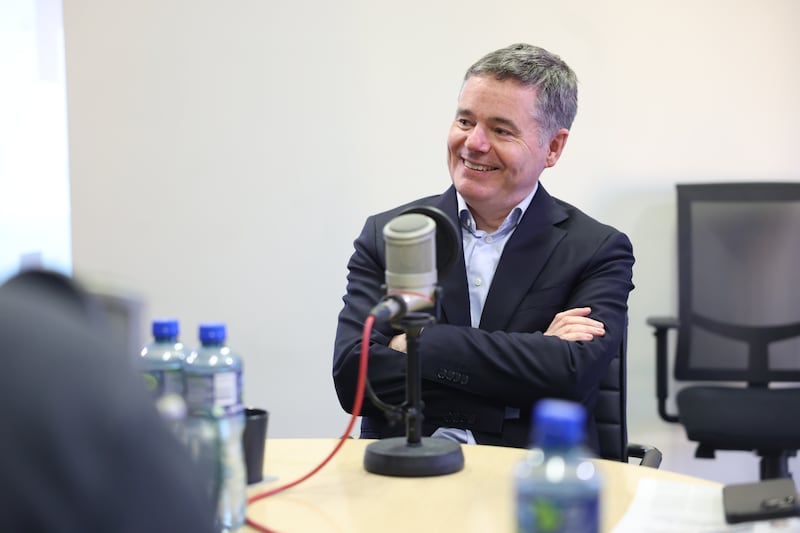 Paschal Donohoe. Photograph: Enda O’Dowd
Hunt’s former political master, Paschal Donohoe, has already secured a substantial pay rise after swapping his position as Minister for Finance for a senior role with the World Bank in Washington DC.
Donohoe is now the managing director and chief knowledge officer at the largest development bank in the world, that’s a serious step up from having to be the face of fiscal caution and restraint for 10 domestic budgets.
[ Paschal Donohoe is going to the World Bank. Why?Opens in new window ]