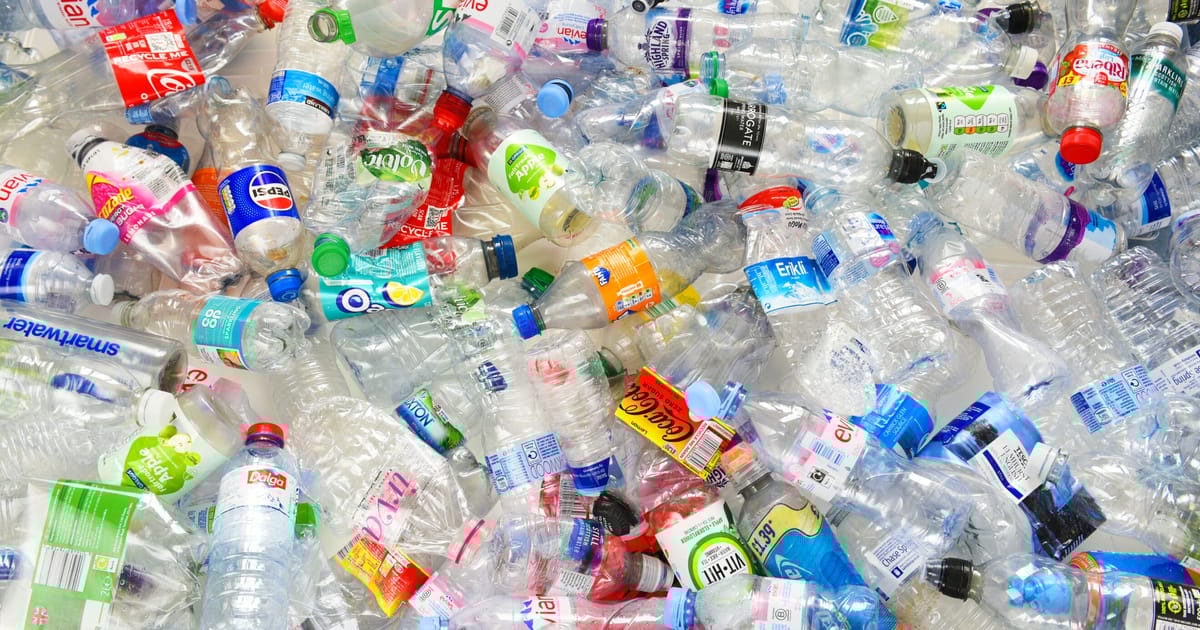
Brussels wants to boost Europe’s recycling capacity and help the bloc transition to a circular economy. “Pressures on certain sectors are already acute,” and the EU’s plastic recycling sector is already facing “reduced capacity utilisation, significant financial losses and, in some cases, bankruptcies,” the executive wrote in the package.
Under EU law, producers are already expected to use 25 percent of recycled plastic in PET bottles, and should reach 30 percent by 2030.
At the moment, only material stemming from mechanical recycling — which grinds plastic waste into reusable material — can count toward recycled content targets. Back in 2023 the Commission said it would rework the rules to include other technologies.
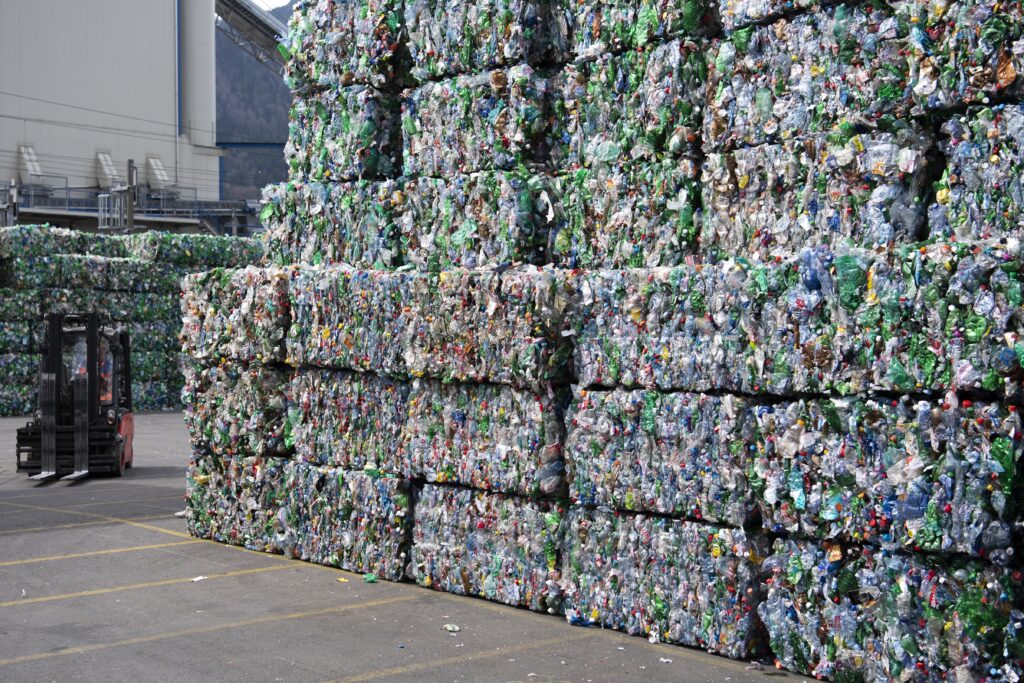 The new rules will “create new opportunities for plastic chemical recyclers” and “improve legal certainty, helping to unlock investment in chemical recycling across Europe,” the Commission said. | Gian Ehrenzeller/EPA
Chemical recycling, meanwhile, turns hard-to-recycle plastics back into basic chemicals to make new products like the polymer used in bottles, along with wax, tarmac and fuel. It often uses a mix of consumer waste and virgin plastic— made from fossil fuels — as feedstock. Many environmental groups and mechanical recyclers argue that this reality means that calling it recycling amounts to greenwashing.
It’s the second time the Commission has tried to pass this proposal, which failed to win the backing of MEPs back in 2024. The EU executive has since tweaked its pitch, and member governments will vote on the proposal in the new year.
The technology
According to the new rules, manufacturers would have to calculate how much consumer waste (e.g. wrappers, toothpaste caps, shampoo bottles) is used in their feedstock to determine the percentage of recycled plastic waste that is present in the polymers that are then sold and used to make bottles.