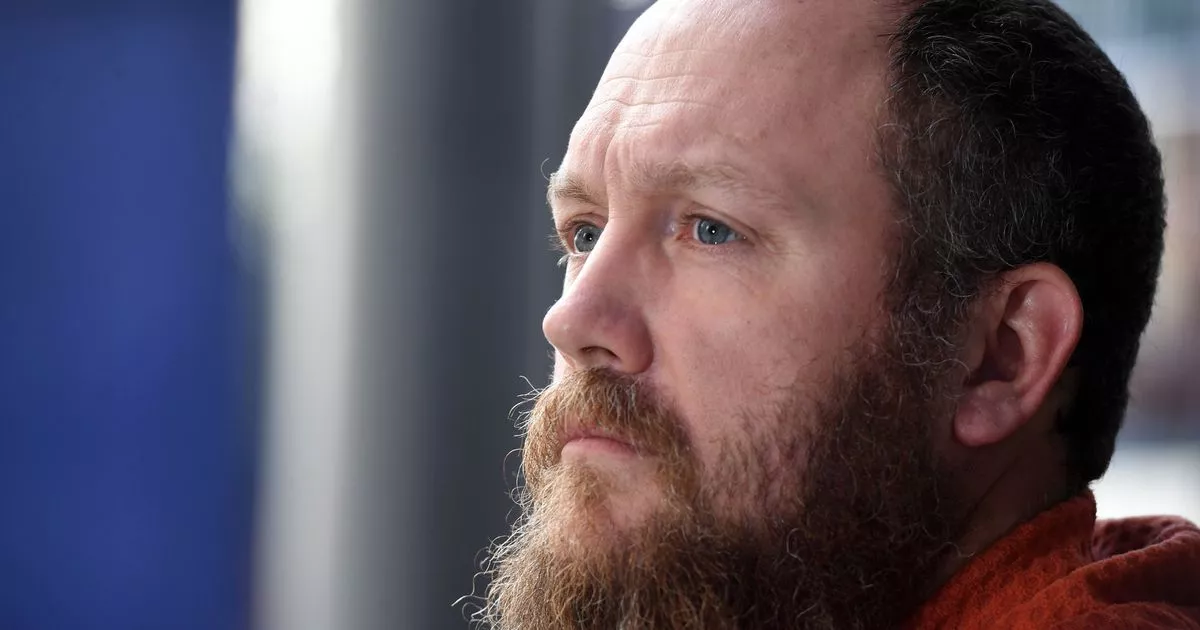
An ex-soldier stripped of his dignity and a grieving family are among those who say they were let down by Hafan y Coed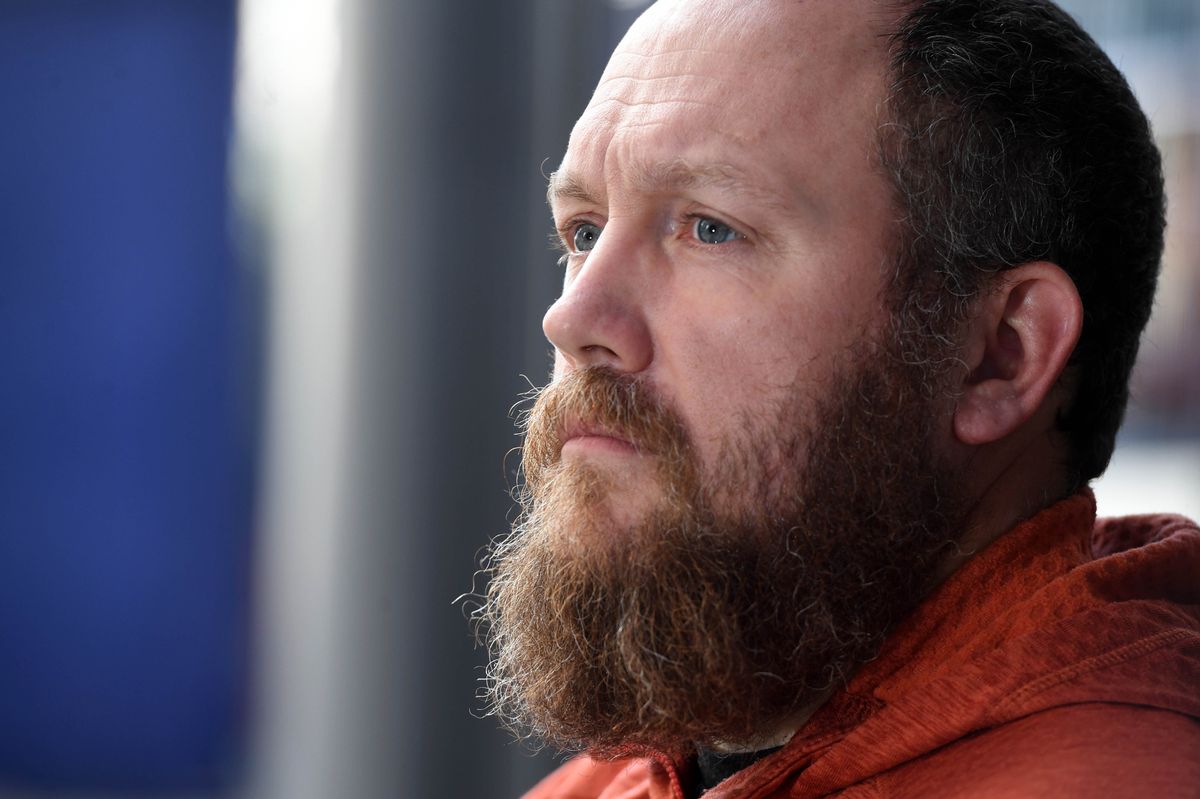 Dean Upson has spoken out about his experience at Hafan y Coed(Image: WalesOnline/Rob Browne)
Just before he was voluntarily admitted to the Hafan y Coed mental health unit, Dean Upson got some ominous advice. “Keep a diary of everything that happens to you in there,” said the police officer who dropped him off.
“That doesn’t bode well,” Dean remembers thinking. Hours earlier the former soldier had been close to taking his own life. He desperately needed help for the post-traumatic stress disorder (PTSD) that had plagued him since his service in Afghanistan and Iraq.
The 45-year-old says Hafan y Coed not only failed to give him that help but placed him in a damp room strewn with chunks of plaster, and left him in vomit-covered clothes for three days while a wound became infected. By the time he left, he felt his dignity had been stripped away.
The troubled unit is based at Llandough hospital and run by Cardiff and Vale university health board, which apologised to Dean for his “far from acceptable” experience. But he decided to tell his story publicly after reading our reporting on the unit’s recent controversies – including an intervention by the Welsh Government following two damning inspections.
He is not the only one speaking out. We have talked to the heartbroken family of a patient who died after obtaining an illegal drug in circumstances the health board has been unable to explain. Another former patient told us he and other patients were mocked and treated with “contempt” by some staff.
The health board says it has commissioned “expert independent advice” as part of a commitment to improve “safety, quality and dignity of care” on the 134-bed unit.
‘I don’t want anyone else to have an experience like I did’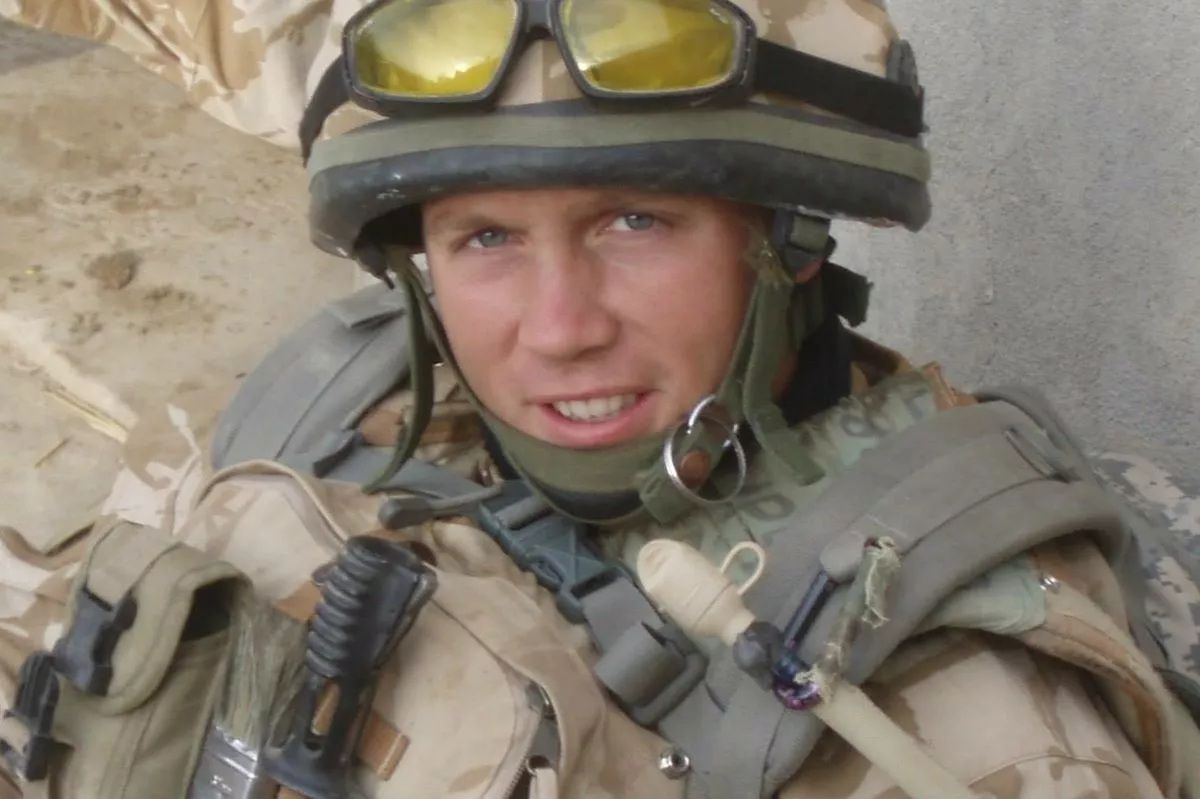 Dean Upson during his time in the army
Recent inspections of Hafan y Coed highlighted a long list of problems, including with how patients were restrained, infection control, hygiene risks, broken fixtures, water damage, training standards and understaffing. Some of the issues were first raised as far back as 2020 but not addressed.
Dean had known nothing of the unit’s reputation except for the cryptic warning from the police officer en-route. It was 2022 and Dean, a former corporal with the Royal Engineers, was in a mental health crisis rooted in trauma from his tours in the Middle East.
As part of a medical evacuation team in Afghanistan, his role had involved picking up the dead and the maimed. He was tormented by images that had imprinted themselves in his mind, among them a girl of around four who had suffered horrific injuries from a marketplace suicide bomb.
His 14-year career in the army ended in 2011 when he was medically discharged after his PTSD had led to two suicide attempts. Following periods living in his home county Kent and the Canary Islands, he settled in Barry.
“Every day is a struggle,” said Dean, who reached a point in September 2022 where he felt unable to cope. An attempt to set fire to himself on a beach was prevented by police officers who happened to be on patrol. He was then voluntarily admitted to Hafan y Coed.
Dean’s clothes were sodden with seawater and vomit, but it took three days for Hafan y Coed to give him a clean outfit, despite his repeated requests.
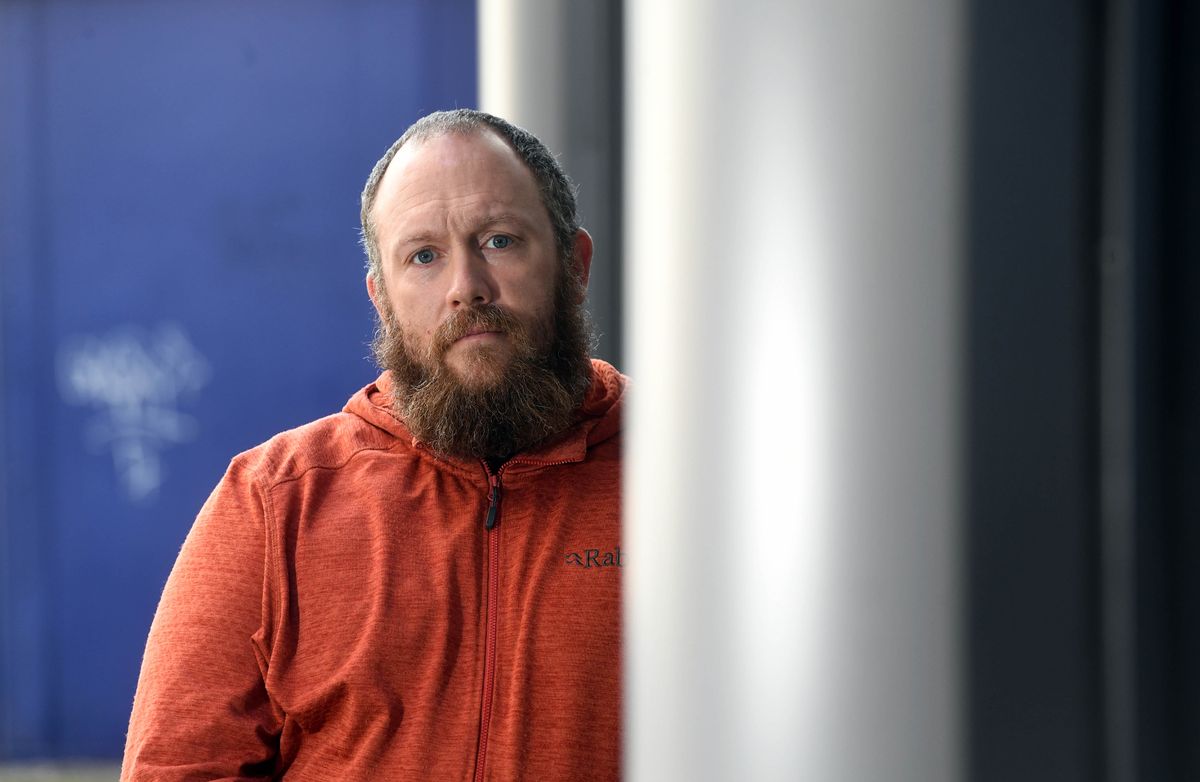 Dean Upson(Image: WalesOnline/Rob Browne)
“No one was talking to me,” he said. “I kept asking for clean clothes and asking to see people. They said they’d sort the clothes and they’d leave a note for a manager, but they never turned up.
“At one point I moved a chair in front of the door and put a note on it asking to see someone. Eventually I put toothpaste on the camera so they’d have to open the door, but before that they hadn’t checked on me for a day and a half.
“I had been getting water from the tap in the room but I’d not been getting meals because I hadn’t had clothes to wear to the canteen. I was sat in my room staring at the wall for multiple days.”
Out of desperation Dean resorted to leaving his room and walking into the canteen wearing only his boxer shorts. This prompted staff to finally provide him with fresh clothes, although the socks they gave him were dirty.
“An on-call psychiatrist spoke to me that day. They finally started talking to me and they showed me around the unit. Before that I’d barely left my room.
“It was explained to me that my friend had turned up the night before to drop off some clothes and my phone and wallet. But I was only just being told, the afternoon of the next day.”
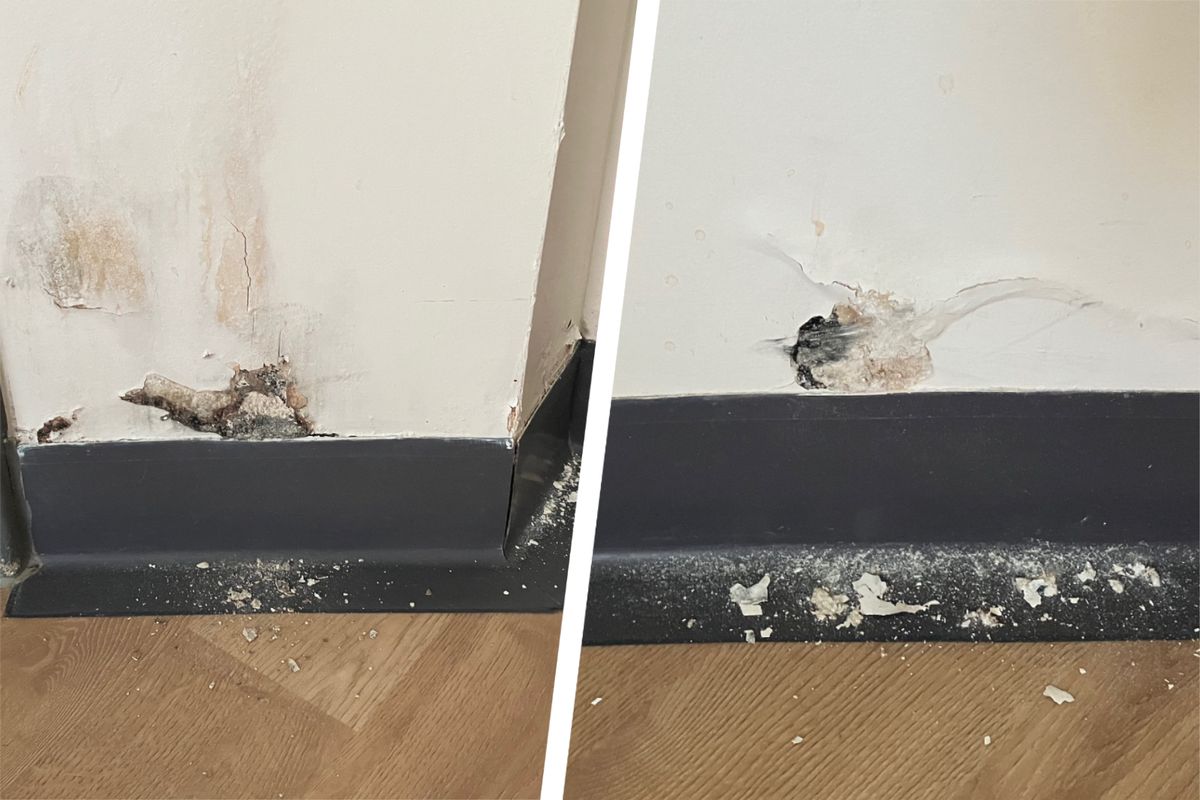 Holes in the wall and chunks of plaster in Dean’s room at Hafan y Coed(Image: Dean Upson)
Another concern was the state of Dean’s room. As the health board would later admit in an apology, it contained “a notable amount of plaster dust” that had fallen onto the floor from a damaged wall. Damp could be seen on the walls. A bedsheet being used as a makeshift curtain only covered part of the window, where remnants of stickers had congealed. Dean said he even saw cockroaches in the room.
The health board said it was “dismayed” by the condition of the room. “Unfortunately, maintenance on rooms needs planning, and some of the damp and damage to plaster can take time to fix,” it told Dean after he made a formal complaint.
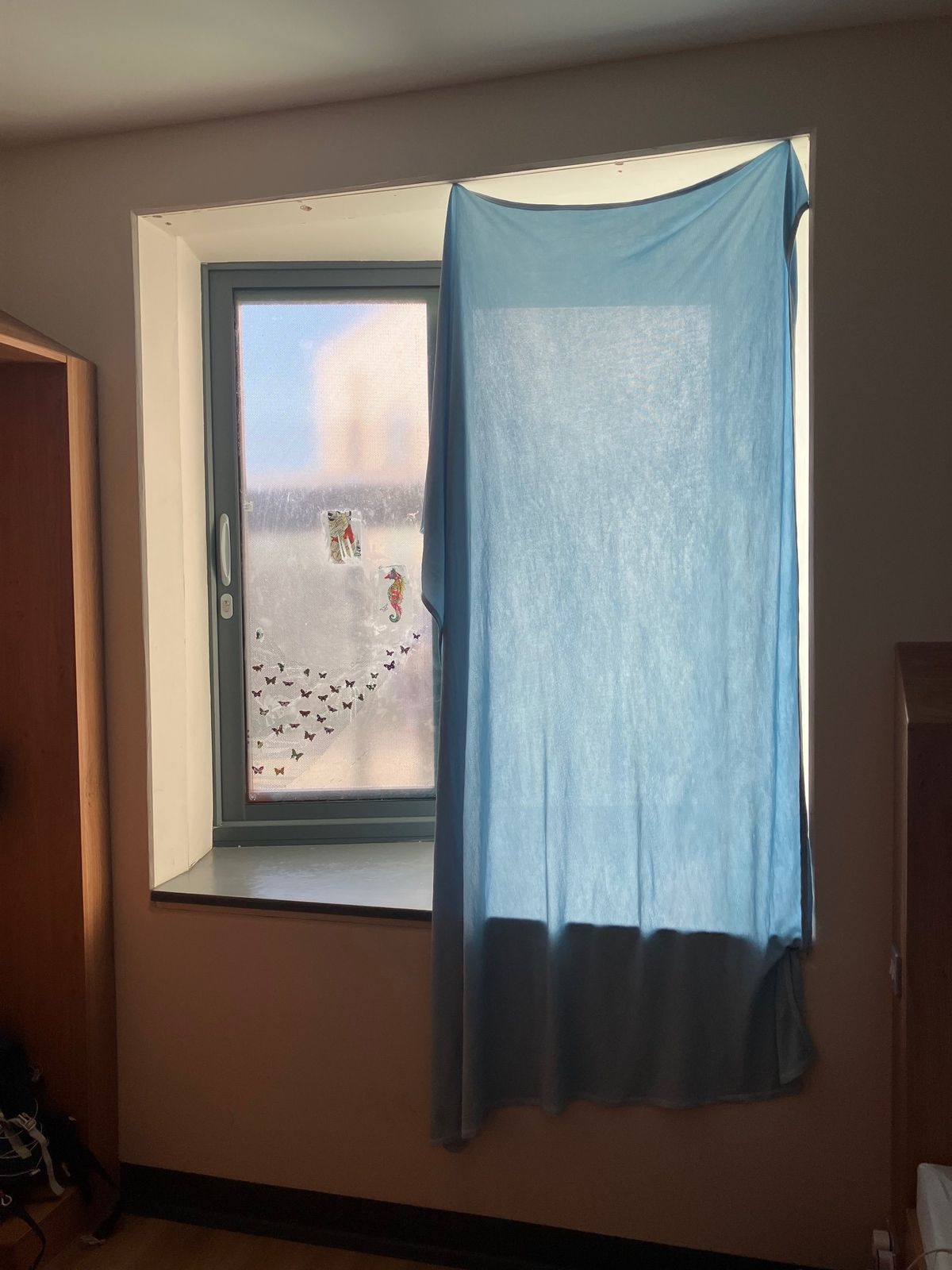 The room’s makeshift curtain(Image: Dean Upson)
In the days before his admission Dean had self-harmed, causing a leg wound which he disclosed to staff at Hafan y Coed, but they did not check it. After his discharge he needed antibiotics to treat the wound, which had become infected.
The health board apologised for failing to check there was no infection. “This is an unacceptable lapse,” it admitted.
Dean’s room contained exposed fixings, a clear self-harm risk. The health board described this as “unacceptable” and said that following Dean’s stay the room was closed “until modifications were made”.
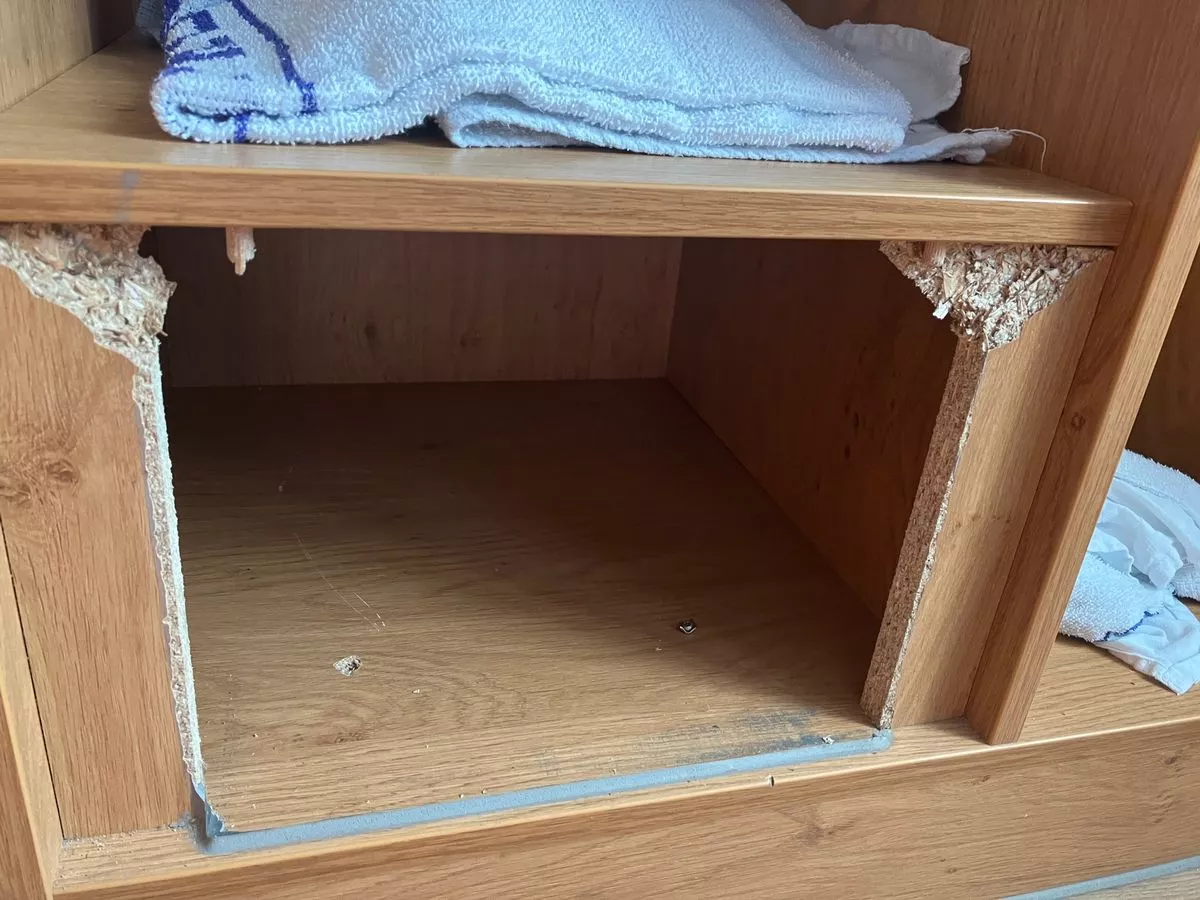 The room contained exposed fixings which posed a self-harm risk(Image: Dean Upson)
He was discharged after six days. The last couple of days passed without incident, he said, albeit without meaningful support other than being asked to take medication.
“That unit is meant to be a crisis team. The way I was treated,” Dean said before trailing off, momentarily lost for words.
“That place is dangerous,” he went on. “I felt physically sick when I saw they’d been given ‘veteran aware’ accreditation. I don’t want anyone else to have an experience like I did.”
‘I never thought dad would die in there’
When Sarah thinks of her late father Richard (not their real names) she remembers the songs he would sing, the funny stories he would tell, and his love for his two children and four grandchildren.
“Dad was very family-oriented,” she said. “He would always put his children and grandchildren before himself, making sure we were safe and fed well.
“He loved good food, which came from his Hungarian background. He was a very generous man who loved to buy for others. He was always buying the best food and making us try different things. He would even buy for his doctor at his general practice before he was hospitalised.”
Richard was just 57 years old when he died in November 2022, having spent his final years under an indefinite hospital order. His life had been marred by his schizophrenia, though Sarah always believed he would one day be well enough to come home.
According to his family, Richard deteriorated “so badly” during his time at Hafan y Coed. His second and final stint there began around four months before his death.
“He used to be a clean freak who showered twice a day, but then every time you saw him in there he’d have dirty clothes on,” his ex-partner told us. “The only thing they seemed to do in there was smoke. He developed a massive smoking habit and got COPD (chronic obstructive pulmonary disease, a lung condition that makes breathing difficult).
“He put on so much weight and started suffering with sleep apnoea, which they didn’t tell us he had until after his death. In the hospital where he was before, they’d allowed us full access to everything.”
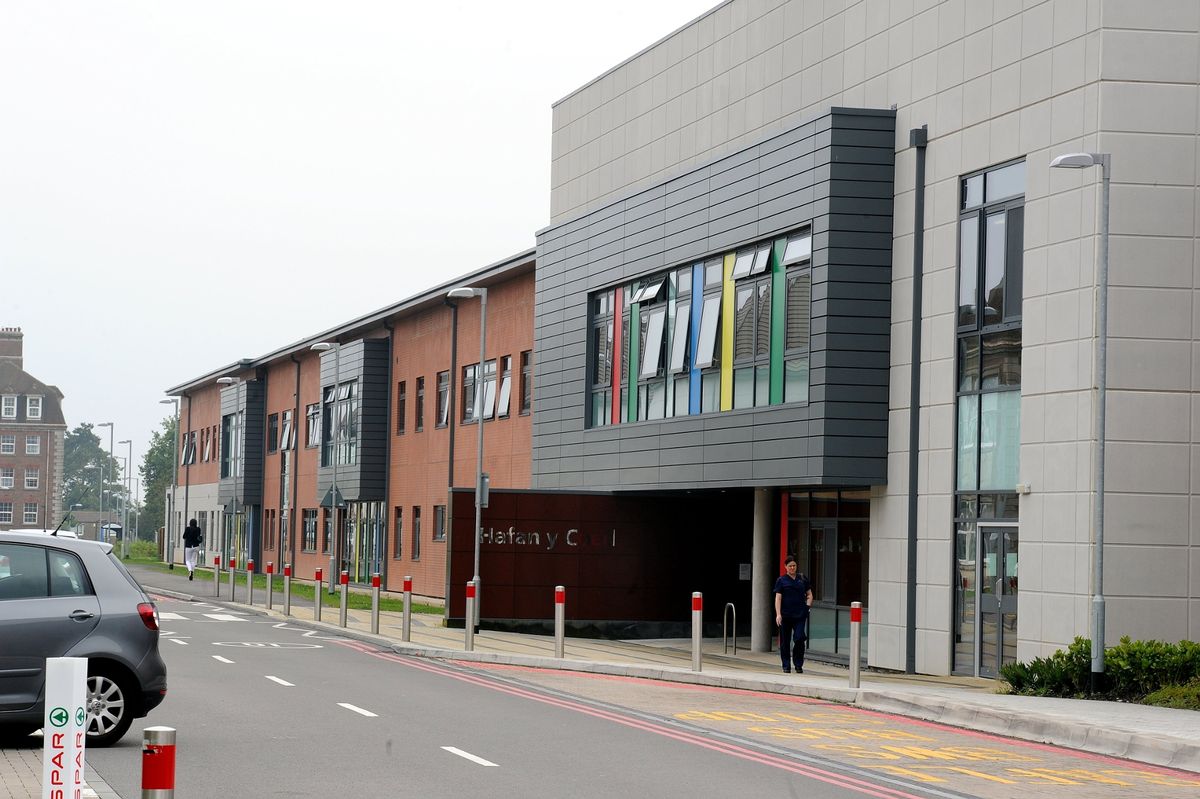 Hafan Y Coed mental health unit at Llandough Hospital, near Cardiff(Image: Richard Williams / Wales Online)
Richard’s family were concerned when, a few weeks before his death, he admitted he had bought a cannabis spliff from someone in the unit. They made him promise he wouldn’t do it again.
Sarah, who would call her dad several times a day, is haunted by a conversation she had with his social worker shortly before his death. “They asked me how I thought he was getting on, and I said, ‘I know he’s not happy and he wants to be moved. He can’t be left to die there.’ A few hours later he was dead.”
An inquest into Richard’s death concluded the cause of death was an “overwhelming” bronchopneumonia infection at a time when his breathing was compromised by chronic lung disease. It also found illicit drug use was a contributing factor.
The substance found in his system was bromazolam, a designer drug that has never been approved for use in the UK. The Class C sedative has become particularly prevalent as a street drug in Scotland, where it has been linked to 772 deaths over the last two years.
Richard’s family were appalled to learn he had obtained the drug in a place meant to safeguard him. They were also left with questions over why staff had not known he was suffering from a severe infection.
His sleep apnoea meant his breathing would stop and start while he was asleep, and according to the health board he had “difficulties” using a mask for air pressure, which led to a policy of staff looking through his window every 15 minutes to check he was breathing. But his family have doubts over these observations.
In staff’s hand-written records from the night Richard died, they wrote “appears asleep, lying on his back” at 5.15am, then wrote that he was unresponsive at 5.30am. However, a nurse later said in a statement: “I tried waking him up and felt that his skin was cold.”
This raised the suspicion of Sarah, who told us: “If they had really checked him 15 minutes before and he was fine, his body would not have been cold.” She also pointed out that earlier in the night the records mentioned Richard being observed breathing, but the notes from 2am until 5.15am gave no detail beyond “appears asleep, lying on his back”.
“The health board told us they don’t have CCTV in the corridors to prove the checks happened as they should have done,” she said.
The family felt the health board seemed nonchalant about an illegal drug getting into the unit. Sarah said: “During the inquest, the ward manager said drugs get thrown over the wall most days. Where are the cameras and the security?
“We’ve had no apology from the health board about drugs getting in. When I asked [a senior manager] about this, he said it was the first he’d heard of it. They should be working out exactly how it was allowed to happen.”
Sarah has put a recording of one of her dad’s final voicemail messages into a teddy bear for her daughter. “I never thought dad would die in there,” she said. “There was so much he wanted to come out for.”
The health board accepts the observation notes “weren’t completed with the detail that would be expected” but says this did not “affect the sad outcome”. It insists staff are taking “robust measures” to prevent drugs entering the unit.
‘Berated as a failure and a loser’
One former patient told us the problems at Hafan y Coed are not a new development. He spent a few months there in 2020, when he was in his late 20s, having been sectioned due to erratic, confrontational behaviour stemming from bipolar disorder.
Some of his experiences at the unit were positive, he said. “Numerous support workers and nurses were wonderfully empathetic and compassionate individuals that had to perform extremely challenging jobs for little compensation.
“However, there were far too many staff members who at best did not care about the patients, and at worst enjoyed exploiting vulnerable individuals. My belief is they have been allowed to do so with impunity as most patients are too powerless to speak up against mistreatment.”
He claimed some staff were “apathetic or contemptuous” in how they treated patients. At one point, he claims, a support worker called him “disgusting” after his condition caused him to pour cold water on his meal.
“I was mocked by another support worker when I lost my ability to speak properly due to the medication I was on,” he said.
He alleged a fellow patient, who had been admitted to the unit after nearly jumping from a bridge, was berated by a support worker as “a failure and a loser”.
There was also an alleged safeguarding failure. “I was given razor blades when I was extremely unwell which I subsequently used to cut myself,” he claimed.
The health board responded that it was unable to comment on individual patient cases.
A troubled unit run by a health board in crisis
Last year the Healthcare Inspectorate Wales watchdog found “immediate action” was needed to improve patient safety at Hafan y Coed.
Its report stated: “[The failings] included inaccurate recording of patient restraint incidents and the involvement of untrained staff in these incidents – issues that were also identified during a previous inspection.”
There was found to be “low compliance” with infection control training as well as gaps in daily cleaning schedules and “poor” record-keeping.
“Most staff who completed our questionnaire felt that senior managers were not visible, and that communication between senior management and staff was not effective,” the report read.
This was followed by a report from July which found problems with infection control and with morale suffering from “limited senior management visibility”.
Issues raised at an inspection five years earlier had still not been addressed, including bedrooms without emergency call points and a shortage of personal alarms. Risk assessments were overdue because of “staffing pressures and training gaps”.
“Maintenance and cleanliness problems, such as water damage, broken fixtures, clutter, and hygiene risks were identified,” the report added.
In September a source told us the Welsh Government had sent investigators into the unit due to a lack of improvement after critical inspection reports.
A government spokeswoman said: “Due to serious concerns relating to governance, culture, quality and safety and operational pressures, we escalated Cardiff and Vale university health board to level four (targeted intervention) in July. This is short of special measures, which is the highest at level five.”
As part of this intervention, the government said, there would be “necessary changes” in mental health services. The health board described this as a case of “working with a small external team of mental health professionals” to help ensure “best practice”.
It is one of many controversies to have hit the health board this year. Last month we revealed almost 300 doctors had sent a letter fiercely criticising how it was being run.
They said morale was at an “all-time low” in Cardiff’s University Hospital of Wales – the biggest hospital in the nation – amid chronic sewage leaks, various “risks to patient safety”, and a “firefighting” culture focused on “short-term fixes”.
Earlier this year a damning report on the culture of the hospital’s operating theatres found illicit drug use, racism, bullying and staff sabotaging each other.
And in September we reported on the case of Gareth Idris Johnson, a much-loved 41-year-old dad-of-three who died after the hospital’s maintenance problems led to him being moved to a different unit following an operation.
This prompted coroner Kerrie Burge to warn the health board there was a risk of more deaths if UHW’s problems were not addressed. Whistleblowers have frequently spoken to us about the horrendous conditions at the pigeon-infested hospital in Heath.
Other recent controversies include the health board’s failure to act when an electroconvulsive therapy clinic manager bullied colleagues for years, and allegations of unauthorised visitors being invited in to watch operations.
What the health board says
Responding to the concerns raised by Dean and the family of Richard, a health board spokeswoman said: “We are sorry to hear that those involved feel their concerns remain unresolved. Both cases have been fully considered through the appropriate concerns processes, and one case was subject to a formal inquest.
“We have informed both parties of their right to approach the ombudsman should they wish to take matters further.
“We have commissioned expert independent advice to support improvement in the transformation of mental health services within Cardiff and Vale, which includes Hafan y Coed and will be adopting recommendations to improve the quality of treatment and care alongside patient experience.
“While we cannot change past events, we remain committed to continuous improvement strengthening the safety, quality and dignity of care on the unit.
“The illegal supply of drugs, alcohol and ignition sources is strictly prohibited and not tolerated, and colleagues continue to take robust measures to prevent these entering the hospital.”
If you would like to contact us about an issue we should be investigating, email us at conor.gogarty@walesonline.co.uk
Samaritans details
You can contact the Samaritans for non-judgmental advice 24/7, 365 days a year, by calling 116 123 or by emailing jo@samaritans.org.
They also have an online chat service and a self-help app, or you can write them a letter for free at Freepost SAMARITANS LETTERS