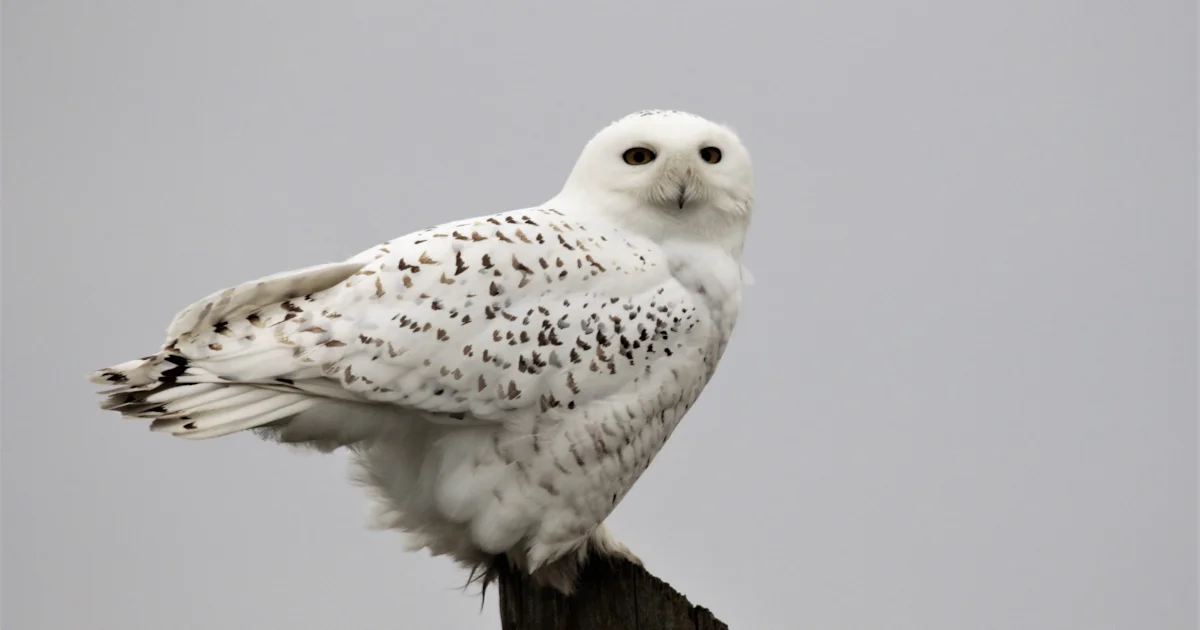
Sweden has declared Snowy Owl nationally extinct, marking the first official loss of a bird species in the country for two decades.
The decision follows more than 10 consecutive years with no confirmed nesting, breeding or successful reproduction in Swedish territory, according to conservation assessments flagged by BirdLife International.
Snowy Owl historically bred irregularly in Sweden’s far northern regions, particularly in tundra and mountain habitats. Its presence was strongly linked to the boom-and-bust cycles of Arctic prey, especially lemmings; in years of abundant food, owls would settle, breed and occasionally move southwards into Scandinavia. In the 1970s, several hundred pairs nested in Swedish mountains during favourable years, cementing the species as an iconic part of the country’s northern wilderness.
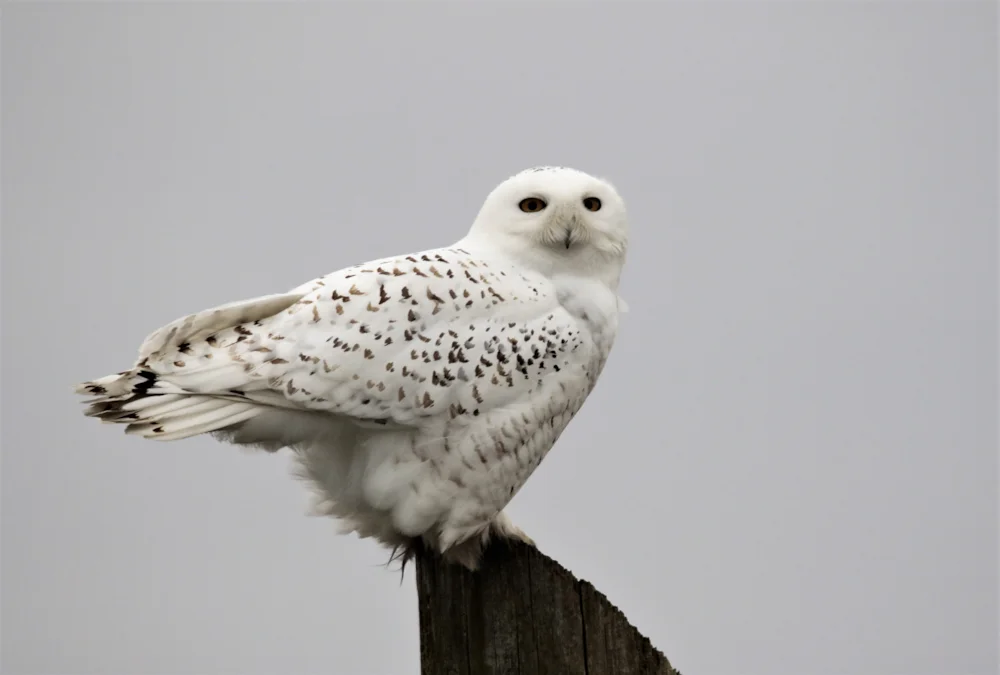
Snowy Owl has been declared extinct as a breeding bird in Sweden (David Mason).
Decade with no breeding
However, breeding attempts ceased after 2015, and no nests, chicks or clear signs of successful reproduction have been recorded since. With a full decade of absence, authorities have now concluded that Snowy Owl no longer maintains a viable population in Sweden.
The species continues to exist elsewhere across the Arctic, from northern Russia to Alaska and Canada, but its disappearance from Sweden signals a significant shift at the southern edge of its range.
Conservationists point to a suite of environmental pressures behind the decline. Rapid Arctic warming – occurring at more than twice the global average rate – has destabilised traditional prey cycles, particularly lemming populations, reducing food availability during critical breeding seasons. Altered snow cover and vegetation patterns, human disturbance and broader ecosystem changes have also been implicated in eroding suitable habitat.
The loss of Snowy Owl in Sweden has prompted concern among ornithologists and conservation groups, who say it highlights the urgent challenges facing cold-adapted and range-edge species under climate change. While the species persists elsewhere in the Arctic, the Swedish extinction highlights how rapidly shifting environmental conditions can erase populations from parts of their former range, and may presage broader changes for other high-latitude birds.