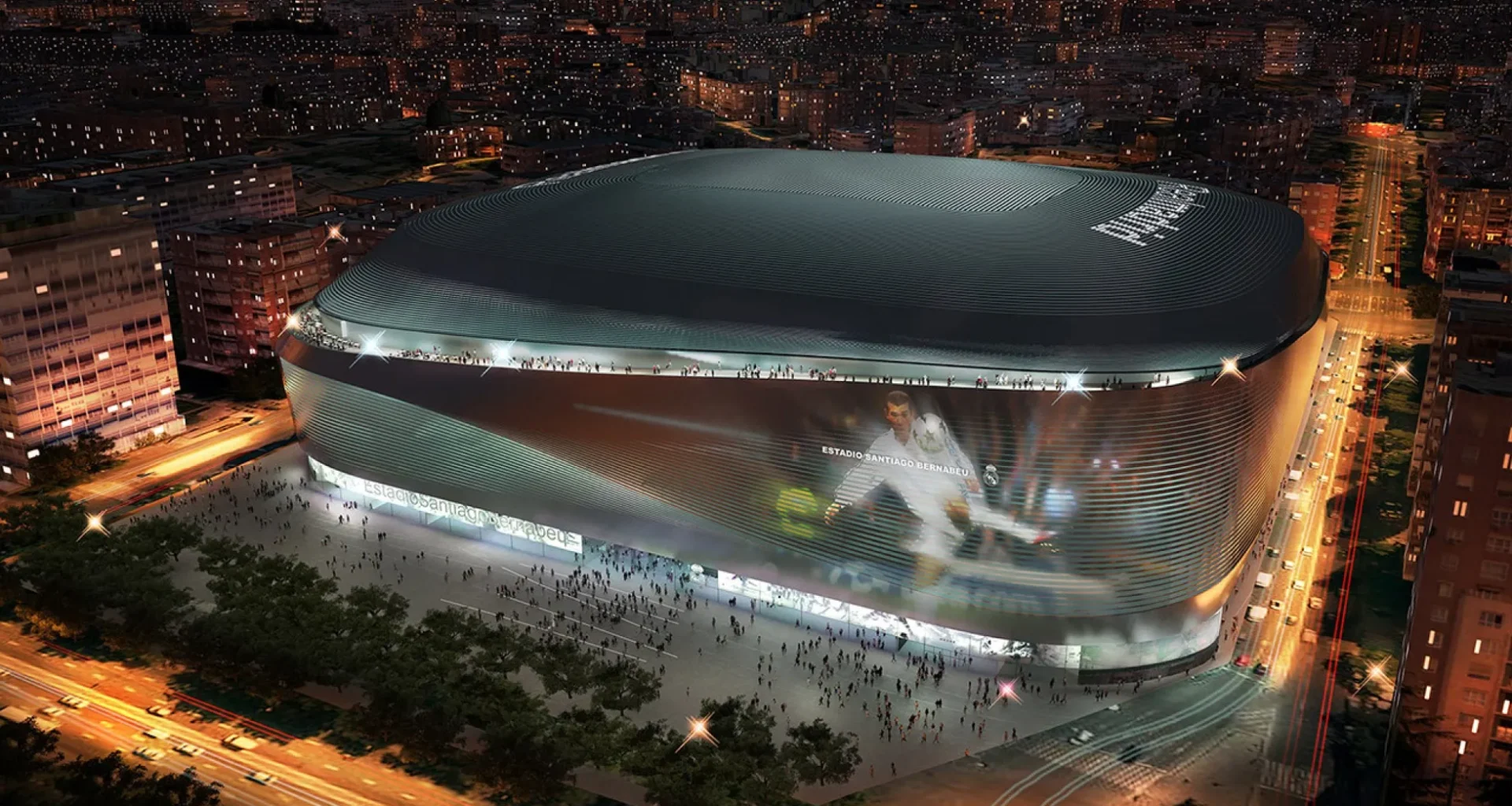
The Estadio Santiago Bernabéu, the home of Real Madrid C.F., has been transforming since 2019 into one of the world’s most advanced sports and entertainment stadiums. Originally opened in 1947 and named after club legend Santiago Bernabéu in 1955, the venue has undergone multiple renovations over the decades. The latest overhaul aims to bring it into the 21st century with cutting-edge engineering and design that redefine how a stadium functions beyond football matches.
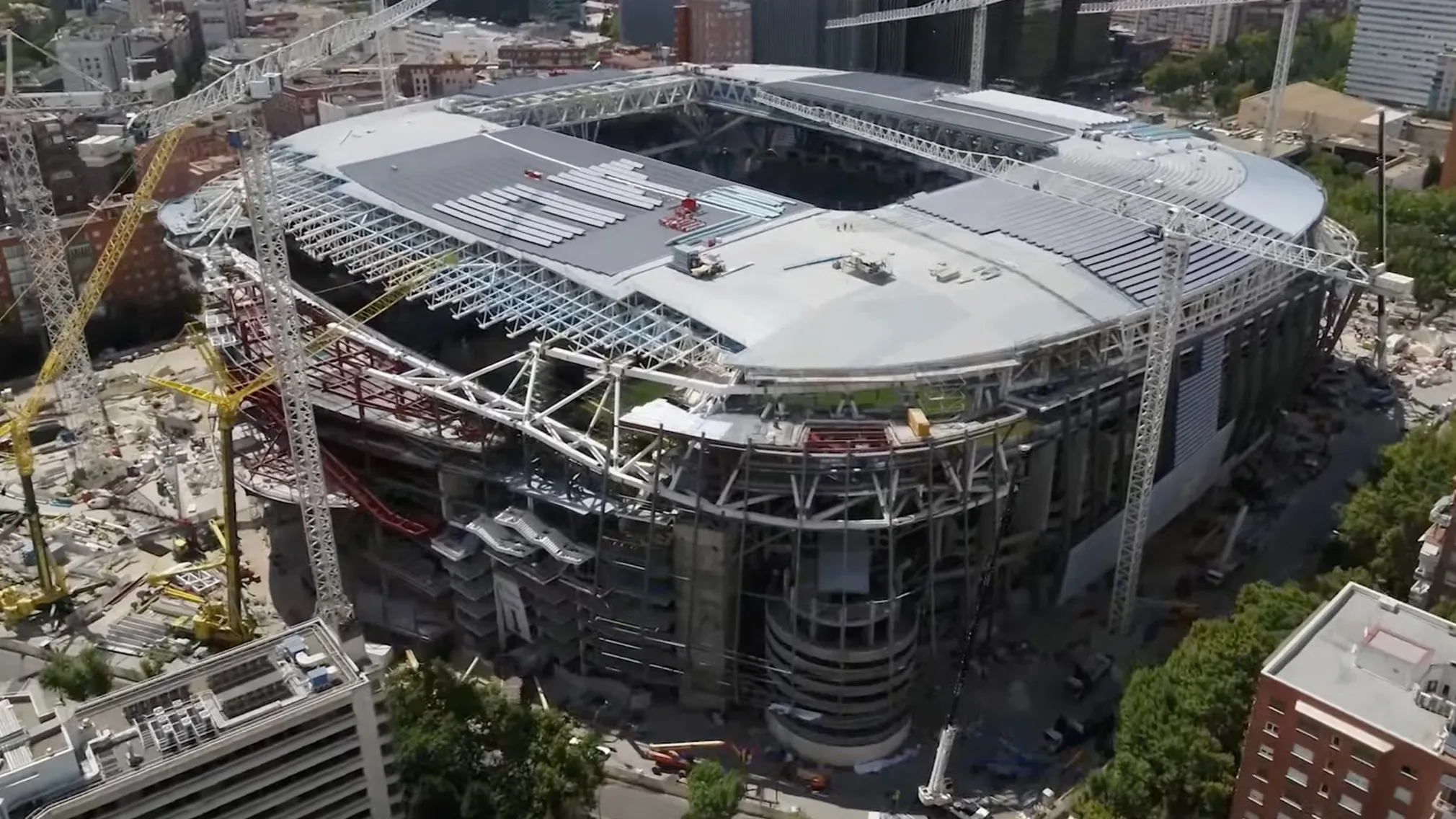
Santiago Bernabéu Stadium © Real Madrid
Although early public estimates placed the renovation cost around €500 million, the project’s scale and added features led to a much larger investment. By mid-2025, Real Madrid reported total spending of about €1.347 billion (close to the project’s estimated final figure), covering structural upgrades like the new roof, façade work, retractable pitch system, and commercial components.
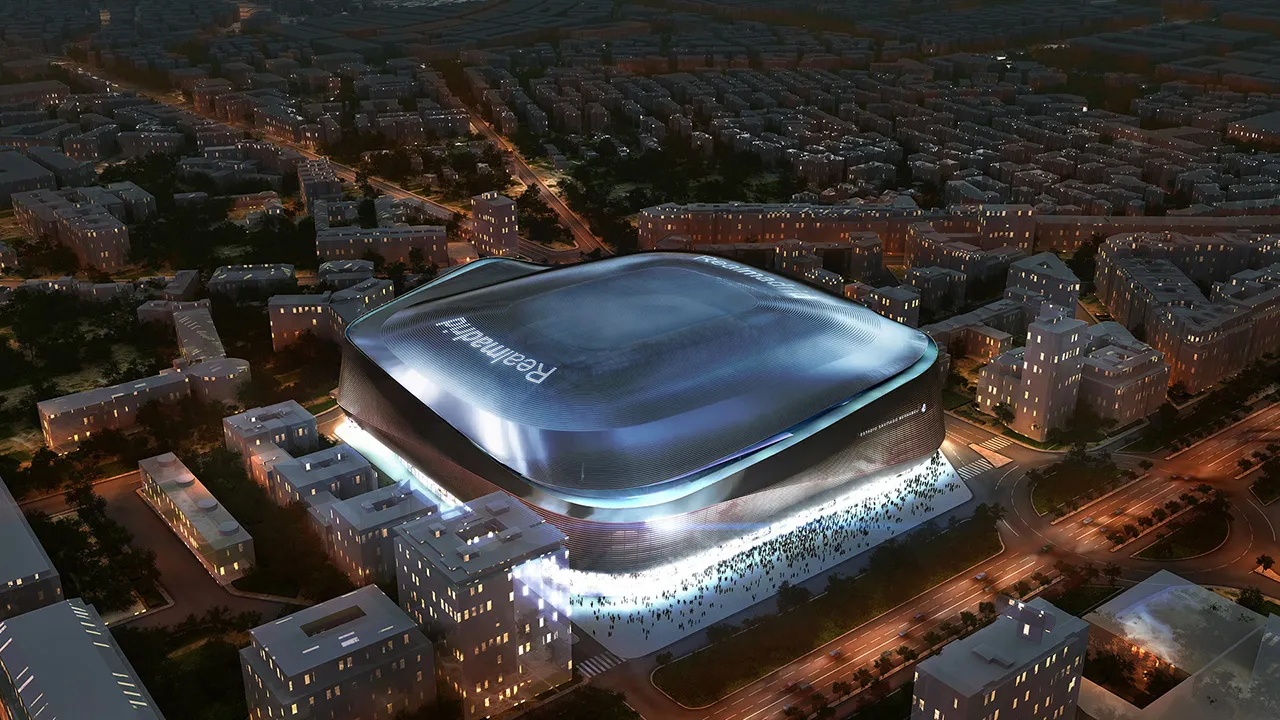
The redesign was guided by prominent architectural teams chosen through competitive processes, including GMP Arquitectos and L35 Ribas, who proposed a comprehensive exterior structural upgrade of the stadium. The exterior is given a distinctive look with stainless steel and structural elements that invite lighting and projection effects, giving the stadium a dynamic presence in Madrid’s Chamartín district.
Advanced Engineering Behind Real Madrid’s Santiago Bernabéu Stadium
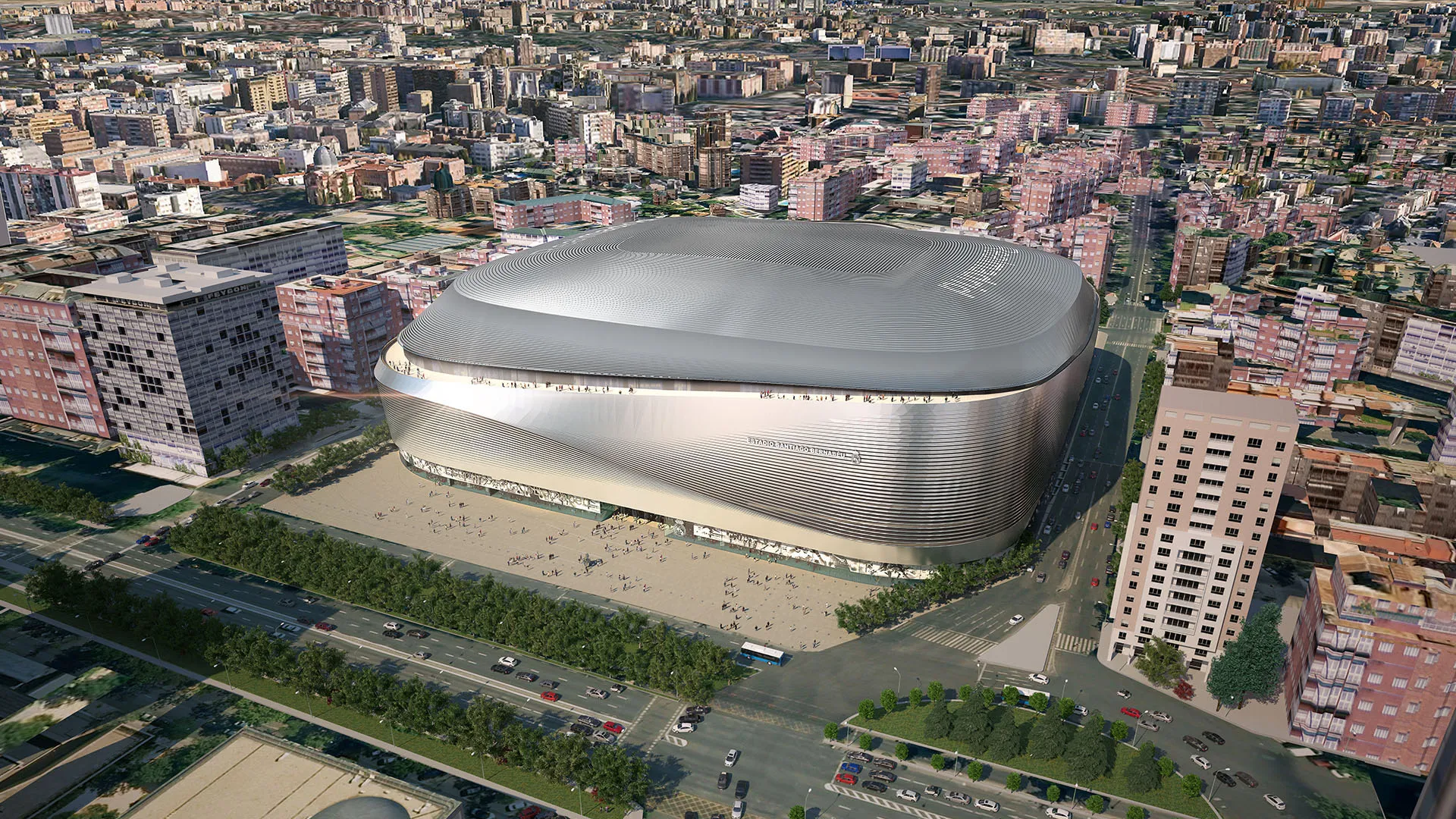
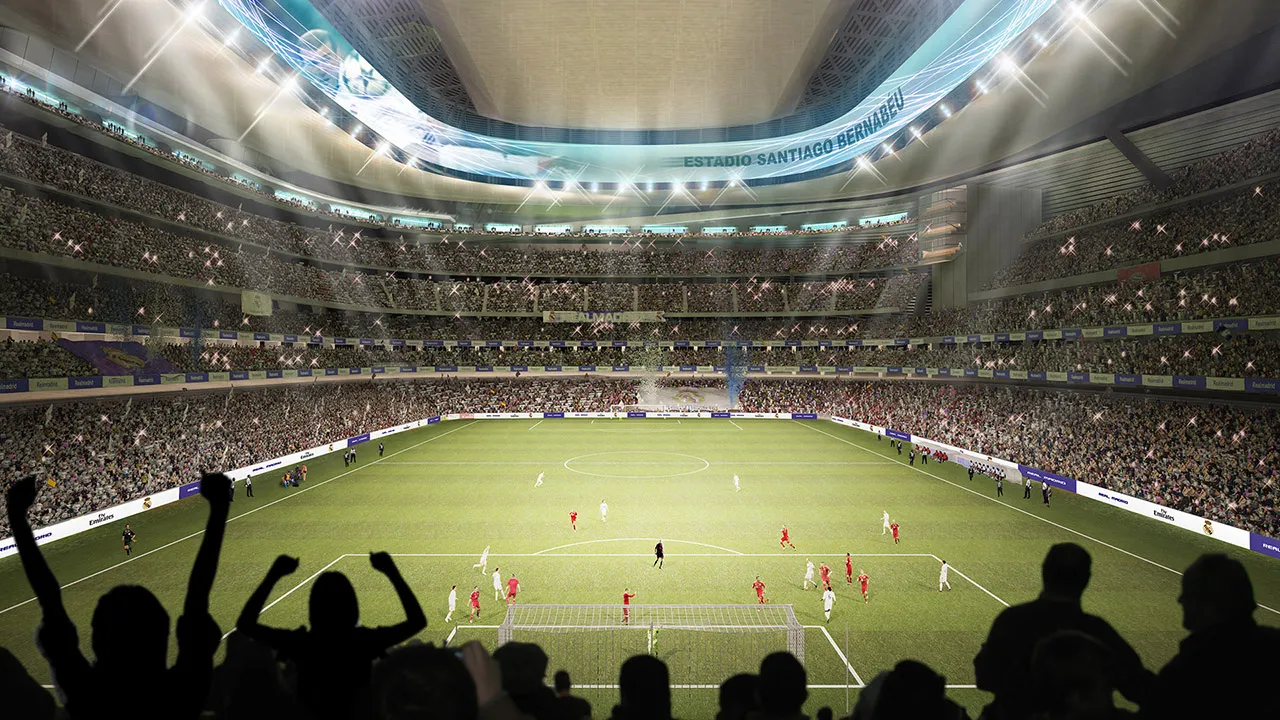
One of the most technically advanced aspects is the retractable roof, which covers all spectator areas and can be operated regardless of weather conditions, a feature that elevates both comfort and utility. Complementing this is a removable (retractable) grass pitch system. The pitch is divided into panels that slide out of the stadium and into an underground greenhouse system. This allows the grass to be preserved and maintained independently, while the bowl can host other events such as concerts or exhibitions.
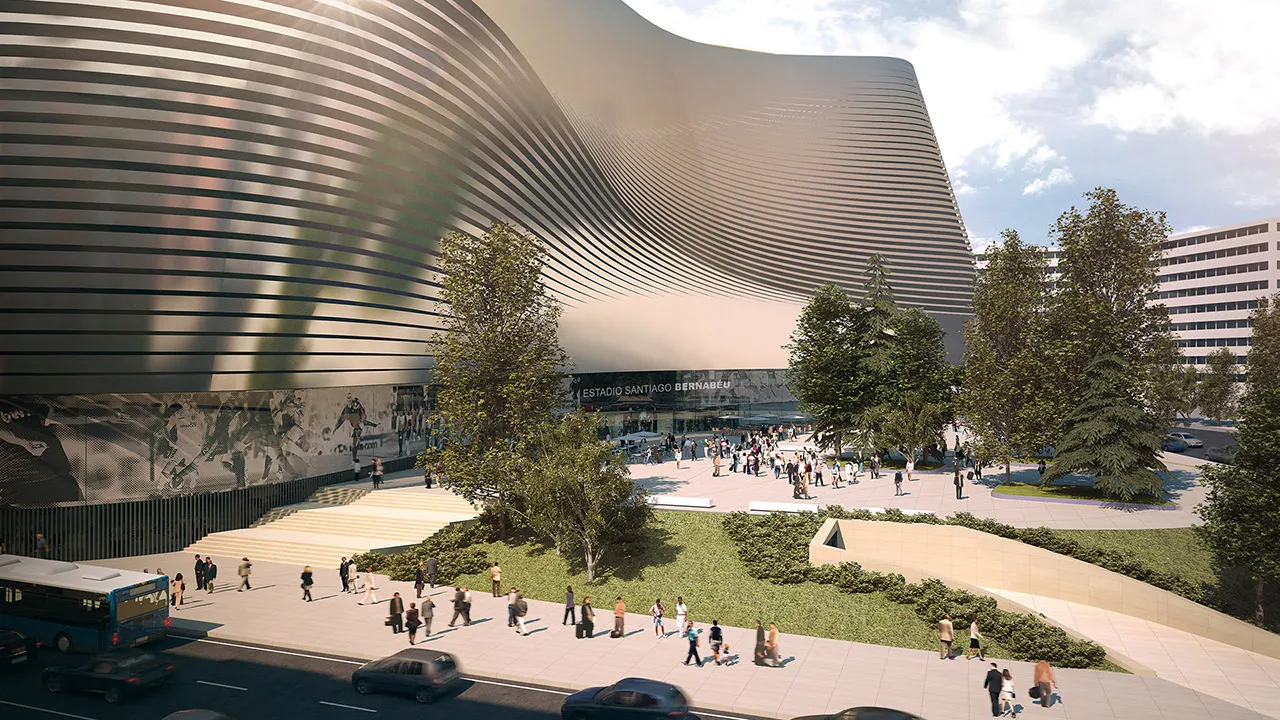
The renovation involved serious structural work, heavy steel frameworks, deep-piled foundations for new towers, and the integration of large longitudinal megatrusses to support the roof structure. Over 33,000 tonnes of steel were used, equating to the mass of more than 100 wide-body aircraft. These complex engineering feats were essential to both the roof and façade modifications.
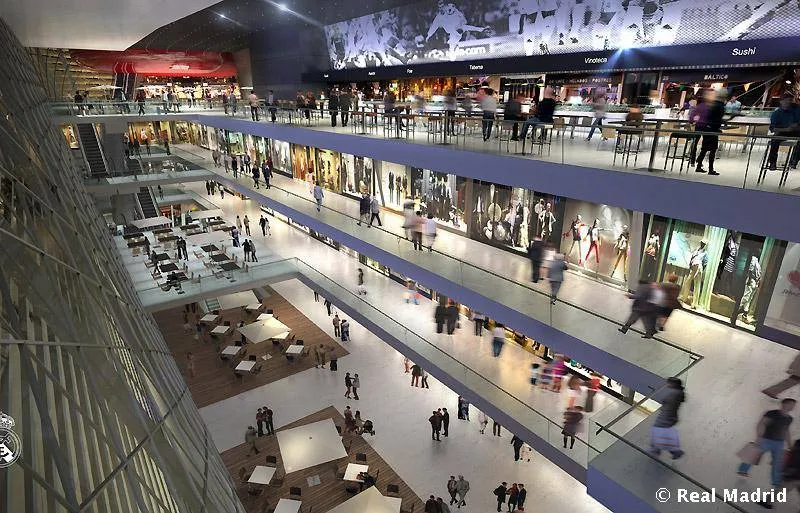
Unlike the original single-purpose football stadium, the renewed Bernabéu is designed as a multi-purpose venue. This includes expanded VIP, hospitality, and commercial spaces, a 360° LED halo screen, and areas for events, tours, and other revenue-generating uses beyond match days. Real Madrid expects these features to boost off-pitch income and global brand presence substantially.
© L35
The stadium’s seating capacity remains among the largest in Europe, accommodating over 83,000 spectators. The enclosed environment with a retractable roof, advanced acoustics, and extensive hospitality areas makes it suitable for large sporting fixtures and high-profile cultural events.
The new Santiago Bernabéu represents a trend in modern stadium design where versatility, fan experience, and commercial viability are as important as the sport itself.
Image credit: © Real Madrid/L35