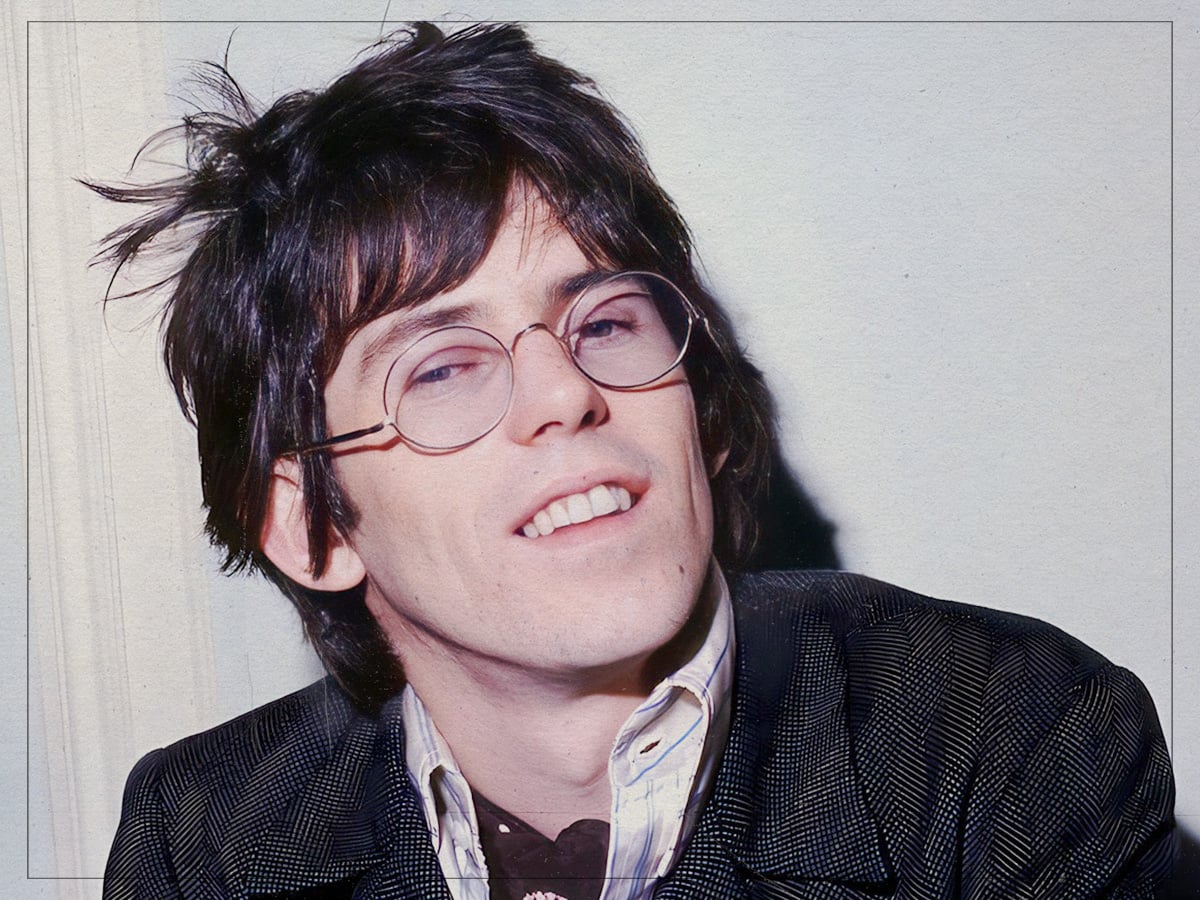
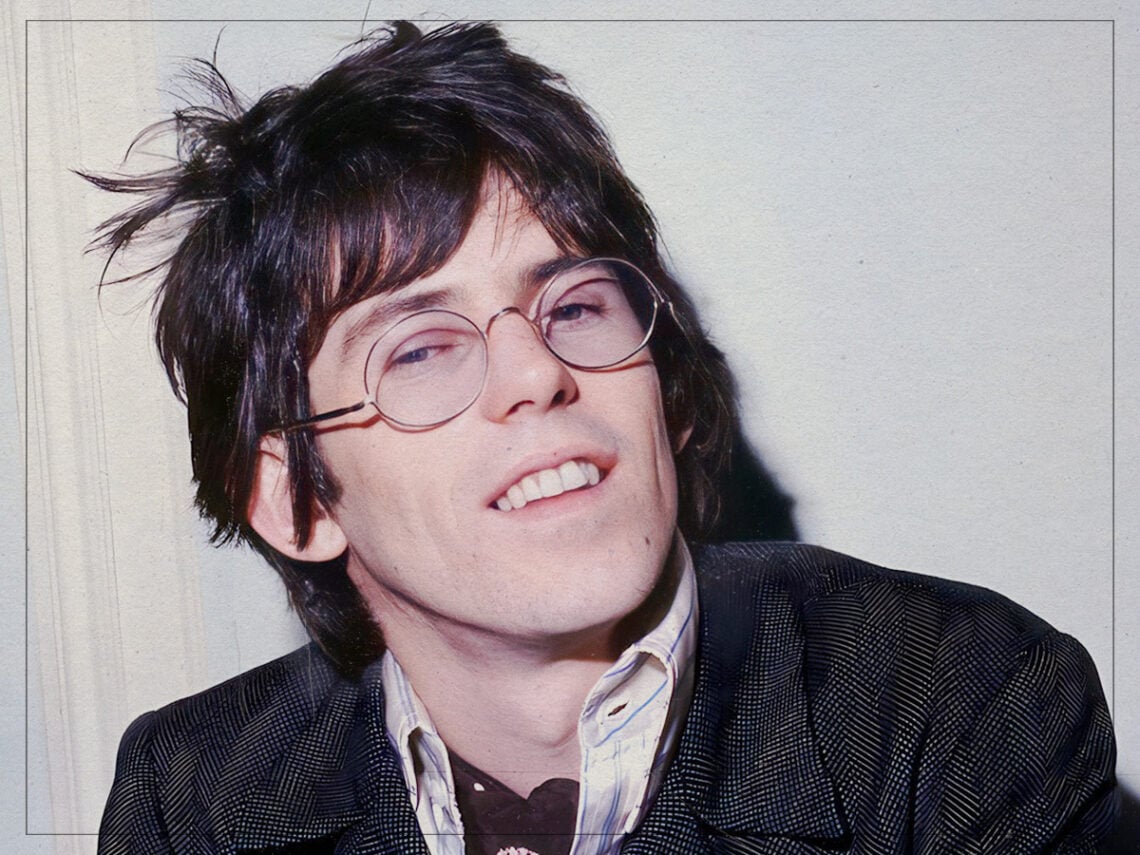
(Credits: Far Out / Alamy)
Sat 27 December 2025 9:41, UK
There’s a specific art that goes into being a rhythm guitar player. Even though the aspiring fretboard masters of the world want nothing more than to play a million notes a minute when they get onstage, the greatest guitarists of all time usually spend decades honing their sense of rhythm before they even think about soloing. While Keith Richards has his own vocabulary when it comes to rhythm guitar playing, he believed that one artist stood alone as one of the best players in the business.
The one thing to remember about Keith Richards is that while he certainly enjoyed being under the spotlight, he was rarely concerned with anything but the brilliance of the band. A good singer, a great drummer and a serious lead guitarist were all vital components, sure, but they need to work harmoniously. For Richards, the band was the most important thing, and it is why he loved rhythm guitarists so much.
Then again, it’s not like Richards also doesn’t have his fair share of lead moments. In the days between having Brian Jones and Mick Taylor in the group, Richards was known for laying down some of the most furious lead tones in The Stones’ catalogue, including the piercing lead tone on the solo for ‘Sympathy for the Devil’.
Aside from his lead work, Keef’s biggest strength was being able to conjure up guitar riffs out of the air. Both in standard tuning and with his traditional five-string open tuning, Richards turned in one monster riff after another through the 1960s and into the 1970s, from the foreboding atmosphere of ‘Gimme Shelter’ to the horn line that gave birth to hard rock on ‘Satisfaction’.
There is arguably nobody more influential than Richards when it comes to the creation of riffs. Too often are music lovers’ heads turned by the individualism of a solo. They are dramatic and engaging, so it is to be expected. But Richards always brought the chugging engine to every Rolling Stones song, and it is what makes the band tick.
 Keith Richards in the background of Mick Taylor. (Credits: Far Out / Alamy)
Coming from the rhythmic side, though, Richards was more inclined to lock in with Charlie Watts rather than grandstand. While he may have studied under guitarists like Chuck Berry, Richards had thought that strumming a guitar just the right way could give any decent band a sense of momentum, constantly pushing the group forward at every turn.
Before Berry started taking rock in a heavier direction, The Everly Brothers brought a melodic twist to rock and roll. Singing their twin harmony lines over country-tinger rock songs, Phil and Don Everly were known to anchor all of their songs with their signature acoustic rhythm guitars, giving a subtle push to songs like ‘Bye Bye Love’ and ‘All I Have To Do Is Dream’.
Although Richards was always bound to take the guitar in a slightly more sinister direction, he always respected what the Everlys could do. When going out on his first American tour with The Stones, Richards was shellshocked when he heard The Everlys in a live setting for the first time.
When recalling that time in his book Life, Richards thought that the band’s guitar chemistry was unmatched, recalling, “The best rhythm guitar playing I ever hear was from Don Everly. Nobody ever thinks about that, but their rhythm guitar playing is perfect. And beautifully placed to set up the voices. They were always very polite, very distant”.
Even though Richards would be borrowing from blues troubadours like Robert Johnson and Muddy Waters for his classics, he would take a few lessons from what the Everlys could do. On a handful of The Stones’ country-rock songs like ‘Wild Horses’, it’s easy to hear Richards playing in the Everlys mould, only giving the acoustic guitar a little push now and again to fit the lyric. The Rolling Stones may have had a habit of adding their signature darkness to everything, but that Everlys influence proved that there was some light shining beneath the surface.
Related Topics