Home » TOURISM NEWS » Zimbabwe’s Tourism Industry Sees Unprecedented Growth In 2025, With South Africa, Mozambique, And Zambia As Leading Source Markets For Foreign Arrivals
Published on
December 26, 2025

Zimbabwe’s tourism industry has experienced remarkable growth in 2025, driven by a significant increase in foreign arrivals, particularly from South Africa, Mozambique, and Zambia. This surge is a direct result of the country’s strategic marketing efforts, improved infrastructure, and a growing interest in its rich natural attractions, including safaris, wildlife, and cultural heritage sites. These factors have made Zimbabwe a top destination for travelers from neighboring countries and beyond.
In the third quarter of 2025, Zimbabwe experienced a significant rise in foreign arrivals, a result of a surge in both business travel and tourism, according to the latest data from the Zimbabwe National Statistics Agency. This increase is indicative of the country’s growing appeal as a destination for both business and leisure travel, signaling a positive trajectory for the nation’s tourism sector.
The number of business visitors to Zimbabwe rose by an impressive 43% year-on-year, with arrivals climbing from 82,454 in the same period the previous year to 118,496. This surge highlights the country’s expanding role as a business hub within the African continent, fueled by an improving economic environment and strategic investments in infrastructure and connectivity.
Tourism also played a crucial role in this growth, with international tourist arrivals increasing by 18%. As the largest group of foreign visitors, tourists remain central to Zimbabwe’s travel industry, drawn by the country’s rich cultural heritage, historical sites, and natural wonders. The increase in tourist arrivals demonstrates the success of Zimbabwe’s ongoing efforts to market itself as a premier travel destination in Southern Africa, attracting both regional and international visitors.
In total, the country saw 520,751 foreign visitors during the third quarter of 2025, a 15% rise from the same period in 2024. The growth in international arrivals is a promising sign for Zimbabwe’s tourism sector, particularly as it works to bounce back from the challenges faced in the previous years. When factoring in returning residents, the total number of arrivals reached 1,381,554, further illustrating the country’s appeal as a destination for both business and leisure.
The largest share of foreign visitors came from African countries, accounting for 58.9% of all arrivals. South Africa remains the leading source market, followed by Mozambique and Zambia. These neighboring countries continue to be vital contributors to Zimbabwe’s tourism industry, with regional visitors flocking to Zimbabwe’s vibrant cities, national parks, and cultural attractions. Additionally, the proximity of these countries to Zimbabwe makes it an accessible and convenient destination for short-term and weekend trips.
The rise in foreign arrivals is particularly significant for Zimbabwe’s long-term tourism strategy. The country has set an ambitious target to grow its tourism sector to US$10 billion by 2030. This goal will be achieved through a combination of efforts, including infrastructure upgrades, cultural tourism development, and policies focused on sustainability and heritage preservation. The government’s commitment to investing in tourism infrastructure, such as improving airports, hotels, and transportation networks, is essential to support the anticipated growth in visitor numbers.
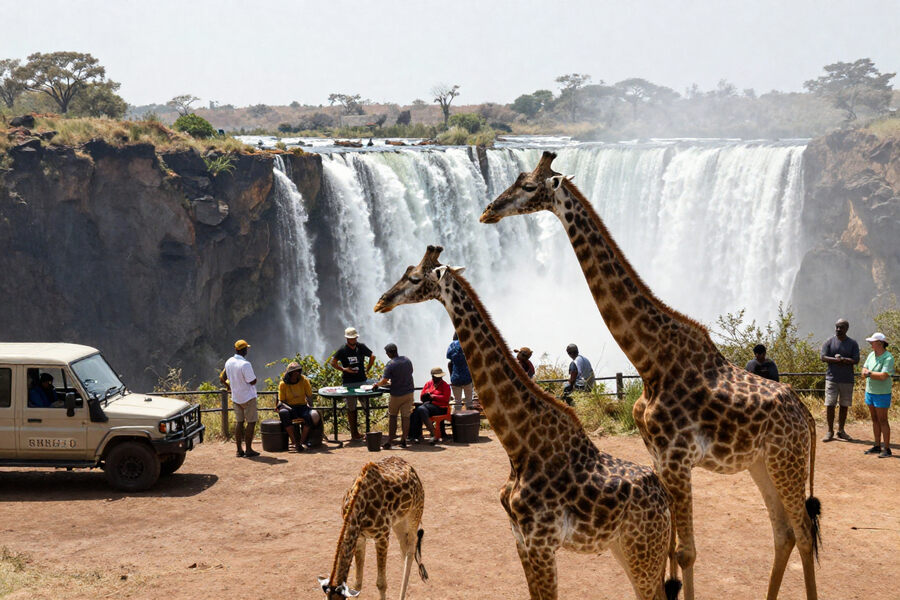
As part of its strategy, Zimbabwe is also focusing on diversifying its tourism offerings to cater to a wider range of travelers. The country’s natural beauty, including world-famous attractions such as Victoria Falls, Hwange National Park, and the Great Zimbabwe Ruins, remains a key draw for international tourists. However, there is also a growing emphasis on developing cultural tourism, promoting local heritage, and attracting visitors interested in eco-tourism and sustainability-focused experiences.
Zimbabwe is home to a rich cultural history, with numerous indigenous communities, traditional art forms, and festivals that showcase the country’s diversity. The government has placed a significant focus on preserving these cultural assets, while also encouraging the development of new tourism experiences that promote sustainable travel practices. This is aligned with the global trend towards more responsible tourism, where travelers seek destinations that prioritize environmental conservation and cultural preservation.
In addition to natural and cultural tourism, Zimbabwe is also investing in the expansion of its business tourism sector. The rise in business travel is indicative of the growing interest in Zimbabwe as a destination for meetings, incentives, conferences, and exhibitions (MICE). This sector has the potential to be a major driver of economic growth, as it attracts corporate travelers who often spend more and stay longer than traditional tourists. To support this growth, Zimbabwe is focusing on improving its conference facilities, expanding its hotel capacity, and enhancing the overall business travel infrastructure.
The growing number of foreign arrivals also provides a significant opportunity for the local economy, with tourism and hospitality playing a key role in job creation and poverty reduction. The tourism sector in Zimbabwe supports hundreds of thousands of jobs, both directly and indirectly, and is a vital contributor to the country’s GDP. As the number of visitors increases, so too does the demand for goods and services, leading to a positive ripple effect throughout various industries, from transportation and retail to agriculture and construction.
However, challenges remain, particularly in terms of further improving air connectivity, enhancing service standards, and addressing infrastructure gaps. Zimbabwe has made great strides in enhancing its tourism offerings, but continued investment and collaboration between the government, private sector, and local communities will be necessary to fully realize the potential of the tourism industry. Additionally, there is a need for improved marketing and destination branding to attract even more international tourists and establish Zimbabwe as a must-visit destination on the global tourism map.
Zimbabwe’s tourism industry has seen unprecedented growth in 2025, with South Africa, Mozambique, and Zambia leading as key source markets. This surge is fueled by enhanced infrastructure, targeted marketing, and growing interest in Zimbabwe’s natural and cultural attractions.
the increase in foreign arrivals to Zimbabwe in the third quarter of 2025 is a clear indication of the country’s growing appeal as a business and leisure destination. With strategic investments in infrastructure, sustainability, and cultural tourism, Zimbabwe is well-positioned to achieve its ambitious goal of becoming a US$10 billion tourism industry by 2030. As more international visitors flock to the country, the tourism sector will continue to play a crucial role in driving economic growth, job creation, and sustainable development. The path ahead looks promising, and Zimbabwe’s tourism future appears bright.
