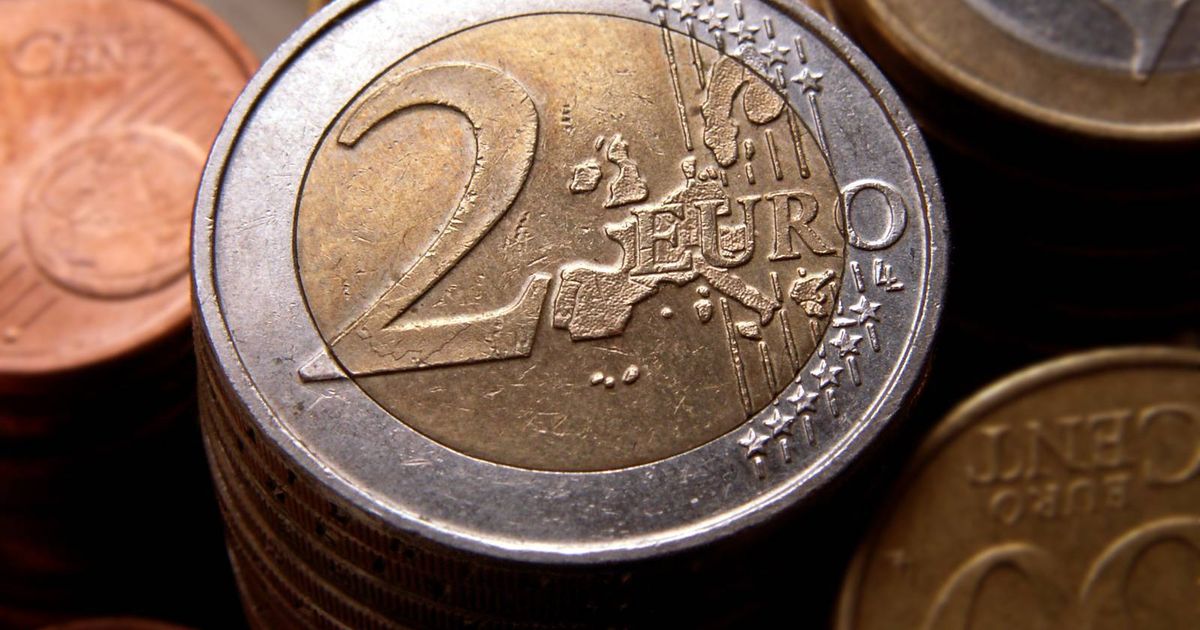
The coin in question dates back to Ireland’s first year of euro introduction and is distinguished by both its creative artwork and groundbreaking technical features
18:20, 27 Dec 2025Updated 18:23, 27 Dec 2025
Irish punters are being urged to have a dig around in their pockets or delve behind their sofa cushions for an elusive €2 coin that could fetch a tidy sum at auction. The coin in question hails from Ireland’s inaugural year of adopting the euro.
It stands out due to its artistic design and pioneering technical aspects. Like all Irish euro coins, the national side was masterfully engraved by renowned artist Jarlath Hayes.
It features the iconic Celtic harp, a timeless symbol of Ireland’s rich cultural heritage. The harp takes centre stage on the coin, with “Éire” to the left and the minting year, 2002, to the right.
Encircling this core design are the 12 stars symbolising the European Union, embodying unity among all member states. The common side of the €2 coin remains uniform across the eurozone, though two distinct versions exist.
Coins minted between 2002 and 2006 showcase an earlier map of Europe with fewer border markings, which can be appealing to collectors, reports Galway Beo.
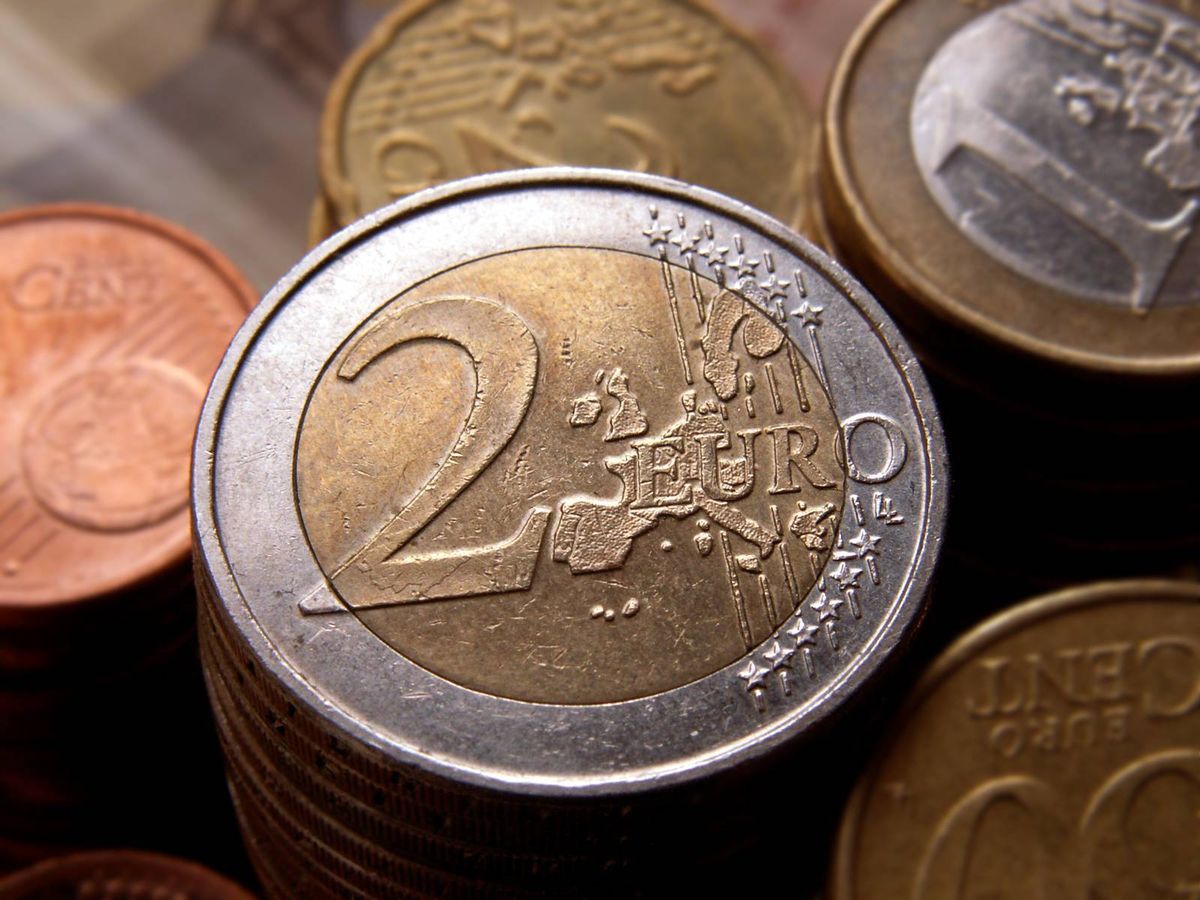 Two Euro coin in front of other coins(Image: AndreasWeber via Getty Images)
The 2002 Irish Euro coins may hold value for collectors as they mark the first year of issue. While most 2002 Irish €2 coins are standard, some are highly sought after by collectors.
Keep an eye out for rare minting errors that could make these coins significantly more valuable. These include die cracks and splits, twisted dies, and incorrect edge lettering.
To identify these flaws, place coins under bright light and use a magnifying instrument if necessary. Errors aren’t the only lucrative aspects to keep an eye out for.
The Irish Mint started manufacturing starter kits towards the end of 2001, featuring the new coins. Pieces from these sets – especially in their original packaging – might command a pretty penny today.
On eBay, we discovered coins being flogged for nearly €50, with those exhibiting misprints sometimes commanding prices more than triple that amount.
Five ways to spot rare coins:
- Examine the year and mint mark – Certain years have lower mintages, which are typically more desirable. Look out for mint marks or unique symbols that signify a limited edition or a specific mint
- Search for commemorative and special editions – Each eurozone country releases 2-euro commemorative coins, often in limited numbers
- Evaluate the country of origin – Coins from countries with smaller populations (Monaco, San Marino, Vatican City, Andorra) are produced in much fewer quantities and are therefore scarcer
- Inspect for errors or misprints – Coins with minting mistakes (double strikes, off-centre designs, missing elements) can be extremely valuable
- Consult the experts – You can arrange a meeting with a professional or utilise apps and online searches to determine if the coins might be worth more than you’d anticipate
Subscribe to our newsletter for the latest news from the Irish Mirror direct to your inbox: Sign up here.