The 1990s represented a strange transition period for television history, sitting right between the episodic comfort food of the broadcast era and the serialized prestige drama boom that would follow in the early 2000s. While history often remembers the decade for its massive sitcom juggernauts like Friends and Seinfeld, there was a dark and experimental undercurrent bubbling beneath the surface of network schedules. Emboldened by the unexpected success of The X-Files and the cult devotion surrounding Twin Peaks, executives began greenlighting high-concept ideas that defied traditional categorization. These shows often blended genres, introduced morally ambiguous protagonists, and utilized visual effects that pushed the boundaries of what was possible on a television budget at the time.
Unfortunately, the infrastructure required to support these ambitious narratives simply did not exist yet. There were no streaming services to allow for binging complex arcs, and DVRs were not yet a household staple to save a show from a death slot on Friday nights. As a result, many brilliant TV concepts were canceled before they could find the audience that would have inevitably embraced them a decade later. It is time to look deeper into the archives and resurrect the shows that were too weird, too smart, or too dark for the 1990s but would be absolute hits nowadays.
7) Bakersfield P.D.
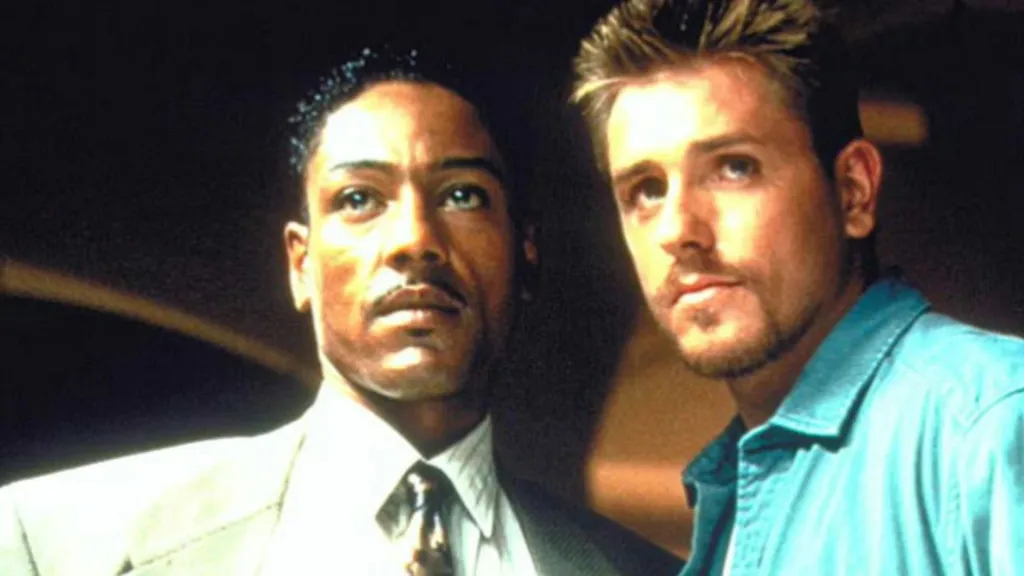 Image courtesy of Fox
Before The Office popularized the single-camera workplace comedy and Brooklyn Nine-Nine made police precincts lovable, there was the criminally underseen gem Bakersfield P.D. The series centers on Paul Gigante (Giancarlo Esposito), a sophisticated detective from Washington, D.C., who is forced to relocate to the culturally barren landscape of Bakersfield, California. He is partnered with Wade Preston (Ron Eldard), a well-meaning but dim-witted officer who bases his entire understanding of law enforcement on cop movies and television shows. The show was revolutionary for its time because it completely abandoned the laugh track and relied on absurdity-laced humor that felt more like an independent film than a primetime sitcom. It failed because audiences in 1993 were not ready for a comedy that did not tell them when to laugh, but the modern viewer would devour its deadpan tone.
6) VR.5
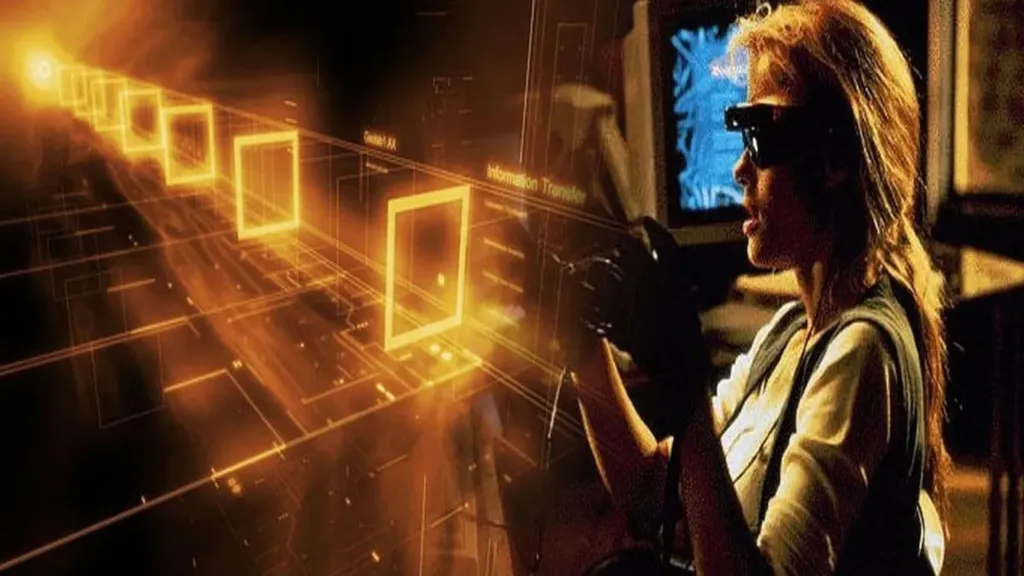 Image courtesy of Fox
Virtual reality is now a tangible part of our daily lives, but in 1995, it was a mysterious frontier that served as the backdrop for the cyberpunk thriller VR.5. The story follows Sydney Bloom (Lori Singer), a reclusive telephone line worker who discovers she can enter a virtual dimension by using an advanced VR rig. This digital plane allows her to access the subconscious minds of other people, eventually drawing the attention of a shadowy organization known as The Committee. While the 1990s CGI looks primitive by today’s standards, the show’s atmosphere was impeccably moody, using color grading to distinguish between the drab real world and the vibrant virtual stylistic landscapes. However, the show aired during an era when the internet was still in its infancy, making the high-concept premise feel like impenetrable science fiction to the general public.
5) Aeon Flux
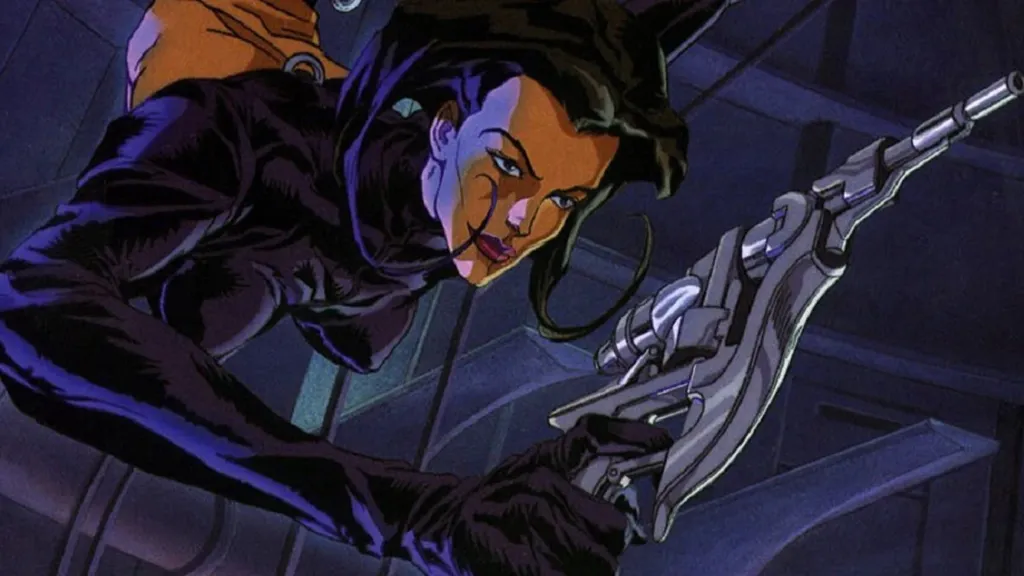 Image courtesy of MTV
Most people associate Aeon Flux with the disastrous 2005 live-action film, but the original animated series that aired on MTV was a masterpiece of avant-garde science fiction. Created by Peter Chung, the show is set in a bizarre dystopian future where the anarchist nation of Monica wars with the police state of Bregna. The title character, Aeon Flux (voiced by Denise Poirier), is a leather-clad secret agent who engages in a lethal dance of death with her nemesis and lover, Trevor Goodchild (voiced by John Rafter Lee). The original cartoons were often silent and relied on visual storytelling that was both grotesque and beautiful, challenging the viewer to decipher the complex morality of the world. Because it was aired on a music channel and refused to adhere to linear storytelling, Aeon Flux never broke through to the mainstream, yet its influence on adult animation remains massive.
4) Brimstone
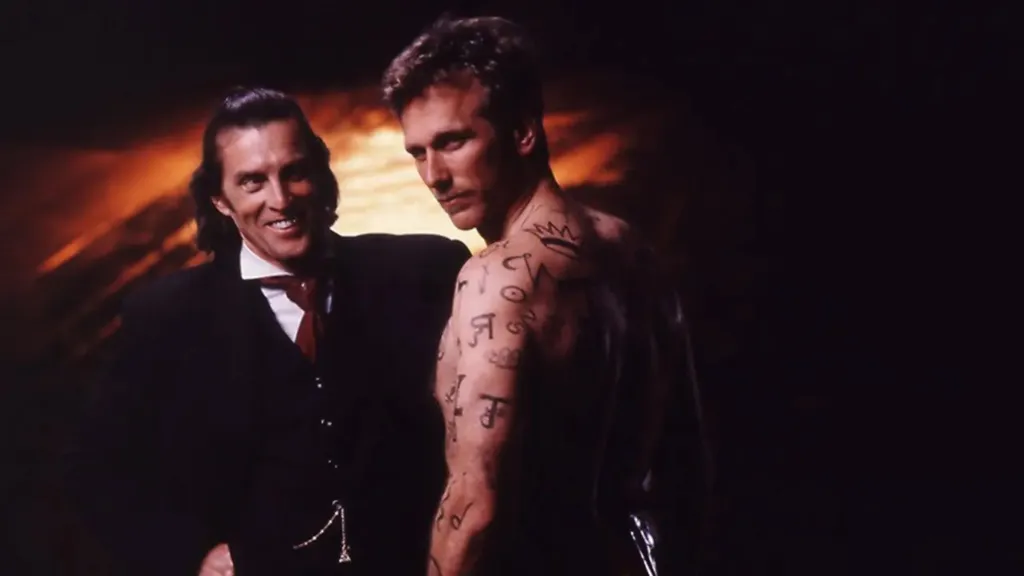 Image courtesy of Fox
The supernatural procedural is a staple of television, but Brimstone approached the genre with a unique mythology that deserves a second life. The series stars Ezekiel Stone (Peter Horton), a dead police detective who is sent to Hell for murdering his wife’s rapist. He is given a chance at redemption when 113 of the most evil souls in history escape the underworld, and the Devil (John Glover) tasks him with hunting them down. Stone is tattooed with 113 arcane symbols, and one burns off each time he sends a fugitive back to the pit. The chemistry between the weary Stone and the delightfully snarky Devil was electric, creating a buddy-cop dynamic that was miles ahead of its time. Unfortunately, Brimstone failed to capture a wide viewership due to its dark tone and a difficult Friday night time slot that has claimed many ambitious genre shows.
3) The Maxx
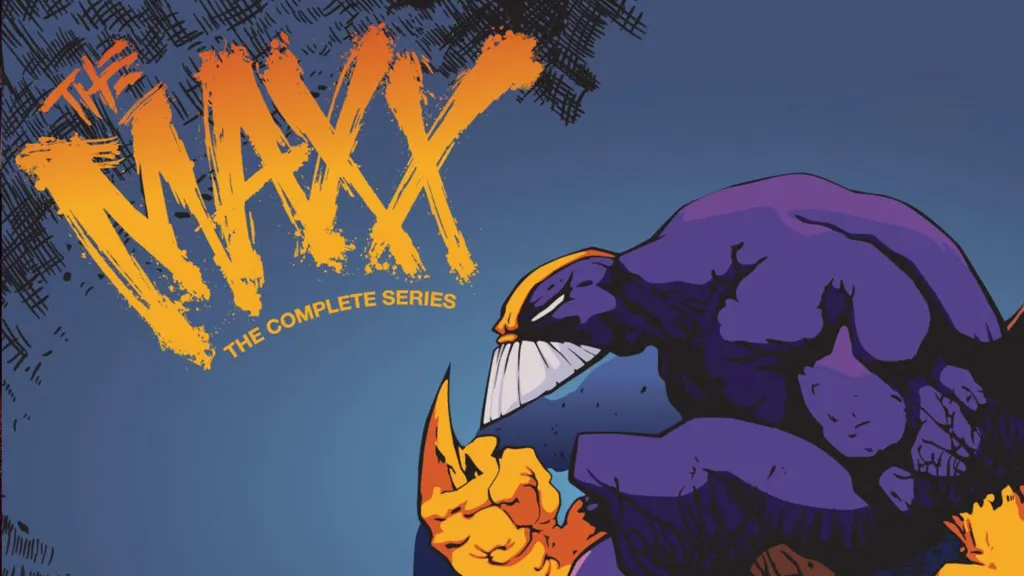 Image courtesy of MTV
MTV Oddities produced one of the most psychologically dense comic book adaptations of all time with The Maxx. Based on the comics by Sam Kieth, the show follows a homeless man known as The Maxx (voiced by Michael Haley) who believes he is a superhero in a parallel dimension called The Outback. In this primal reality, he protects the Jungle Queen, who is actually his cynically depressed social worker, Julie Winters (voiced by Glynnis Talken), in the real world. The series deals with heavy themes of dissociation and the way victims create fantasy worlds to cope with pain. As such, it was a dark exploration of mental health disguised as a superhero cartoon. Its failure to find a broader audience was largely due to its unconventional art style and the disturbing nature of its narrative, which was too sophisticated for the average cartoon viewer in the mid-1990s. Still, The Maxx is a superhero who deserves another animated series.
2) Now and Again
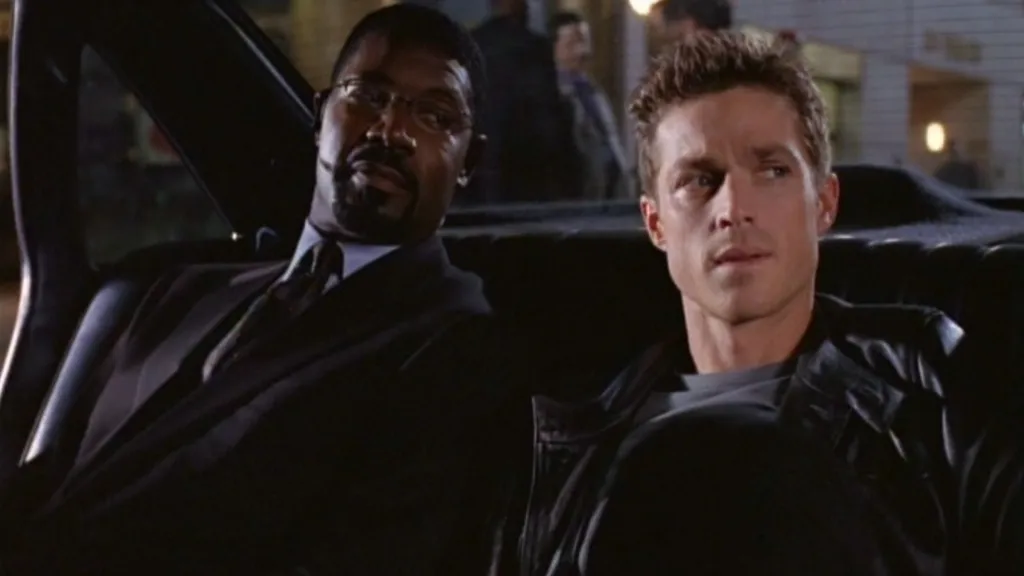 Image courtesy of CBS
Mixing high-stakes espionage with suburban family drama, Now and Again was a show with a heart that beat incredibly loud. The pilot begins with the death of Michael Wiseman (John Goodman), an overweight insurance executive who is subsequently resurrected by the government in a genetically bio-engineered perfect body (Eric Close). He is forced to work as a secret agent for the cold Dr. Theodore Morris (Dennis Haysbert) and is strictly forbidden from contacting his grieving wife and daughter. Based on this premise, Now and Again excelled at balancing the cool factor of Michael’s new physical abilities with the emotional torture of watching his family move on without him. Despite critical acclaim and a Saturn Award, CBS canceled Now and Again because it was expensive to produce and did not fit the network’s traditional demographic, leaving fans on a permanent cliffhanger.
1) Profit
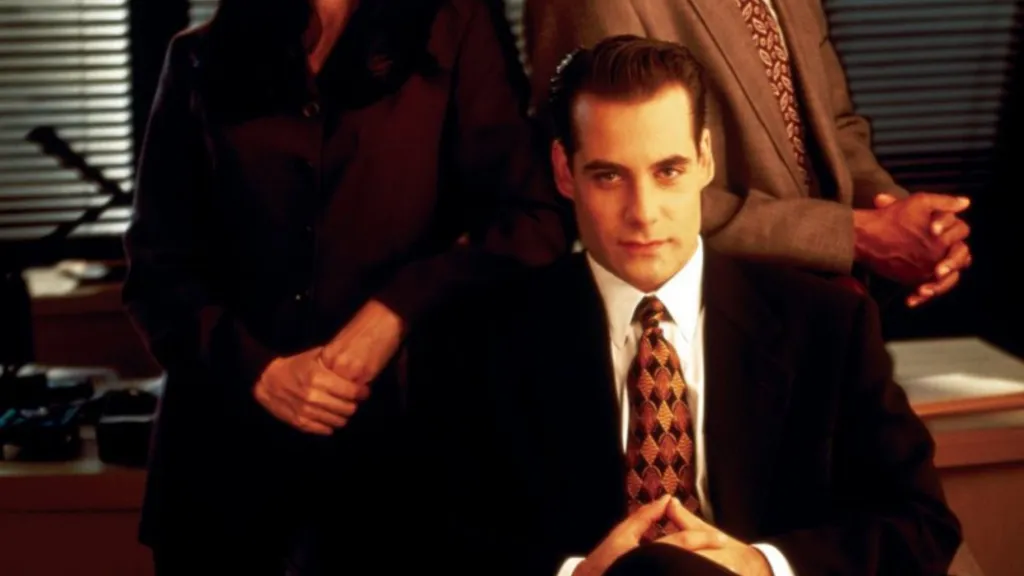 Image courtesy of Fox
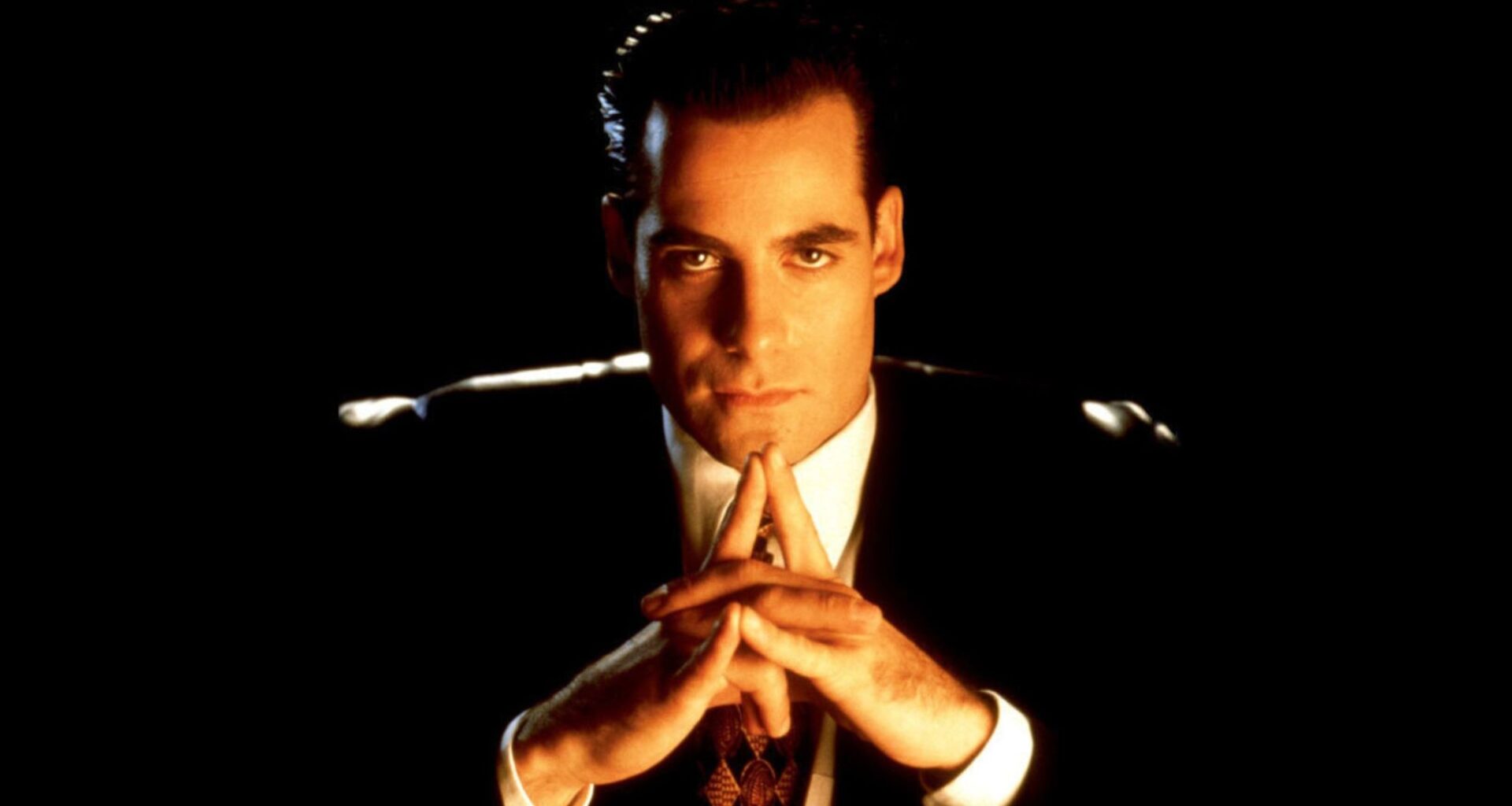
Jim Profit (Adrian Pasdar) was the Tony Soprano of the corporate world years before cable television made anti-heroes cool. Profit follows a junior executive at a massive conglomerate who employs blackmail and psychological warfare to climb the corporate ladder. Unlike other shows where the villain is the antagonist, Profit forced the audience to root for the bad guy as he systematically dismantled the corrupt system around him. The show was so cynical and uncomfortable that Fox canceled it after only a few episodes, fearing that the protagonist was too amoral for mainstream viewers. Today, audiences are obsessed with villainous leads, making this the perfect time to bring back one of the most ahead-of-its-time concept in television history.
Which 1990s TV show would you most like to see return to the screen? Leave a comment below and join the conversation now in the ComicBook Forum!