One is the loneliest number that you’ll ever do.
Two can be as bad as one.
It’s the loneliest number since the number one.Aimee mann
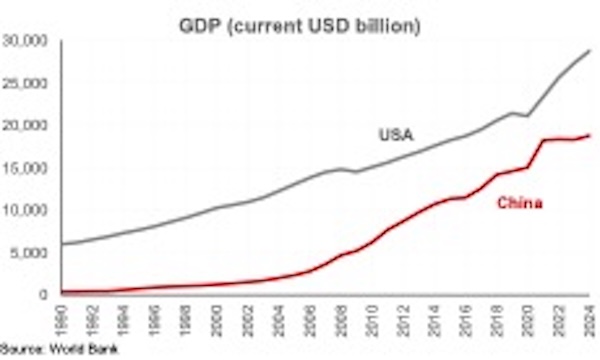
China is the world’s second largest economy.
Despite having outgrown all other economies since its 1949 founding, the People’s Republic of China still has a ways to go before catching up to the United States, especially in recent years as the property downturn hobbled China’s growth and a strong dollar buoyed US nominal GDP.
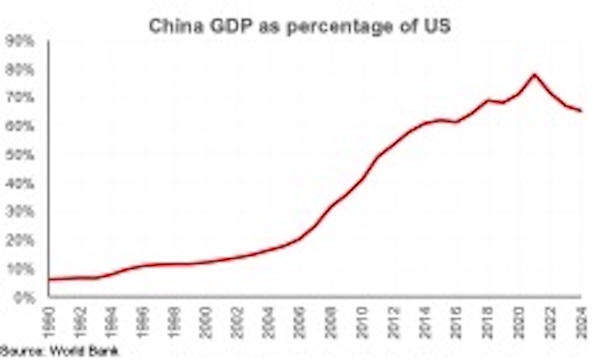
China’s nominal GDP as a percentage of the US GDP actually has fallen, from 78% in 2021 to 65% in 2024.
Many analysts and economists have started questioning whether China will ever close the gap. Or will it forever be the world’s second largest economy?
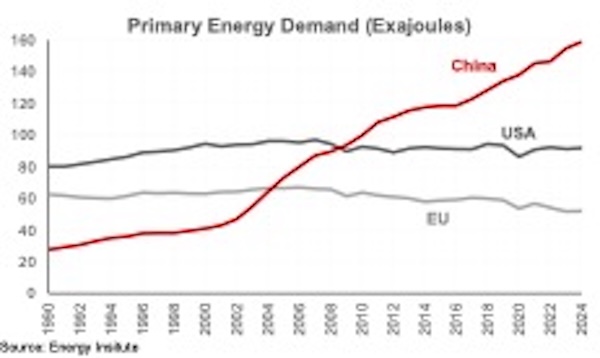
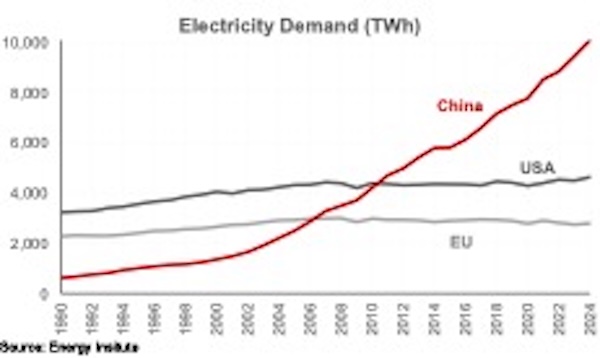
The world’s second largest economy is a voracious user of energy, consuming over twice as much electricity as and 73% more primary energy than the world’s largest economy. Of course the world’s largest economy is an advanced service economy and does not require massive amounts of energy like the still industrial second largest economy.
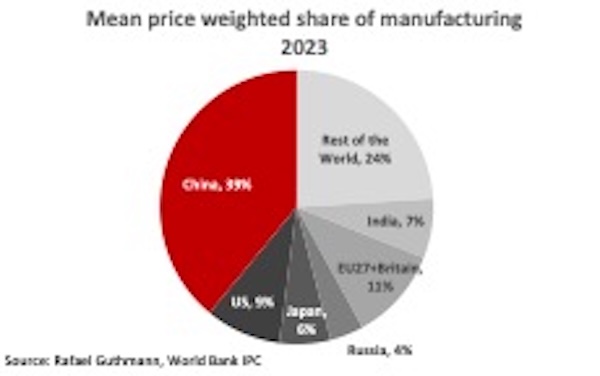
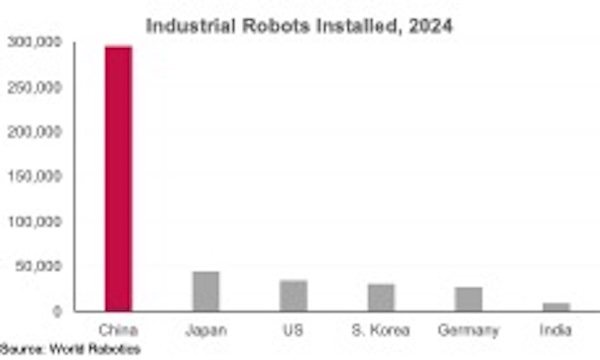
The world’s second largest economy is, of course, the factory of the world with a priced weighted share (purchasing power parity) of manufacturing over four times that of the largest economy in 2023. The second largest economy is doubling down on advanced manufacturing, installing 8.6 times as many industrial robots as the largest economy did in 2024.
The second largest economy will do what second largest economies do. The world’s largest economy has long been a service economy, after all, and surely more than makes up for the second largest economy’s industrial output with world class healthcare, education, imputed rent and financial services.
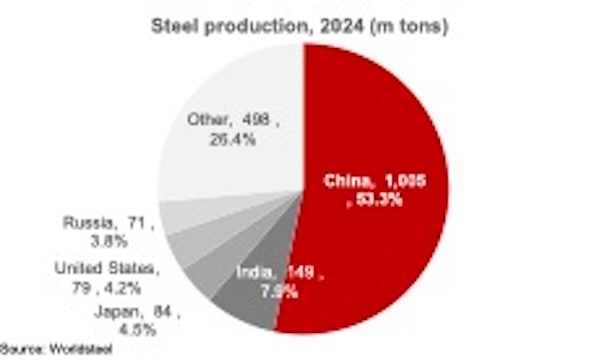
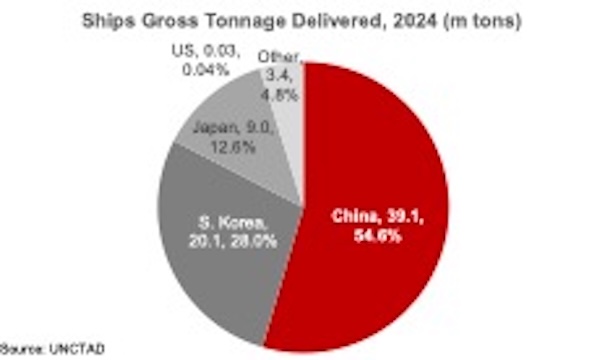
In heavy industry, the second largest economy produced 12.7 times as much steel as the largest economy and delivered over 1,000 times the gross tonnage of commercial ships in 2024. These are, of course, dirty, low-return, low-tech, legacy industries that the advanced high tech economies such as that of the United States had long since abandoned.
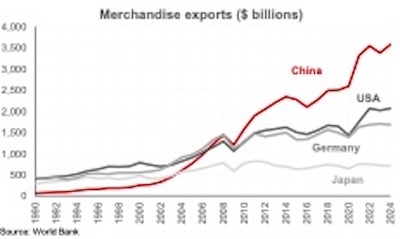
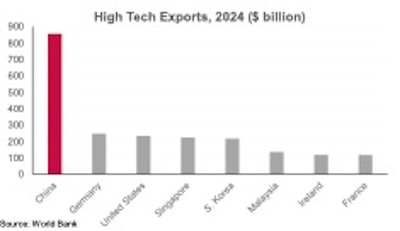
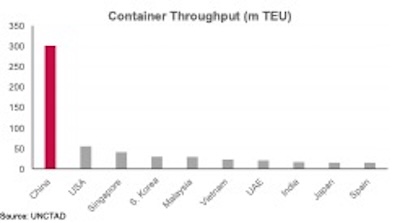
As such, the world’s second largest economy is the world’s largest exporter by a wide margin, shipping 73% more merchandise by value than the largest economy. In high-tech goods, the margin is larger with the world’s second largest economy exporting 3.7 times more merchandise than the largest economy. Ports at the world’s second largest economy handle 5.4 times the container traffic of the largest economy.
All of this is, of course, only the goods trade. The world’s largest economy is a service economy and surely makes up for much of the gap with Hollywood films, university educations, Wall Street deal making and surrogate baby services for video game billionaires.
At first glance, consumption by the world’s second largest economy does not appear all too shabby, accounting for 34% of the world’s industrial output on a purchasing power basis, nearly three times that of the world’s largest economy.
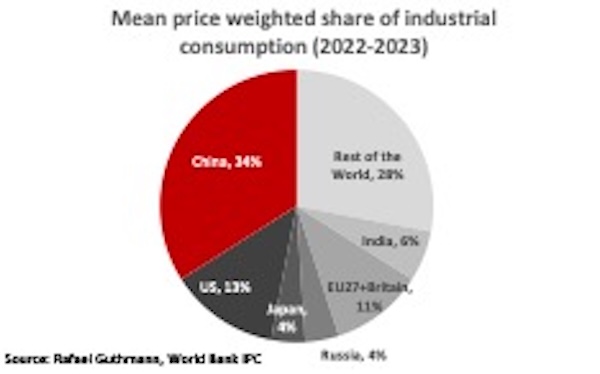
Mind you, this is consumption of industrial output.
The world’s largest economy more than makes up for that in the services it consumes. Healthcare, child care, tuition and Taylor Swift tickets are expensive in the world’s largest economy.
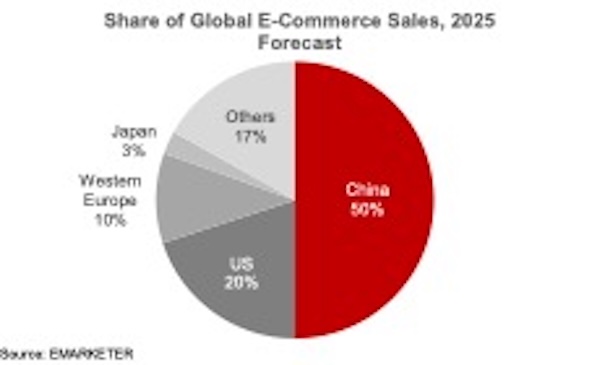
On the retail level, the second largest economy accounts for half of the world’s e-commerce sales (2.5 times that of the largest economy). These sales generated five times the number of parcel deliveries as the largest economy reported, suggesting that consumers in the second largest economy are not just buying more online but getting more “stuff” for their money.
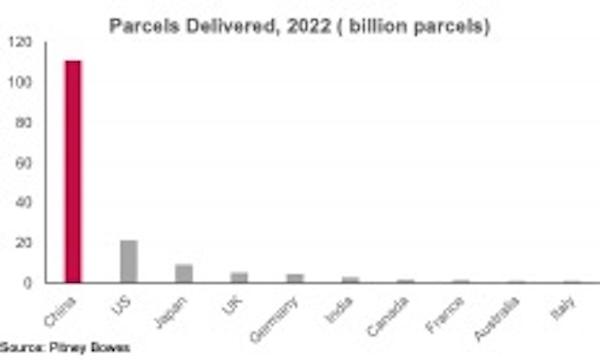
Parcels count should not be relevant, though, as nominal economic size is determined by value, not by “stuff.” Besides, the bulk of the consumption for the largest economy is, awe previously pointed out, expensive services like healthcare, housing, childcare, education and yoga instructors.
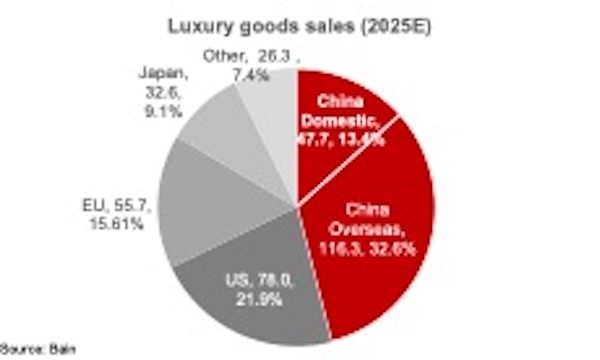
The world’s second largest economy accounts for 46% of the world’s luxury goods sales, twice as much as the largest economy. This is relevant to the GDP of neither the largest nor the second largest economy as both economies import luxury goods from Europe (or, in the second largest economy’s case, go on shopping sprees during European holidays).
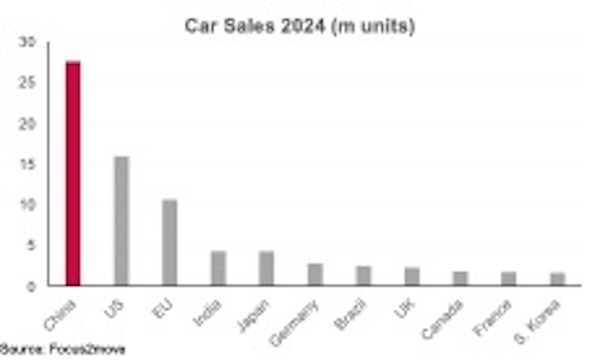
The second largest economy accounts for nearly a third of the world’s car sales (73% more than the largest economy). Car sales are also misleading as the average price of a car in the largest economy is twice that of the second largest economy, more than making up for the fewer cars sold.
A 286 horsepower midsize Honda Pilot SUV selling for $50,000, the average car price in the largest economy, costs (and adds to GDP) twice as much as a 590 horsepower full-size Onvo L9 SUV selling for $25,000, the average car price in the world’s second largest economy.
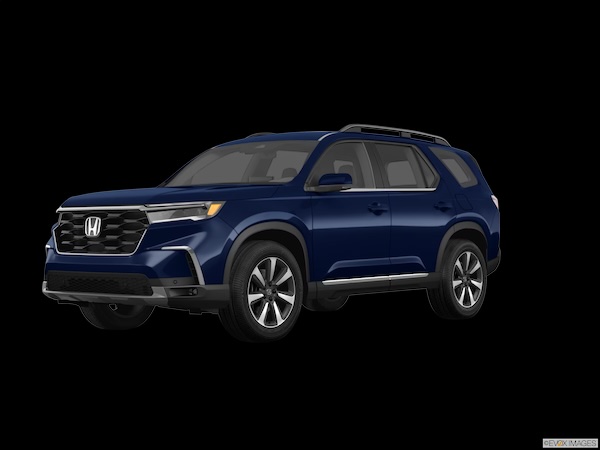
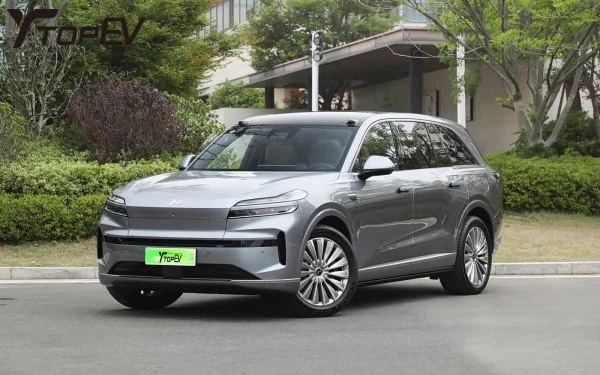
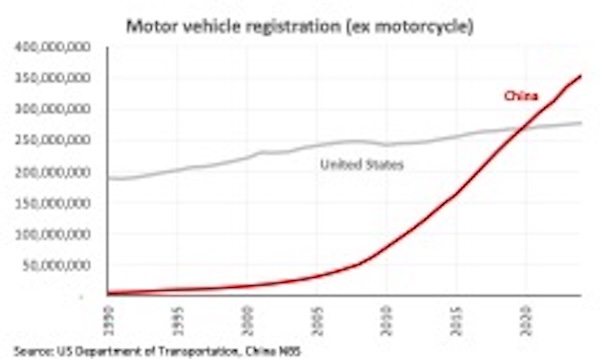
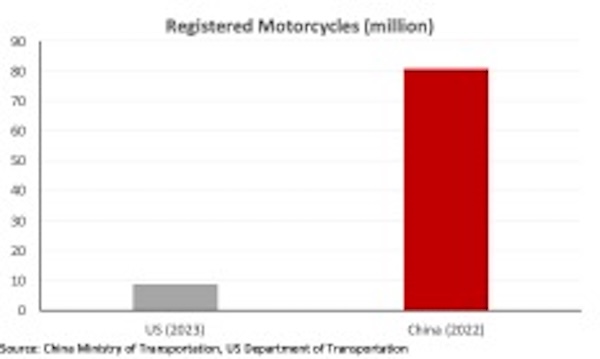
The world’s second largest economy is in the process of filling up its newly constructed roads. Motor vehicle registrations in the second largest economy surpassed 270 million in the largest economy in 2020 and is growing by about 20 million vehicles per year. There are over 33% more vehicles (58% including motorcycles) on the roads of the second largest economy than on the largest economy’s roads. These are, as illustrated above, cheap vehicles worth half as much as the pickup trucks and SUVs on the roads of the largest economy.
The highway system of the world’s second largest economy is now over twice the length of the highway system in the largest economy. With far higher urban population density, it is unlikely that the second largest economy will ever match the car penetration of the largest economy. Total vehicles on the road, however, will still plateau at over twice the number in the largest economy.
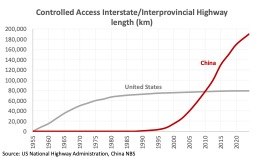
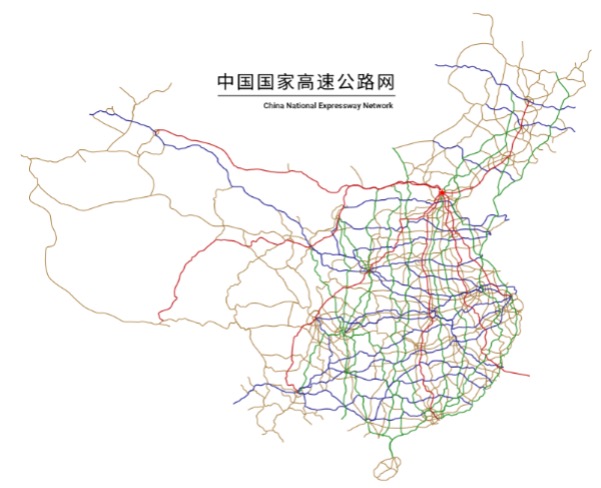
This does not change much as vehicles in the largest economy sell for much higher prices than vehicles in the second largest economy. The highways in the world’s second largest economy may be twice as long but they were surely built at a fraction of what they would cost in the world’s largest economy and, as such, they are worth a fraction of the capital stock.
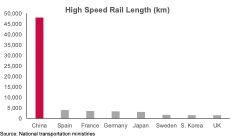
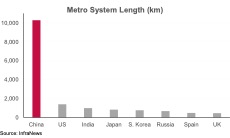
Because of is population density, the world’s second largest economy has built extensive public transportation networks. The world’s second largest economy has 65% of the world’s high speed rail (48,000 km versus a negligible 136 km in the largest economy). The second largest economy has many highly populated cities that support 44 metro systems with a combined length of over 10,000 km, over seven times the combined length of the 16 metro systems in the largest economy.
Citizens in the world’s largest economy love to drive their expensive private vehicles for trips both long and short and do not like public transportation, leaving many metro and train systems underused and in disrepair. People in the world’s largest economy are wealthy enough not to have to rely on public transportation.
Nonetheless, the subways and trains that are built in the world’s largest economy are multiple times more expensive per kilometer than those built in the second largest economy. This is all GDP, which helps the largest economy remain the largest economy.
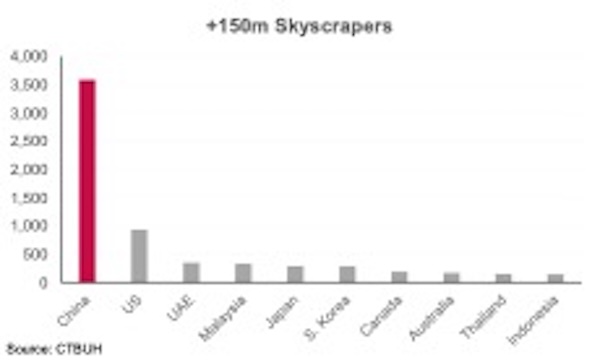
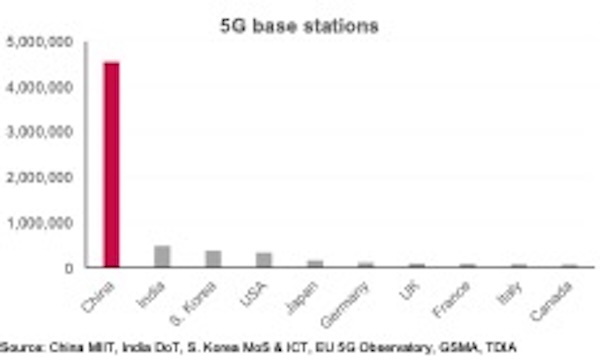
The world’s second largest economy has four times the skyscrapers over 150 meters and five times those over 200 meters compared with the world’s largest economy. The second largest economy is also wired up with 13 times the 5G base stations possessed by the largest economy.
Like transportation infrastructure, the skyscrapers and 5G systems built in the world’s largest economy are multiple times as expensive as the second largest economy and worth that much more. It is, after all, the world’s largest economy.
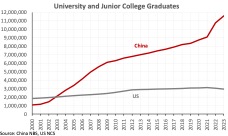
A quarter century ago 8% of students in the world’s second largest economy went on to tertiary education. By 2024, 77% of students in the second largest economy enrolled in tertiary education, right in line with the 79% (2022) for the largest economy. In 2025, 12.2 million students in the world’s second largest economy graduated from college (two and four year programs) versus 3.2m in the largest economy.
College tuition in the world’s second largest economy is a small fraction of tuition in the world’s largest economy. Tertiary education is a giant industry in the world’s largest economy with an estimated $1 trillion in revenue per year versus a mere $265 billion in the world’s second largest economy.
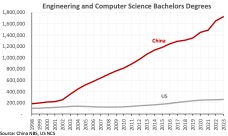
In 2023, 1.7 million engineering and computer science students graduated with bachelor’s degrees from universities in the world’s second largest economy, 6.7 times the 250,000 from the world’s largest economy.
The world’s largest economy is very wealthy. Its students can afford to pay nosebleed tuition. They can even spread out tuition payments over a lifetime. Consumer finance is a highly developed industry in the world’s largest economy. These wealthy students also do not need to be as practical and can pursue their passions such as theatre, comparative literature, women’s studies and communications instead of engineering.
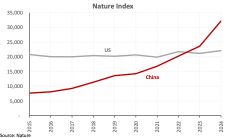
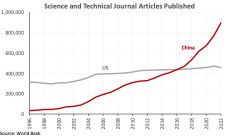
Universities in the world’s second largest economy have been on a desperate rampage and are now pumping out twice as many scientific papers as universities in the largest economy. The second largest economy surpassed the largest economy in the Nature Index (which tracks publications in top journals) in 2022 and has since opened up a significant lead. This corroborates the lead that the second largest economy has in the top 1% of scientific papers as ranked by citations as well as patent applications.
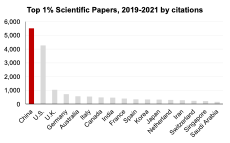
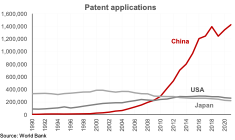
This is reflected in how universities and other research institutions in the world’s second largest economy merely dominate the regular Nature Index rankings but sweep the Applied Science Nature Index rankings. (Okay, the National University of Singapore is ranked 30th.)
Because the world’s second largest economy is still a developing country, its universities and research institutions would of course concentrate on more practical applied science versus pure science research.
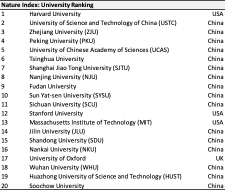
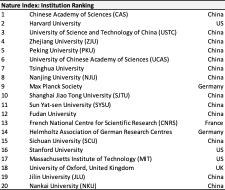
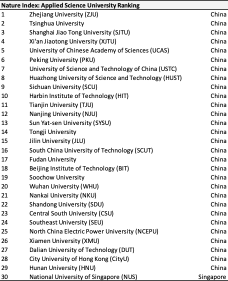
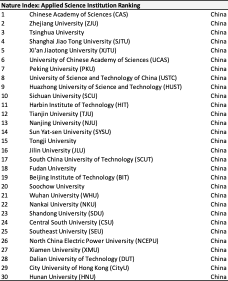
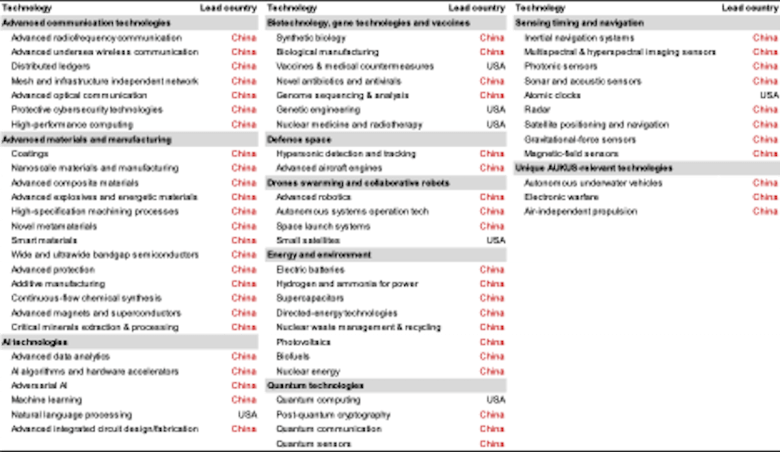
The world’s second largest economy also dominates the Australian Strategic Policy Institute (ASPI) technology tracker, leading in 66 out of 74 (89%) crucial technologies. While this may appear to be a dramatic turn of events from the turn of the century, when the second largest economy led in just 5% of technologies tracked, it is, instead, just what developing economies do. Developing economies such as the world’s second largest economy have to pour their limited resources into applied science, as illustrated above. And when they do, of course the result would be leadership across practical technologies.
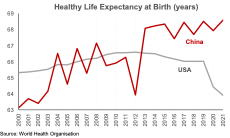
Both the largest economy in the world and the second largest have the same life expectancy of 79 years as of 2024. Citizens of the second largest economy, however, have a healthy life expectancy (years lived free from disease or injury) of about 68.5 years, 2.5 more years than citizens of the largest economy (2019 pre-Covid data).
This is, of course, because citizens of the second largest economy cannot afford to be as gluttonous as citizens of the largest economy. While the world’s second largest economy consumes over three times as much meat and seafood as the largest economy, consumption is 23% less on a per capita basis. And as such, the world’s second largest economy suffers less from obesity related ailments such as heart disease, diabetes and hypertension.
In 2024, healthcare was a $5 trillion dollar industry in the world’s largest economy versus $1 trillion in the second largest economy. It takes a lot of GDP to treat obesity related ailments like heart disease, diabetes and hypertension.
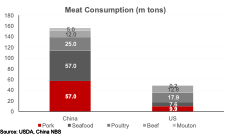
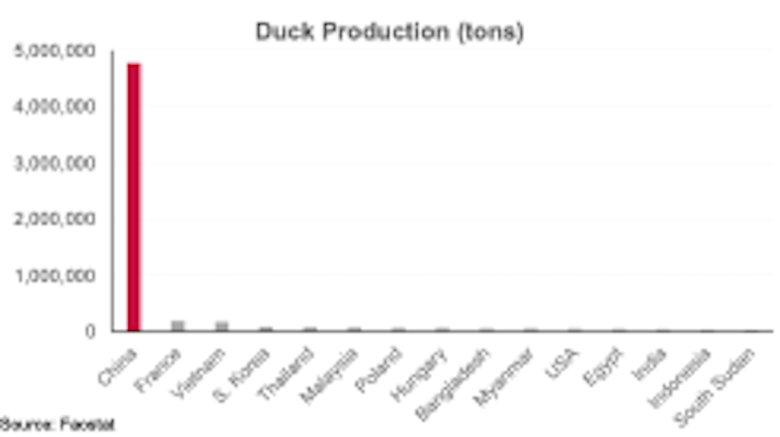
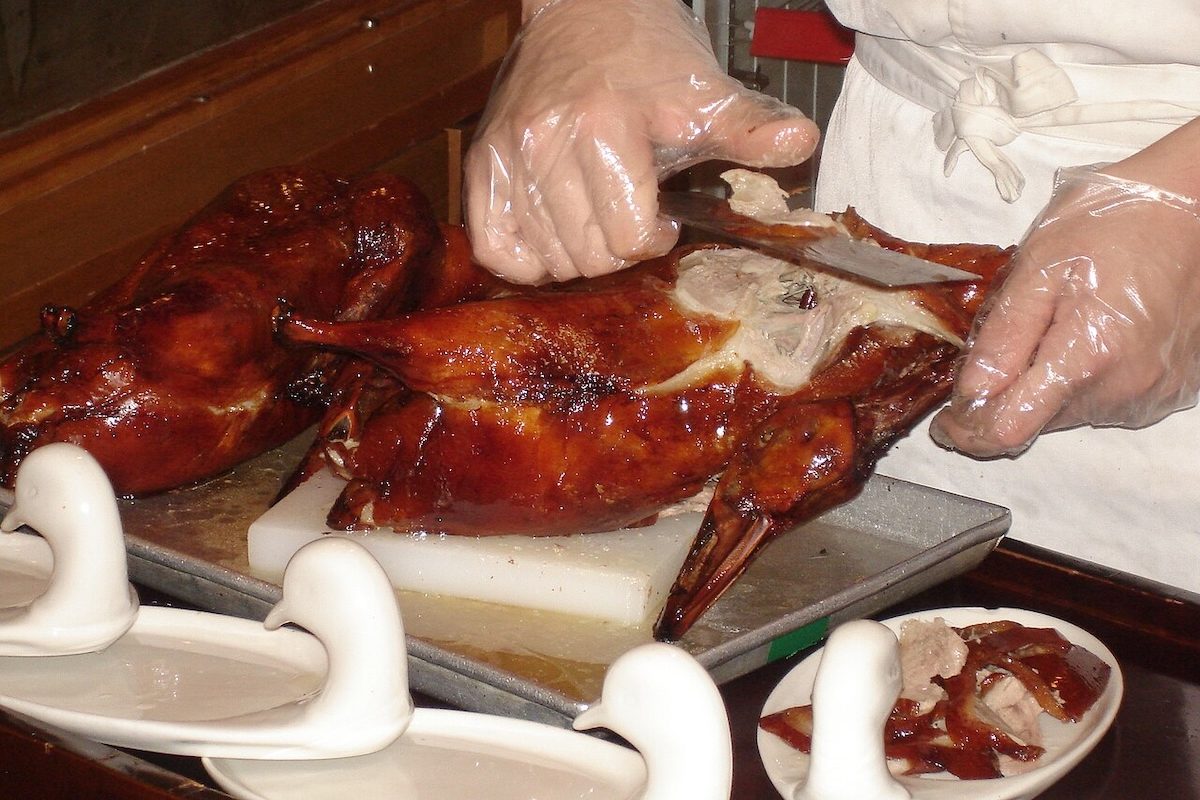
Speaking of meat, duck production by the world’s second largest economy is 92 times that of the largest economy. This is astonishing – 92 times! That is an astronomical discrepancy. It almost makes us wonder whether China actually is the world’s second largest economy.