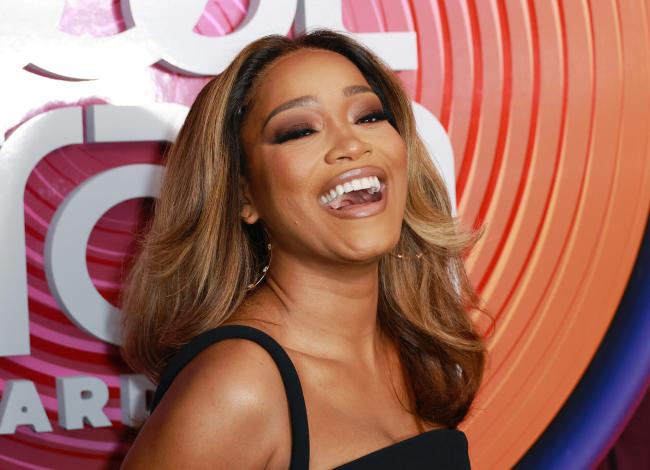
Few spaces have allowed Black music to thrive as much as Soul Train. The iconic variety show launched its eponymous music awards in 1987; the Soul Train Music Awards quickly became established as a touchstone of Black culture, a celebration of music and performance set apart from the Grammys and other mainstream-focused ceremonies. In an industry that often overlooks Black artists, particularly R&B musicians, for awards, the Soul Trains provided a singular space for such performers to be recognized. However, despite their importance, BET announced earlier this year that the Soul Train Awards have been halted indefinitely. The loss of such a forum to honor Black music reveals both the struggles of the industry overall and the challenge to reward artists often ignored by the Recording Academy.


Soul singer-songwriter Ari Lennox briefly touched on the importance of the show to pure R&B music in 2019. She said that in terms of being recognized, “it wasn’t any awards show. It was the Soul Train Awards,” where she expected to be acknowledged while being “definitely prepared” to be snubbed by other major award shows. To Lennox’s point, many R&B acts don’t expect their work to be honored by predominantly white voting bodies that tend to favor pop-skewing acts. While the Soul Trains did embrace popular artists, they also turned a spotlight on lesser-known names. For Lennox, being nominated at the Soul Trains meant that she had a platform to promote and be celebrated for her work. Over the course of her career she has tallied 11 Soul Train nominations, including multiple for Album of the Year, while only receiving one Grammy nom as a featured performer on a rap record.
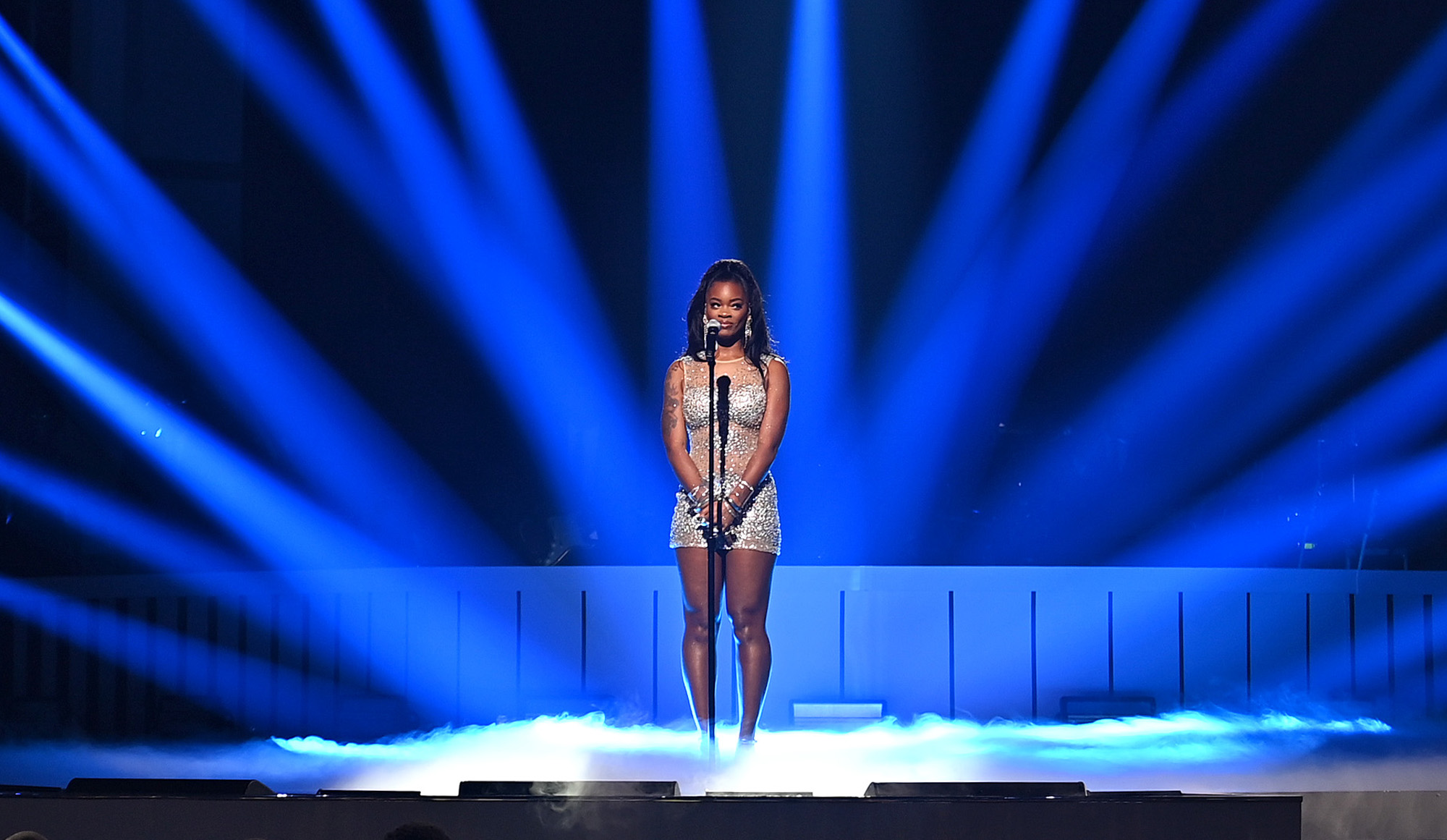 Ari Lennox performs onstage during the 2022 Soul Train Awards Paras Griffin/Getty Images for BET
The inability of other music award shows to catch up R&B inclusion is what makes a future without Black spaces like Soul Train so worrisome. Yes, it is true that this year’s Grammy Album of the Year lineup features Leon Thomas, but it is also true that just one R&B album has won the prize this century. That’s a bitter pill when artists like Beyoncé, D’Angelo, Frank Ocean, Rihanna, Solange, and Mariah Carey have made some of the most acclaimed albums of the past 25 years.
Even when there is a Black winner, like the recent wins for Jon Batiste and Beyoncé, they’re rewarded for music outside of R&B, with albums heavily influenced by country and Americana, or, in the case of Batiste and Herbie Hancock, had to shift to jazz music. Even if one argues this isn’t necessarily a race problem, it is definitely a genre problem, when R&B, which regularly has some of the most acclaimed and beloved albums of each year, is not constantly represented in wins as much as white-leaning genres like country, pop and rock/alternative.
Album of the Year Record of the Year Song of the Year New Artist Pop Vocal Album Traditional Pop Album Pop Solo Pop Duo/Group Rock Album Alternative Music Album R&B Album Progressive R&B Album Rap Album Country Album Latin Pop Album Comedy Album Music Video Music Film Musical Theater Album Visual Media Compilation Visual Media Score Visual Media Song
And to be clear, it isn’t just an issue with the Grammys. The last MTV Video Music Award R&B Video of the Year winner was almost a decade ago, and the few Black winners that have won in the past years have been pop crossover acts like the Weeknd and Lil Nas X. Even the VMA’s R&B category is mostly crossover names like the Weeknd and SZA getting nominations and wins, and rarely acts like Janelle Monae, Coco Jones, and Jazmine Sullivan, who are making some of the most interesting R&B music of the decade and who found a home at the Soul Train Awards. Yes, we are at a place where Black artists can get recognized in popular shows, but it shouldn’t come at the expense of ditching predominantly Black music genres. Beyoncé should not have to make a country album to win Album of the Year and the Weeknd shouldn’t need to make pop music to win Video of the Year.
Curiously, the derailing of Soul Train comes amid what many music observers and chart-watchers are calling an R&B renaissance, with hits by Leon Thomas, Kehlani, and Chris Brown all exploding in the Top 20 right now after years of R&B decline. You would think that this would be the perfect moment to have the show, especially when they could host those artists and other buzzy acts in the genre like Summer Walker and Mariah the Scientist. If the issue is that R&B just doesn’t sell, then it shouldn’t be a problem now.
This is not the first time the Soul Train Awards have been sidelined. The original incarnation of the awards ran from 1987 to 2007 and then shut down in 2008 due to the confluence of several factors, including the cancellation of the syndicated show, a Hollywood writers strike, and the death of Soul Train mastermind Don Cornelius. The rights were obtained by Paramount and BET relaunched the ceremony, redubbed the Soul Train Awards, in 2009. So, if history is any indication, the Soul Train could get back on track in the future.
Indeed, BET CEO Scott Mills hinted that there might be hope. In a statement he said that the shuttering “is less about [the show] being no longer and more about our team having to reimagine [it] for this changing media landscape that we find ourselves in.” The sense is that if the show comes back, it will be engineered to be more of a spectacle, with higher-profile artists, as opposed to honoring the genre that fueled Cornelius’ original show and the awards it spawned. The CMAs did not stop happening when country music was at its lowest moment before its recent revival, so there is no reason for the Soul Trains, which are just as important and iconic in pop culture, to not follow a similar path.
But the reality is that for now, there is one less place for R&B representation and it becomes incumbent on voters at the Recording Academy and other awards bodies to better acquaint themselves with the genre and the artists. Look beyond the marquee names to more niche acts, and stop classifying any popular Black singer as R&B, which is how the AMAs and VMAs treat artists like Doja Cat and the Weeknd to tap into their crossover appeal. To keep R&B thriving, there must be platforms that elevate the artists at the genre’s core, not just the popular ones who dabble in soul every so often.