
When Jewish American recording star Carole King released her hit album “Tapestry” in 1971, one of the many fans it inspired was a high school student named Jane Eisner.
“It was cataclysmic in the lives of thousands of girls like me,” said Eisner, who was 15 years old at the time and is now a journalist and author. “The music was something we’d never heard before. I really related to many of the lyrics and certainly the emotion she put into performing these songs.”
“Then there was the fact that she was a Jewish woman from Queens. I was a Jewish girl from the Bronx. She had this curly hair… [and] wasn’t deterred by conventional expectations of beauty. There was something so natural and authentic about her. I’ve been a lifelong fan.”
Eisner has channeled that interest into a new biography, “Carole King: She Made the Earth Move,” the latest installment in the Jewish Lives series from Yale University Press. Taking its subtitle from one of King’s many hits, the book was released on September 16.
Eisner not only learned to play some of King’s songs on the piano — she also explains their music within the pages of the book, complete with their chords.
Get The Times of Israel’s Daily Edition
by email and never miss our top stories
By signing up, you agree to the terms
“Early on, I said to myself, ‘How can I write about Carole King if I can’t play her music?’” the author asked. “I knew a lot about American Jews, a lot about women. Frankly, I did not know as much about music.”
Among the songs analyzed in the book, in terms of both music and lyrics, are “(You Make Me Feel Like) A Natural Woman” and “So Far Away.”
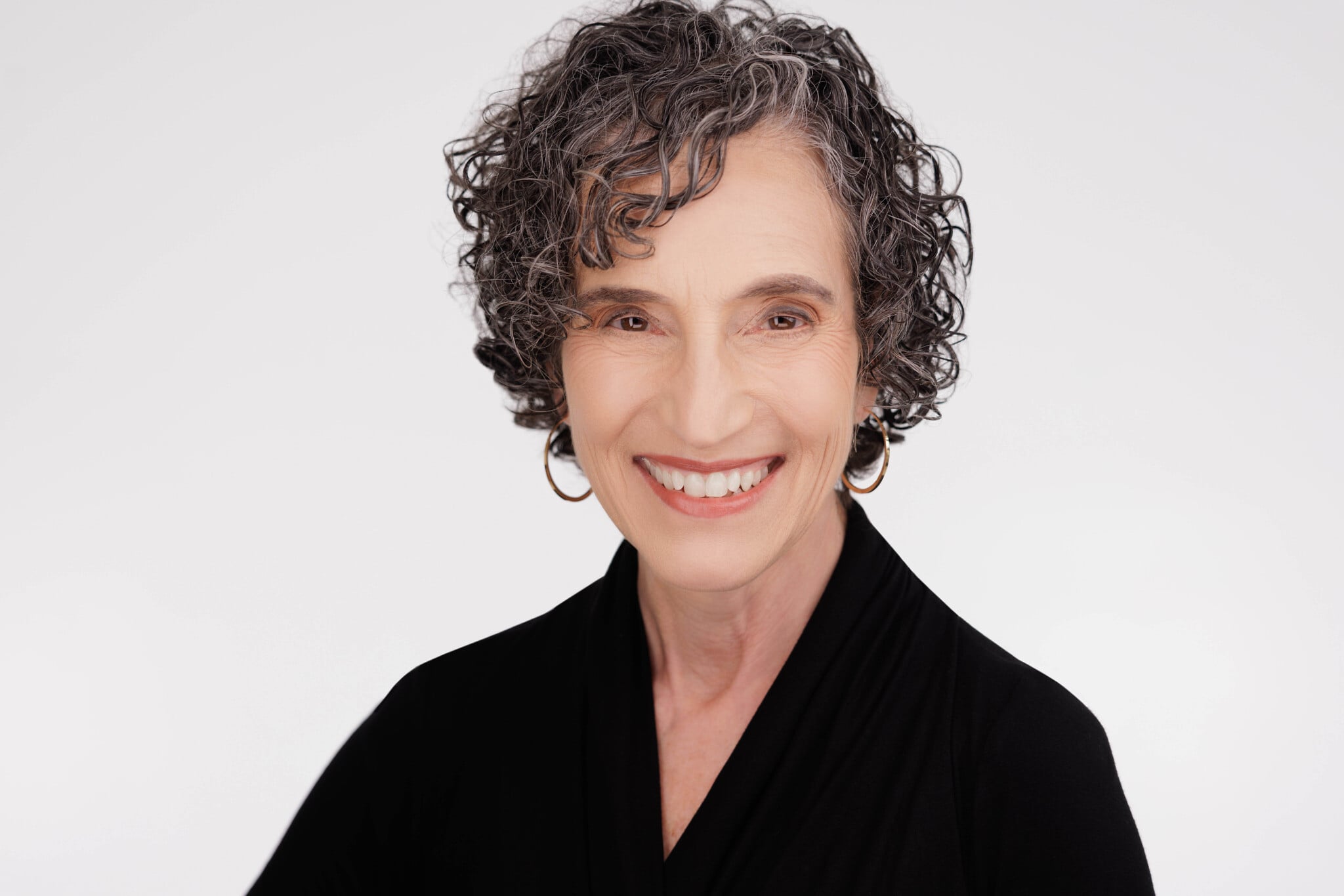
Former Forward editor Jane Eisner, author of ‘Carole King: She Made the Earth Move.’ (Nancy Adler Photography)
As Eisner points out, “Lyrics are only part of a song. I wanted to do something different and original. I wanted to really explore her music, not just her lyrics.”
Years ago, Eisner’s husband gave her a book of King’s songs as a gift. Early attempts to play them did not go as planned. More recently, when the COVID-19 pandemic made people shelter in place, Eisner signed up for piano lessons — remotely, of course — and it made a difference.
It’s no accident that the book cover photo of a curly-haired King includes a piano. The instrument is a central element in her life — and, according to Eisner, is its own character in the book.
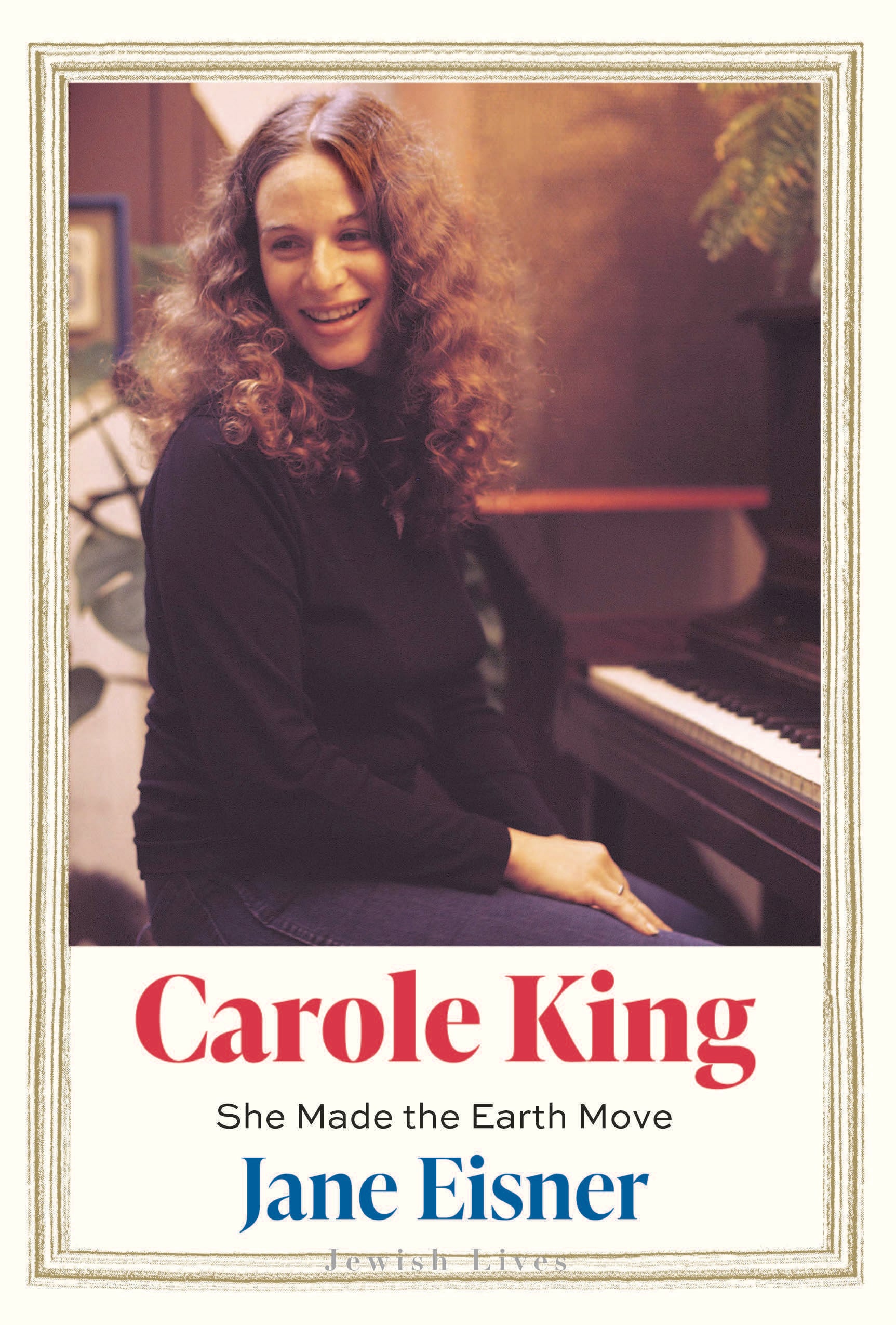
‘Carole King: She Made the Earth Move,’ by Jane Eisner. (Nancy Adler Photography)
“This was her native instrument,” Eisner said. “[It’s been] with her since she was four years old.”
Asked about her favorite King song, the author demurs. She couldn’t stop singing “Will You Love Me Tomorrow” on a cross-country bus trip as a high schooler. Years later, she became similarly enthusiastic about “You Light Up My Life.”
Meanwhile, “So Far Away” puts Eisner in a reflective mood. Like King, she is a trailblazer for women. Just as King juggled marriage and motherhood while achieving early stardom in the music industry at a key point in its history, so did Eisner face similar challenges as she pursued a career in journalism, including as the first female editor of The Forward in the Jewish newspaper’s 111-year history, a position she held for over a decade, from 2008 to 2019.
“It’s kind of poignant,” Eisner said about “So Far Away,” “a reminder of what it’s like to be away from your family, traveling, questioning what’s the right thing.” Referencing the lyrics, Eisner said, “She’s got a baby in one hand and a pen in the other, and I think that really distinguishes her life.”
Golden era for Jewish artists
King was born Carol Klein to a Jewish family in 1942 and raised in Brooklyn. (The family had roots in Eastern Europe, including a town called Orsha in the Pale of Settlement that was devastated by a pogrom in 1905.) Her brother Richard was deaf and suffered from mental illness. According to the book, he was institutionalized at Staten Island’s Willowbrook State School, which Eisner writes was notorious for “cruel, disgusting, bordering on inhumane” conditions. When Richard died in 2015, his sister posted a tribute on social media.
King grew up at a time when New York witnessed an astonishing agglomeration of Jewish American talent waiting to emerge onto the national scene. Barbra Streisand, Neil Sedaka and Paul Simon were all growing up around the same time in the Big Apple.
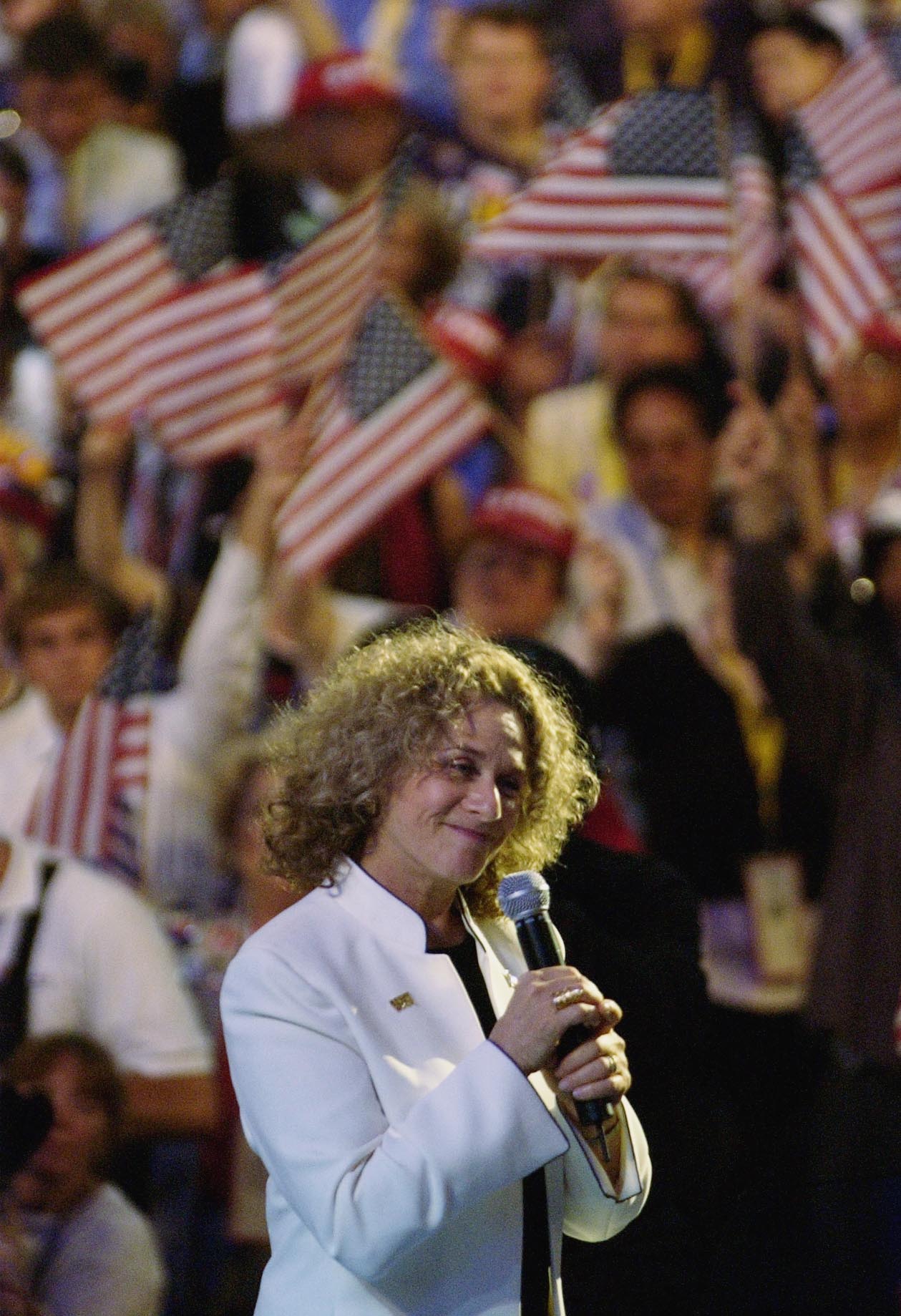
Carole King performs during the Democratic National Convention at the FleetCenter in Boston, July 29, 2004. (AP Photo/Charlie Neibergall)
“It was really a very special time,” Eisner said. “Antisemitism in America was surging after World War II. It really abated in the ‘50s… Jews were accepted in American society. There was legal pressure to end discrimination. Connections opened up for a person like her.”
When King attended CUNY Queens College, it was Rhymin’ Simon who proved a key contact as she broke into the music biz. Even more so was another Jewish New Yorker, Gerry Goffin, King’s first husband. King and Goffin became a standout songwriting duo, associated with the legendary Brill Building at 1619 Broadway — or more precisely, in a separate building nearby, on 1650 Broadway.
But that’s only part of her life, which also spans the music industry’s shift toward versatile singer-songwriters, and its cross-country relocation from New York to Laurel Canyon, California. It was in California where King, who was very much a singer-songwriter, recorded arguably her most famous album, “Tapestry,” which won four Grammys. By that time, her marriage to Goffin had ended. Now a mother of two, she remarried to another Jew in the music industry, Charlie Larkey. She would have two more children with Larkey.
Although she released several more hit albums, by the 1980s she had mysteriously wound up in Idaho, marrying twice more. Eisner writes in the book that third husband Rick Evers was physically abusive to King, and that fourth husband Rick Sorenson was an elk-shooting survivalist. By 1989, King was single again.

Carole King does some campaigning in song for presidential candidate Gary Hart during a visit to the Pennsylvania State University campus in University Park, Pennsylvania, April 5, 1984. (AP Photo/Paul Chilend)
“I do think that Gerry Goffin remains her true, true love, and certainly their partnership during the marriage and songwriting is extraordinary,” Eisner said.
Media shy — or media savvy?
Although the list of people interviewed for the book takes up an entire paragraph in the acknowledgements section, Eisner was unable to interview King herself.
“Unfortunately, she does not give media interviews anymore,” the author said. “Frankly, she did not give a lot even when she did. I certainly asked several times for an interview.”
“I think it’s part of her reluctance to be thrust into the public eye, especially in ways that she can’t control what is being asked of her,” Eisner reflected. “I think that’s a very human impulse for someone who deliberately does not live on either coast, New York or California, but makes her home in Idaho.”

James Taylor, left, and Carole King wave to the crowd as they take the stage to perform at the last event scheduled for Mellon Arena in Pittsburgh, June 26, 2010. (AP Photo/Keith Srakocic)
That’s not to say King has completely disassociated herself from public life. She gave her assent to “Beautiful: The Carole King Musical,” a Broadway treatment of her early years. She’s also maintained a lifelong friendship with James Taylor, who encouraged her to perform on stage more. And she’s taken public stances on behalf of left-wing politics. In September, King joined some 400 musicians who asked that their works be blocked from distribution in Israel as part of an initiative called “No Music for Genocide.”
Meanwhile, the book shines a light on how Judaism has played a role throughout King’s life, including her connection to a rabbi named Stanley Levy, whom Eisner interviewed.
“Important parts of the life cycle seem to be a time when [King] gravitated toward, if not religion, then having a religious leader at a ceremony,” said Eisner, adding that the rabbi — whose resume also includes achievements in law and music — officiated at the bar mitzvah of King’s son Levi.
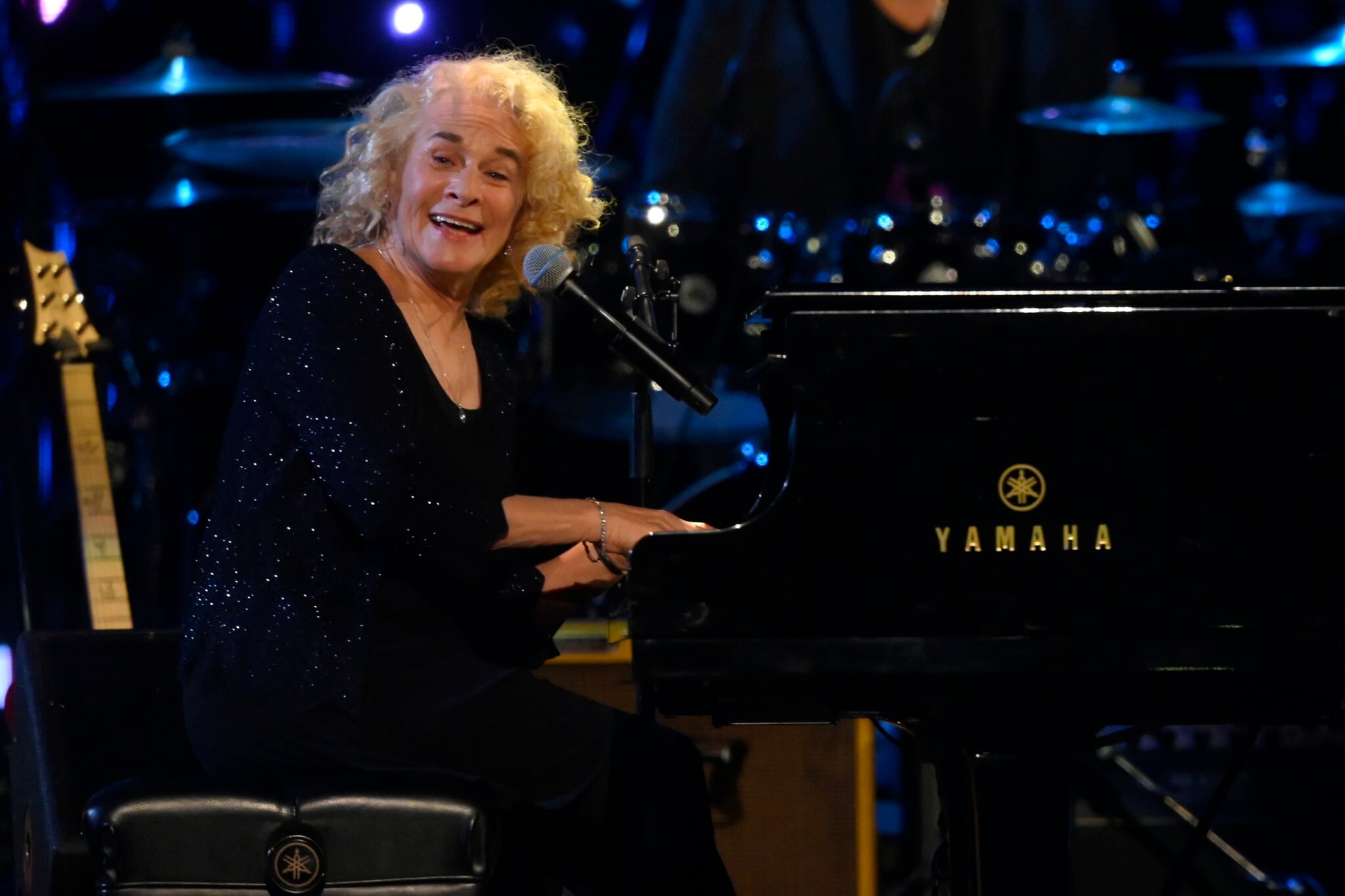
Carole King performs during the Rock and Roll Hall of Fame Induction ceremony, October 30, 2021, in Cleveland. (AP Photo/David Richard)
Meanwhile, King’s songs continue to find diverse new voices to perform them.
“You can see how many, many performers have put their own stamp on this music, made it their own,” Eisner said, calling it “the kind of music that can be performed so many different ways. All you have to do is listen to Taylor Swift doing ‘Will You Love Me Tomorrow?’ Of course, Aretha Franklin is just the icon of ‘(You Make Me Feel Like) A Natural Woman.’ The song was written for her.” And, the author added, “So many other people have put their spin on it as well.”