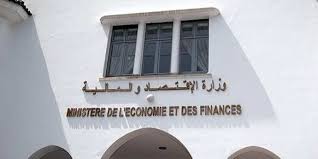
Mohammedia – Morocco’s economy closed 2025 with resilient domestic demand, sustained investment activity, and mixed external balances, according to the latest Economic Outlook Report issued by the Ministry of Economy and Finance.
Household consumption remained solid, supported by negative inflation of -0.3% in November, rising remittances from Moroccans living abroad, higher consumer credit, and the creation of 220,000 paid jobs during the third quarter of the year.
Investment spending also intensified, driven by major structural projects and a 16.9% increase in state equipment expenditure by the end of November.
This momentum was accompanied by an improvement in foreign direct investment inflows, which rose by 28.2% by the end of October, alongside higher imports of capital goods and stronger equipment lending.
Sectoral performance showed broadly positive trends across primary, secondary, and tertiary activities.
Favorable climatic conditions supported the 2025–2026 agricultural season, while dam filling rates reached 34.7% by December 24. Agricultural exports increased by 7.3% by the end of October.
Industrial activity recorded mixed but generally positive results. Manufacturing output grew by 2.2% in the third quarter, while extractive industries expanded by 7.4%.
Electricity production rose by 6.1% by the end of October, and cement sales, an indicator of construction activity, increased by 10.6% by the end of November.
The services sector continued to consolidate, with tourism arrivals reaching 18 million visitors, up 14% year-on-year, and travel receipts increasing by 16.7% by the end of October.
External balances, public finances, and global context
Despite the positive domestic dynamics, external accounts showed growing pressures. Exports rose by 2.6% by the end of October, supported mainly by phosphates and derivatives (+16.7%), aeronautics (+8.3%), and agricultural and agri-food products (+1.1%).
Imports, however, increased by 9.4%, driven by most product categories except energy, whose imports declined by 4.4%. As a result, the trade deficit widened by 19.6%, and the coverage ratio fell to 56.5%.
Official foreign exchange reserves covered 5 months and 21 days of imports at the end of October.
Public finances also recorded a wider imbalance. The budget deficit reached MAD 71.6 billion by the end of November, compared with MAD 50.8 billion a year earlier.
This development stemmed from a sharper rise in overall expenditure (+17.3%) relative to ordinary revenue growth (+13.4%). Credit to the economy grew by 6% by the end of October, driven by lending to both financial and non-financial sectors.
Meanwhile, the Casablanca Stock Exchange indices MASI and MASI 20 declined by around 5% in November, though they remained up more than 25% compared to December 2024.
Internationally, the report notes a resilient but fragile global economy. According to OECD projections cited in the document, global growth is expected to slow from 3.2% in 2025 to 2.9% in 2026.
Oil prices remained under pressure, with Brent crude at $64 per barrel on December 23, reflecting abundant supply and moderate demand. These global conditions form the external backdrop against which Morocco’s economic performance evolved at the end of 2025
Read also: Morocco’s Tax Revenues Jump 14.5% in Eleven Months