A pharmacist has urged people to prepare their medicine cabinets before winter really bites. He detailed the essential supplies needed to help treat cold and flu symptoms before January
Katie-Ann Gupwell Acting Content Editor
07:02, 29 Dec 2025
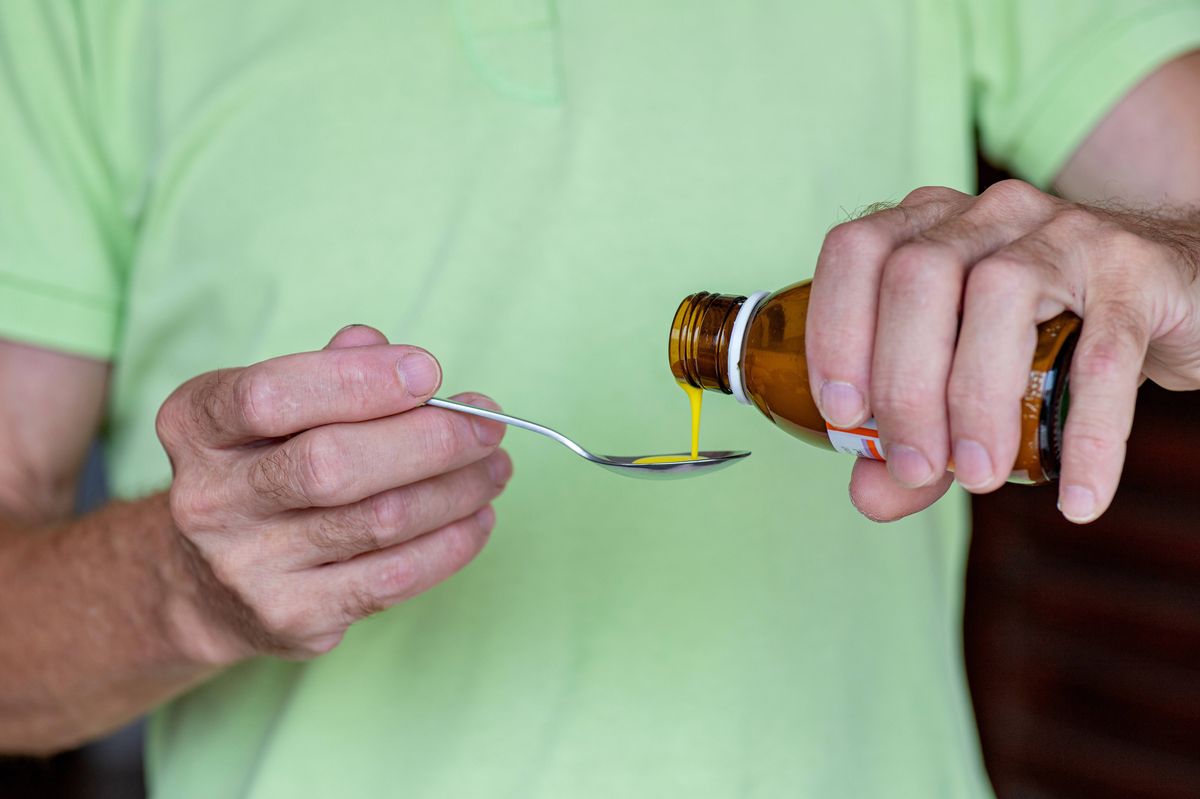 There are a few medicines that come in handy (stock image)(Image: Tatiana Cheremukhina via Getty Images)
Whilst December brings festive cheer and celebration, it’s well known that the winter months also usher in various ailments, with colds, coughs and flu spreading rapidly. Nevertheless, if you’re concerned about entering January feeling somewhat poorly, there are straightforward measures you can take in advance.
A pharmacist has advised people to purchase essential remedies early to stay one step ahead, and he’s recommended everyone stock up on several winter essentials. Being prepared enables you to address symptoms promptly and prevent needless trips to the GP, making this health guidance particularly valuable.
Pharmacists suggest the most effective approach to navigating winter is to prepare before the cold and flu season truly takes hold. Maintaining a well-stocked medicine cabinet allows you to address symptoms swiftly, rather than frantically hunting for supplies when you’re already feeling poorly.
“Preparation really is half the battle,” said Pharmacist Frederick Apenteng from Roseway Labs. “Once you’re unwell, you don’t want to be searching for paracetamol or trying to find a thermometer. That’s when people end up feeling worse.”
What you need
According to Frederick, you should begin with the fundamentals. Paracetamol or ibuprofen for pain relief, fever reduction and muscle aches.
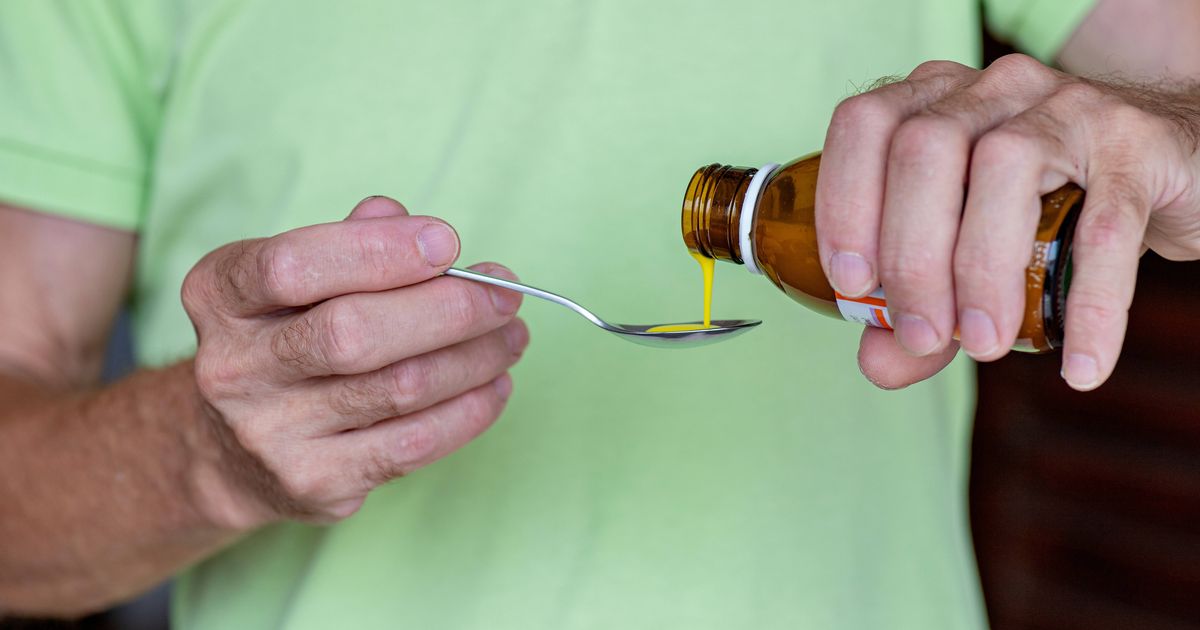
Include throat lozenges or sprays for sore throats and get two types of cough syrup. One expectorant for chesty coughs and one suppressant for dry, tickly varieties.
Stock up on a decongestant for those annoying blocked noses, but remember not to rely on it beyond five days, whilst a saline nasal spray offers a gentler, long-term solution for easing congestion. Your winter wellness arsenal should also include rehydration sachets, plenty of tissues, hand sanitiser, plus the comforting combination of honey and lemon.
Keep a digital thermometer within reach to monitor any fever, and consider vapour rub or a humidifier to help you breathe more easily when congestion strikes. Frederick emphasises that a well-rounded diet forms the cornerstone of robust immunity.
“People often get run down because of nutrient gaps,” he said. “Iron, B vitamins and vitamin C all play vital roles in keeping your immune defences strong.”
Loading up on nutrient-packed foods such as leafy greens, citrus fruits and whole grains can genuinely bolster your body’s defences. “The real immunity boosters are sleep, good nutrition and hydration,” added Frederick.
Getting organised now means less panic down the line. “Having your winter kit ready means you can act fast at the first sneeze,” added Frederick.
“This helps prevent symptoms from worsening, and keeps you away from the GP waiting room.” Put simply, if you’re feeling under the weather, it’s wise to stock up early and prioritise rest to sail through the season smoothly.
Don’t overdo it
However, if you’re battling a cold or flu, it’s crucial to understand that overusing certain remedies can be dangerous. Excessive use of cold and flu products can trigger serious health issues, ranging from accidental overdose to liver or kidney damage, not to mention rebound congestion that makes matters worse.
It’s essential to always adhere to the dosage and duration guidelines on the label, and to consult a healthcare professional if you’re unsure about anything. For people suffering from colds, it’s important to be aware that using decongestant nasal sprays for longer than a few days can trigger a “rebound effect”.
This can actually result in your nasal passages becoming more swollen and congested than they were to begin with. This condition is also referred to as rhinitis medicamentosa.