
The NHS suggests adults consider taking these supplements during autumn and winter months
Fiona Callingham Lifestyle writer
16:04, 27 Dec 2025
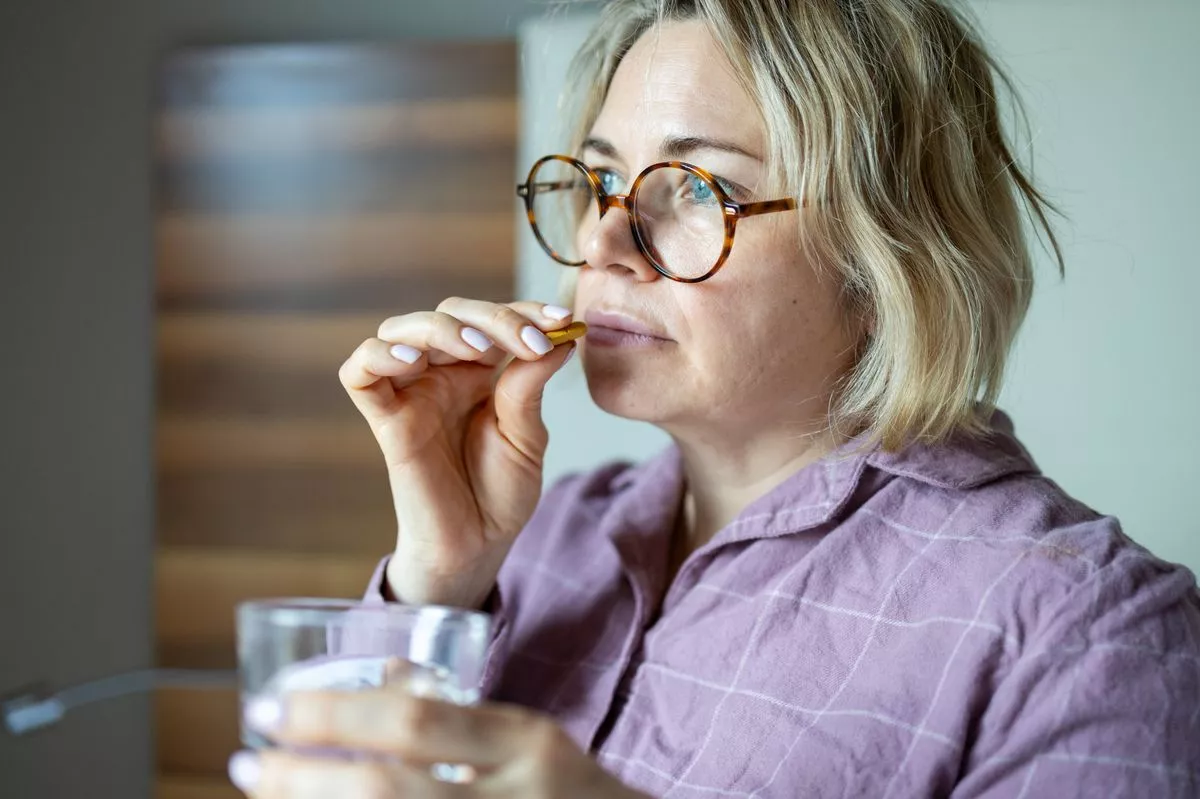 Taking a certain supplement daily could help prevent fatigue and low mood this winter(Image: Getty)
A 1p tablet could be the key to combating tiredness and low mood during the colder months. The NHS advises that the majority of Brits should consider vitamin D supplements at this time of year for this purpose.
Vitamin D is commonly known as “the sunshine vitamin” due to our primary source being sunlight exposure. However, Britain’s weather patterns, characterised by brief daylight hours and extended darkness from October through March, mean many people won’t obtain sufficient amounts naturally.
Consequently, the NHS suggests all grown-ups should consider daily supplementation. One medical professional highlighted that vitamin D deficiency might manifest through rather “subtle” indicators.
Doctor Asiya Maula, a GP and director of The Health Suite, explained: “Vitamin D plays a crucial role in supporting bone health, immunity and overall wellbeing. But the signs you are lacking may be quite subtle and can be easy to dismiss.
“Many patients are surprised to learn the symptoms they’ve been experiencing for months, such as muscle fatigue and aches, may be linked to vitamin D. Because the signs are non-specific, people often attribute them to stress, ageing or seasonal aches and pains. A simple blood test can provide clarity on what your body may be missing.”
She identified several warning indicators of vitamin D deficiency:
- Persistent fatigue
- Low mood and brain fog
- Bone pain
- Muscle weakness
Dr Maula noted: “It’s common to put feelings of low mood down to the darker days, and this can certainly have an impact. But make sure you’re also getting an adequate level of vitamin D. During the summer months we can get this naturally from spending time outside but in the winter this becomes much harder.”
The NHS website has highlighted that Government guidance recommends “everyone” should consider taking a daily vitamin D supplement during autumn and winter months.
The health service has also provided specific information about recommended amounts. “Children from the age of one year and adults need 10 micrograms (mcg) of vitamin D a day,” the NHS explained.
“This includes pregnant and breastfeeding women, and people at risk of vitamin D deficiency. Babies up to the age of one year need 8.5 to 10 micrograms of vitamin D a day. “
Product labels may display this as “mcg” or “μg”. Alternatively, manufacturers might use international units (IU). One microgram of vitamin D is equivalent to 40 IU – meaning you should look for 400 IU. However, excessive vitamin D consumption poses potential risks.For most individuals, a daily dose of 10 micrograms should suffice.
The NHS has warned: “Do not take more than 100 micrograms (4,000 IU) of vitamin D a day as it could be harmful. This applies to adults, including pregnant and breastfeeding women and the elderly, and children aged 11 to 17 years. Children aged one to 10 years should not have more than 50 micrograms (2,000 IU) a day.
Infants under 12 months should not have more than 25 micrograms (1,000 IU) a day. ” Moreover, certain individuals may have health issues that render these quantities unsafe for consumption. “If in doubt, you should consult your doctor,” advised the NHS.
“If your doctor has recommended you take a different amount of vitamin D, you should follow their advice.”
Alternative sources of vitamin D
Apart from sunlight and supplements, there are other ways to incorporate vitamin D into your diet. These include:
- Oily fish – such as salmon, sardines, trout, herring or mackerel
- Red meat
- Egg yolks
- Fortified foods – such as some fat spreads and breakfast cereals
- Liver (however, it’s crucial to avoid liver if you’re pregnant)
For more information, visit the NHS website here. At the time of reporting, a bottle of 240 vitamin D tablets could be purchased from Holland and Barrett for £2.71, which equates to just over 1p per tablet.