Since Thailand’s art scene flourished this year, especially in Bangkok, city residents had access to a diverse range of art. As the year draws to an end, Life spoke with Sukontip Nakasem, founder of Warin Lab Contemporary & La Lanta Fine Art, and Voravuj Sujjaporamest, founder of VS Gallery, about highlights and significant art events that happened this year. While Warin Lab Contemporary is renowned for presenting prevailing issues related to ecology and the environment, VS Gallery stands out for presenting issues related to marginalised people.
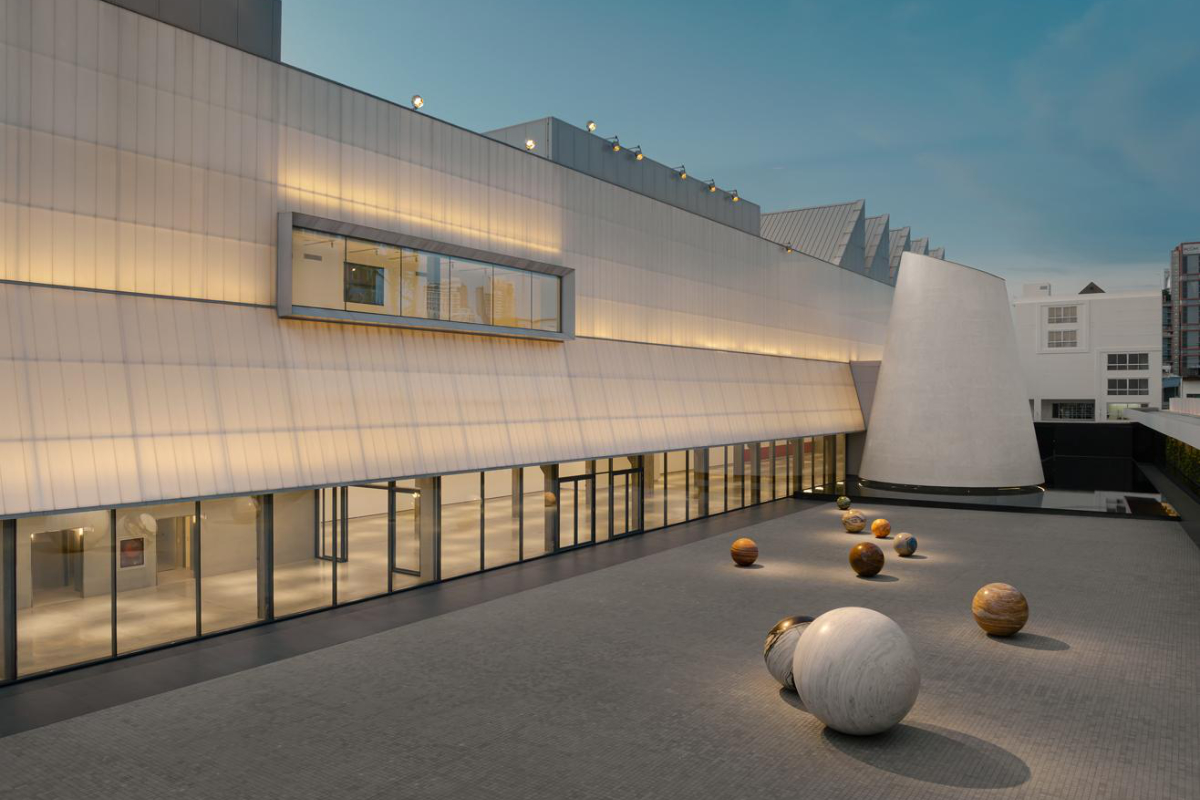
Both Sukontip and Voravuj agreed that Dib Bangkok, a contemporary art museum which opened in December, is a highlight of Thailand’s art scene. Conceived by the late art collector and cultural patron Petch Osathanugrah, Dib Bangkok is set within what used to be a warehouse in the 1980s, but redesigned by Kulapat Yantrasast of Why Architecture. Located in the area between Rama IV and Sukhumvit 40, Dib Bangkok features 11 gallery spaces totalling 7,000m², a 1,400m² central courtyard, an outdoor sculpture zone and a spacious zone for hosting special events.
Voravuj explained that according to international museums, contemporary art refers to art that keeps pace with artistic advancements; it does not revert to imitate or reproduce works from previous decades. He commented that as Petch collected contemporary art, in compliance to international standards, this will help Thai visitors and collectors understand more about contemporary art.
Sukontip believes that Dib Bangkok can strengthen the art ecosystem in Thailand. She explained that Dib Bangkok has landscape architecture and the building sets a new standard for Thailand’s art museums. Additionally, Petch collected art pieces that can be viewed only in international museums, such as the artwork of the renowned American artist, James Turrell, who is known for works that play with light and space.
“Dib Bangkok enhances the visibility and legitimises the contemporary art scene at the national level. As a key player with significant investment in establishing the art museum and systematically collecting work, Dib Bangkok will make contemporary art more visible and accepted to the public,” Sukontip said.
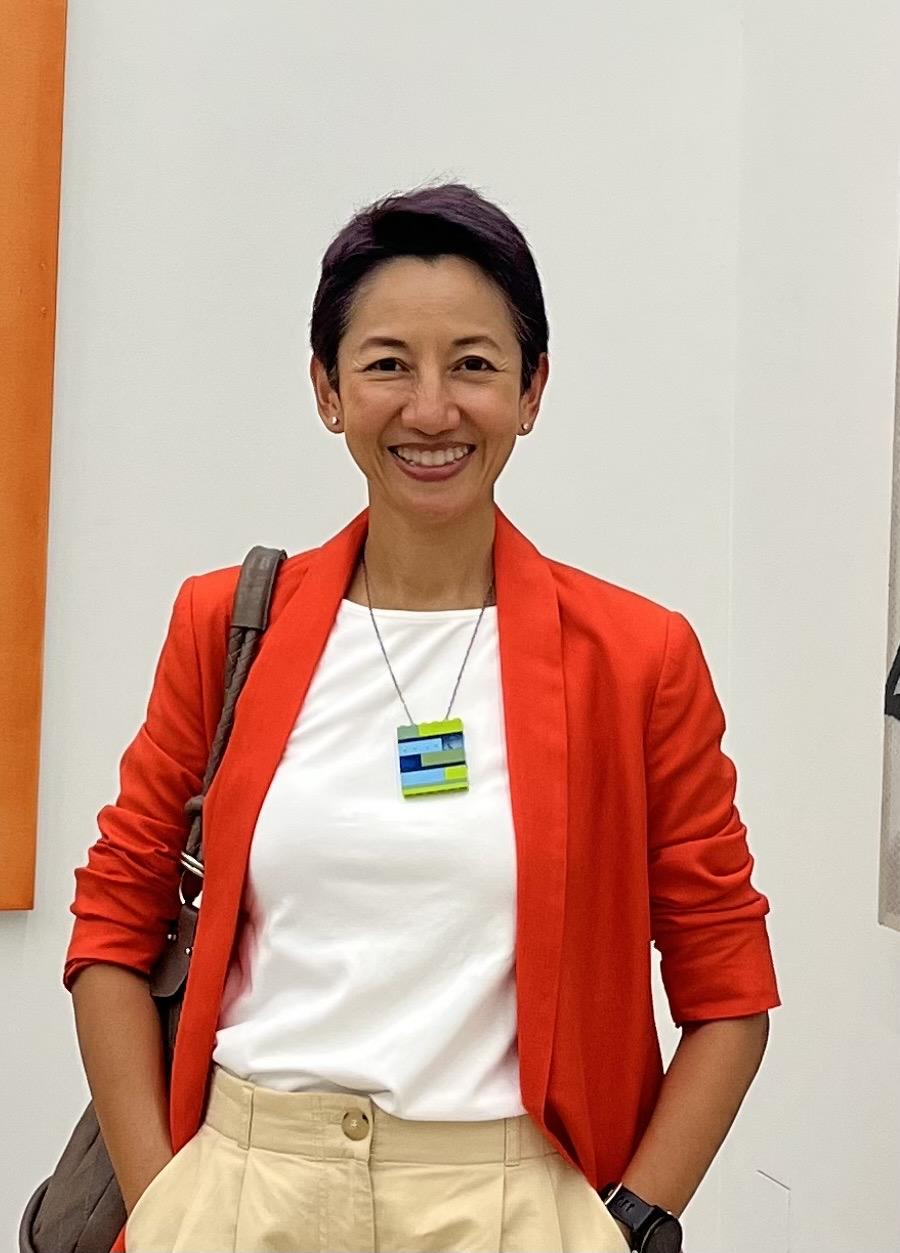
Sukontip Nakasem, founder of Warin Lab Contemporary & La Lanta Fine Art. Photo: Sukontip Nakasem
“If new or mid-career artists have the opportunity to showcase their work at Dib Bangkok, it will be career-defining for them. Not only does Dib Bangkok seek to build a base of art enthusiasts, it also has educational programmes which invests in developing professionals in the art industry. A spill over effect of Dib Bangkok will be that when international art enthusiasts come to visit Dib Bangkok, it might trigger their interest in exploring other art galleries in Thailand.”
In addition to Dib Bangkok, both art gallery founders noticed that art events are no longer limited to taking place only in Bangkok. Organised by the Office of Contemporary Art and Culture (OCAC), Thailand Biennale is a major art event that exhibits in different provinces every two years, such as Krabi, Korat, Chiang Rai and Phuket in the past. Voravuj revealed that OCAC also provides funds to other provinces such as Udon Thani, Suphan Buri and Nakhon Pathom for organising their own art events.
In the past, art events were organised in Bangkok, but now, they have become decentralised.
“People who live in the three southern boarder provinces have access to art at Pattani Art Space. In Mahasarakham, there is an art community at the Mahasarakham Mid-field Artspace. There are also art communities in Chiang Mai and Chiang Rai. People do not have to visit Bangkok to view intellectually contemporary art like they used to,” explained Sukontip.
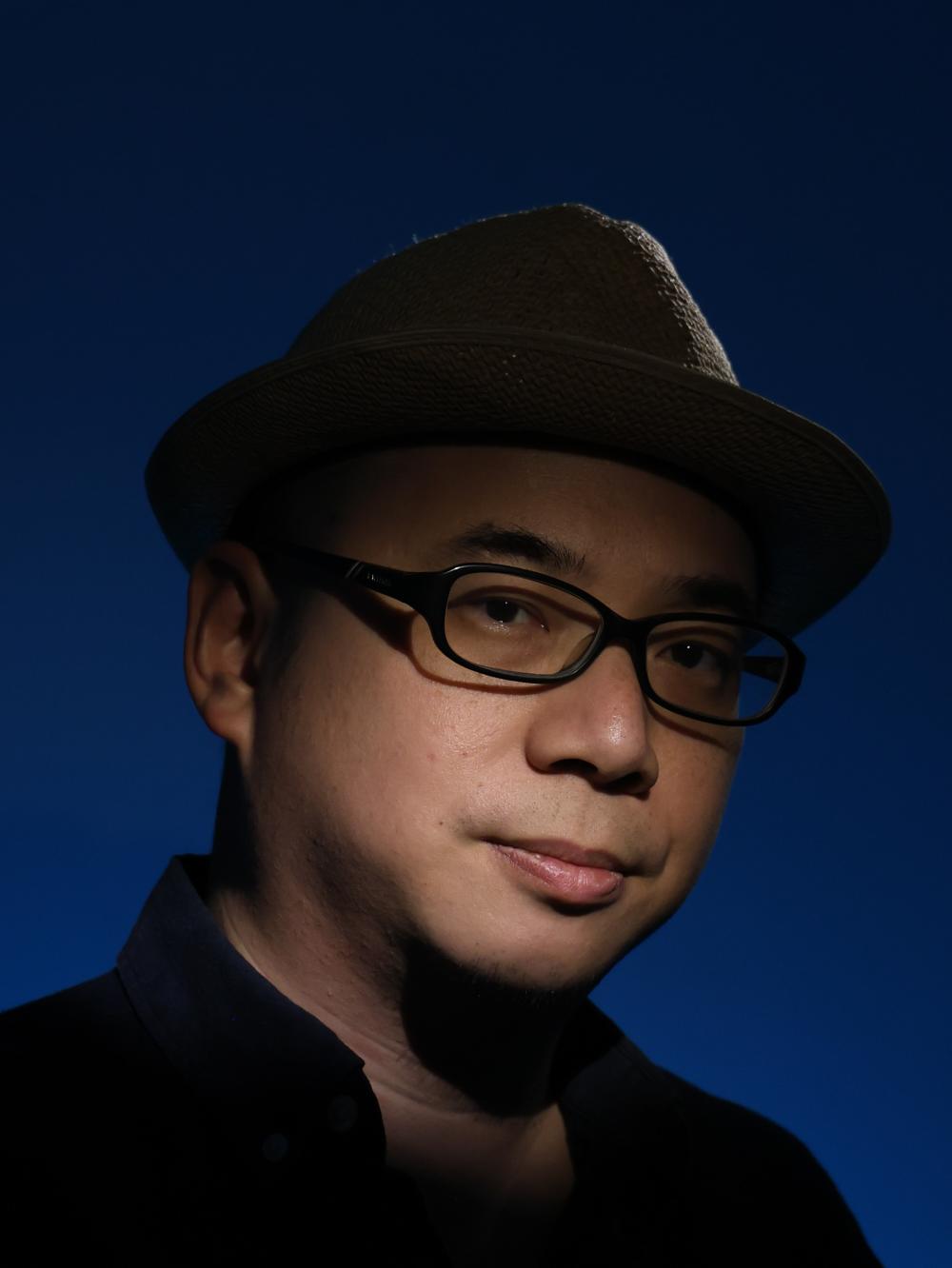
Voravuj Sujjaporamest, founder of VS Gallery. Photo: Voravuj Sujjaporamest
In August, Bangkok Art & Culture Centre (BACC) came under fire after it censored and removed some artworks created by exiled artists from Hong Kong, Tibet and Uyghurs from the exhibition “Constellation Of Complicity: Visualising The Global Machinery Of Authoritarian Solidarity”. The exhibition’s concept was based on exploring formal and informal alignments between authoritarian states through the lens of artists who have lived through the political system and/or were forced to live in exile because of the political system.
The censorship occurred after Chinese embassy officials visited the exhibition. The installation by Doc Tenzin, a transgender Tibetan artist, was removed. The words, Hong Kong, Tibet and Uyghur, along with names of artists were also redacted.
In this case, Sukontip and Voravuj had different opinions. Sukontip felt that the BACC handled the situation wisely as its decision to censor helped promote the exhibition.
“As BACC was under pressure from a higher power, it censored some words and artist names. The censorship aroused curiosity, so many people searched the exhibition on the internet. Thus, the exhibition gained more recognition. I believe that artists who had their names censored understood the situation. They are intellectually mature,” said Sukontip.
“As a part of the art community, I am dissatisfied that BACC gave no explanation for the censorship. Art spaces should allow creative freedom and protect artists. I understand that there is no solution that will satisfy everyone, but BACC should explain to the public what really happened. Telling the truth can lead to a future solution,” said Voravuj.
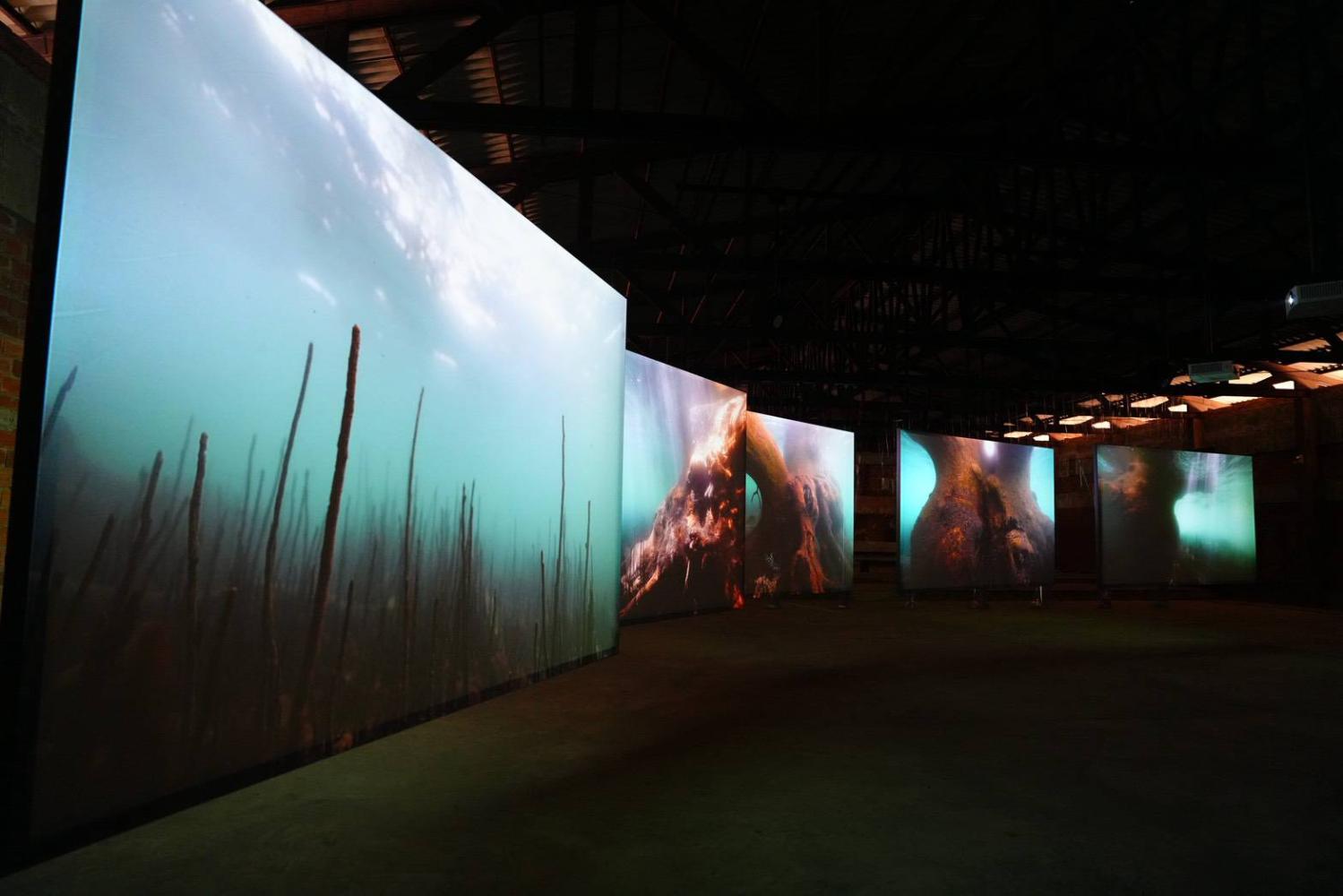
Thailand Biennale Phuket 2025. photo courtesy of Office of Contemporary Art and Culture
At the end of September, when a mural by Spanish street artist Carolina Adan Caro, one of the 15 participants in the Bangkok Metropolitan Administration’s “Krungthep Creative Streets”, was defaced, questions were raised about bombing culture (spray painting over already existing work) in graffiti art.
Sukontip commented that graffiti art is typically located in an open space that often fosters dialogue between artists. For instance, when Banksy, the world-famous anonymous street artist, paints on walls, other artists create theirs next to Banksy’s artwork as a dialogue between them.
However, the three people, who sprayed over the artwork of Carolina Adan Caro, did not create dialogue. Their creation was more like an insult and also destroyed the artwork.
Voravuj who follows the news commented that he felt like these three young people are not art enthusiasts.
“In an interview, one of the perpetrators claimed that Carolina Adan Caro was his rival because the mural art was created in his area. Painting over is a part of street culture. The perpetrators did not care to create better art. They just wanted to express that the territory was their area.”
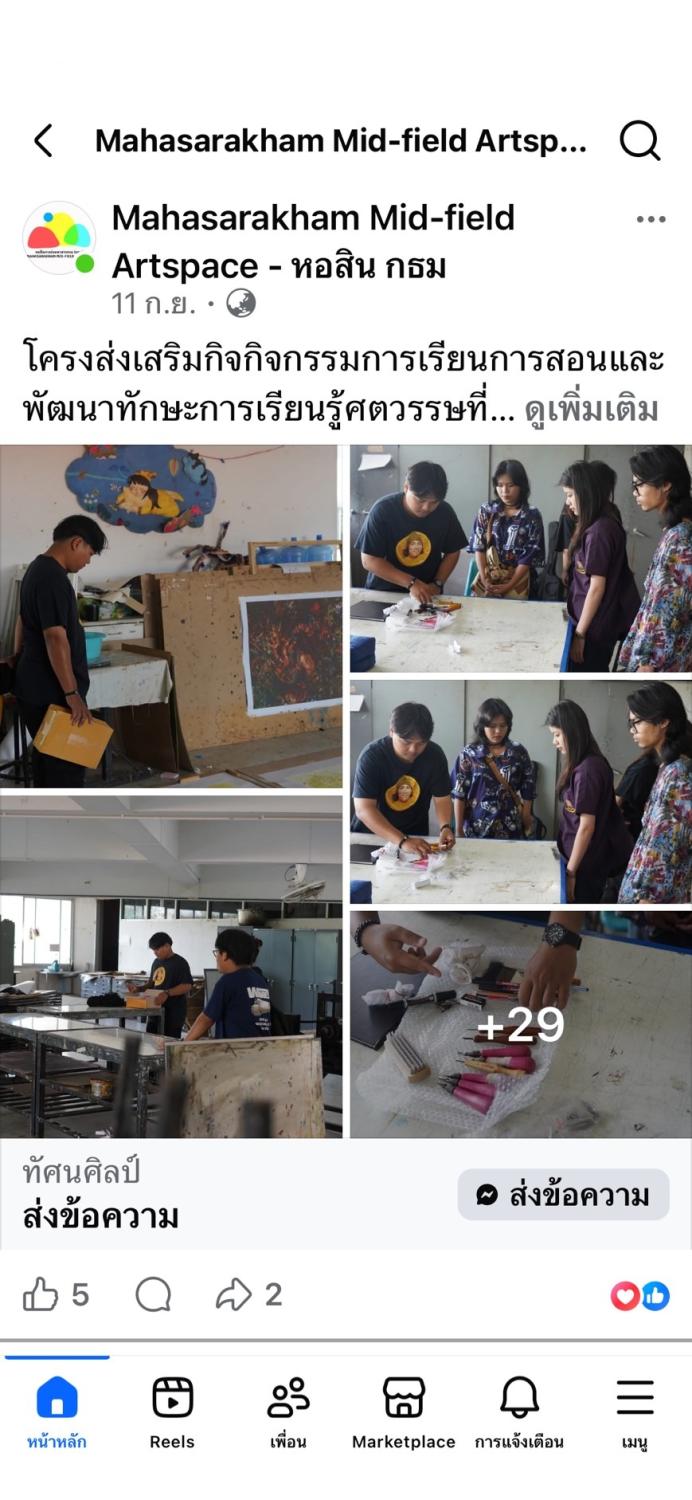
Mahasarakham Mid-field Artspace. photo courtesy of Mahasarakham Mid-field Artspace
Voravuj pointed out that the incident reflects that Thailand may not have enough platforms for young people who want to express themselves.
In 2025, the rapid development of AI generative art also raised significant concern about whether it brings a negative effect to people in the art industry. Sukontip believes that AI can be a tool or an excellent assistant for artists during their artistic processes.
“For example, it can be used for research or for enhancing animation work. However, artists must be aware of protecting their copyright if their work is modified and profited from by using AI,” said Sukontip.
Meanwhile, Voravuj pointed out the negatives of AI.
“We are now in an era where we cannot separate graphic designs by humans from graphic designs by AI. Artists and art institutions that are involved in digital art may slowly disappear and be replaced in the future by AI. Some possible solutions might be to have art installations which require onsite viewing or have some part of the art pieces performed by humans.”
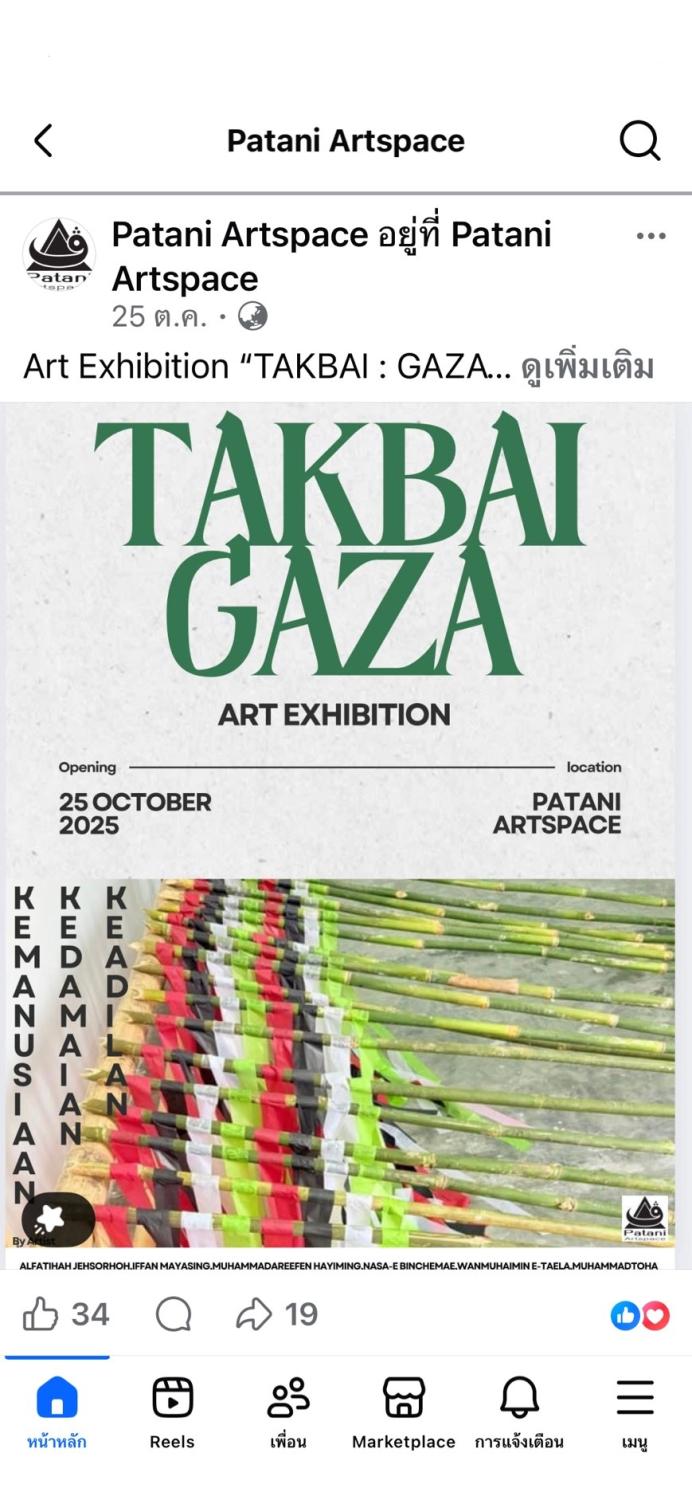
An exhibition at Patani Artspace. photo courtesy of facebook.com/PataniArtspaceArtMuseum
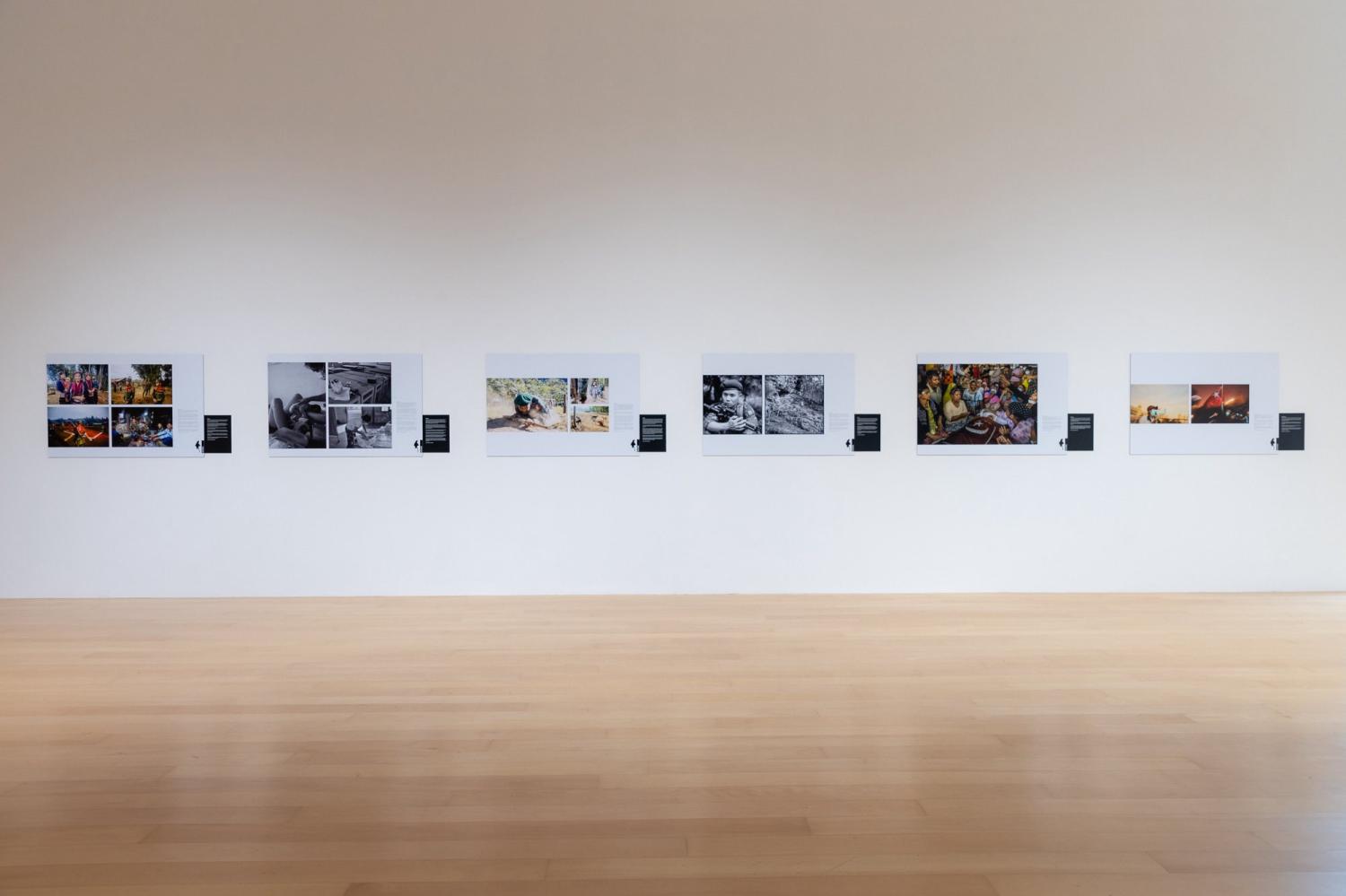
The exhibition ‘Constellation Of Complicity: Visualising The Global Machinery Of Authoritarian Solidarity’. photo courtesy of facebook.com/baccpage
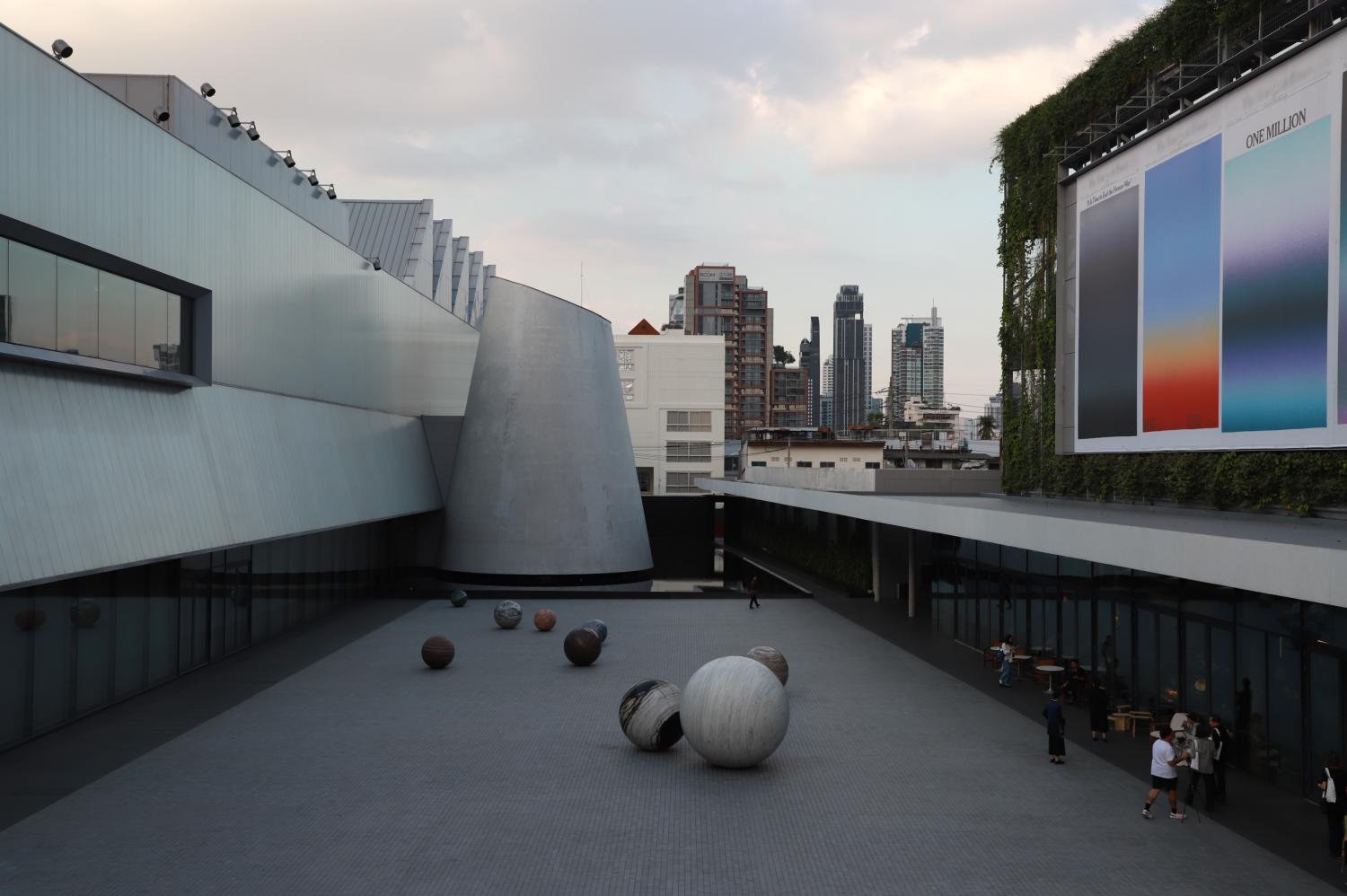
Dib Bangkok. Photo:Somchai Poomlard
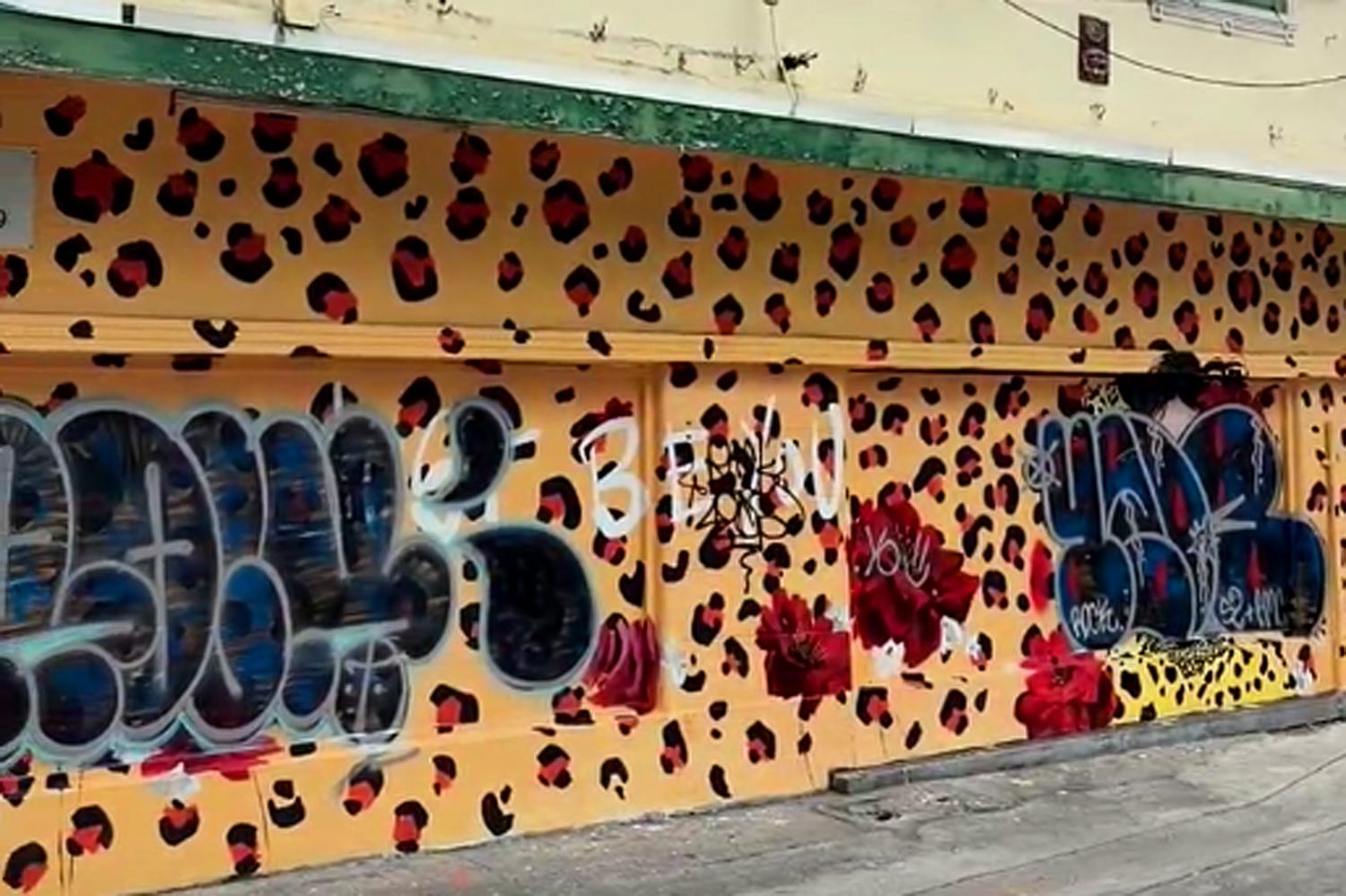
The defaced mural art by Spanish artist Carolina Adan Caro. photo courtesy of Bangkok Metropolitan Administration
