A step too far down
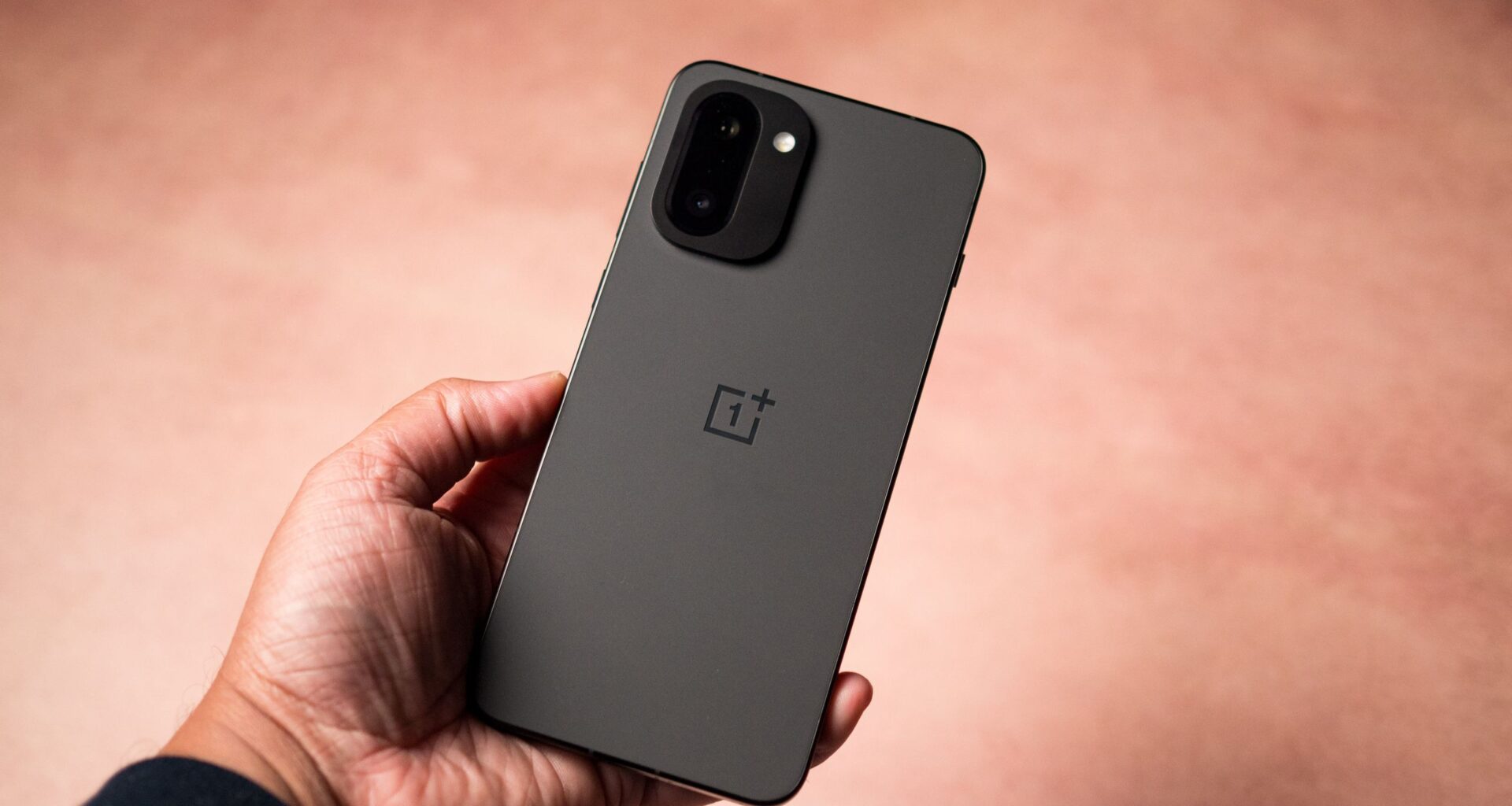
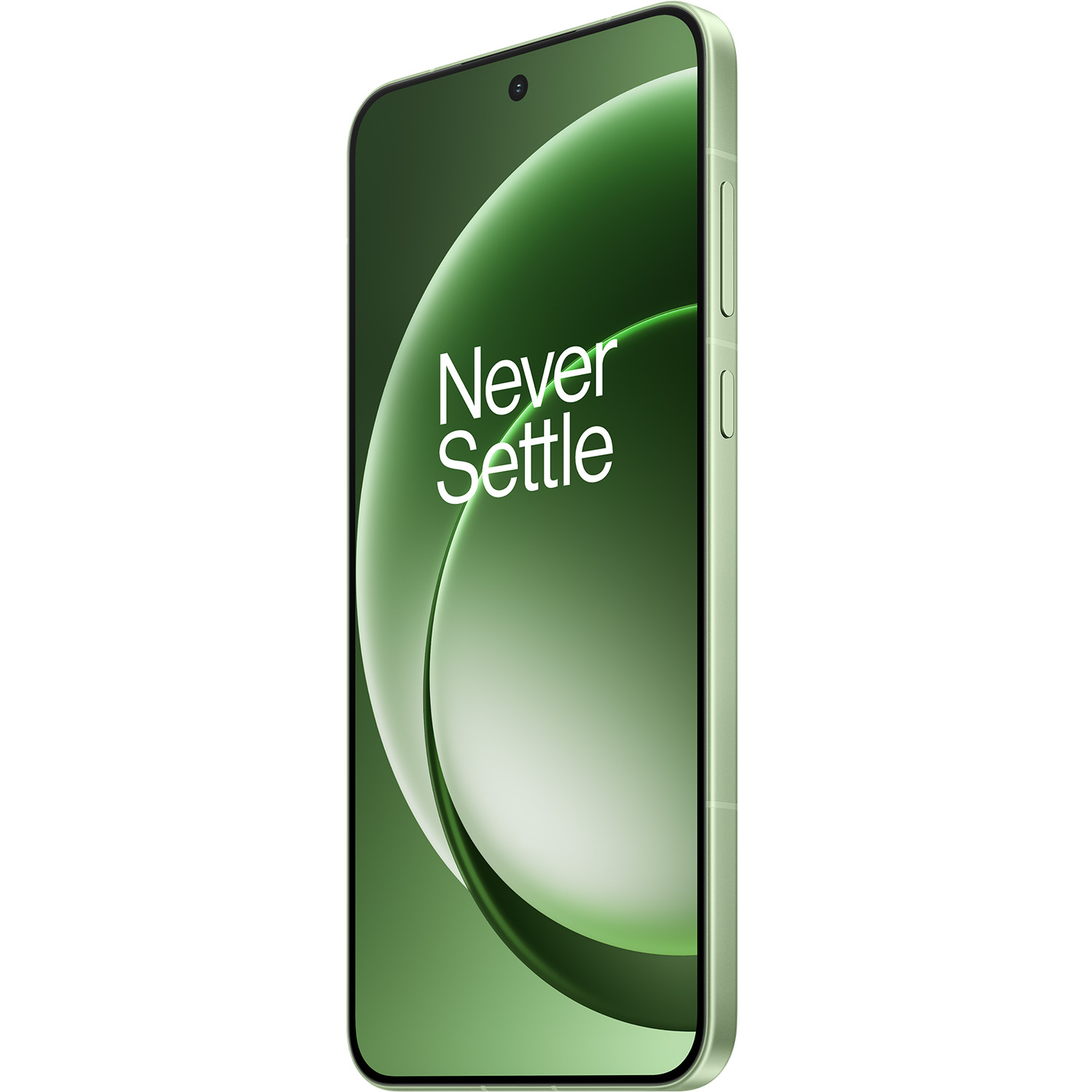
The OnePlus 15R is a step-down from the OnePlus 15, but in some ways, it’s also a step-down from the previous generation value OnePlus 13R. It has some wonderful features, including a stunning OLED screen, incredible battery life, and supreme durability. But there are also a few things we can’t ignore.
Pros
- Fantastic OLED screen with virtually no flicker
- Extremely durable
- Lots of useful AI features including Mind Space
- Amazing battery life
Cons
- Boring design
- Missing the telephoto lens from the OnePlus 13
- More expensive than predecessor
A top-notch value experience
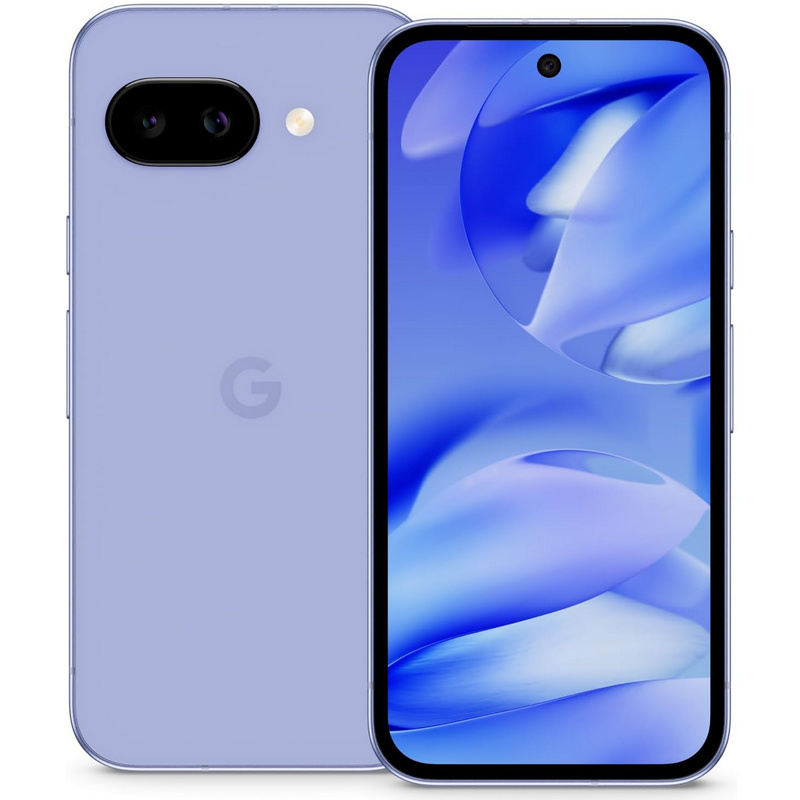
If you want a great phone that doesn’t cost a fortune but still affords top-notch features with AI, performance, cameras, and more, the Google Pixel 9a remains a fantastic choice. While it’s coming up to a year old and may soon be replaced by the Google Pixel 10a, it still provides tremendous value.
Pros
- Tremendous value for dollar
- Tons of Gemini features found in higher end phones
- Seven years of software and security updates
- Excels with Macro Photos
Cons
- Coming up on a year old already
- Very limited internal storage
- Low-light photography isn’t great
- Slow to charge
OnePlus 15R vs. Google Pixel 9a: The basic specs
(Image credit: Harish Jonnalagadda / Android Central)
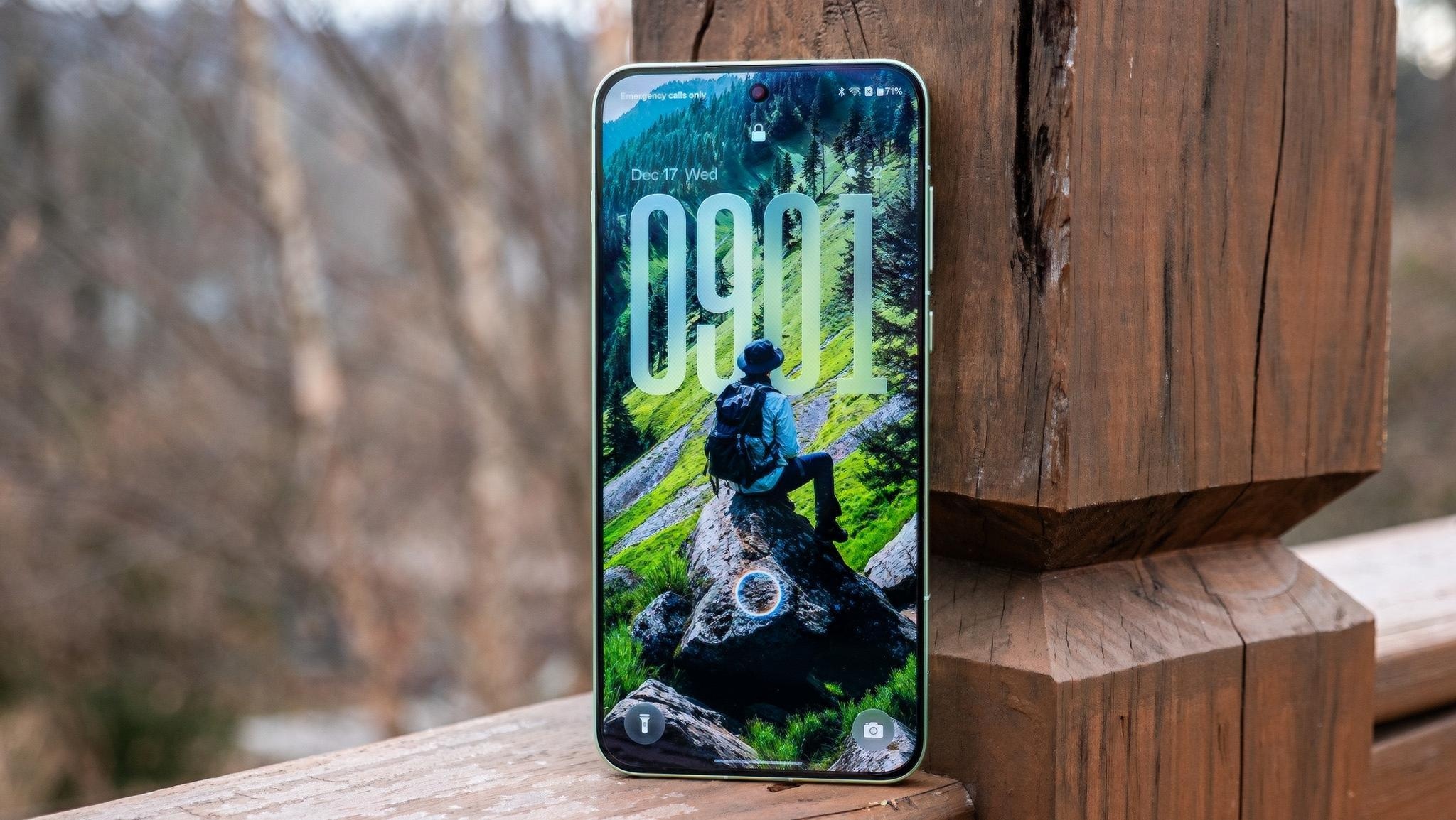
The OnePlus 15R has a 6.83-inch 1.5K AMOLED display with a 2,800 x 1,272 resolution and TÜV Rheinland Intelligent Eye Care 5.0 certification, and an impressive 165Hz refresh rate. The 1,800-nit peak brightness can drop to 1 nit as needed. Android Central’s Harish Jonnalagadda says the screen is easy on the eyes. But he notes that it only supports 144Hz or 165Hz refresh rates in six game titles. For everything else, it’s a basic 120Hz.
However, Nicholas Sutrich adds that after testing the phone, he found it uses the most flicker-free OLED he has ever seen, a huge selling point for those with sensitivities. He loves the brightness and outdoor visibility, both of which he describes as excellent, and appreciates the eye care features. He even goes so far as to call its screen one of the best in OLED tech.
You may like
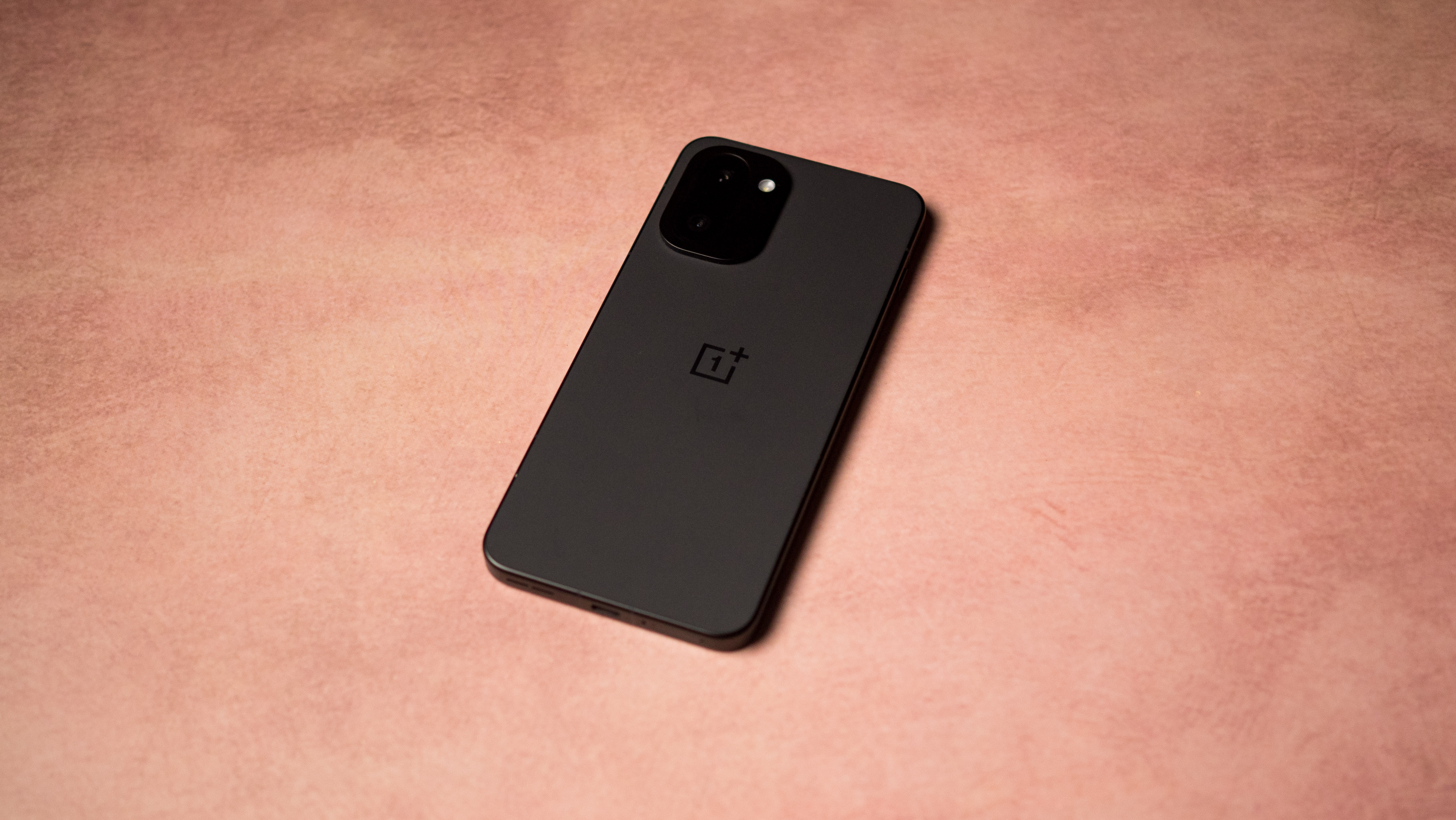
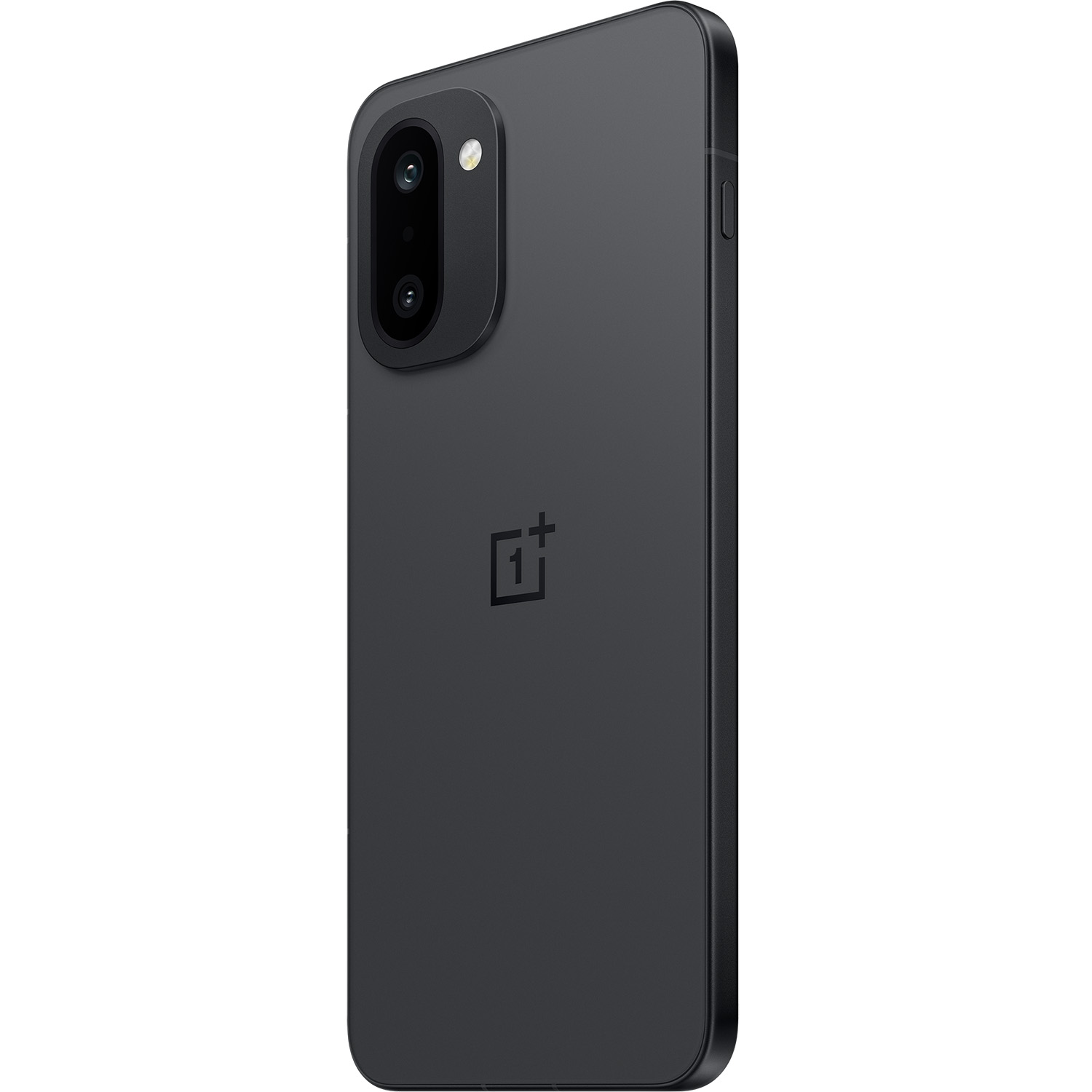
Available in Charcoal Black or Mint Breeze with Velvet Glass technology, the OnePlus 15R features rounded corners and a redesigned camera bump that OnePlus says helps reduce hand fatigue when you hold the phone for long periods.
The massive 7,400mAh battery is a huge selling point, ensuring the phone lasts a long time and can run in harsh environments. It’s made with OnePlus’ Silicon NanoStack technology, with 15% silicon content for better energy density. It also supports 55W SUPERVOOC fast charging with the included charger, but can go up to 80W with the OnePlus SUPERVOOC 100W Dual Ports GaN Power Adapter Lite.
(Image credit: Nicholas Sutrich / Android Central)
It does not, however, support wireless charging, which is one of the downsides of the excellent flagship OnePlus 15. It can retain 80% of its capacity after four years, ensuring long-term battery health. Jonnalagadda says the phone easily lasts for up to two days without issue, and even a day and a half with heavy use.
Like the OnePlus 15, it’s ultra durable, meeting not only an IP68 rating for dust and water resistance, but also IP66, IP69, and IP69K. This ensures that the phone can withstand submersion, high-pressure water jets at close range, and higher temperatures. So, from the hot tub to the backyard water gun fight, it can handle it.
You get 256GB or 512GB storage, the latter only in the Charcoal Black finish, and you can pair it with the Sandstone or hole-pattern magnetic case. You’ll get four years of software updates and six years of security updates.
Overall, Jonnalagadda finds the design to be a downgrade, except for an Electric Violet finish option available only in India. He finds that the Panda glass it uses isn’t as resilient as Corning Gorilla Glass either, despite the tremendous IP ratings.
(Image credit: Harish Jonnalagadda / Android Central)
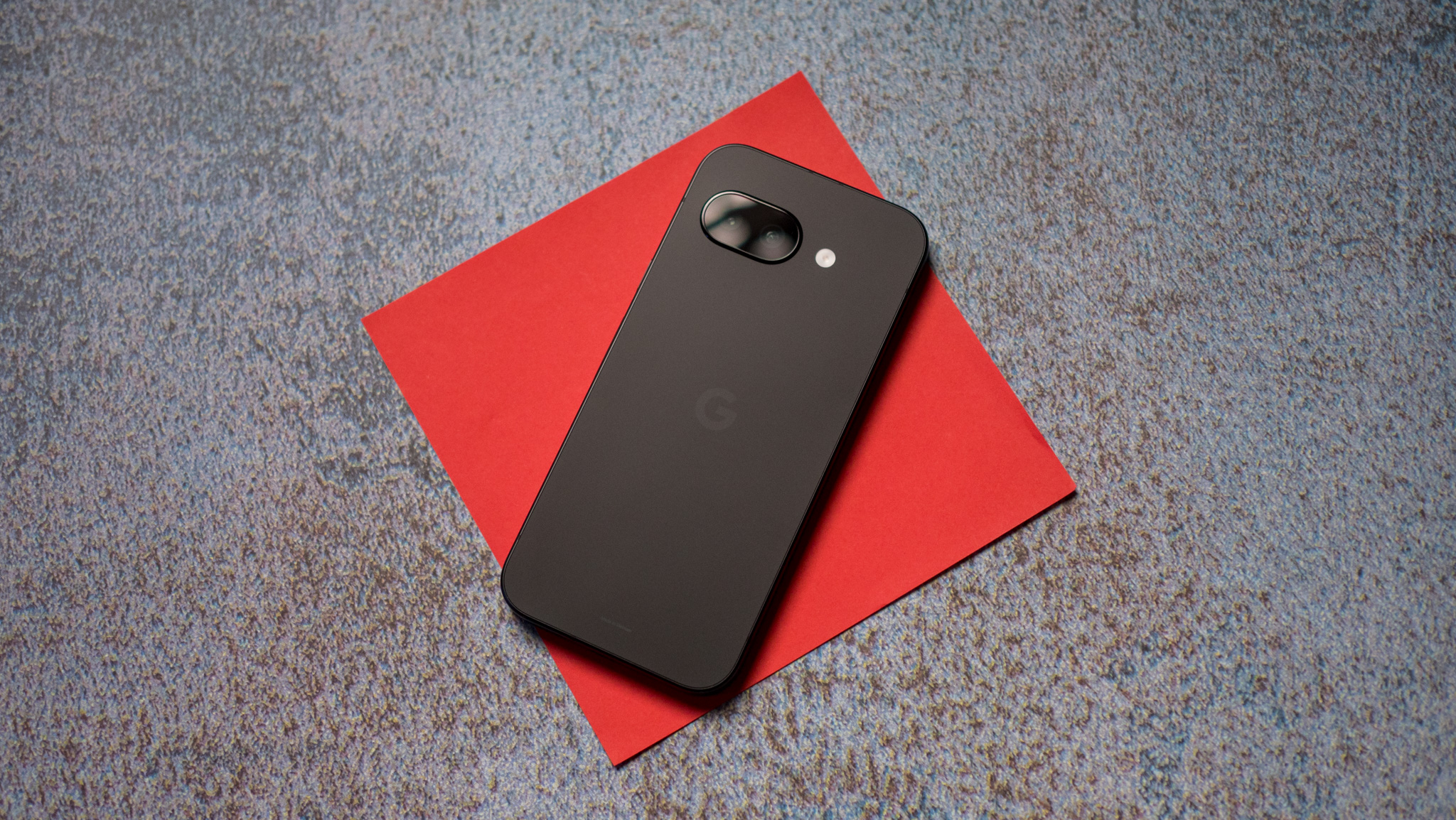
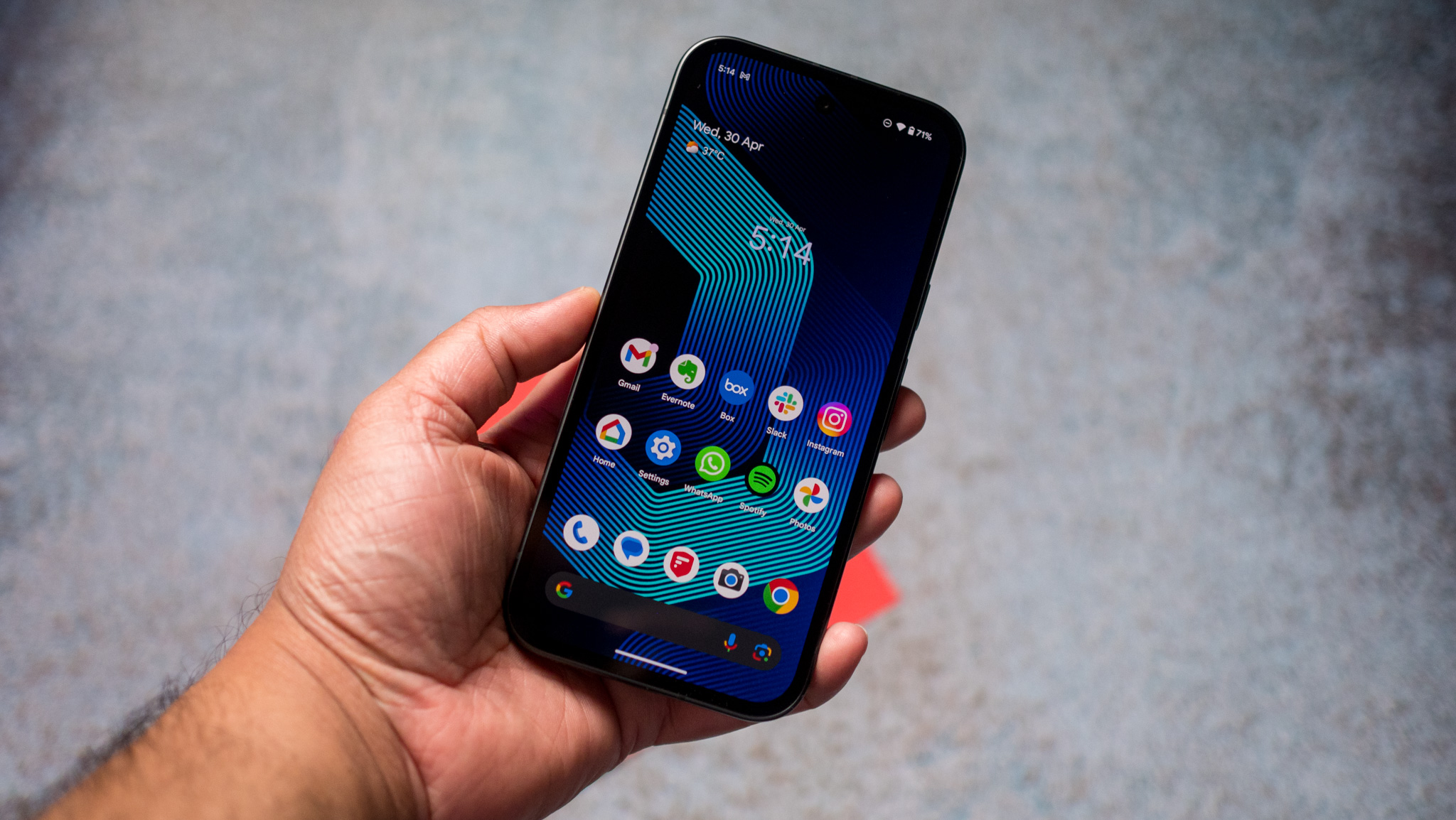
The Google Pixel 9a comes in Iris, Peony, Porcelain, or Obsidian and employs a composite matte back and satin metal finish. It has a smaller 6.3-inch OLED display with Corning Gorilla Glass Actua and a 2,424 x 1,080 resolution, with a 60-120Hz adaptive refresh rate. It’s much brighter at up to 2,700 nits. Michael Hicks says in his review that it’s comfortable to see outdoors with decent color saturation. While watching videos side by side with the step-up Google Pixel 9, he didn’t notice any difference in color accuracy or contrast.
With hard edges and an IP68 dust- and water-resistant rating, it’s the first Pixel device without the traditional camera housing, which affords a larger battery and an ultra-slim design. Hicks opines that the camera housing is almost too subtle, but appreciates that it’s so thin that it prevents wobbling and that the phone is incredibly lightweight. The design change was also worth it to cram in a bigger battery.
(Image credit: Harish Jonnalagadda / Android Central)
Its battery is above average at 5,100mAh, which easily lasts over a day, says Hicks, even with heavy use, and can stretch to two days with casual use. But that still doesn’t hold a candle to the OnePlus 15R. Still, you get a rated 30+ hours per charge, which can be extended to 100 hours, or just over 4 days, with Extreme Battery Saver mode. It supports fast charging, but only at 23W. While it has wireless charging, it’s not useful for anything but top-ups and overnight at a snail’s pace, 7.5W.
Get the Google Pixel 9a in 128GB or 256GB storage options, even less than the OnePlus 15R. Both devices are non-expandable, so you’ll have to rely on the cloud beyond the internal storage capacities. The Google Pixel 9a does come with a three-month trial subscription to Google One that includes additional cloud storage, along with three months of YouTube Premium and six months of Fitbit Premium if you have a companion smartwatch like the Pixel Watch 4. So, those are some worthwhile incentives.
Like all the latest Google Pixel phones, you get seven years of software and security updates. But note that as the phone ages, you may not get all the new features that come with a Pixel Drop.
OnePlus 15R vs. Google Pixel 9a: The specs
Let’s breakdown the basic specs of the two Android phones to see how they compare side by side.
Swipe to scroll horizontally
Category
OnePlus 15R
Google Pixel 9a
OS
OxygenOS 16 (based on Android 16)
Android 15 (upgradable)
Colors
Charcoal Black, Mint Breeze
Obsidian, Porcelain, Peony, Iris
Screen Size
6.83 inches
6.3 inches
Screen Resolution
2,800 x 1,272
2,424 x 1,080
Screen Type
1.5K AMOLED
pOLED
Refresh Rate
165Hz
60-120Hz
Processor
Snapdragon 8 Gen 5
Google Tensor G4
RAM
12GB
8GB
Storage
256GB, 512GB (not expadandable; 512GB only for Charcoal Black)
128GB, 256GB (not expandable)
Cameras
50MP main, 8MP ultra-wide, 32MP front
48MP main, 13MP rear, 13MP front
Speakers
Stereo Speakers, Dolby Atmos support
Stereo Speakers
Battery
7,400mAh
5,100mAh
Wireless Charging
No
7.5W
Bluetooth
6.0
5.3
Water Resistance
IP66, IP68, IP69, IP69K
IP68
Cellular
5G
5G
Size
163.41 x 77.04 x 8.3 mm
154.7 x 73.3 x 8.9mm
Weight
214-215 grams
185.9 grams
OnePlus 15R vs. Google Pixel 9a: AI and overall performance
(Image credit: Nicholas Sutrich / Android Central)
The OnePlus 15 relies heavily on OnePlus’ AI experiences. It is the first phone to launch globally with the Snapdragon 8 Gen 5 mobile chipset, which affords a faster CPU and GPU and better AI performance overall, but is a step-down from the Elite chip in the OnePlus 15. AI is handled by OnePlus AI and the Plus Mind system alongside integration with Google Gemini.
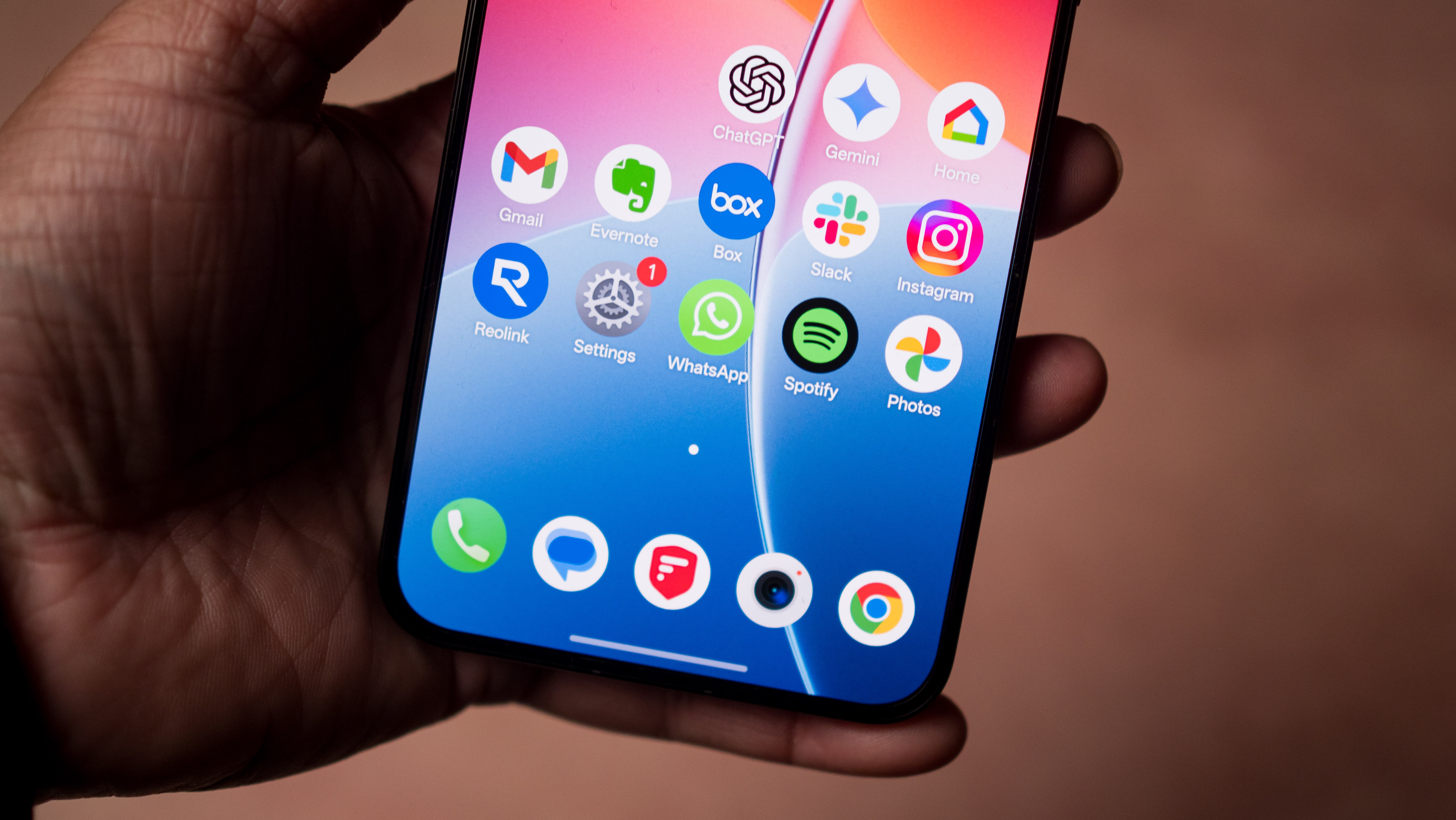
OxygenOS 16, based on Android 16, is powered by Intelligent AI, which includes the new Plus Mind, Plus Key, and Mind Space. With this feature, you can press the Plus Key or swipe up with three fingers from the bottom of the phone to take a screenshot and store it in the Mind Space. The Mind Space area is where you can bookmark key things, like ideas, web pages, e-mails, images, inspiration, key dates, or details. You can even save voice notes.
From there, you can build ideas, even tap into them with Gemini Live with a simple prompt to do things like build a trip itinerary based on everything you saved, or a summary for a presentation. The phone comes with a three-month trial to Google AI Pro. Supporting all these AI goodies alongside the processor is 12GB LPDDR5X Ultra RAM. There’s also UFS 4.1, which ensures fast speeds when transferring or copying data.
(Image credit: Harish Jonnalagadda / Android Central)
In terms of usability, the phone has several features designed to ensure smooth navigation. Parallel Processing 2.0 facilitates smoother app switching, navigation, and multitasking. The Touch Response Chip supports a 3,200Hz touch sampling rate, so the phone is responsive to your commands, a key feature for multitaskers, content creators, and gamers. With dual app control, you can open and interact with two apps on the screen at once, a feature great for multitaskers.
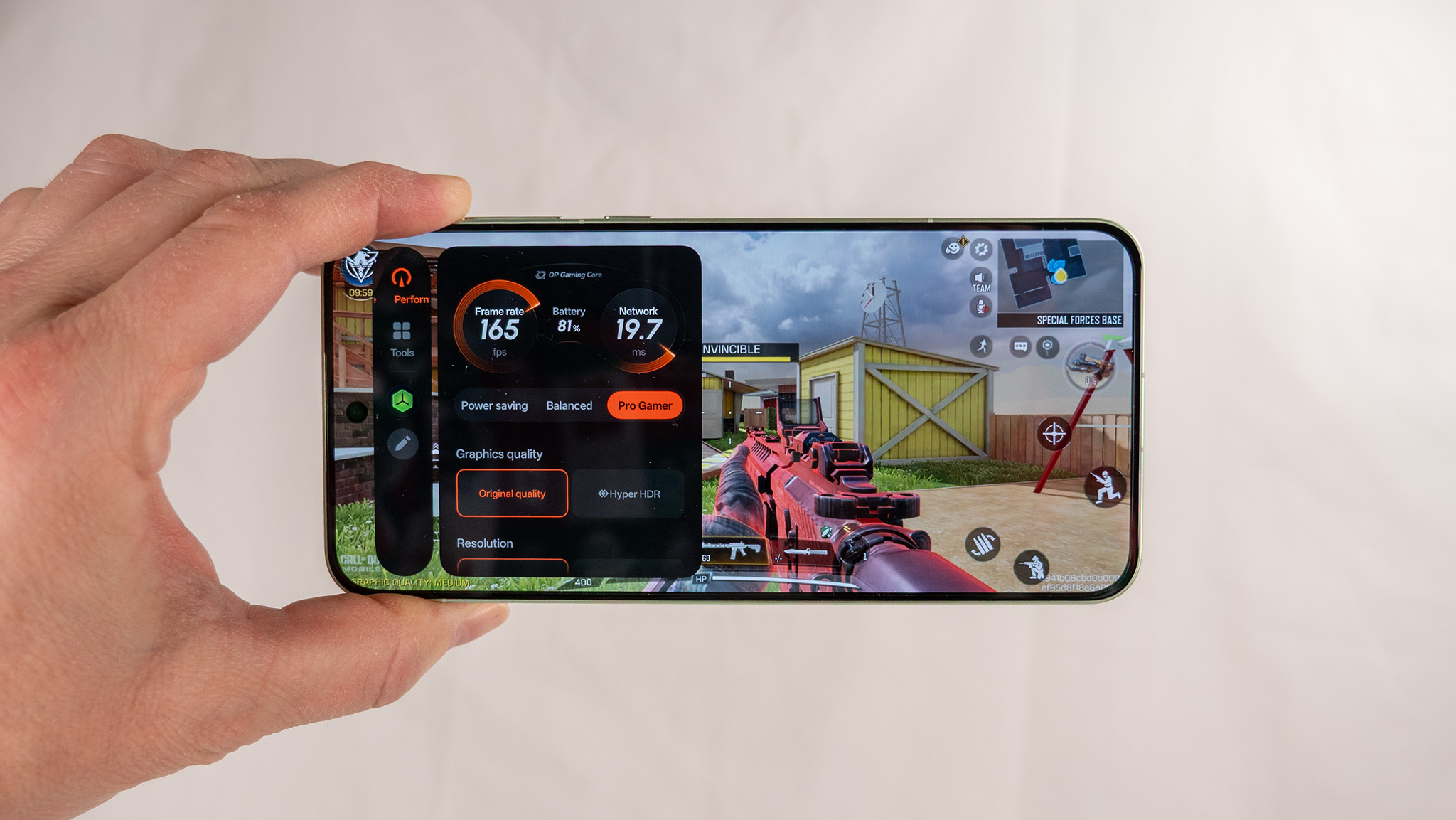
As for gamers, this phone features a high-end cooling system designed to prevent overheating during the most intense activities, like gaming. The 360° Cryo Velocity Cooling System includes a Cryo Velocity Screen Cooler under the display for thermal protection, along with the Cryo Velocity 3D Vapor Chamber to cool down the high-end processor.
There’s also a Cryo Velocity Back Cover for additional cooling. However, Jonnalagadda says all of this doesn’t do much to curtail overheating in his experience. What’s more, most games are still limited to 60fps, so while the phone performs well while gaming, it finds that it isn’t hitting its full potential.
Sutrich disagrees, however, saying that in the few games he played, like Call of Duty Mobile and Clash of Clans, he was blown away by the smoothness and responsiveness, even with games that don’t support the 165Hz display refresh mode. Given these differing opinions, it might be worth trying the phone for a few minutes in-store to gauge how you feel while gaming.
(Image credit: Brady Snyder / Android Central)
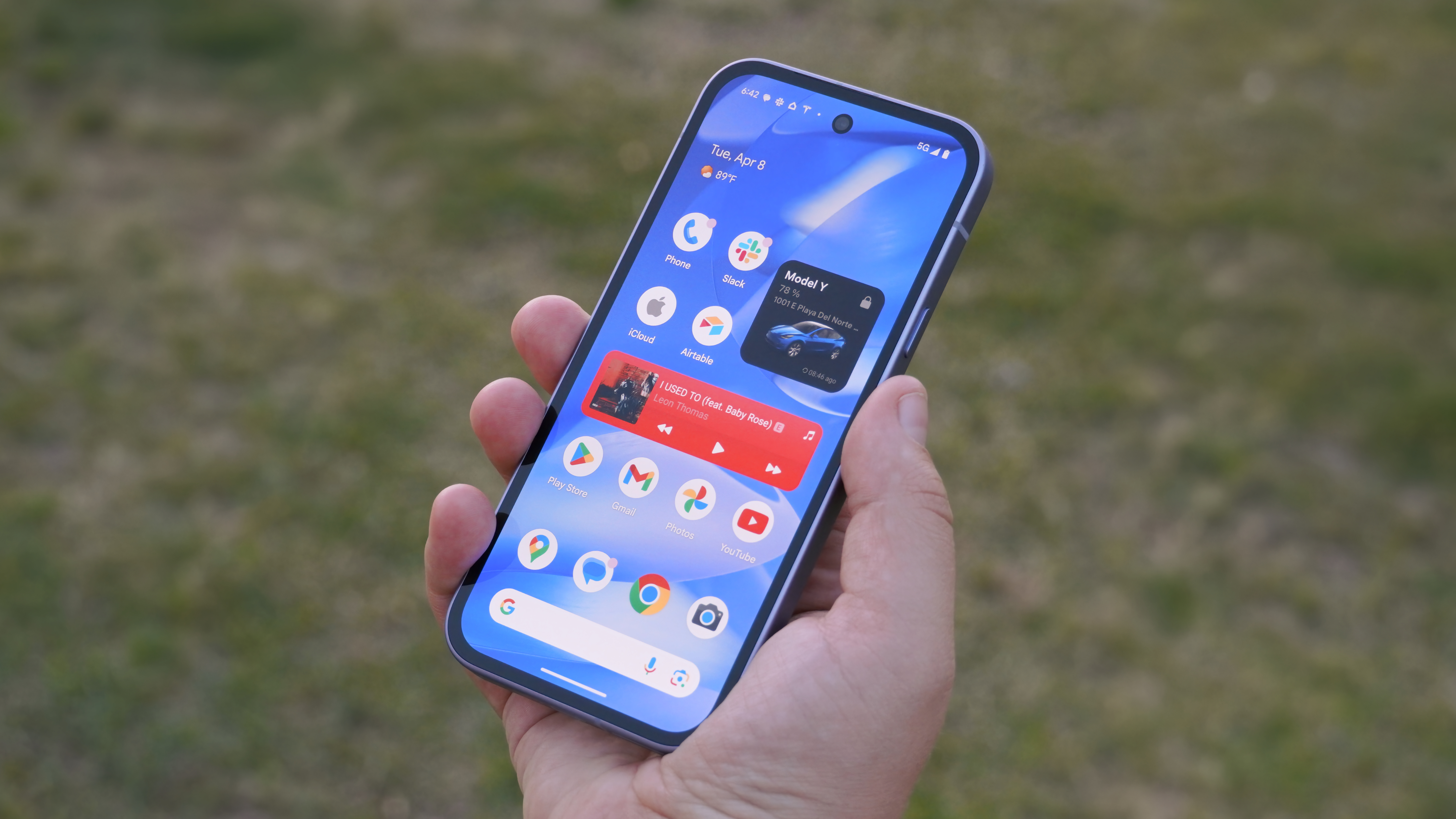
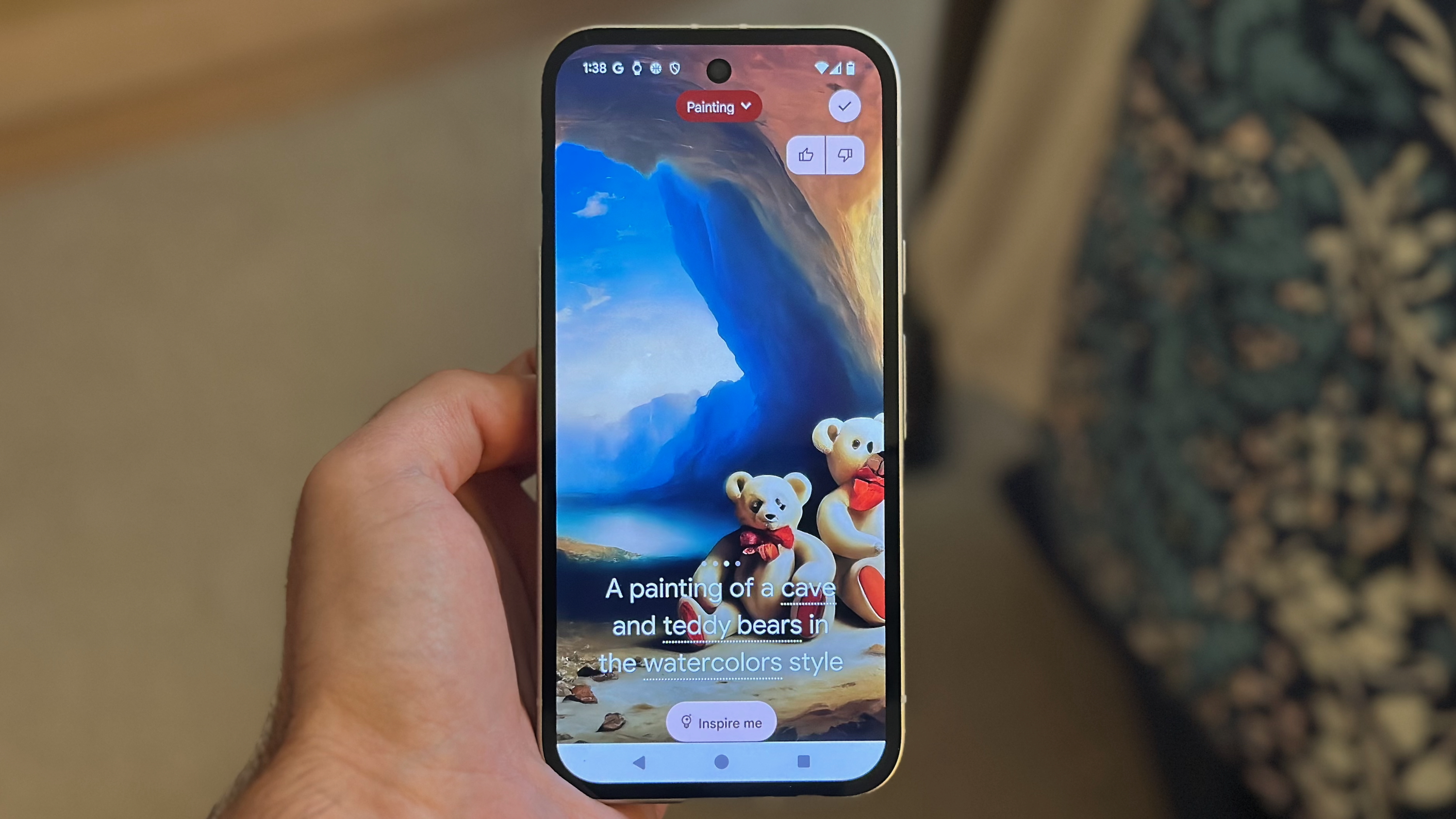
Comparatively, the Google Pixel 9a offers a hefty AI experience as well, with deep integration with Google Gemini. Loaded with Android 15 OS at launch, it’s powered by the Google Tensor G4 processor, ensuring a smooth, pleasant experience. There’s also the Titan M2 security chip. The 8GB RAM is a step down, but this phone is still pretty responsive and powerful.
Naturally, it comes with Google Gemini fully built in and all its features, including assistance with everything from writing to snapping pictures, inquiries, and more. There are useful add-ons like Pixel Call Assist, Clear Calling, Call Screen, and Hold for Me. Some new features in the latest Pixel Drop for the Pixel 9a include AI summaries for chats, photo remixing, expanded Scam Detection, and a unified search bar.
The phone also affords plenty of personalization through things like theme packs, Wicked: For Good ones being the latest offering in the November 2025 Pixel Drop. For gamers and multitaskers, there’s a larger vapor chamber to keep the phone cool that Hicks says pays off in benchmarks. Also worth mentioning are safety features like car crash detection, emergency SOS, crisis alerts, VPN by Google, an auto-lock option if the phone is lost or stolen, and built-in anti-malware and anti-phishing features.
OnePlus 15R vs. Google Pixel 9a: Cameras and camera performance
(Image credit: Harish Jonnalagadda / Android Central)
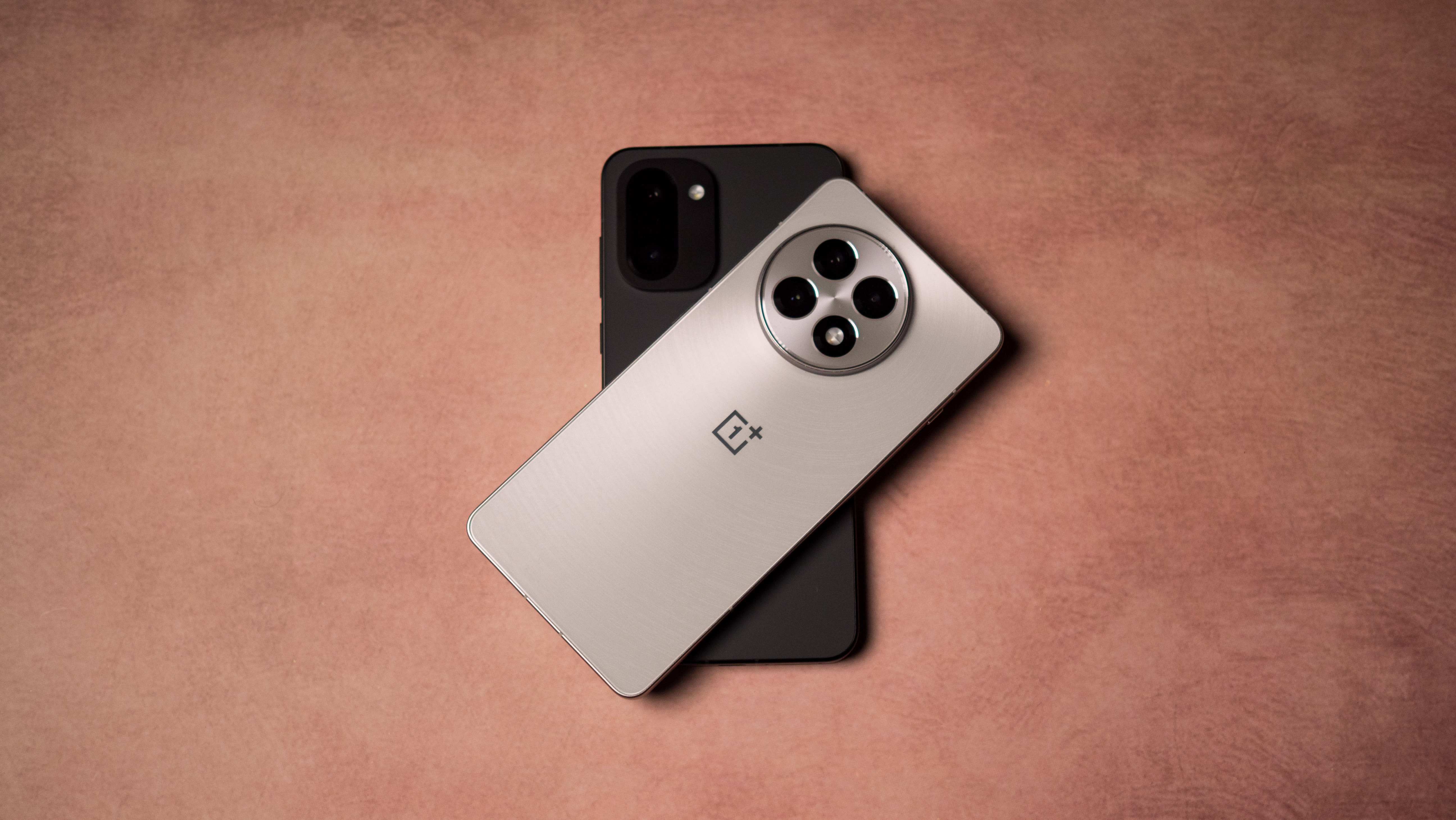
When it comes to taking photos, the phone cameras have similar feature sets. The OnePlus 15R has a 50MP primary camera sensor, the same as the OnePlus 15, along with a 32MP front camera with autofocus and an 8MP ultra-wide camera with a 112° field of view. It’s powered by the OnePlus DetailMax Engine and includes the same features as the OnePlus 15, including Ultra Clear Mode, Clear Burst, and Clear Night Engine. You can also shoot 4K videos at 120 fps.
Enjoy all the useful photo editing and fixing features you have come to know and love on OnePlus phones, including removing distracting objects, unblurring photos, and even removing reflections.
Jonnalagadda points out that the OnePlus 15R is missing a telephoto lens, a marked difference from the previous generation OnePlus 13R that has a 50MP telephoto lens, making that phone arguably the better option in this department. Overall, he says the phone’s cameras don’t perform as well as the OnePlus 13R, with the exception of the great selfie camera. He finds the primary camera decent enough, but he can’t get over the omission of a telephoto lens.
(Image credit: Michael Hicks / Android Central)
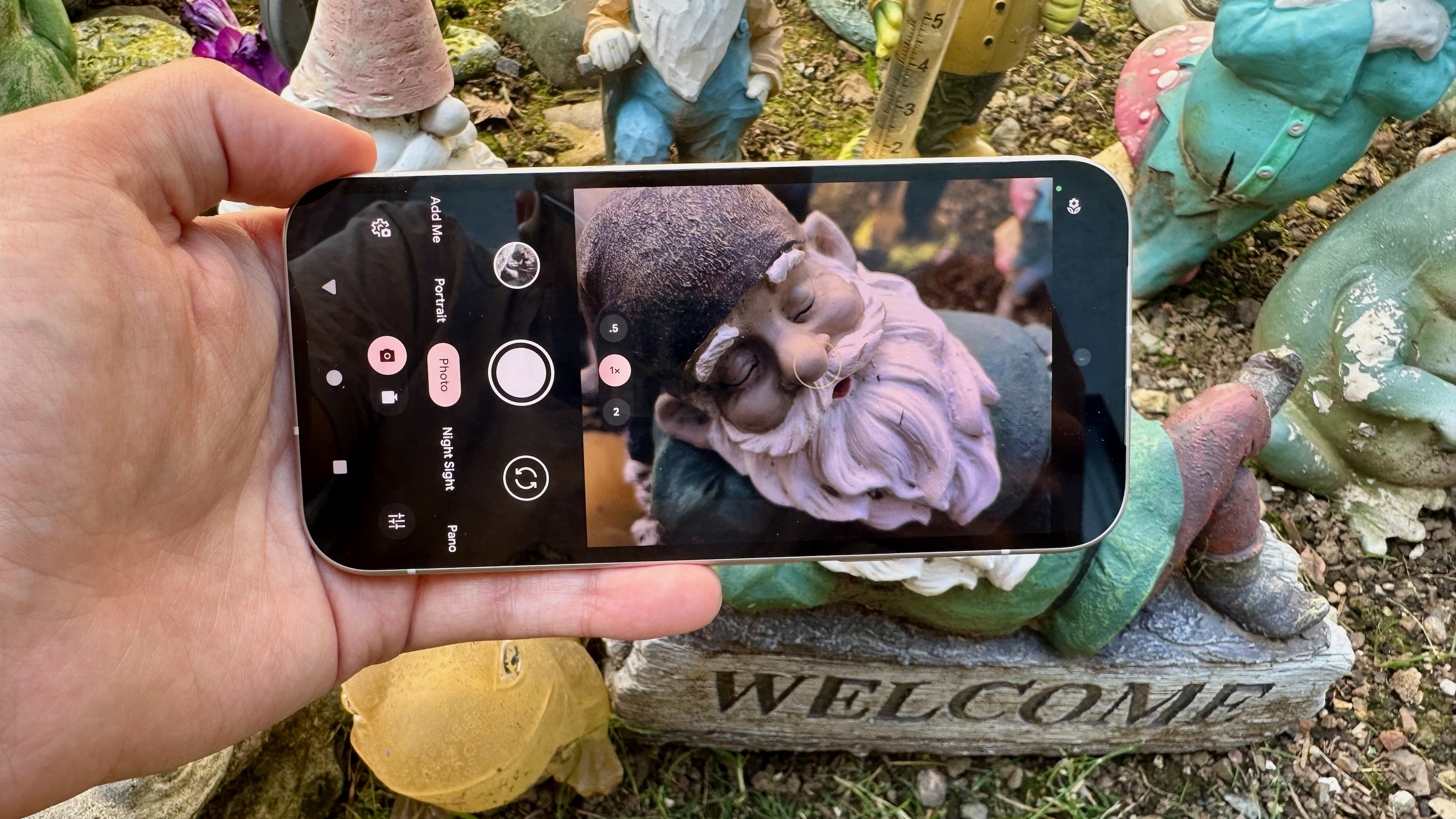
By comparison, the Google Pixel 9a has a 48MP wide-angle primary camera, a 13MP front camera, and a 13MP ultrawide-angle camera. It’s worth mentioning that it doesn’t have a telephoto lens either, but it does have Super Res Zoom.
Google’s photo editing features that leverage AI are where the real magic comes in. There are options like Add Me to add the photographer to a group photo so no one is left out of a shot, Best Take for combining the best expressions from a sequence of photos, and Magic Eraser, Unblur, and more.
One of the latest features is personalized edits in Google Photos, like removing sunglasses or hats and fixing smiles. But this is done through the Help me edit features in Google Photos, which you can access from other phones, too.
Hicks says the cameras capture vivid colors and decent detail in good lighting. But without optical zoom and with a smaller sensor that captures less light, it’s not as good as the Pixel 9 Pro. That’s to be expected since that device is much more expensive.
The Macro Focus mode, however, is stunning, activating by default as soon as you get up close to a subject. Image recognition also smartly focuses on the entire subject versus a tiny spot when in this mode. Overall, he says the phone’s camera strength is with Macro Focus, and its weakness is with low-light photography and a lack of optical zoom.
OnePlus 15R vs. Google Pixel 9a: Which should you choose?
(Image credit: Michael Hicks / Android Central)
If you’re choosing between the OnePlus 15R and the Google Pixel 9a specifically, the answer is simple: go with the Google Pixel 9a. Jonnalagadda doesn’t mince words when he calls the OnePlus 15R “bland and forgettable,” adding that it “isn’t worth your time or money.” This isn’t to say you should ignore OnePlus phones altogether.
If you’re looking for a value option, the previous-generation OnePlus 13R is the better choice and offers tremendous bang for the buck. If you have a bit more dough to spare, upgrade to the OnePlus 15. But between these two devices, the better value is the Google Pixel 9a.
With that said, you may also want to wait for the rumored Google Pixel 10a, though the Pixel 9a will still be a current phone for some time. It’s a solid device that Hicks calls “the Energizer Pixel” and still ranks as the best budget Android phone, with the OnePlus 13R a solid second choice. You’d be happy with either of these phones. When it comes to the OnePlus 15R, however, if you take the advice of Jonnalagadda, skip this one and go back a generation or spend a bit more for the OnePlus 15. It’s a fantastic device worth the extra few hundred bucks.
Skip this one
The OnePlus 15R isn’t a bad phone, per se. But you’ll get more value from the OnePlus 13R, which was only launched a year ago. Either step down to that one, step up to the OnePlus 15, or go with the Google Pixel 9a instead if you want a premium value experience.
Simply the best
The Google Pixel 9a isn’t just the better option between these two value phones, it’s still arguably the best value Android device you can buy right now. You get plenty of AI goodies in a compact package with decent power, camera performance, and another 6.5 years of updates left.