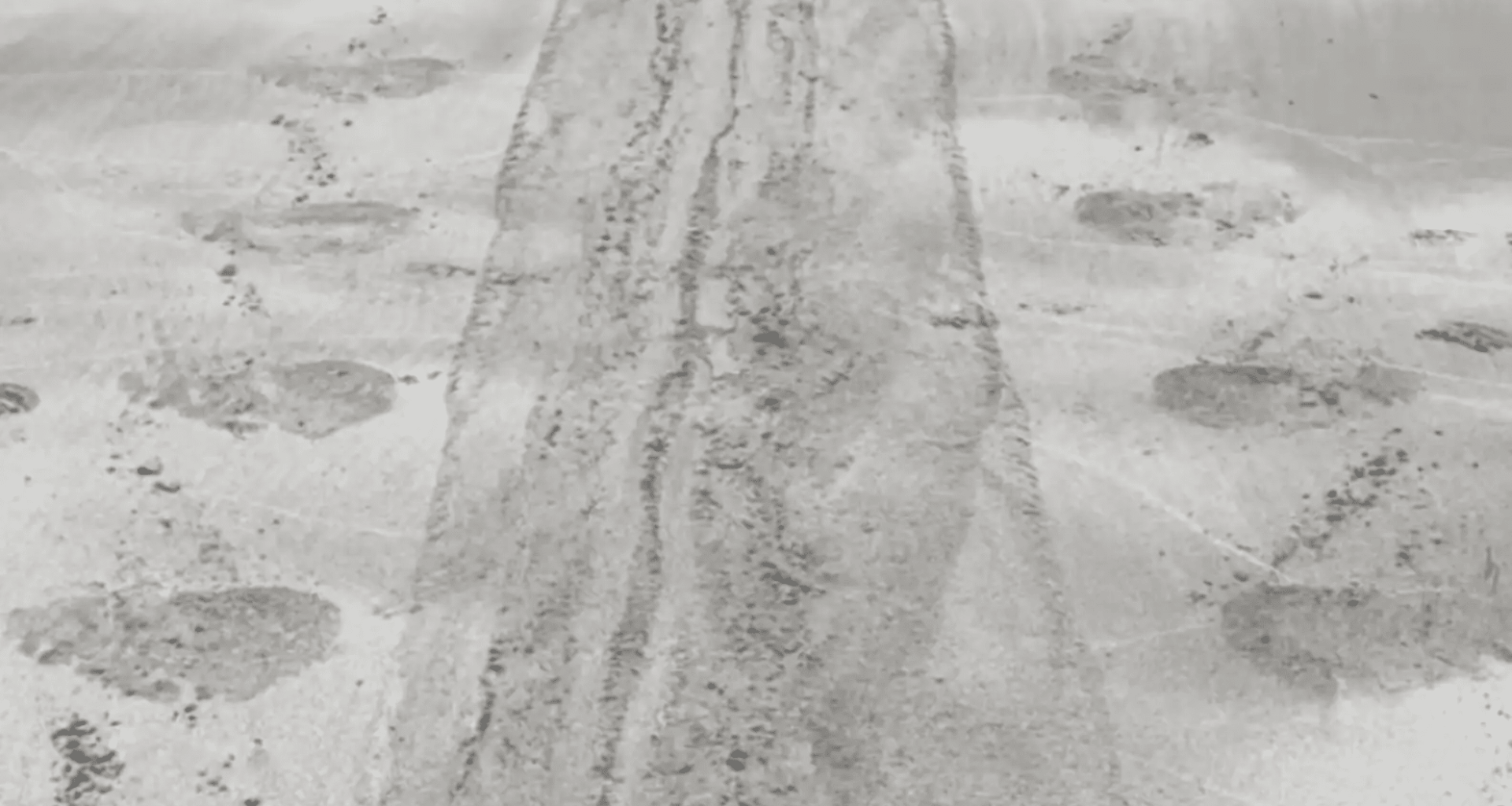
A recent encounter on a secluded beach in Tasmania has sparked widespread curiosity after a beachgoer stumbled upon a series of strange tracks in the sand, leading to a stunning and unexpected discovery hidden among the dunes. Documented by Wildlife Safe Tasmania and later featured in The Dodo, the moment captured public attention for its rarity and the glimpse it offered into the secretive movements of a rarely seen ocean visitor.
A Rare Appearance On Tasmanian Shores
The southern elephant seal is no stranger to long, arduous journeys across the Southern Ocean. What made this particular appearance remarkable was not just the sheer size of the animal but the visual trail it left behind, a broad, rectangular path with distinctive circular impressions that caught the attention of a curious passerby. The observer wisely kept their distance and contacted Wildlife Safe Tasmania, whose rescuer Susie responded swiftly to investigate.
Susie was able to confirm that the animal was healthy and simply taking a much-needed rest. “Elephant seals spend months at sea and can swim thousands of kilometres on their foraging journeys, so hauling out on land is completely normal for them,” Wildlife Safe Tasmania explained in a Facebook post. “It’s how they warm up, recover, and reset before heading back into the Southern Ocean.” This routine behavior, though perfectly natural for the species, is rarely seen by humans in this region, making this moment especially memorable for everyone involved.
Quiet Observation Of A Giant At Rest
Susie’s account of the interaction paints a vivid picture of tranquility and mutual respect between human and marine life. “He was mainly sleeping, taking deep, long breaths,” Susie told The Dodo. “He looked up a couple of times and looked at me with his huge eyes, opened his mouth for a big yawn, and lay back down to snooze.” Her observations reflect not only the calm demeanor of the seal but also the immense size and presence that such creatures carry when seen up close.
Despite her experience, Susie noted that she had only encountered a handful of elephant seals in the wild before. This specific meeting stood out for its peaceful intimacy. She ensured that the seal’s escape route to the ocean remained clear and that no disturbance would disrupt its rest. Her presence remained passive, capturing only photographs and impressions. “It was amazing to see,” Susie added. “I feel privileged that I got to photograph him.” These kinds of respectful encounters serve as valuable models for wildlife observation, balancing curiosity with care.
Understanding The Behavior Of Southern Elephant Seals
The behavior exhibited by the elephant seal in Tasmania is typical of its species. These animals, which can weigh several tons, spend much of their lives in open water, diving to extreme depths and covering vast distances in search of food. Their time on land, known as hauling out, is essential for recovery, molting, and in some cases, breeding.
Despite their massive size and imposing appearance, elephant seals are generally solitary and docile when on land, preferring quiet, undisturbed locations like the remote beaches of Tasmania. The low number of annual sightings (only around twelve reported each year in Tasmania) makes each event a unique opportunity for both the public and wildlife researchers. In this case, the role of Wildlife Safe Tasmania in documenting and ensuring the well-being of the seal underscores the importance of local conservation networks in protecting vulnerable marine life.