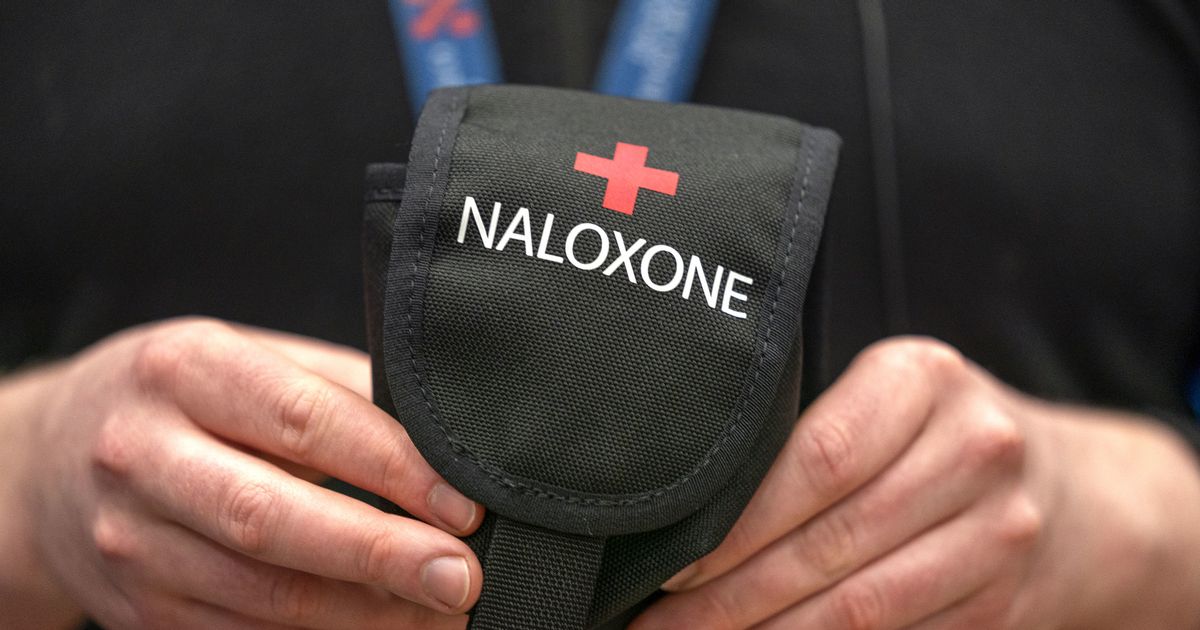
Ministers will consult on supplying overdose drug medication naloxone to hostels, day centres, and services for people experiencing rough sleeping or homelessness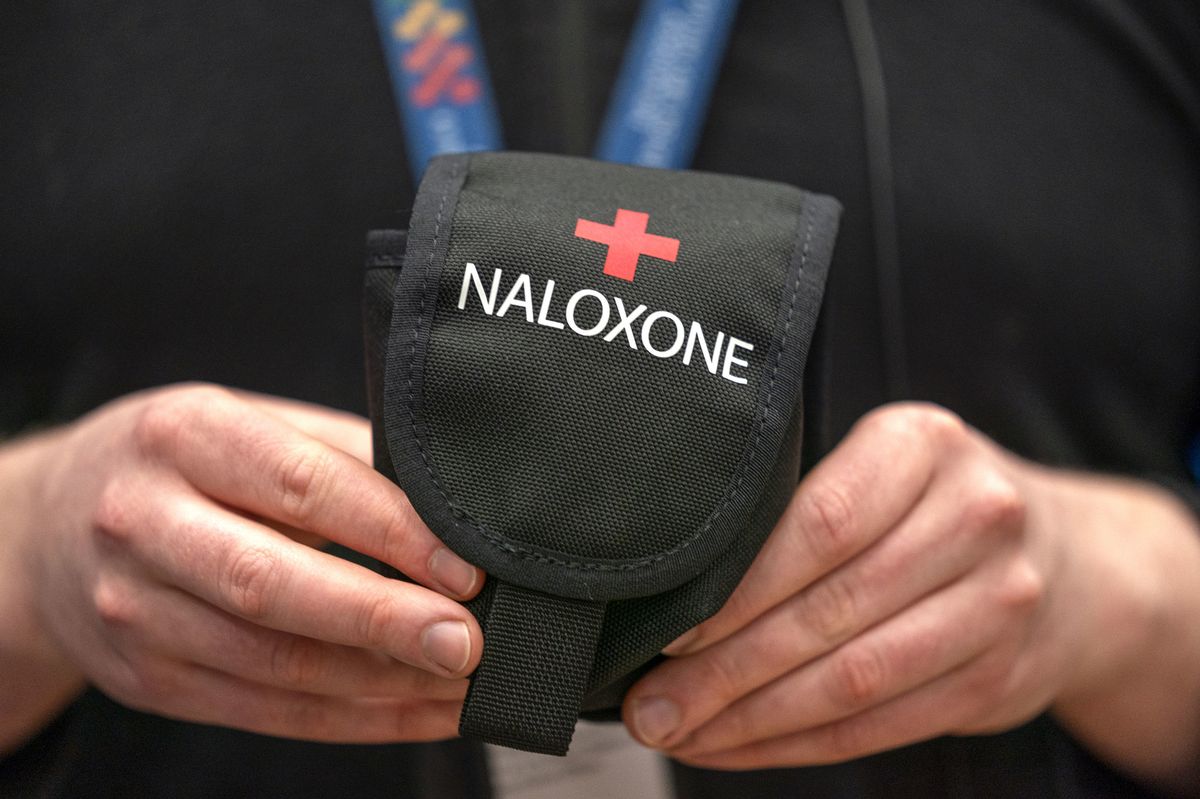 Naloxone – a prescription only medicine – temporarily reverses opioid overdoses(Image: PA)
Life-saving drug overdose medication is set to be made more accessible in homeless shelters and to the public, the government has announced.
Ministers will consult on supplying naloxone to hostels, day centres, and services for people experiencing rough sleeping or homelessness. Naloxone – a prescription only medicine – temporarily reverses opioid overdoses and gives people time to access emergency treatment.
Ministers will also look at allowing supplies to be delivered to emergency staff at organisations including Border Force and the National Crime Agency. And they will examine new ways to access naloxone by installing accessible emergency boxes – similar to defibrillator cabinets – on high streets and near nightlife venues.
Health minister Karin Smyth said: “Every drug death is a preventable tragedy. Naloxone is a safe, effective medication that can reverse an opioid overdose and give someone the chance to access treatment and rebuild their lives.
“We want to remove the barriers which prevent naloxone reaching the people who need it most at that moment when their life is on the line. That is why we are launching this consultation to change the regulations and make sure those coming in contact with opioids through their work – or members of the public faced with an emergency – can save a life.”
In December the government expanded the emergency service professionals able to supply take-home naloxone to police officers, paramedics and probation workers. It is hoped more lives can be saved by expanding it further with support of homeless charities. It forms part of the government’s £3.4billion fund on drug and alcohol treatment services.
DHSC said drug-related deaths have doubled since 2012. Last year a record 5,448 lives were lost in England and Wales while deaths involving nitazenes, a synthetic opioid, have increased substantially from 25 reported deaths in 2023 to 180 in 2024.
Sean Palmer, Executive Director of Strategy and Transformation at St Mungo’s said: “St Mungo’s has long campaigned for wider access to life-saving Naloxone; we welcome this announcement as it provides wider access to a vital tool for supporting people experiencing homelessness who are also using opioids. Naloxone saves lives, it gives people the chance to recover and walk the path out of homelessness for good.”
He added: “At a time when opioid use and the risks associated with it are rising, naloxone is widely used across our services; our outreach teams never go out without it, our colleagues are trained on how to respond to an opioid overdose and frequently save lives.
“We know that substance use can become a coping mechanism for people who feel they have run out of options, especially for people with complex physical and mental trauma which is too often both a cause and consequence of homelessness.