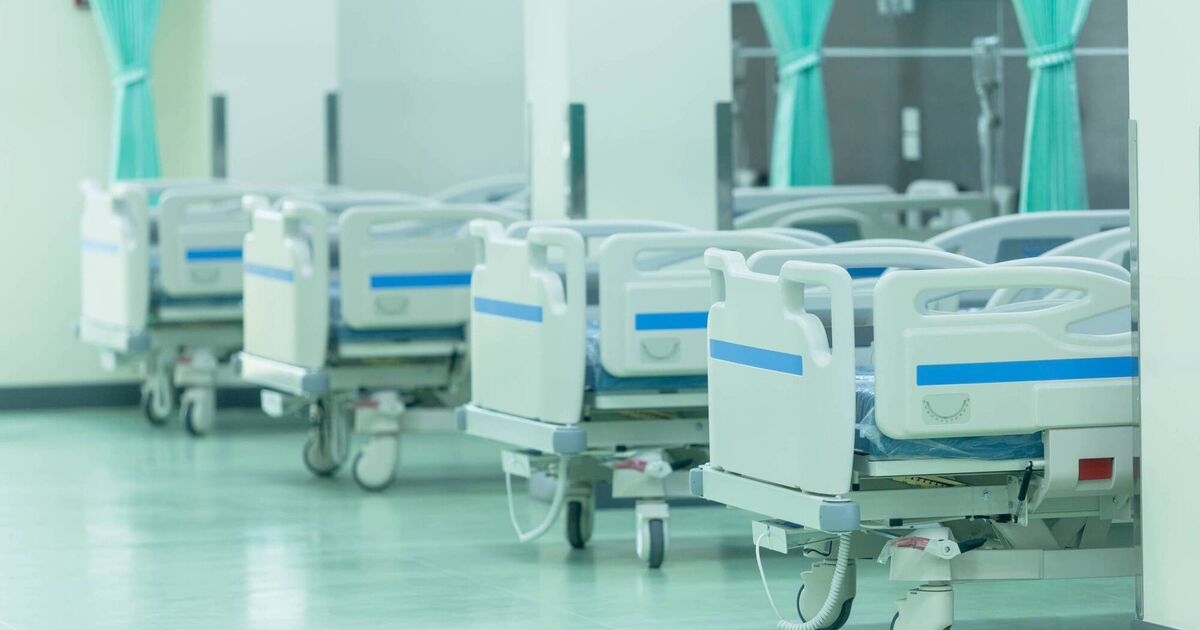
State papers released by the National Archives have revealed details of the horrific death of a young pregnant woman who died along with her baby after being denied admission to a hospital in Mayo over 80 years ago due to a supposed lack of beds.
Confidential documents detail how Ann “Annie” Duffy died on February 27, 1941 at Mayo County Hospital in Castlebar two days after she had been refused admission on several occasions to Ballina District Hospital after developing complications in labour.
Although an inquiry into Ms Duffy’s death heard that the head nurse at Ballina District Hospital had claimed the young woman was refused admission because there were no vacant beds available, it subsequently emerged that there were at least two vacant beds available at the time.
A letter sent on the instruction of the Minister for Local Government and Public Health, Seán MacEntee in March 1942 noted that the head nurse, who subsequently resigned, “gave a preference to paying patients in arranging for admission to the single bed wards of the hospital”. The letter also revealed that officials had serious concerns over the operation of the hospital in Ballina.
HISTORY HUB
If you are interested in this article then no doubt you will enjoy exploring the various history collections and content in our history hub. Check it out HERE and happy reading
The letter which was sent to the Mayo Board of Health and Public Assistance highlighted contradictions in the account of some hospital officials about the circumstances of Mrs Duffy’s non-admission on February 25-27, 1941.
It outlined how the hospital’s medical officer “did not prove at all helpful” when Ms Duffy’s husband tried to get her admitted. The letter by the department’s assistant secretary noted that the medical officer — identified only as Dr Rowland — could have phoned the hospital to check if a bed was available but did not deem it necessary.
It recorded that Mr MacEntee believed Dr Rowland should have telephoned the hospital about the availability of a bed after Mr Duffy had explained the nature of the case.
Dr Rowland readily admitted to the inquiry that he sought and received fees from patients, although regulations for the admission of persons not eligible for free medical care “had not been adopted or approved”.
The letter pointed out that Dr Rowland had no authority for the practice of accepting fees from patients and that he would face disciplinary action if there were any further “well-grounded complaints” against him.
It said the minister would only give his approval to accept fees from patients if there were regulations in place which would limit the number of beds set apart for fee-paying patients “and also that they give poor persons first claim on all the beds in the hospital”.
“It must be understood that the hospital was provided primarily for the poor,” it added. “They must have precedence in the matter of admission at all times.”
The letter noted that Ms Duffy’s death certificate stated she died from cardiac failure and postpartum haemorrhage, although a physician had testified that her death was due to toxaemia and exhaustion.
The Department of Local Government and Public Health observed that evidence of poor record keeping over many years was found in both the hospitals in Ballina and Castlebar.
The minutes of a meeting of the Mayo Board of Health and Public Assistance had also noted that Dr Rowland “was held to be not free from blame in the matter”. It stated that the hospital’s medical officer should have made further efforts to ascertain if a bed had been available for Ms Duffy.
The board also said Ballina District Hospital should be able to provide an additional fifth bed in its maternity ward.
Files revealed that the deceased’s husband, P J Duffy, who was a native of Ballina, was still seeking answers about his wife’s death over 10 years later in 1952 when he was based in Britain.
Mr Duffy, who had petitioned for the inquiry into his wife’s death, claimed her life and perhaps the life of their baby could have been saved if she had been admitted to Ballina District Hospital.
A local GP, Francis Keane who had examined Ms Duffy after she went into labour in her mother’s house in Ballina, said he had recommended her admission to Ballina District Hospital and tried to arrange an ambulance for her as she was staying in an overcrowded house that was “reeking with infection”.
Dr Keane recorded that one child who was suffering from bronchial pneumonia and influenza died some days later. However, the GP said he was informed that there was no bed available for Ms Duffy after contacting the matron.
Dr Keane said he also contacted the matron two or three times again the following day to try and get Ms Duffy admitted but was “to be disappointed”.
He also tried again in the early hours of the next day (February 27, 1941) but got the same response and so arranged for her to be brought to the Mayo County Hospital in Castlebar by ambulance where she and her baby died a few hours after admission.