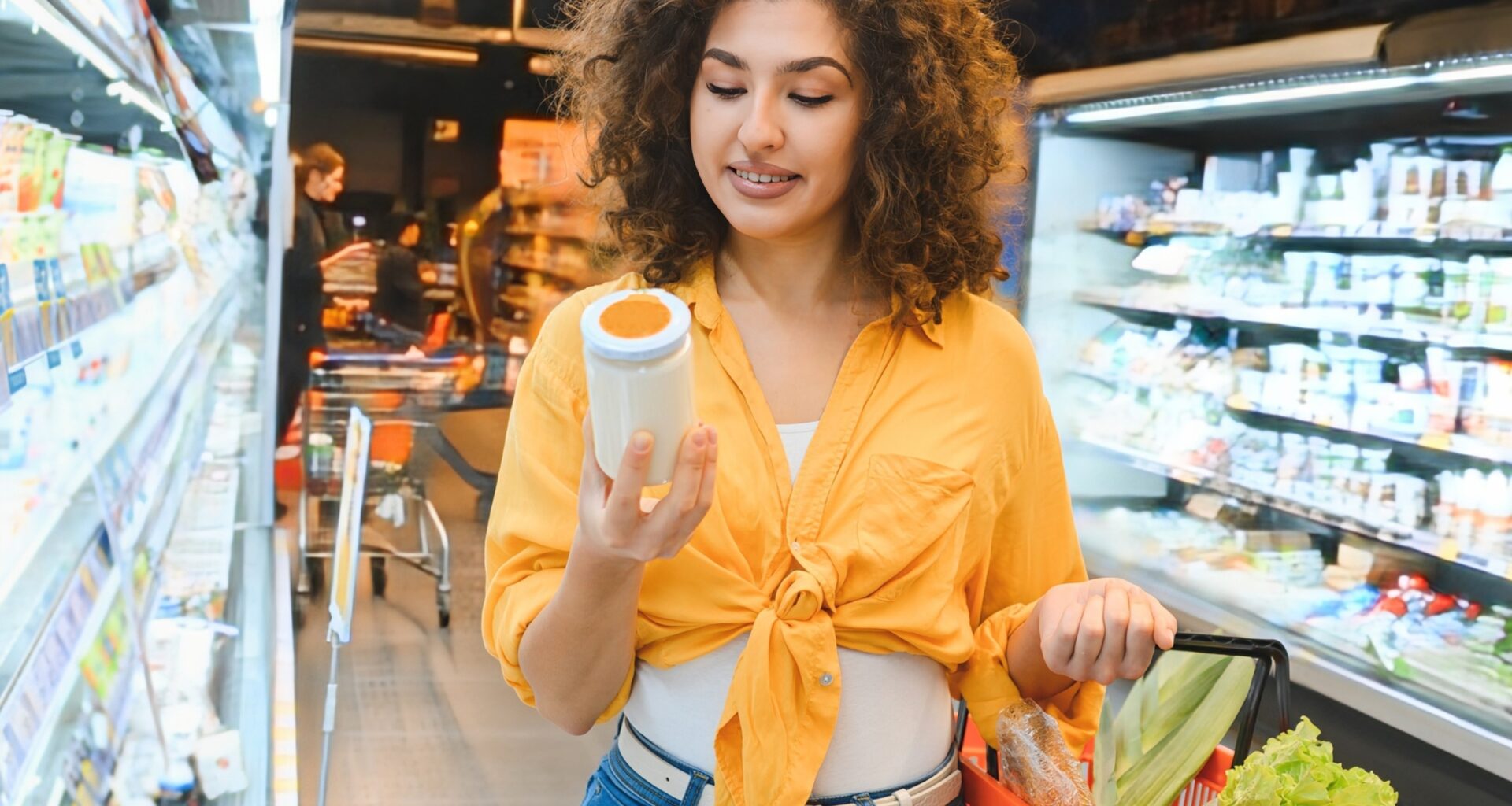
A new analysis of millions of shopping receipts reveals that popular GLP-1 weight-loss drugs such as Ozempic and Wegovy are quietly reshaping everyday spending.
Researchers at Cornell University found that grocery bills fell by more than five percent within just six months of starting the medications.

The results suggest that the buying changes could matter for grocery chains and restaurants.
Receipts show appetite shifts
Food purchases change quietly when people feel full sooner, and store scanners record those choices without relying on memory.
The work was led by Sylvia Hristakeva, an assistant professor of marketing in Cornell’s SC Johnson College of Business.
Her research centers on how health influences consumer demand, a perspective that keeps the spending study firmly rooted in everyday household choices.
How the drugs work
Doctors prescribe Ozempic and Wegovy as GLP-1 receptor agonists, medicines that mimic a gut hormone to curb appetite.
These medicines also slow stomach emptying, which reduces the urge to keep eating soon after a meal.
Lower hunger can bring nausea or vomiting for some users, so clinicians usually increase doses slowly over several weeks.
Why appetite signals matter
A late-night snack run often reflects a mix of physical hunger and ingrained routine rather than true need alone.
Appetite medicines can change cravings, because the brain weighs pleasure signals differently when hunger cues stay lower all day.
Less craving often means fewer impulse snacks, yet individual experiences vary widely, especially when people take the drugs for diabetes.
Linking surveys to receipts
The researchers matched survey answers about when the medicines were started to checkout records from about 150,000 participating U.S. households.
The team used an observational study, research that tracks people without assigning treatments, to compare adopters with similar non-users.
Matching narrows the most visible differences, but unseen factors – such as dieting efforts or changes in insurance coverage – could still shape what ultimately ends up in shopping carts.
Grocery spending and snacks
Grocery budgets fell soon after adoption, and lower totals lasted at least one year for households that stayed on medication.
“The data show clear changes in food spending following adoption,” said Hristakeva.
Later, the decline weakened, so the results describe average behavior, not a guarantee for any individual family over time.
The biggest cutbacks appeared in ultra-processed foods, where cravings often drive extra buying.
Savory snacks dropped 10.1%, with similar declines in sweets, baked goods, and cookies during the early purchasing period.
Everyday essentials, including bread, meat, and eggs, also saw declines, showing the trend went beyond merely skipping snacks.
Foods substituted for snacks
Some purchases moved the other way, hinting that smaller appetites can steer shoppers toward foods that feel easier to finish.
Yogurt rose the most, followed by fresh fruit, nutrition bars, and meat snacks – which all increased modestly.
Because the baskets shrank overall, these bumps may reflect substitution, not a sweeping turn toward healthy eating for everyone.
Appetite drugs and restaurant spending
Eating out often happens without much thought, especially when commuters grab quick meals between work, errands, and school pickups.
Spending fell about 8.0% at fast-food chains, coffee shops, and similar places after households started GLP-1 medicines.
Fewer restaurant visits could matter most in neighborhoods built around drive-through traffic, though home cooking also carries its own costs.
Appetite effects vary by income
Money and time both influence what lands in a cart, because higher-income households buy more convenience and discretionary treats.
Among higher-income households, grocery spending fell 8.2% – a larger percentage drop than the average cut across all adopters.
Bigger starting budgets can produce bigger percentage changes, but the spending study cannot determine whether choices came from health goals or side effects.
What happens after treatment
In the spending study, discontinuation of appetite drugs pulled food spending back toward earlier levels, and grocery baskets became slightly less healthy than before starting medication.
In a U.S. cohort, 46.5% with diabetes and 64.8% without diabetes discontinued GLP-1 medicines within one year.
That pattern makes long-term market forecasts tricky, since food habits can bounce back when treatment pauses or ends.
Food industry reactions
Food companies watch these patterns, because smaller appetites can reduce demand for large packages, snack multipacks, and combo meals.
Retailers may respond with smaller portions, more protein-rich items, and clearer nutrition information that fits lower-calorie shopping habits.
Those moves could broaden choice, yet they could also steer marketing toward medically driven customers and away from people without access.
Bigger health questions
As GLP-1 medicines spread, public health planners want to know whether appetite control lasts, and who can afford ongoing treatment.
Better data on diet quality, muscle loss, and long-term safety will matter as insurers and governments debate coverage rules.
Ultimately, the study shows how a medicine that changes appetite can ripple into spending, supply plans, and daily routines.
Tracking purchases over time can show how biological appetite control interacts with education and labeling, though barriers like access and adherence continue to limit its impact.
The study is published in the Journal of Marketing Research.
—–
Like what you read? Subscribe to our newsletter for engaging articles, exclusive content, and the latest updates.
Check us out on EarthSnap, a free app brought to you by Eric Ralls and Earth.com.
—–