
With suicide the biggest killer of men under 50, Sir Stephen warns: ‘We need strides: strides that turn words into action, promises into properly funded services.’ Sir Stephen Fry (Image: Mike Marsland/WireImage)
Every year, suicide kills more men under 50 than any other cause. These deaths are not numbers to be footnoted and forgotten; they are absences felt by the empty chairs at the Christmas dinner table, the missed birthdays, the futures that will never unfold.
This is a tragedy we are not powerless to prevent. My own experiences with mental health issues have taught me that, for many, the thought of ending one’s life can become an almost daily companion — until the right support and treatment arrive. The government’s new men’s health strategy is welcome, and long overdue in its acknowledgement that men, from all walks of life, need mental health support that makes it truly accessible to them.
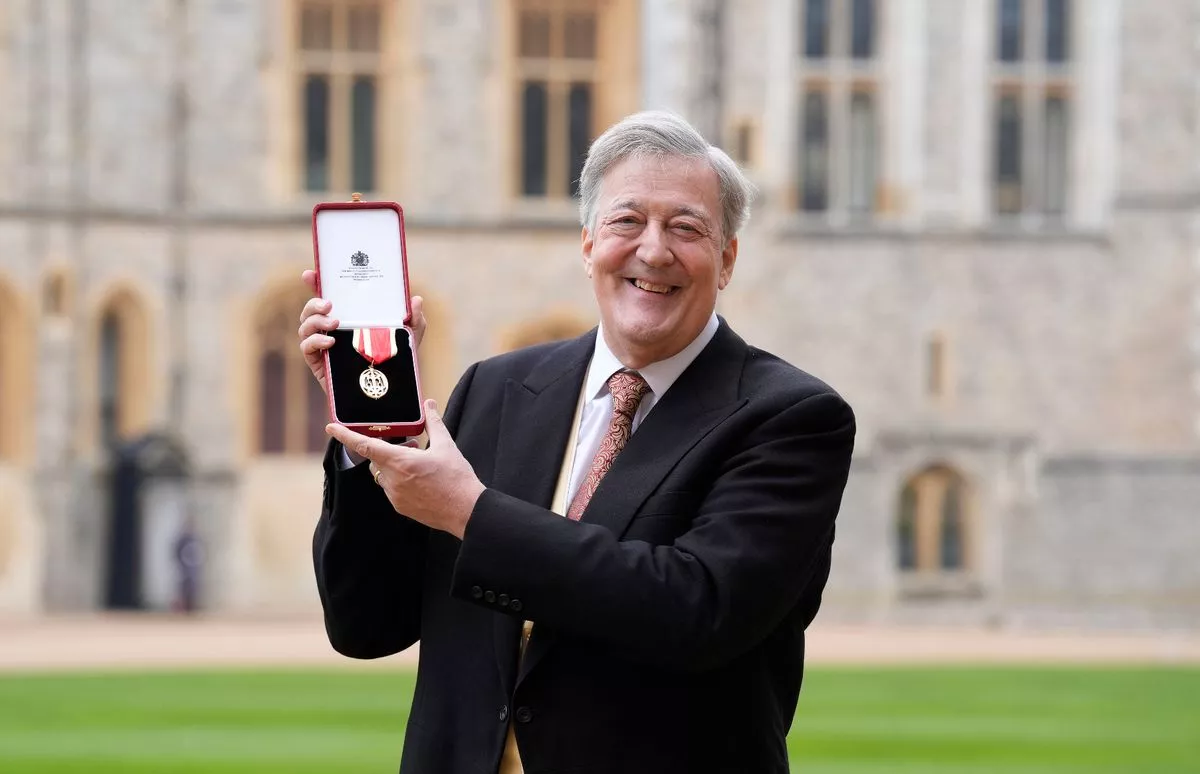 Campaigning actor Sir Stephen, 68, was knighted for services to mental health awareness(Image: PA)READ MORE: Stephen Fry’s powerful plea to tackle men’s mental health ‘national emergency’
But recognition alone does not save lives. Applause is not treatment. Warm words won’t catch someone as they fall. What is required now is action, investment, and a genuine transformation of our mental health services. But no transformation will succeed unless we also dismantle stigma. The urgency is real: recent research from Mind — the magnificent charity of which I have the honour to be president — shows that attitudes around mental health are actually worsening, with negative stereotypes and misunderstanding becoming more entrenched.
Against this backdrop, people struggle to ask for help. This is true of men and women: for example, rates of self-harm among girls and young women are devastating. With men, outdated ideas of masculinity continue to equate vulnerability with weakness, and help-seeking is too often treated as a failure of character rather than an act of courage. Society has taught generations of men to man up rather than speak up but expresses surprise when grown men cannot find the words to articulate suffering.
Truly changing this culture — through honest conversation and public awareness — is a vital step. We must create a society in which seeking help is seen not as a defeat, but as a declaration of self-respect. Yet, raising awareness without providing adequate services is like opening a door only to reveal an empty room. When someone finally summons the courage to reach out — often after months or years of silent struggle — they must find support waiting for them, not a waiting list. For someone in crisis, these lengthy months, sometimes even years, are not merely inconvenient; they can be fatal.
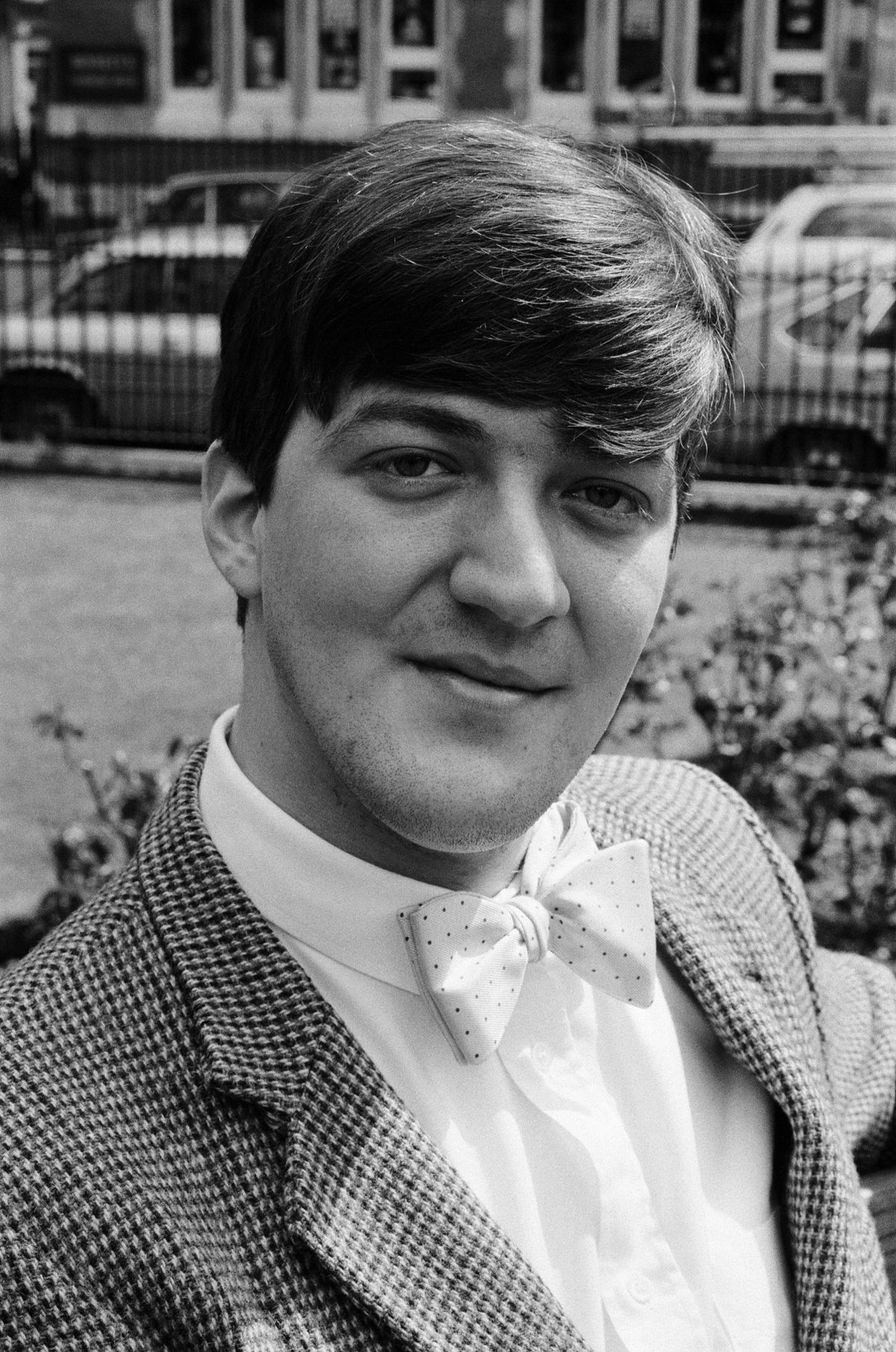 Sir Stephen pictured in 1983(Image: Mirrorpix)
Crucially, mental health support must be available when people need it, not when the system may be able to accommodate them. Early intervention is not merely preferable — it is an essential lifeline. Mind’s Christmas campaign highlights how seemingly small problems, left unaddressed, gather momentum until they become overwhelming — a missed bill becomes debt, work stress becomes breakdown, low mood becomes crisis. When we catch people before they reach that point, we not only save lives but prevent the devastating ripple effects that mental health crises have on families, workplaces and communities.
Real change demands sustained and serious investment. We welcome the government’s aims, but far more must be done to make sure it meets the scale of need. It means training more therapists, opening more counselling services, and ensuring help is available in every community. It means creating spaces where men feel comfortable asking for help — services designed together with the communities they’re meant to serve, not imposed from above. It means taking mental health to where men already are: workplaces, sports clubs, GP surgeries — and offering varied forms of support, including physical activity-based approaches that many men find more accessible.
I experienced this first-hand on The Traitors recently. That may sound silly, but truly what struck me was watching a group of strangers — many of them men — quickly form genuine bonds and actively support each other. There was real camaraderie and a willingness to be publicly vulnerable with one another in ways that might have seemed impossible at the start. It didn’t require complicated interventions or special training — just people given the space and permission to connect. It reminded me that men do open up and connect deeply when we create environments where it feels safe to do so.
 The actor writes that ‘outdated ideas of masculinity continue to equate vulnerability with weakness'(Image: PA)
We can no longer afford to treat mental health as a secondary concern, to be addressed once everything else is in order. Data consistently shows that suicide is the leading cause of death among men under 50 in England and Wales. It is not a niche issue — it’s a national emergency. The government has taken a step forward, and that deserves recognition — but steps, however well-intentioned, will not suffice. We need strides: strides that turn words into action, promises into properly funded services. The moment for action is now. Lives depend on it.
The Samaritans operate a free 24/7 helpline on 116 123. To give to Mind’s Christmas appeal visit: mind.org.uk/donate/