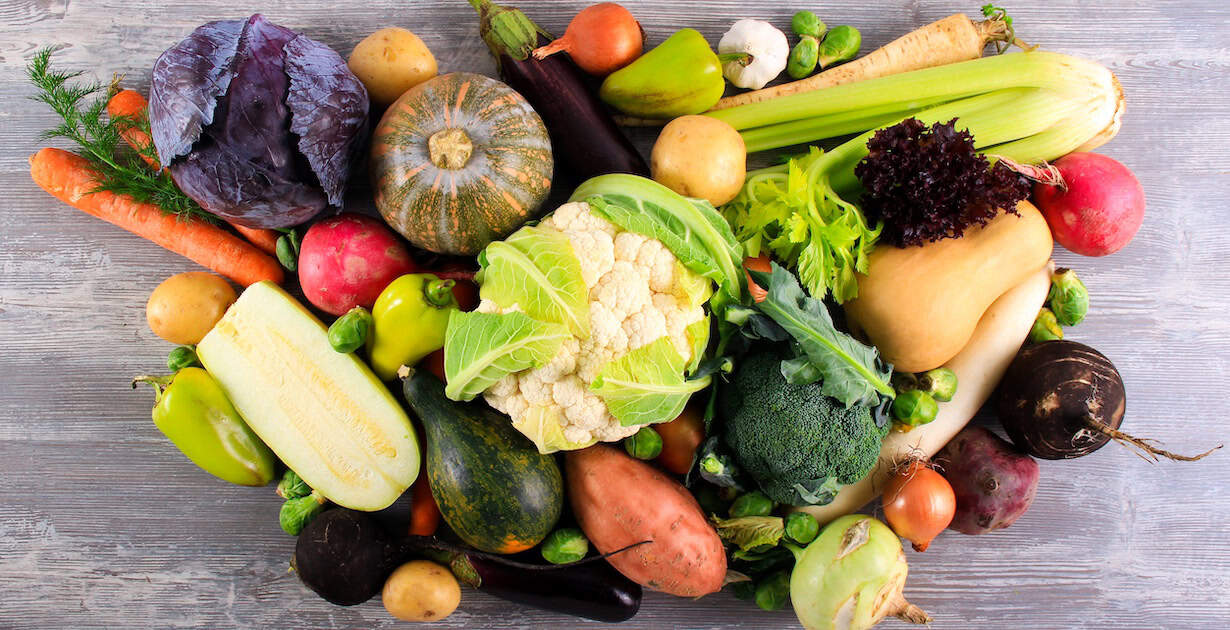
January is often thought of as a sparse month for fresh produce, but in reality, January produce offers a rich selection of nutrient-dense fruits and vegetables. Many cold-weather crops reach peak flavor and nutrient density during this time, providing essential vitamins, minerals, antioxidants and fiber that support immune health, digestion and overall vitality.
By focusing on January seasonal produce, you can enjoy fresh, local and flavorful foods while also aligning your diet with natural growing cycles. Eating seasonal produce also tends to be more sustainable, cost-effective and environmentally friendly.
What is the seasonal produce in January? From hearty root vegetables and cruciferous greens to sweet winter fruits and citrus, January produce offers a wide array of flavors and textures that can be incorporated into meals in countless ways.
This guide provides a detailed overview of the best January vegetables and January fruits, along with tips on selection, storage and preparation.
Best January vegetables
What vegetables are in season in January? Here are some of the top January vegetables to eat:
1. Kale
Kale is a hardy leafy green that thrives in cold weather, often becoming sweeter after frost exposure. It is exceptionally rich in vitamins A, C and K, along with folate, calcium, magnesium and antioxidant flavonoids, making it a powerhouse for cardiovascular, bone and immune health.
There are several varieties, including curly kale with ruffled leaves, Lacinato (or dinosaur) kale with dark and wrinkled leaves, and Red Russian kale, which has tender, reddish-purple leaves with a slightly peppery flavor.
Beyond its impressive nutrient profile, kale contains compounds like sulforaphane and indole-3-carbinol that support liver detoxification and healthy inflammatory responses. Including kale in your diet during January can help counteract the seasonal immune challenges often faced in winter months.
How to choose and store: When selecting kale, look for leaves that are deeply colored, firm, and free of yellowing or wilting. Avoid bunches with slimy or damaged leaves, as these are signs of age or poor storage.
Curly kale tends to be sturdier for cooking, while Lacinato kale is preferred for raw salads due to its tender texture.
Kale should be stored unwashed, loosely wrapped in a plastic bag or a produce container, and kept in the refrigerator’s crisper drawer. Properly stored, kale can last up to a week, maintaining both its flavor and nutritional quality.
How to prepare: Kale is extremely versatile in the kitchen. It can be massaged with olive oil and lemon juice for a tender salad, sautéed with garlic and a pinch of chili flakes as a side dish, or blended into smoothies for an extra nutrient boost. Lacinato kale is ideal in soups and stews, such as white bean and kale soup, while curly kale works well baked as crispy kale chips or added to grain bowls for texture and flavor.
Additionally, kale can be incorporated into casseroles, stir-fries or even homemade pesto, among other kale recipes. Combining kale with nuts, seeds, citrus or fermented foods enhances both taste and nutrient absorption.
2. Spinach
Spinach is a versatile green that thrives in cooler months, offering high levels of iron, magnesium, and vitamins A, C and K, as well as antioxidant phytonutrients. It is known to support eye health, immune function and cardiovascular wellness.
Varieties include flat-leaf spinach, often used in cooking, and savoy spinach, which has curly, crinkled leaves suitable for salads and sautés.
Spinach is particularly beneficial during winter. Its vitamin C content can help bolster immune defenses, and its folate contributes to cardiovascular and metabolic health.
Regular consumption also provides fiber that supports healthy digestion.
How to choose and store: Select spinach with vibrant, deep green leaves and minimal wilting. Avoid yellowed or slimy leaves, which indicate spoilage.
Baby spinach is tender and ideal for raw applications, while mature leaves are better for cooking due to their robust texture.
Store spinach unwashed in a ventilated container or loosely wrapped in paper towels inside the refrigerator. Washing before storage can accelerate spoilage.
Properly stored, spinach can last five to seven days, maintaining freshness and nutrient density.
How to prepare: Spinach can be enjoyed raw in salads, blended into smoothies, sautéed with olive oil and garlic, or incorporated into soups, omelets and casseroles. Combining it with healthy fats such as avocado, nuts or olive oil improves absorption of fat-soluble vitamins.
Spinach also pairs well with citrus, mushrooms, eggs or grains for hearty winter meals.
Here are a few spinach recipes to try:
3. Swiss chard
Swiss chard is a leafy green prized for its thick stems and large, flavorful leaves. It is rich in vitamins A, C and K, along with magnesium, potassium and antioxidants that support cardiovascular and bone health.
Varieties include rainbow chard with vibrant stems and green chard, which is milder and versatile for cooking.
Chard contains unique phytonutrients, including betalains, which have anti-inflammatory and detoxification properties. Eating chard in January provides both a nutrient-dense green and a colorful addition to winter meals.
How to choose and store: Look for chard with crisp, vibrant leaves and firm, unblemished stems. Avoid leaves that are yellowed or wilted, as they indicate age.
Chard is best stored in the refrigerator, loosely wrapped in a damp cloth or paper towel to maintain moisture without causing rot. Proper storage can preserve chard for up to one week.
If not used immediately, separate the stems from the leaves, as stems take slightly longer to cook and can last longer when stored separately.
How to prepare: Swiss chard is ideal for sautéing with garlic, onions or olive oil. The leaves can be added to soups, stews and grain bowls, while the stems can be chopped and cooked slightly longer to soften.
Chard also works in frittatas and quiches or stuffed with grains and legumes for a nutrient-rich main dish. Chard greens is a classic recipe to try.
4. Collard greens
Collard greens are large, sturdy leafy vegetables that are staples in Southern-style cooking. They are loaded with vitamins A, C and K, as well as fiber, calcium and sulfur compounds that support detoxification and cardiovascular health.
While varieties are fewer, common types include Georgia, Vates and Top Bunch collards, each with slight differences in leaf thickness and flavor.
These greens are particularly hardy in winter, gaining a mildly sweet flavor after frost exposure. Including collard greens in winter diets provides a filling, nutrient-dense option that supports long-term health and digestive function.
How to choose and store: Select collard leaves that are dark green, firm, and free of holes or yellow spots. Avoid leaves that appear wilted or dry.
Store in a perforated bag or loosely wrapped in a damp cloth in the refrigerator. Collards can last up to a week when stored properly, maintaining both texture and nutritional content.
To maximize freshness, avoid washing until just before use. If storing for longer, consider blanching and freezing collard greens, which preserves both flavor and nutrients for months.
How to prepare: Collard greens are best suited for slow cooking methods like braising with broth, garlic and a touch of smoked seasoning, such as this crockpot collard greens recipe with cajun spices. They can also be sautéed with mushrooms or bacon for added flavor.
Younger, tender leaves are excellent for wraps or salads, providing versatility in winter dishes. Adding acid, such as vinegar or lemon juice, brightens the flavor and enhances nutrient absorption.
5. Brussels sprouts
Brussels sprouts are compact cruciferous vegetables high in fiber, vitamin C, vitamin K, folate and glucosinolates. These sulfur-containing compounds are known for supporting liver detoxification and promoting antioxidant defenses.
Varieties include Jade Cross and Long Island Improved, each with subtle differences in size, flavor and texture.
Brussels sprouts develop a sweeter flavor after exposure to frost, making them ideal for January consumption. Regular intake can support cardiovascular health and provide a satisfying, nutrient-dense side for winter meals.
How to choose and store: Choose firm, small to medium sprouts with tight, unblemished leaves. Avoid yellowed or loose leaves, which indicate aging.
Store unwashed in the refrigerator in a perforated plastic bag to retain freshness. Brussels sprouts can last up to two weeks when stored properly, making them convenient for batch roasting or meal prep.
How to prepare: Brussels sprouts can be halved and roasted until caramelized with olive oil, salt and pepper. They can also be shredded raw into salads or lightly sautéed with shallots and balsamic vinegar.
Combining with bacon, nuts or dried fruit enhances flavor and texture. For a creamy option, sprouts can be steamed and tossed with a mustard cream sauce for a comforting winter side.
6. Broccoli
Broccoli is a cruciferous vegetable rich in vitamin C, vitamin K, folate, fiber and sulforaphane, a bioactive compound that supports cellular detoxification and antioxidant defenses. Varieties include standard broccoli and sprouting broccoli, with the latter offering a more delicate flavor and smaller florets.
Regular consumption of broccoli helps boost immune function during winter months and provides a versatile vegetable for multiple cooking methods.
How to choose and store: Look for tight, dense florets and firm stalks with a deep green color. Yellowing or soft spots indicate age.
Broccoli should be stored unwashed in the refrigerator and used within one week to maintain peak flavor and nutritional content.
How to prepare: Broccoli can be steamed, roasted, sautéed, or incorporated into soups and casseroles. Roasting with olive oil, garlic and a sprinkle of lemon zest highlights its natural sweetness.
It can also be eaten raw with dips or chopped into grain salads for added texture and nutrition. There are tons of broccoli recipes to try, including some that use many January produce items.
7. Cauliflower
Cauliflower provides fiber, vitamin C, vitamin K, folate and antioxidants that support overall health and metabolic function. Varieties include traditional white cauliflower, purple cauliflower with anthocyanins and Romanesco, which has a striking fractal appearance and slightly nuttier flavor.
Cauliflower’s mild flavor and nutrient density make it ideal for winter recipes that replace grains or add bulk to meals without excessive calories.
How to choose and store: Select compact, firm heads with creamy white or vibrant colored florets. Avoid heads with brown spots or soft areas.
Cauliflower can be stored in a perforated bag in the refrigerator for up to one week.
How to prepare: Cauliflower can be roasted, steamed, mashed or riced as a low-carb alternative to grains. It is excellent in soups, gratins and stir-fries or pureed into creamy sauces.
Seasoning with spices, citrus or cheese enhances its naturally mild flavor. There are plenty of cauliflower recipes to try out there, and this January vegetable goes well with other January produce.
8. Cabbage
Cabbage is a storage-friendly winter vegetable rich in vitamin C, vitamin K, fiber and glucosinolates.
Varieties include green, red, savoy and Napa cabbage, each offering subtle differences in texture and taste. Red cabbage is high in anthocyanins, which provide antioxidant and anti-inflammatory benefits.
Eating cabbage helps support gut health, immune function and overall nutrient intake, especially when fresh local options are used.
How to choose and store: Choose dense, firm heads with crisp leaves. Avoid any yellowing, wilting or damaged leaves.
Cabbage can be stored whole in the refrigerator for up to three weeks, making it ideal for long-term meal planning.
How to prepare: Cabbage can be braised, sautéed, roasted or fermented into sauerkraut for added probiotics. Napa cabbage is perfect for soups and stir-fries, while red cabbage pairs well with apples and balsamic for a colorful side dish.
You also can follow a cabbage soup diet or make some of the following recipes:
9. Carrots
Carrots are versatile root vegetables known for their high beta-carotene content, which the body converts into vitamin A to support vision, immune function and skin health. They also provide fiber, potassium, vitamin K, and antioxidants like lutein and zeaxanthin.
Winter varieties, often harvested after the first frost, are naturally sweeter due to starch-to-sugar conversion. Common varieties include Nantes, Imperator, Chantenay and rainbow carrots.
Carrots’ nutrient density and natural sweetness make them ideal for both raw and cooked applications in winter meals. Their versatility allows them to be incorporated into salads, roasted vegetable medleys, soups, stews and even desserts, such as carrot cake or carrot pudding.
How to choose and store: Choose carrots that are firm, smooth and vibrant in color. Avoid carrots with cracks, soft spots or signs of mold.
The greens, if attached, should be fresh and not wilted. Storing carrots with the tops removed prevents them from drawing moisture from the root and helps extend shelf life.
Carrots store best in the refrigerator, either in perforated bags or wrapped in a damp paper towel to maintain moisture. When stored properly, they can last up to one month, making them convenient for long-term meal planning.
How to prepare: Carrots can be roasted with olive oil, thyme and a pinch of sea salt for a naturally sweet side dish. They also work well shredded raw into salads or slaws, blended into creamy soups, or steamed and mashed with herbs.
For a sweet option, glaze roasted carrots with honey and balsamic vinegar, or use in baking, such as carrot muffins or carrot cake cupcakes.
10. Beets
Beets are nutrient-rich root vegetables known for their deep red, purple or golden flesh. They are high in folate, manganese, potassium, fiber and naturally occurring nitrates, which may help support healthy circulation and blood pressure.
Common varieties include red, golden and Chioggia beets, the latter having a distinctive red and white ringed pattern. Beets have an earthy flavor that becomes sweeter when roasted or boiled.
In addition to their cardiovascular benefits, beets contain betalains, pigments with antioxidant and anti-inflammatory properties. They can support detoxification and contribute to overall winter health due to their concentrated micronutrient content.
How to choose and store: Choose beets that are firm, smooth, and free of soft spots or wrinkles. Smaller beets tend to be sweeter and more tender.
Remove the leafy tops before storing, as they draw moisture from the root. Beet greens are edible and nutrient-dense, providing vitamins A and K, and can be prepared similarly to chard or spinach.
Beets store well in the refrigerator for up to three weeks when kept in a perforated bag. For longer storage, they can be roasted and frozen, which preserves both flavor and nutrients.
How to prepare: Beets can be roasted whole or cubed, boiled, or steamed. Roasted beets pair well with citrus, goat cheese or balsamic vinegar.
They can be grated raw into salads for a fresh, crunchy texture, blended into soups like borscht, or juiced. Beet greens can be sautéed with garlic and olive oil as a side dish, maximizing the use of the whole vegetable.
11. Parsnips
Parsnips are sweet, creamy root vegetables with a nutty flavor. They are high in fiber, vitamin C, folate, potassium and complex carbohydrates that provide sustained energy.
Winter-harvested parsnips tend to be sweeter due to frost exposure, similar to carrots. Common varieties include Hollow Crown, All Season and White Gem.
Parsnips’ nutritional profile benefits immune function, digestion and cardiovascular health. Their natural sweetness and dense texture make them excellent in both savory and slightly sweet winter dishes.
How to choose and store: Select firm, unblemished parsnips with smooth skin. Avoid any with soft spots or cracks.
Store them in a perforated plastic bag or wrapped in a damp paper towel in the refrigerator to maintain moisture. Parsnips can last up to three weeks when properly stored.
How to prepare: Parsnips can be roasted with olive oil, garlic and rosemary for a sweet and savory side. They can also be mashed with butter and cream as an alternative to potatoes, added to soups or stews, or pureed for creamy vegetable dishes.
For a slightly sweet twist, roast parsnips with a drizzle of honey or maple syrup alongside carrots and beets.
12. Turnips
Turnips are low-calorie root vegetables rich in vitamin C, fiber and potassium. They belong to the cruciferous family and aid digestive health and immune function. Smaller varieties like Hakurei are tender and sweet, while larger traditional turnips have a more pungent, earthy flavor.
Turnips are often overlooked, but their versatility makes them valuable in winter diets. They can be eaten raw or cooked, providing a slightly peppery, crisp bite or soft, sweet flavor depending on preparation.
How to choose and store: Choose small to medium turnips that are firm and smooth. Avoid large, woody or cracked roots, which may be bitter.
Remove any green tops, as they draw moisture from the root, but turnip greens are edible and rich in vitamins A and K.
Turnips can be stored in the refrigerator in perforated bags for up to two weeks. They can also be blanched and frozen for longer-term storage.
How to prepare: Turnips can be roasted, mashed, boiled, or added to stews and soups. Roasting brings out their natural sweetness, while boiling or steaming produces a tender texture ideal for mashing. Turnip fries are a great option.
Turnip greens can be sautéed with garlic and olive oil or added to soups for additional nutrients.
13. Rutabaga
Rutabaga is a root vegetable that is believed to be a cross between cabbage and turnips. It has a denser, sweeter flesh and provides fiber, vitamin C, potassium and complex carbohydrates.
Common varieties include Laurentian, American Purple Top and Swedish Yellow. Its mild, earthy flavor mellows during cooking, making it ideal for soups and roasted dishes.
Rutabaga is particularly beneficial in January because it stores well and provides hearty sustenance during colder months. Its high fiber content aids digestion, while potassium and antioxidants contribute to heart health and overall wellness.
How to choose and store: Select rutabagas that are firm, smooth and heavy for their size. Avoid cracked or soft roots.
Remove the greens, if attached, and refrigerate roots in a perforated bag. Properly stored, rutabagas can last up to several weeks, making them excellent for batch cooking.
How to prepare: Rutabaga can be roasted with olive oil and herbs, mashed as a flavorful alternative to potatoes, or incorporated into soups and stews. It pairs well with carrots, parsnips and onions.
For a creamy side dish, rutabaga can be pureed with a touch of butter and nutmeg. This baked vegetable fries recipe includes rutabaga and other January vegetables.
14. Sweet potatoes
Sweet potatoes are nutrient-dense root vegetables prized for their natural sweetness and versatility. They provide complex carbohydrates for sustained energy, fiber for digestive health, and are rich in vitamin A, vitamin C, potassium and antioxidants.
Varieties include orange-fleshed Beauregard and Jewel, white-fleshed varieties, and purple-fleshed types that contain anthocyanins with antioxidant benefits.
Sweet potatoes are particularly valuable in January because they store well, develop richer flavor when kept in cool conditions and provide a comforting, hearty addition to winter meals. Their high beta-carotene content also helps protect immune function and skin health during the cold season.
How to choose and store: Select sweet potatoes that are firm, smooth, and free from bruises, cracks or soft spots. Avoid sprouting roots or those with green skin.
Store in a cool, dark and well-ventilated area (not in the refrigerator) to preserve flavor and texture. Sweet potatoes can last for several weeks under proper conditions.
How to prepare: Sweet potatoes can be roasted whole, cubed for salads or side dishes, mashed as a substitute for regular potatoes, or incorporated into soups and stews. They are excellent baked with spices like cinnamon and nutmeg or tossed with olive oil and rosemary for savory roasting.
Sweet potato fries, gratins and casseroles are also popular winter preparations, and there is a plethora of sweet potato recipes to try.
15. Winter squash
Winter squash includes varieties such as butternut, acorn, delicata, spaghetti and kabocha. These types of squash provide beta-carotene, vitamin C, fiber, potassium and complex carbohydrates that support sustained energy.
Many varieties are naturally sweet and dense, making them ideal for warming winter recipes.
Winter squash also offers antioxidants and anti-inflammatory compounds, which are beneficial during cold months. Its versatility allows for both sweet and savory dishes, providing nutrient density and satiety.
How to choose and store: Choose squash that is heavy for its size, with firm, blemish-free skin. Avoid any soft spots or cracks.
Store whole squash in a cool, dry, dark place where it can last up to three months. Once cut, refrigerate in an airtight container, and use within a few days.
How to prepare: Squash can be roasted in cubes, pureed into soups, stuffed with grains and vegetables, or baked into pies and casseroles. Spaghetti squash can be baked and shredded into noodle-like strands for low-carb pasta dishes. Kabocha and butternut squash are excellent in soups, stews or roasted with spices for side dishes.
Check out these lists of butternut squash recipes, acorn squash recipes and spaghetti squash recipes. Many of them use a variety of January produce.
16. Leeks
Leeks are mild, onion-like vegetables rich in vitamin K, manganese and prebiotic fiber that supports gut health. Their subtle flavor makes them ideal for winter soups, sautés and braised dishes.
Varieties include American Flag, King Richard and Carentan, which differ slightly in stalk thickness and flavor intensity.
Leeks are especially valuable in January, as their high fiber and antioxidant content support digestion and immunity. They add a depth of flavor to dishes without overpowering other ingredients.
How to choose and store: Choose leeks with firm white stalks and dark green tops that are free of damage or excessive dryness. Avoid any that are slimy or wilted.
Store in the refrigerator, unwashed, preferably wrapped in a damp cloth. They can last up to two weeks when stored properly.
How to prepare: Leeks are excellent in soups, such as classic potato leek soup, or sautéed with olive oil and paired with root vegetables. They can be braised, added to casseroles or used as a flavor base in stocks.
For a lighter option, slice and sauté with garlic and herbs for a tender side dish.
17. Fennel
Fennel is a bulbous vegetable with a mild anise or licorice flavor. It is rich in vitamin C, fiber, potassium and phytonutrients that can help improve digestion and cardiovascular health. Varieties include Florence fennel (common in cooking) and various Italian heirlooms.
Fennel is often overlooked in winter diets but provides a crisp, aromatic element to salads, soups and roasted dishes. Its bulb, stalk and fronds are all edible, offering versatile culinary uses.
How to choose and store: Select firm, compact bulbs with fresh green fronds. Avoid cracked or wilted bulbs.
Store fennel in the refrigerator, preferably wrapped in a damp cloth, for up to two weeks. Trim the fronds just before use to maximize freshness.
How to prepare: Fennel can be thinly sliced and eaten raw in salads, roasted with olive oil and herbs, or braised for a sweet, tender side. The fronds can be used as garnish or in sauces, while the stalks can flavor stocks or soups.
Fennel pairs particularly well with citrus, garlic and seafood.
18. Celery
Celery is a crisp, hydrating vegetable rich in vitamin K, folate, fiber and antioxidants. Varieties include Pascal, Tall Utah and Golden, each with subtle differences in stalk thickness, flavor and sweetness.
Celery is ideal for winter cooking and adds texture, flavor and nutrients to soups, stews and salads.
Celery also contains phytonutrients that may help reduce inflammation and support cardiovascular health. It is often used as a base vegetable in stocks, soups and braised dishes.
How to choose and store: Select crisp, firm stalks with vibrant green color. Avoid stalks that are limp, brown or wilted.
Store celery in the refrigerator, ideally wrapped in foil to maintain crispness, where it can last up to two weeks.
How to prepare: Celery can be eaten raw in salads, with dips or as snacks, and it can be sautéed as part of a mirepoix for soups and sauces. It also works well roasted, braised or added to winter grain salads for crunch and flavor.
Here are recipes that utilize celery:
19. Celery root (celeriac)
Celeriac, also known as celery root, is a knobby, earthy-tasting root vegetable that provides fiber, potassium and vitamin C. It has a subtle celery-like flavor and is particularly nutritious during the winter months.
Varieties include giant Prague, Alabaster and Epoque, differing mainly in size and shape.
Celeriac supports digestive health and provides complex carbohydrates for sustained energy in winter meals. Its unique flavor and texture make it a versatile addition to both mashed and roasted dishes.
How to choose and store: Choose firm, heavy roots free of soft spots, cracks or blemishes. Remove the leafy tops before storage.
Refrigerate celeriac in perforated bags for several weeks, maintaining freshness and texture.
How to prepare: Celeriac can be peeled and roasted, mashed with potatoes, or cut into cubes for soups and stews. It can also be shredded raw into slaws or gratins, providing a subtle, aromatic flavor.
20. Endive
Endive is a crisp, bitter green vegetable belonging to the chicory family. It is rich in fiber, folate, vitamin A and antioxidant compounds that support digestion and liver health.
Varieties include Belgian, curly and broadleaf endive, each with varying degrees of bitterness and texture.
Endive adds a refreshing, slightly bitter element to winter meals, balancing rich or sweet flavors. Its bitterness may also help stimulate digestive function.
How to choose and store: Choose compact, pale heads with tight leaves. Avoid heads with yellowing, wilted or soft leaves.
Refrigerate endive in a perforated bag, and use within one week for optimal freshness.
How to prepare: Endive can be eaten raw as salad leaves or used as edible cups for dips, cheeses or grains. It can also be lightly grilled or braised to mellow bitterness.
Pairing with citrus, nuts or vinaigrette highlights its flavor.
21. Escarole
Escarole is a slightly bitter leafy green with thick, broad leaves. It is high in fiber, vitamins A and K, and antioxidants that support liver and digestive health.
Varieties include broadleaf and curly escarole, which differ in texture and bitterness.
Escarole is well-suited for hearty winter cooking, complementing soups, braises and sautéed dishes while providing essential micronutrients during cold months.
How to choose and store: Select crisp, green leaves without yellowing or wilt. Avoid leaves that are slimy or damaged.
Store in the refrigerator in a perforated bag for up to a week. Wash just before use to prevent spoilage.
How to prepare: Escarole can be added to soups like Italian wedding soup, sautéed with garlic and olive oil, or braised with beans and grains. Its slightly bitter flavor pairs well with fatty or acidic ingredients that balance its taste.
22. Radicchio
Radicchio is a red, bitter leafy vegetable rich in fiber, vitamin K and antioxidant compounds such as anthocyanins. Varieties include Chioggia, Treviso and Castelfranco, differing in size, color and bitterness intensity.
Radicchio offers digestive support and is a flavorful addition to winter salads or cooked dishes, adding color, texture and nutrients.
How to choose and store: Select firm, compact heads with vibrant red leaves. Avoid wilted or soft leaves.
Refrigerate radicchio in a perforated bag for up to one week. Wash just before use to maintain crispness.
How to prepare: Radicchio can be shredded into salads, grilled, roasted, or sautéed with olive oil and balsamic vinegar. It pairs well with nuts, citrus, cheeses or grains, offering both flavor and nutritional support during winter meals.
Other January vegetables include:
- Bok choy
- Kohlrabi
- Mushrooms
- Potatoes
- Onions
- Peas
Best January fruits
What fruits are in season in January? The top January fruits include:
1. Oranges
Oranges are sweet, juicy citrus fruits that are high in vitamin C, fiber, potassium and flavonoids. Common varieties include Navel, Valencia, Cara Cara and blood oranges, each offering subtle differences in sweetness, color and acidity.
Oranges are a January produce and winter staple, enhance immune function and hydration during cold months. The combination of fiber and antioxidants makes them excellent for cardiovascular health and digestion.
How to choose and store: Choose oranges that feel heavy for their size and have smooth, brightly colored skin. Avoid fruits with soft spots or mold.
Oranges can be stored at room temperature for a week or refrigerated for several weeks.
How to prepare: Oranges can be eaten fresh, juiced, or used in salads, desserts and dressings. Blood orange pieces add color to salads, while orange zest enhances baked goods, sauces and marinades.
Try these orange recipes:
2. Grapefruit
Grapefruit is a tart, juicy citrus fruit rich in vitamin C, vitamin A, fiber and antioxidants. Varieties include pink, red and white grapefruit, each with slightly different levels of sweetness and acidity.
Grapefruit supports immune health and may help with weight management due to its fiber and low-calorie content. It is especially refreshing during winter months when fresh produce is limited.
How to choose and store: Choose firm, heavy fruit with smooth skin and a slight sheen. Avoid wrinkled or soft fruit.
Grapefruit can be stored at room temperature for several days or in the refrigerator for up to two weeks.
How to prepare: Grapefruit can be eaten fresh for breakfast, broiled with a drizzle of honey or added to salads. Its juice can be incorporated into vinaigrettes or marinades for poultry and seafood.
3. Pomelo
Pomelo is the largest citrus fruit, offering vitamin C, fiber and antioxidants. Its thick rind protects the sweet, tart flesh inside.
Varieties include Chandler, Pink and Honey pomelo, each with slightly different flavor profiles.
Pomelo provides hydrating nutrients and antioxidants that support immunity and cardiovascular health during winter months. Its large size and sweet pieces make it ideal for snacking or salads.
How to choose and store: Choose heavy fruits with pale yellow or green skin. Avoid soft or shriveled fruit.
Pomelos can be stored at room temperature for several days or refrigerated for up to two weeks.
How to prepare: Peel and section pomelo for salads, desserts or eating fresh. Combine pieces with greens, nuts or seafood for refreshing winter salads.
Pomelo juice can also be used in dressings or cocktails.
4. Tangerines
Tangerines are small, sweet citrus fruits with a bright orange skin. They are rich in vitamin C, folate, fiber and flavonoids that support immune health, skin integrity and cardiovascular function.
Popular varieties include Clementines, Satsumas and Honey tangerines, each with slightly different sweetness levels.
Tangerines are ideal for winter consumption due to their natural sweetness, refreshing flavor and concentrated nutrients. They also provide hydration and antioxidants during the colder months when fresh produce is more limited.
How to choose and store: Select tangerines that feel heavy for their size and that have smooth, brightly colored skin with no soft spots or blemishes. Avoid fruits with shriveled or discolored patches.
Store tangerines at room temperature for up to a week or in the refrigerator for longer freshness, which can extend up to two weeks.
How to prepare: Tangerines can be eaten fresh, juiced or sliced into salads. They are delicious in winter green salads paired with nuts and feta or incorporated into desserts, such as tangerine sorbet.
Tangerine juice and zest also enhance marinades, glazes and baked goods.
5. Mandarins
Mandarins are a type of small citrus fruit closely related to tangerines, prized for their sweet flavor and easy-to-peel skin. They are high in vitamin C, antioxidants, fiber and folate, aiding immunity and digestive health.
Varieties include Clementine, Satsuma and Tangerine hybrids, which vary in sweetness and seed content.
Mandarins are perfect for winter snacks and winter salad additions, offering natural sweetness and immune-boosting nutrients when fresh, local produce is in season.
How to choose and store: Choose firm mandarins with bright, unblemished skin. Avoid wrinkled or soft fruits.
Store at room temperature for several days, or refrigerate to extend shelf life for up to two weeks. Keep them away from moisture to prevent mold growth.
How to prepare: Mandarins can be eaten raw, added to salads or juiced. They pair well with greens, nuts and cheeses in salads, and their juice can be used in vinaigrettes, glazes or desserts.
The peels can also be candied for a winter treat.
6. Kumquats
Kumquats are tiny citrus fruits that are typically eaten whole, including the peel, which is sweet, while the flesh is tart. They are rich in vitamin C, fiber and antioxidants, supplying immune support and digestive benefits.
Varieties include Nagami, Meiwa, and Marumi, differing in sweetness and size.
Kumquats are unique in that they can be consumed whole, making them a convenient and nutrient-dense winter snack. Their distinctive flavor adds a bright, zesty note to both savory and sweet dishes.
How to choose and store: Select kumquats that are firm, bright orange, and free of blemishes or soft spots. Store in a ventilated container in the refrigerator to maintain freshness for up to two weeks.
Avoid washing until just before use to prevent spoilage.
How to prepare: Kumquats can be eaten fresh, sliced into salads, or used in marmalades, preserves or chutneys. They pair beautifully with poultry, seafood and roasted vegetables.
For a sweet twist, candied kumquats can be used in baked goods or as a garnish.
7. Lemons
Lemons are bright, tart citrus fruits high in vitamin C, potassium and flavonoids. They are good for immune health, digestion and antioxidant defenses.
Varieties include Eureka, Lisbon and Meyer lemons, with Meyer lemons being sweeter and less acidic, ideal for desserts and beverages.
Lemons are January produce and winter staples due to their ability to enhance flavor in both savory and sweet dishes while contributing valuable nutrients during the cold season.
How to choose and store: Select lemons that are heavy for their size, with smooth, bright yellow skin. Avoid lemons with soft spots, shriveling or mold.
Store at room temperature for about a week, or refrigerate to extend shelf life for several weeks.
How to prepare: Lemons can be juiced for beverages, salad dressings or marinades. Their zest can flavor baked goods, sauces and roasted vegetables.
Lemon slices enhance seafood dishes, and preserved lemons add depth to Mediterranean or Middle Eastern recipes.
Here are some lemon-focused recipes to try:
8. Limes
Limes are small, tart citrus fruits high in vitamin C, flavonoids and antioxidants. Common varieties include Persian (Tahiti) limes and Key limes, each with distinct acidity and flavor profiles.
Limes can help boost immune function and add brightness to winter recipes. They are excellent for adding flavor without calories, while contributing nutrients and hydration during the winter months when fresh produce is limited.
How to choose and store: Choose limes that are firm, heavy and free of blemishes. Avoid shriveled or soft fruits.
Store at room temperature for a few days, or refrigerate in a ventilated bag for up to two weeks.
How to prepare: Limes are used in beverages, dressings, marinades and desserts. They pair well with seafood, poultry, grains and vegetables.
Lime zest can enhance baked goods, while lime juice brightens sauces, soups and salad dressings.
Here are a few lime recipes to make:
9. Apples
Apples are sweet to tart fruits high in fiber, vitamin C and polyphenols that promote heart health, digestion and antioxidant defenses. Varieties include Fuji, Honeycrisp, Gala, Braeburn and Granny Smith, each with different textures and levels of sweetness.
Winter apples are often harvested in the fall but store exceptionally well, providing fresh fruit options throughout January. Their fiber and polyphenols also help with gut and cardiovascular health.
How to choose and store: Select apples that are firm, smooth and free from bruises. Avoid wrinkled or soft spots.
Store in the refrigerator’s crisper drawer to maintain freshness for up to several weeks.
How to prepare: Apples can be eaten raw, baked, stewed, or incorporated into salads, oatmeal or desserts. They pair well with cinnamon, nuts, grains and winter squash.
Apples can also be juiced or used in sauces and compotes. The following recipes utilize this January fruit:
10. Pears
Pears are sweet, juicy fruits rich in fiber, vitamin C and potassium. Common varieties include Bartlett, Bosc, Anjou and Comice, differing in sweetness, texture and juiciness.
They support digestive health, hydration and antioxidant intake during winter months. Pears reach peak flavor in winter and can be used in a wide variety of culinary preparations due to their delicate texture and natural sweetness.
How to choose and store: Choose pears that are firm but slightly yielding near the stem for ripening. Avoid bruised or overly soft fruits.
Store unripe pears at room temperature to ripen, and then refrigerate to extend freshness.
How to prepare: Pears can be eaten raw, roasted, poached or baked. They pair beautifully with cheeses, nuts, grains, and spices like cinnamon or nutmeg.
Pears can also be used in salads (such as a pear salad with sautéed spinach or pear cranberry salad), desserts or blended into smoothies, among many other pear recipes.
11. Kiwi
Kiwifruit is a small, fuzzy fruit high in vitamin C, vitamin K, fiber and antioxidants. Varieties include green kiwis and gold kiwis, which differ in sweetness and acidity.
Kiwis support immune health, digestion and antioxidant defenses, making them excellent winter fruits. Their tangy flavor adds a refreshing contrast to sweet or savory dishes and helps diversify winter fruit intake.
How to choose and store: Select kiwis that are firm with slight give when pressed, indicating ripeness. Avoid overly soft or shriveled fruits.
Store at room temperature until ripe, and then refrigerate to extend shelf life for up to one week.
How to prepare: Kiwis can be eaten raw, sliced into fruit salads, blended into smoothies, or used as a topping for yogurt or oatmeal. They pair well with citrus, berries and tropical fruits.
Kiwi can also be used in sauces, salsas or desserts.
12. Pomegranates
Pomegranates are ruby-red fruits rich in vitamin C, fiber, potassium and polyphenol antioxidants that can help boost heart health and inflammation control. Varieties include Wonderful, Angel Red and Parfianka, differing in size, sweetness and seed hardness.
Pomegranates are prized in winter for their jewel-like seeds and concentrated nutrient content. They add flavor, texture and vibrant color to meals and snacks.
How to choose and store: Choose pomegranates that feel heavy, have firm skin and are free of cracks. Avoid fruits with soft spots or shriveled areas.
Store at room temperature for about a week, or refrigerate for up to a month.
How to prepare: Pomegranate seeds can be eaten fresh or sprinkled on salads, yogurt, oatmeal or grain bowls. Pomegranate juice can be used in beverages, marinades or glazes.
The seeds can also be incorporated into sauces, desserts and roasted vegetable dishes. This beet and pomegranate salad recipe calls for several January produce items.
13. Persimmons
Persimmons are sweet, orange fruits rich in fiber, vitamin A, vitamin C and antioxidants. Varieties include Fuyu (firm, eaten like an apple) and Hachiya (soft, eaten when fully ripe).
Persimmons can benefit immune function, eye health and digestion during winter. Their honey-like sweetness makes them a versatile winter fruit for both raw and cooked applications.
How to choose and store: Select firm Fuyu persimmons with smooth skin. Hachiya persimmons should be very soft before eating.
Avoid fruits with cracks or blemishes. Store at room temperature until ripe, and then refrigerate to extend freshness.
How to prepare: Persimmons can be eaten fresh, sliced into salads, baked into desserts, or pureed for sauces and smoothies. They pair well with nuts, citrus, grains, and spices like cinnamon and ginger.
14. Cranberries
Cranberries are tart red berries high in vitamin C, fiber and antioxidants such as proanthocyanidins, helping boost urinary tract health and cardiovascular function. Varieties include American, European and hybrids, differing in tartness and size.
Cranberries are abundant in winter and among the top January fruits, and they are excellent for boosting antioxidant intake and adding flavor to dishes when fresh or dried.
How to choose and store: Choose firm, plump berries with no wrinkles or soft spots. Avoid moldy or dried-out berries.
Store in the refrigerator for up to a month, or freeze for longer preservation.
How to prepare: Cranberries can be cooked into sauces (such as cranberry sauce), baked into muffins, added to salads or used in smoothies. Combine with sweeteners, citrus or spices to balance their tartness.
Fresh cranberries also add texture and flavor to winter grain dishes and desserts, and there are seemingly innumerable cranberry recipes out there.
Other January fruits include:
- Avocado
- Bananas
- Sumo citrus
- Mangos
- Strawberries
- Tangelos
Conclusion
- January produce is abundant, flavorful and nutrient-dense, offering an array of vegetables and fruits to support winter health.
- From January produce items including leafy greens like kale and Swiss chard to root vegetables like carrots, beets and parsnips, not to mention fruits like citrus, apples, pears and pomegranates, eating seasonally ensures optimal freshness, flavor and nutrition.
- By focusing on January fruits, January vegetables and January produce, you can create diverse, satisfying meals that nourish your body and align with natural growing cycles.
- Using these selection, storage and preparation tips ensures that your winter diet is rich in immune-supporting vitamins, antioxidants and fiber, while also supporting sustainable and seasonal eating habits.
- Embrace the bounty of January produce, and enjoy the delicious, health-promoting benefits it provides throughout the winter season.