
Listen to this article
Estimated 3 minutes
The audio version of this article is generated by AI-based technology. Mispronunciations can occur. We are working with our partners to continually review and improve the results.
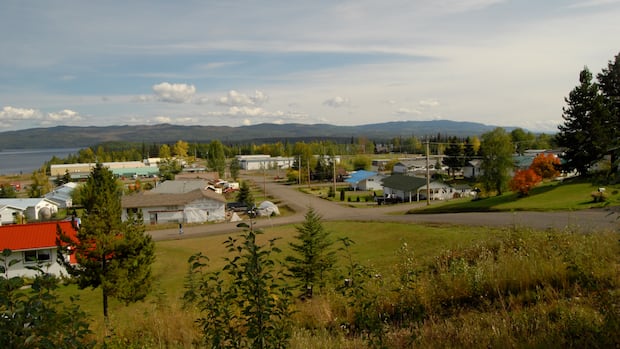
Residents in the northern B.C. village of Granisle are heading into the new year unable to drink their tap water as the community waits for answers about its failing water treatment plant.
A ‘do not consume’ order was put in place Dec. 15 after unsafe levels of aluminum were detected in the village’s community water system.
While the village says residents can continue using the water to bathe, do laundry, and wash dishes, it can’t be used for cooking or drinking.
Mayor Linda McGuire says the situation is particularly frustrating because the water treatment plant is still relatively new.
“We as a council are just as as frustrated as the residents are, because this is a new facility and we shouldn’t be having these issues,” McGuire said.
Granisle draws its drinking water from Babine Lake.
McGuire says the treatment plant was built around 2018 and 2019 with the help of grant funding at a cost of more than $4 million. It serves a community of about 337 people, according to the last census.
Northern Health says recent testing found aluminum levels above the maximum concentrations set by federal government.
The health authority says the elevated levels are likely the result of an “operational issue” causing chemicals used in the water treatment process to leak into the distribution system.
Engineers to return in January
“Northern Health has supported the village in an advisory role and continues to monitor water chemistry results,” a spokesperson said.
“Based on the most recent water chemistry results, the Do Not Consume advisory is expected to continue into early 2026.”
McGuire says the Ontario-based company that built the treatment plant has committed to fixing the problem at its own expense. The company plans to return Granisle in January, she said.
“We’re hoping, fingers crossed, and with everything going as planned, when they determine and diagnose where the issue is that it can be corrected quite quickly,” McGuire said.
“We’re hopeful it’s going to be in January, but we don’t know until they get here.”
Village hauls in bottled water
McGuire says more than 400 20-litre bottles of drinking water have been brought in from Burns Lake to distribute to residents as needed.
Volunteers, including members of the fire department, have helped make deliveries, she said.
“We will continue to do that and make sure that our community is supplied with water to get them through these challenging times.”
A public town hall is being planned for January.
McGuire says the village hopes to schedule the meeting on a Saturday so residents can attend. She says Northern Health has been invited to attend to answer their questions.
“I’m just hopeful that in January that we’re going to diagnose what’s wrong, that they can remedy the situation, and we can get back to normal in Granisle.”