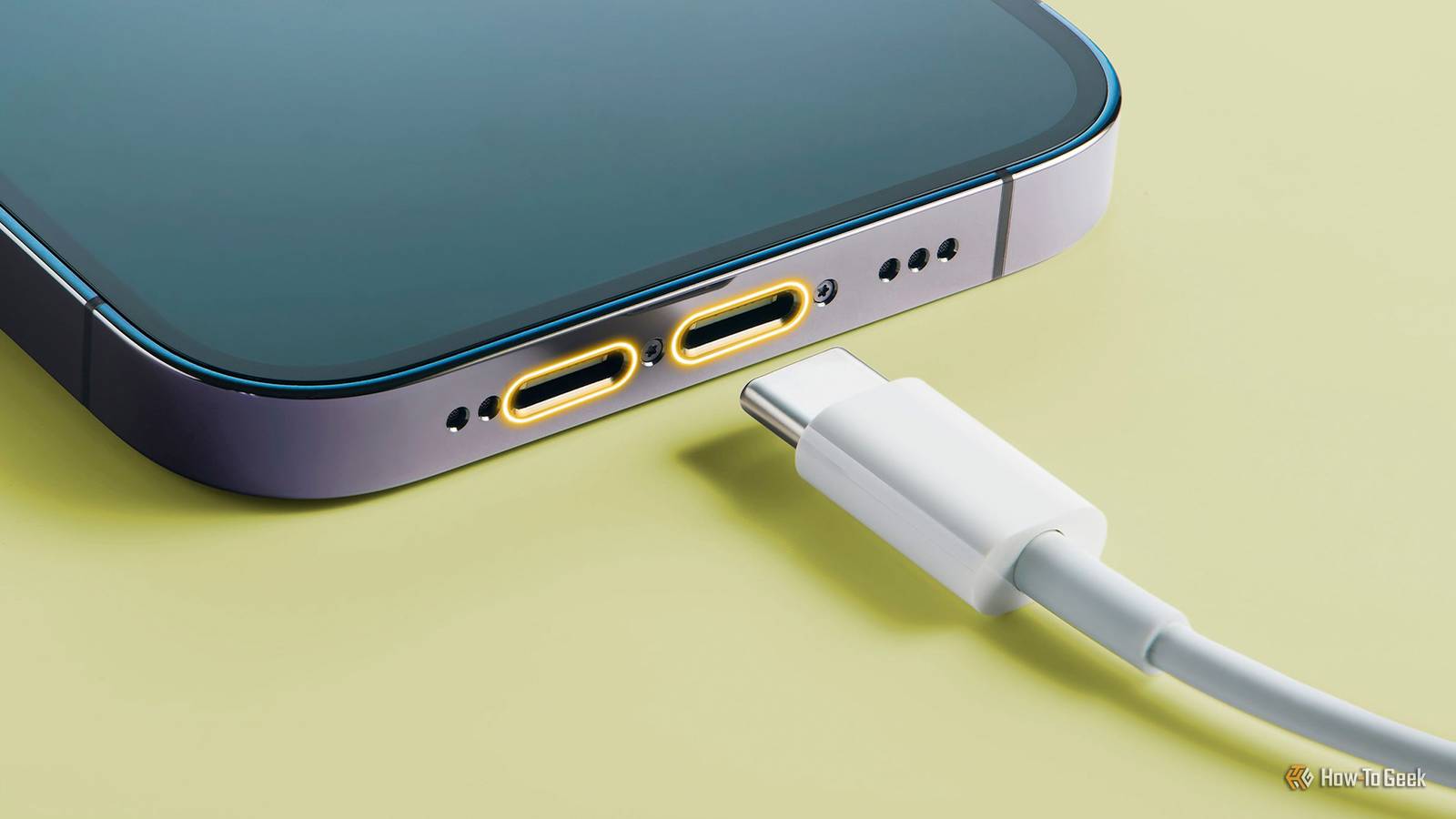
It’s been years since flagship phones ditched the headphone jack, yet I can’t stop thinking how nice it’d be if they’d replace that old jack with a second USB-C port. Some gaming phones already offer this feature, and it’s a standard thing for handheld PCs, but mainstream smartphones from brands like Apple and Samsung need to adopt the dual-port design.
Charge and listen to music
Credit: Corbin Davenport / How-To Geek
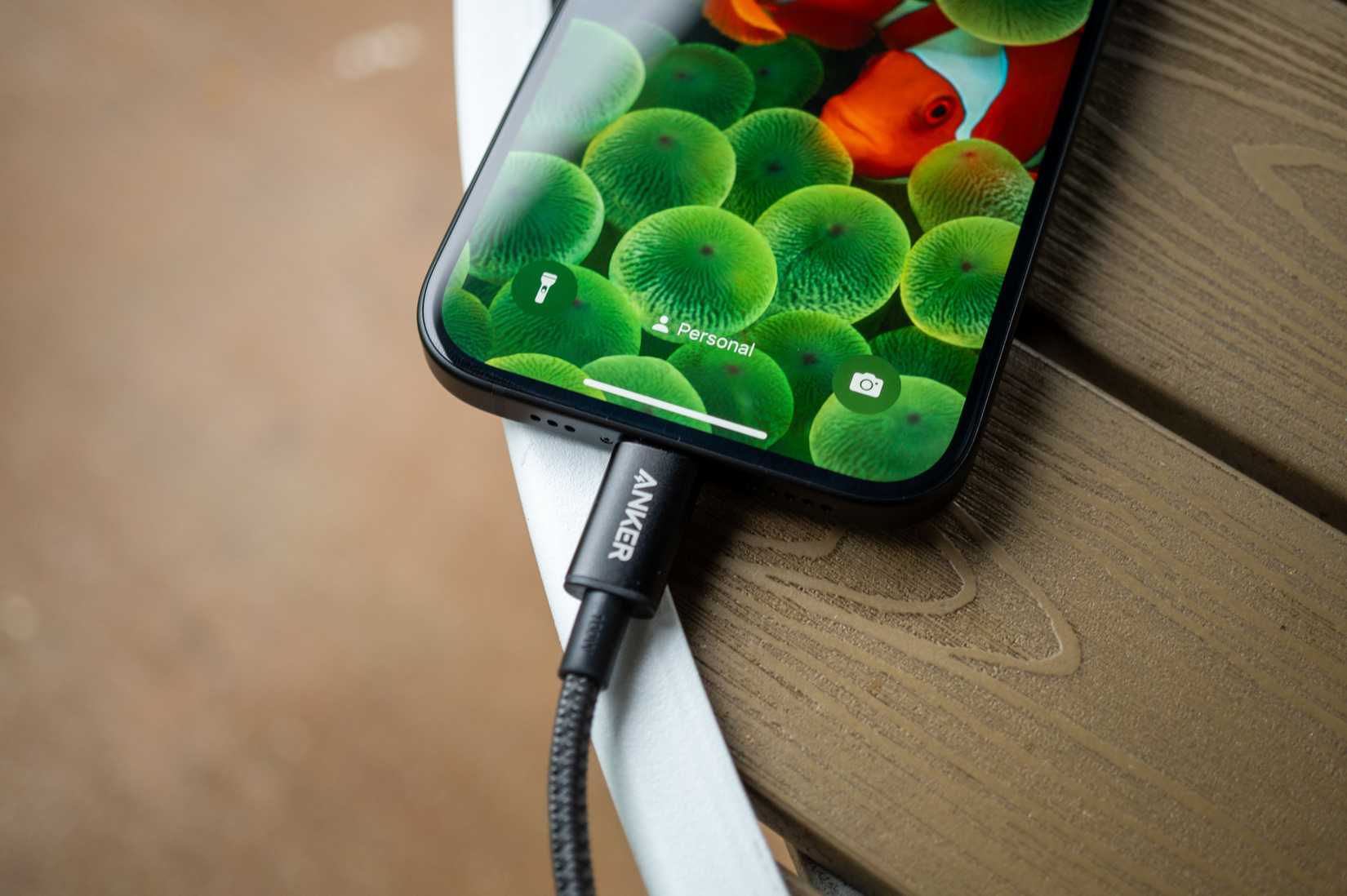
The first and most common scenario where we all would love a second USB-C port is when we want to charge our phones while listening to music. We no longer have headphone jacks, so we have to rely on USB-C headphone jack adapters or USB-C headphones to listen to music on wired headphones. You could argue that wireless earbuds are an obvious solution, but not everybody loves them.
While I personally love my wireless earbuds for music listening, they’re atrocious for mobile gaming. If you spend any amount of time gaming on your phone, you’ll agree. Even the best models have a noticeable delay between what’s happening on-screen and what you hear.
I first noticed the delay issue when trying to play the rhythm game Beat Fire a few years ago, and no amount of in-game delay fine-tuning could fix the synchronization issue. My wireless earbuds were always slightly delayed, which rendered the game unplayable. Outside a second USB-C port, the only solution is a USB-C to USB-C and headphone jack adapter, but it makes your phone more clunky and awkward to hold.
Connect multiple accessories
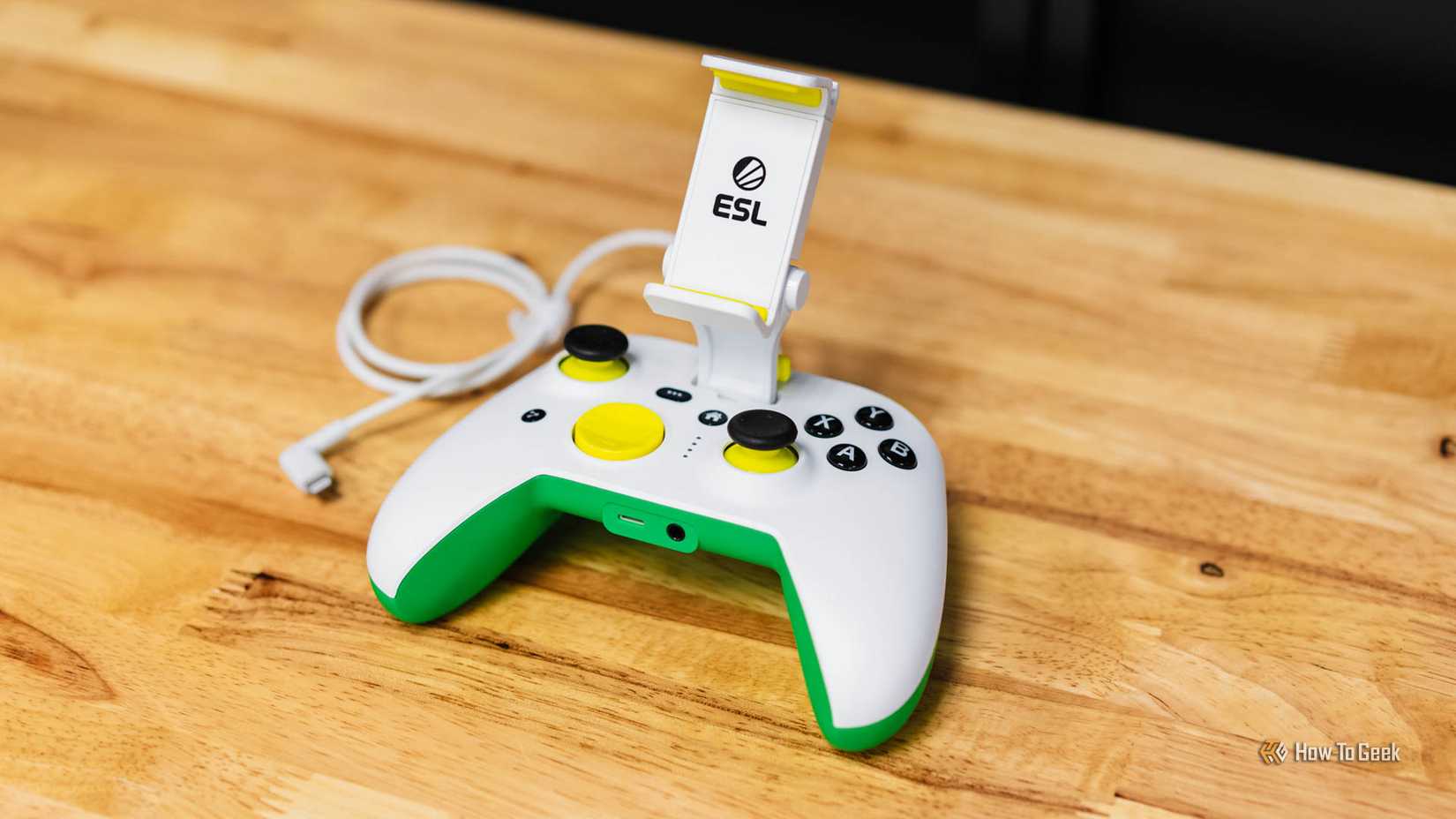
If I’m transferring files to or from my PC in a hurry and my phone is low on juice, I’d love to keep the file transfer going while topping up the battery. Plugging your phone into your PC technically charges your battery, but it’s very slow; I want fast charging. While I can transfer files over the cloud, it’s significantly slower than USB, and every second matters if I’m pressed for time.
Another cool idea is to use a USB OTG (On-The-Go) adapter to connect a flash or hard drive to my phone while it’s charging. In fact, OTG allows you to connect a host of USB devices to your phone, such as a controller, keyboard, mouse, and even an Ethernet cable. OTG is in addition to the hundreds of other USB-C accessories that don’t require an adapter.
Redundancy to extend lifespan
Credit: Justin Duino / How-To Geek
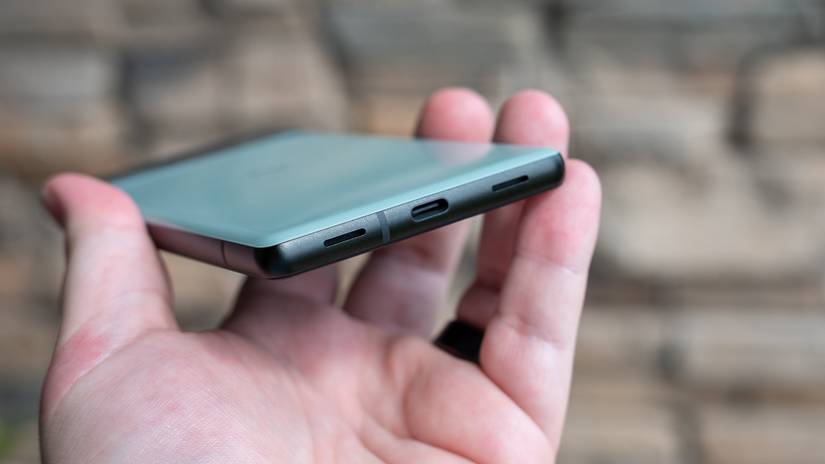
The last but perhaps most important reason is redundancy. If your phone’s USB-C port dies, you have no way to charge it, let alone connect accessories to it. Your only two options are to replace the phone or to replace the port, which is a difficult procedure. You might opt to pay a professional to do it, but it’s expensive. Plus, your phone will lose its water-resistant properties the moment you cut into the factory seal.
All of this could be fixed by simply giving us a second USB-C port. Even if it didn’t have fast charging, it’d still be a better alternative to throwing away an otherwise perfectly good phone.
High-end devices from Apple, Google, and Samsung are supposed to offer a top-of-the-line experience, and a redundant USB-C port would open a world of possibilities. Power users, gamers, creatives, and people who prefer to use wired headphones would greatly appreciate it. Yes, some gaming smartphones like those from ASUS already offer dual ports, but this should be a mainstream feature.