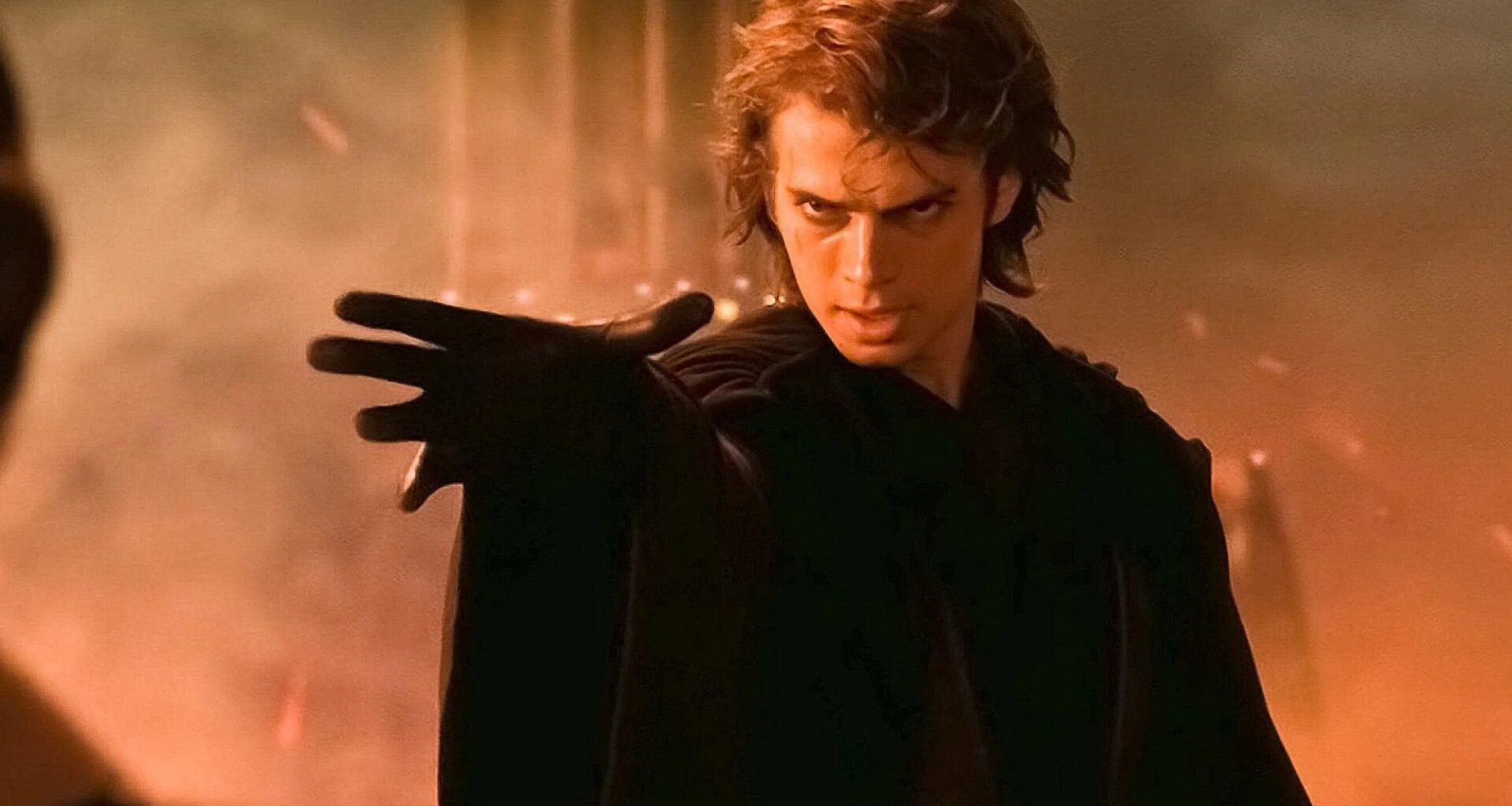
The Star Wars prequel trilogy introduced the idea of the “Chosen One,” an ancient Jedi prophecy that spoke of a being destined to bring balance to the Force. It was an unexpected Messianic addition to George Lucas’ lore, complete with a form of virgin birth, and viewers were unsure how to react to it. In the end, Lucas chose never to explain the Chosen One prophecy at all, with Revenge of the Sith even ending with Yoda suggesting the prophecy may have been misinterpreted.
Even now, 26 years after The Phantom Menace, it’s difficult to say exactly what Lucas meant by the Chosen One and the balance of the Force. Matters are made even more confusing by his sequel trilogy plans, discussed in Paul Duncan’s The Star Wars Archives: Episode I-III 1999-2005. This reveals that Lucas’ sequel trilogy plans would have meant Anakin wasn’t the Chosen One after all.
Lucas Originally Planned Leia To Become the Chosen One
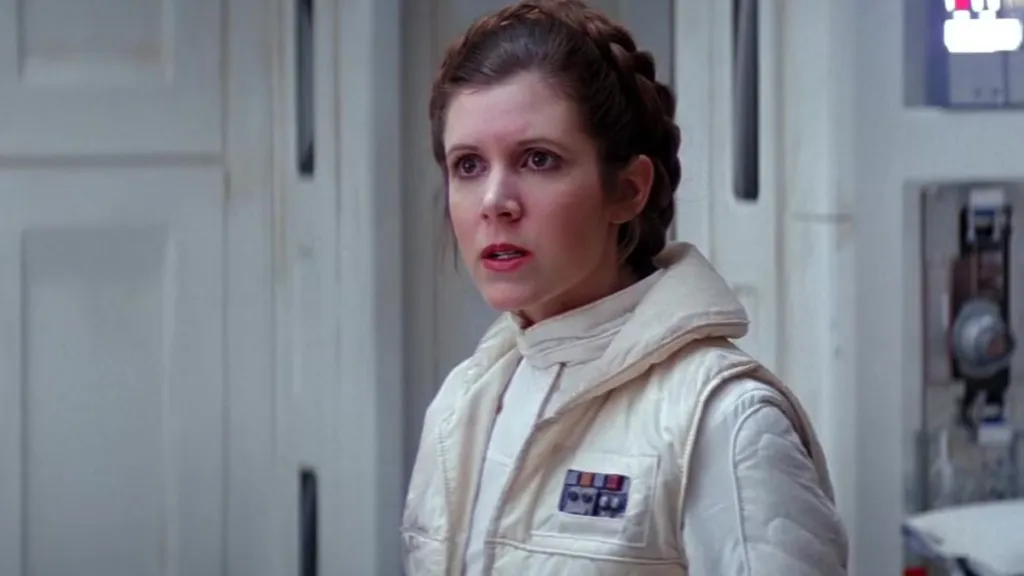
Lucas’ sequel trilogy plans went through many different iterations; he even wrote proposed scripts before he sold Lucasfilm to Disney, believing these would increase the studio’s value and help him get the “Pixar Deal” he initially wanted. Duncan’s book discusses earlier ideas about the sequels, though, a version Lucas considered long before Disney CEO Bob Iger began making moves to buy Star Wars. In these earlier stages, Lucas envisioned a galaxy at peace now struggling to deal with a criminal empire led by Darth Maul and his apprentice, Darth Talon.
But it is the end of the trilogy that really stands out. Lucas’ sequel trilogy would have ended with the new hope fulfilled, with the darkness cast aside, and the light triumphant. Significantly, this would also have confirmed the true identity of the Chosen One.
“By the end of the trilogy, Luke would’ve rebuilt much of the Jedi, and we would have the renewal of the New Republic, with Leia, Senator Organa, becoming the Supreme Chancellor in charge of everything. So she ended up being the Chosen One.”
Anakin’s Children Fulfilled His Destiny
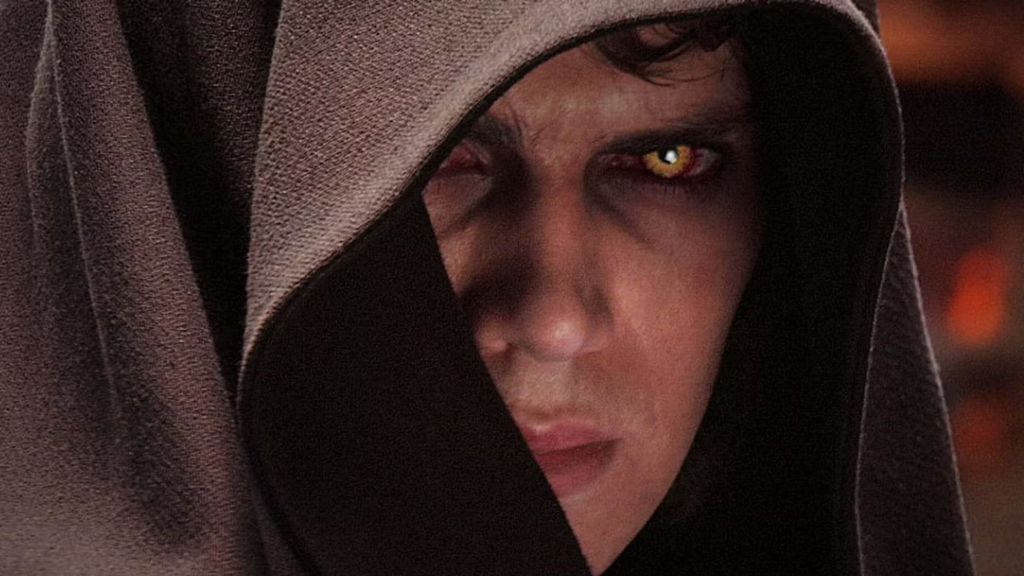
This offers some insight into what Lucas meant by the Chosen One, and indeed by the balance of the Force. Notice that, in Lucas’ account, the Force is in balance when the light is triumphant. Star Wars has pivoted to a sort of “yin and yang” model, where both darkness and light are necessary in this mystical balance, but there’s no trace of that in Lucas’ original sequel trilogy plans. He envisions the darkness cast out of power, the shadows dispelled by the light. The dark side is an imbalance by nature, and it is only when it is defeated that the Force is in balance.
This also suggests that Anakin did not truly fulfill his destiny when he killed Palpatine in Return of the Jedi. That was a key moment, to be sure, the beginning of the end when it came to dispelling the darkness that had overtaken the galaxy; but the Emperor’s death did not mean the regime he had created collapsed, and the chaos after the Empire’s eventual defeat would inevitably allow other creatures of the shadow the chance to rise to power. The Chosen One’s mission was unfulfilled until the galaxy was at peace.
In the end, Lucas seems to have believed the Chosen One’s destiny would be fulfilled through his children. Luke and Leia (not just Luke) were the galaxy’s new hope, inheriting the Chosen One’s mission and destiny to bring balance to the Force. Luke did his part by re-establishing the Jedi as they were meant to be (likely very different to the prequel Jedi), while Leia did the most as leader of the galaxy, bringing about a time of peace, prosperity, and hope. The Force was brought into balance through the Chosen One, in a sense, but indirectly in that it was done through his children.
How This Affects Disney’s Sequel Trilogy
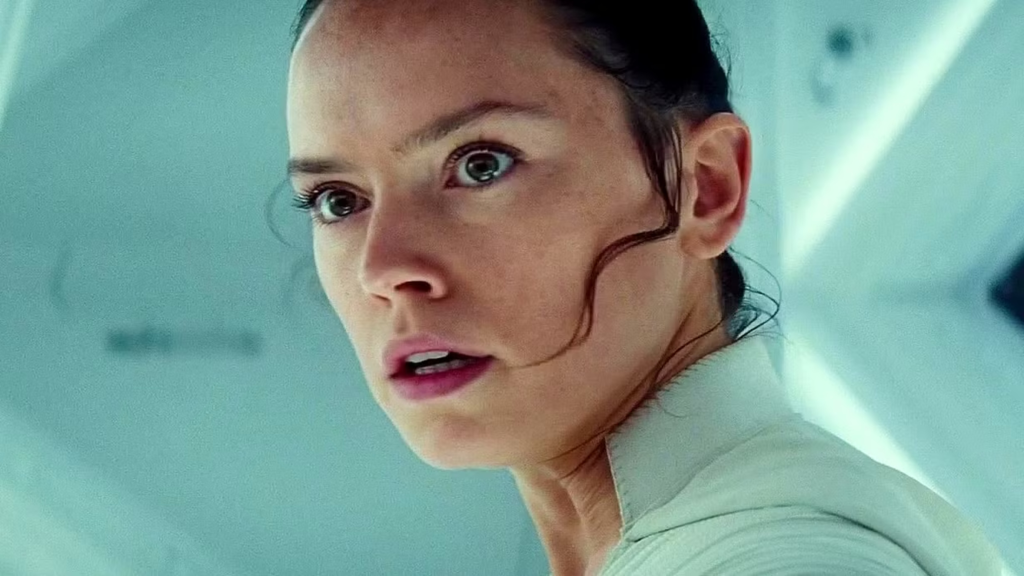
George Lucas’ sequel trilogy never came to be, and indeed, there’s some evidence in The Clone Wars that he began to change his mind about the balance of the Force. One epic story featuring avatars of the Force known as the Mortis Gods – a brainchild of Lucas himself – appears to be pivot towards that “yin and yang” model. Still, these initial sequel trilogy plans are more than a historical curiosity; they’re a fascinating “what if,” shining a light on the actual sequels made by Disney. They suggest some criticisms of the sequel trilogy are overrated, while others are actually more significant.
Some viewers criticized the sequels because of the First Order, arguing the resurgent Empire diminished Anakin Skywalker’s victory in Return of the Jedi. This argument carries even more weight given Palpatine’s resurrection in The Rise of Skywalker, given the Emperor did not even remain dead. But notice that Lucas did not imagine Return of the Jedi as a final victory over the dark side. It was a crucial step in the journey, but the dark side was still too powerful, the Force still out of balance. We’ve been misinterpreting the OT, seeing a final victory where there was none.
At the same time, though, Lucas’ sequel trilogy notably makes Luke and Leia – Anakin Skywalker’s children – the direct fulfillment of the Chosen One prophecy. In contrast, the Disney sequels passed on the torch to Rey. Luke sacrificed himself in The Last Jedi, and Leia died doing her part in redeeming her son in The Rise of Skywalker; Luke’s Jedi Order and the New Republic that Leia had sacrificed so much for were destroyed. It’s a lot bleaker than the story Lucas imagined, with Rey standing as the last legacy of both Luke and Leia.
The Rise of Skywalker‘s ending saw Rey claim the “Skywalker” surname for herself. In doing so, she bound herself into the legacy of the Chosen One, becoming an agent of balance. It’s a much looser link, even more indirect than the one Lucas himself had planned, but it just about works; it incorporates Rey into the story of Anakin Skywalker, making this the generational saga about how Anakin’s destiny was fulfilled across the decades.
What do you think? Leave a comment below and join the conversation now in the ComicBook Forum!