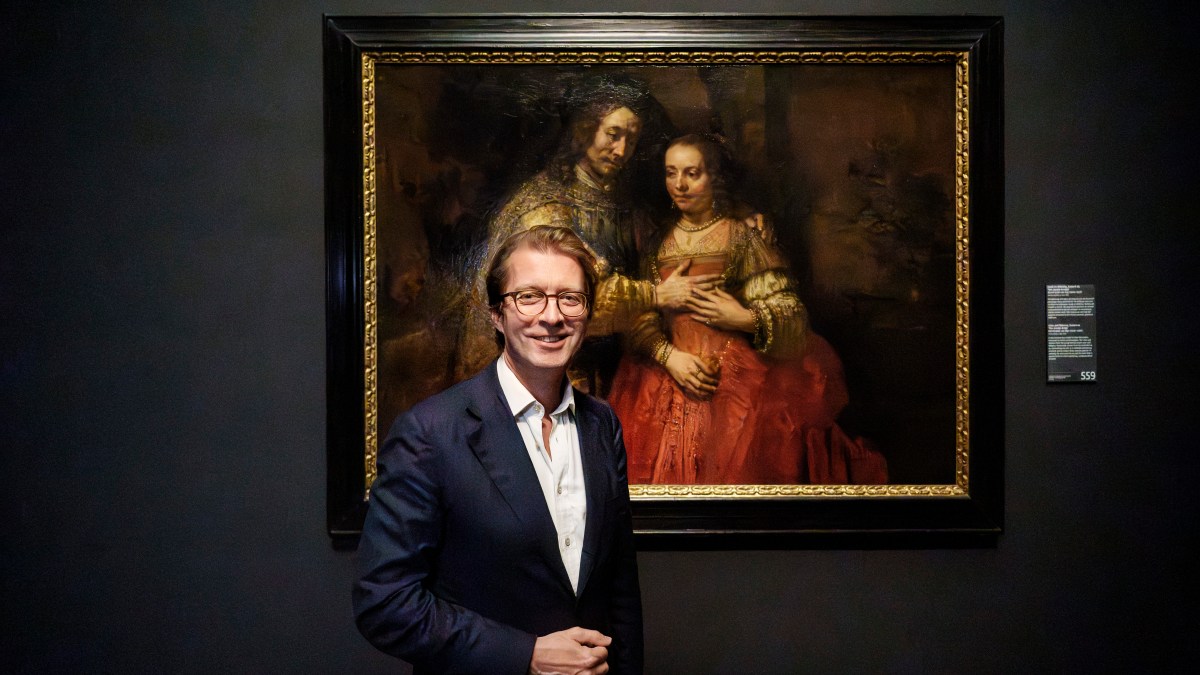
When the carer-in-chief for the world’s largest collection of Rembrandts considers the responsibilities that come with the job his voice thickens with emotion.
Taco Dibbits has spent almost all his working life in a museum where, on any given day, he might encounter The Night Watch, a nearly 400-year-old work of towering genius and symbol of Dutch national pride, or the peerless Vermeers The Little Street and The Milkmaid.
Dibbits, a 57-year-old with glasses and a shock of fair hair, can barely contain himself as he walks the galleries, stopping to discuss what he sees. Visitors, not knowing they’re in the presence of the boss, stop to listen. Dibbits was just an intern when he first worked at the Rijksmuseum in the early Nineties.

Taco Dibbits
ERIC DE MILDT FOR THE TIMES
Today he leads an institution that is custodian to 22 paintings, 60 drawings and more than 300 prints by Rembrandt. “Sometimes even I get goosepimples when I stand in front of one of our paintings.” Yet, as he delights at the museum’s surging popularity, Dibbits is concerned at an ugly turn of events in the art world. He says that so-called “high culture” is increasingly under assault for being elitist and eurocentric.
“I have deep belief and conviction that we matter,” he tells The Times. “That museums matter within the public realm, that they are places of a humane scale and we go to museums to be reminded of our shared humanity, what it is to be human.”
That may well be, but even the Rijksmuseum is not immune to the age of culture wars and its re-appraisal of history. The Dutch “golden age”, which lasted from about 1584 to 1702, has not been spared, with its colonial expansion and plundering and slavery being assessed.
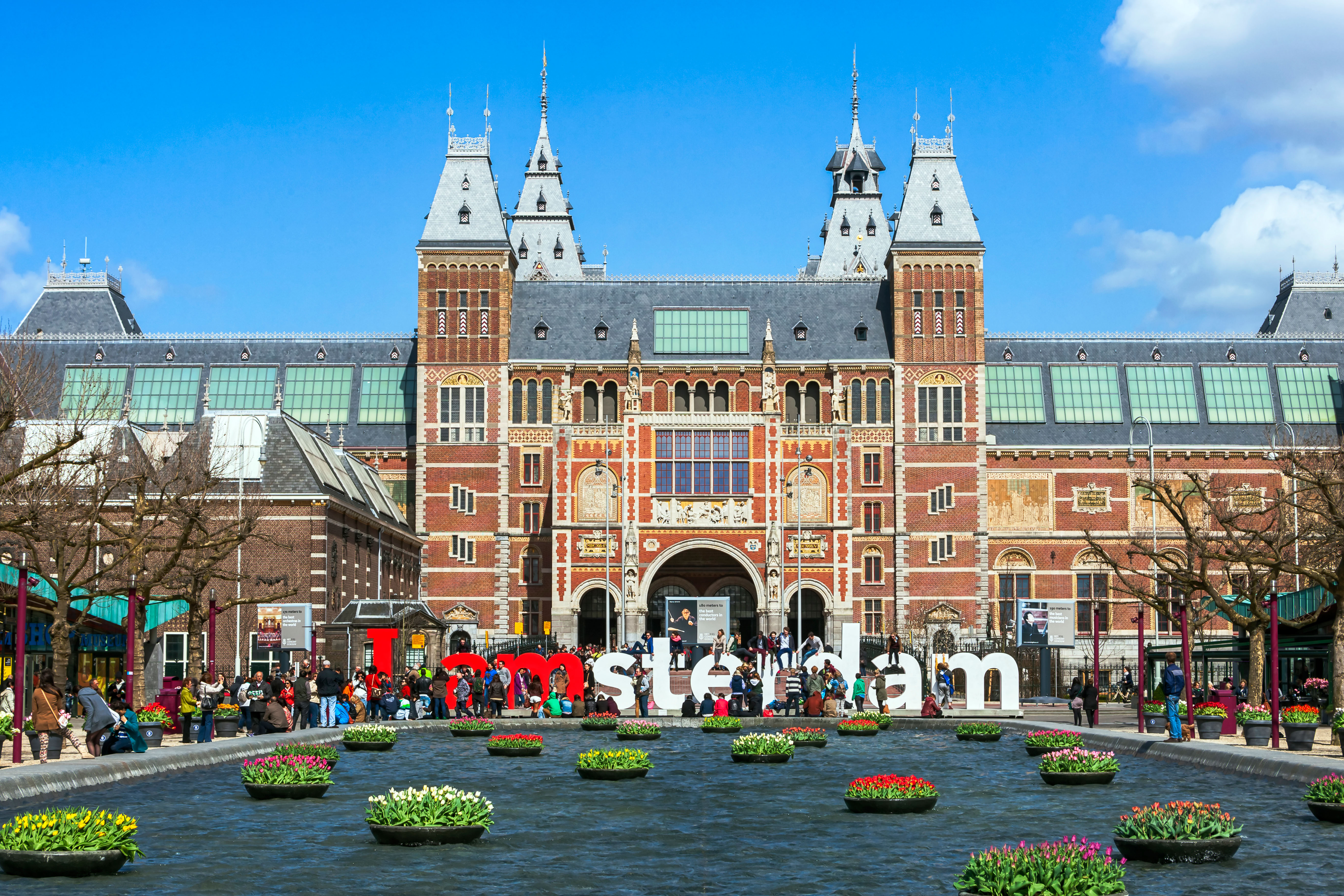
The Rijksmuseum in Amsterdam
ALAMY
Many curators argue that even the towering twin geniuses of Johannes Vermeer, 1632 to 1675, and Rembrandt van Rijn, 1606 to 1669, cannot be appreciated without understanding the time they lived in. There are growing calls for exhibitions to be accompanied by explanations of the inequality or racism of the 16th century.
• From Vermeer to Raphael, can AI solve art’s most enduring mysteries?
Dibbits, though, is generally against social commentary and laying it on too thick. “In a good museum, it’s a lot about imagination. You don’t want to spell things out. We are complex. History is complex, and history has both triumphs and it has dark pages.”
After studying art history at Vrije University Amsterdam and Cambridge, Dibbits worked at the Rijksmuseum in his twenties before heading to London two years later to work for Christie’s as director of the old masters’ paintings. There, he met his British wife, Rhiannon Pickles, whose PR company works with arts and cultural institutions across Europe, South America and Asia. They have three teenage sons. He was drawn back to Amsterdam by the lure of the Rijksmuseum, becoming curator for 17th-century painting in 2002 before he took on the role of director in July 2016.
Today, he says, historical nuance and avoiding the vogue for wokeness is a museum’s duty. “I was once asked: do you consider yourself as woke or not? And my answer to that is, I’m not woke,” he says. “I don’t believe in the debunking of history, but I believe in adding to it. It’s the museum’s duty, in a sense, to keep on giving nuance, to show that history is not one dimensional. Because if we don’t do it, who’s going to do it?”

A visitor takes in Rembrandt’s De Staalmeesters, painted in 1662
ERIC DE MILDT FOR THE TIMES
He sees his main task as being to bring the collection to the next generation, and generations beyond that. “Caring for the objects of your ancestors in the broadest sense, I think, is something. It has something beautiful in it as well, because it also unites.”
He observes that when most of what is now the Netherlands was still beneath the North Sea or marshes, the Chinese or ancient Greeks “made the most amazing things”. The Europeans, meanwhile, are very new to the civilisational party, he says. “But I don’t see it as a match or contest on who’s better. It’s more than that. I think there are objects from other cultures that have their own virtue and their own value.
“They’re very different, and that’s what makes it so exciting. I can be just as much moved by an early Yemeni alabaster sculpture as by Rembrandt.”
The question of restitution, returning objects like the Elgin Marbles or ancient Egyptian artefacts to their countries of origin, is an “impossibility”, he says. “You can’t go back to the past. There is only the future, so you have to go forward.”
Great art, though, has great power, says Dibbits as he points to a 2016 treaty between France and the Netherlands. Under the legally binding arrangement, two masterpieces, Rembrandt’s 1634 wedding portraits of Maerten Soolmans and Oopjen Coppit, were never separated and instead alternate between the Louvre and the Rijksmuseum. “Usually treaties are about motorways, tunnels and airplanes, and I think it’s very exciting to have a treaty on art, “ he says. “Art is often kind of seen as a hobby, whereas it is essential to us as human beings.”
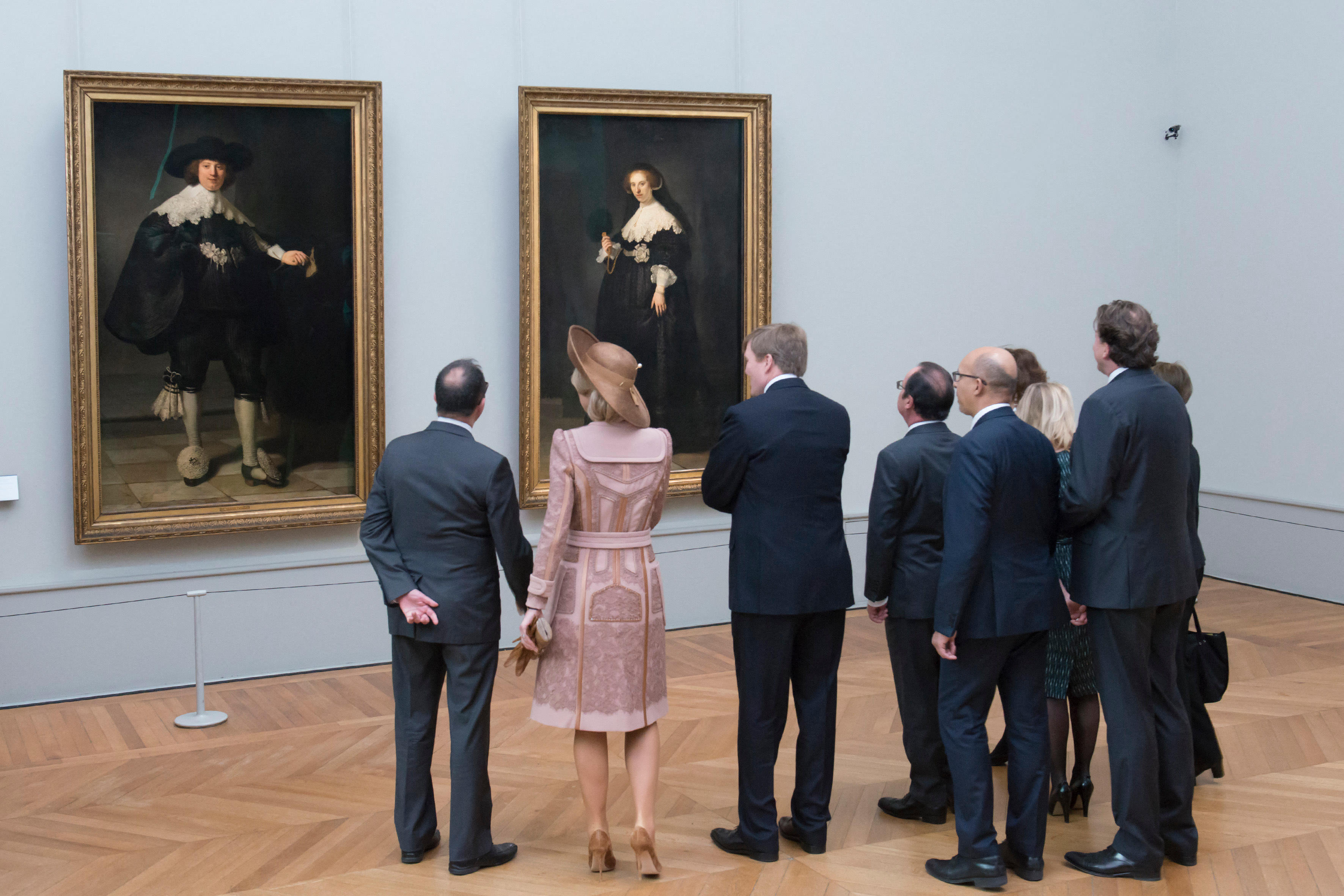
The Dutch royals visit Rembrandt’s wedding portraits in the Louvre
ALAMY
A Rembrandt painting is, so far, his greatest triumph: in 2023, Dibbits brought The Standard Bearer, a 1636 self-portrait, home from France for €175 million, a world record cost for a museum. That followed delicate diplomacy between the Netherlands and France. “It’s a very freely painted work where Rembrandt really becomes mature and it also is a symbol for the Dutch battle for independence,” he says.
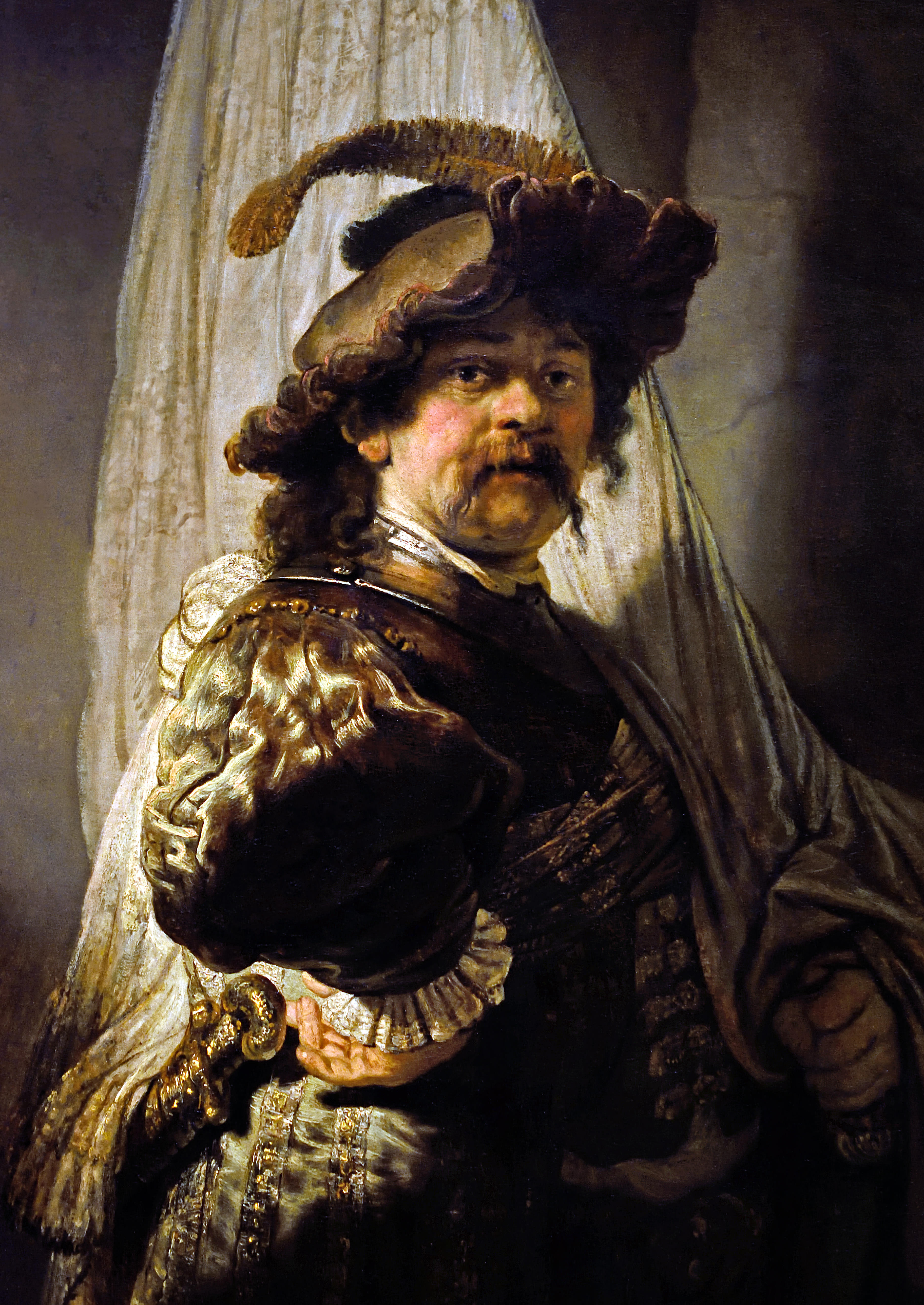
The Standard Bearer, 1636
ALAMY
His museum’s Vermeer exhibition two years ago was described by The Times as “the show of the century” and, for Dibbits, highlighted the other great Dutch artist of the “golden age”.
He says Vermeer depicts “that moment when everything comes together”, adding: “I think, especially today when we have that cacophony of information, of sounds, in life, that when you look at a Vermeer it all falls in place. Vermeer paints that one singular moment, but on the other hand, that moment is eternity, because you feel you’re in the now but it seems to last for ever. It’s the perfect world.”
And Rembrandt? That’s something to do with Billie Holiday, says Dibbits, pointing to the singer’s interpretation of the jazz standard, All of Me, which features the lyrics: “You took the best/ So why not take the rest?/ Baby, take all of me.”
The painter was “really about showing our shortcomings and our ugliness and our emotions in how we are”, says Dibbits. “He is the painter of emotion and of our human condition. I always have this Billie Holiday song that comes to mind. Yeah, take me as I am. He’s somebody who evokes emotion and all sides, dark and light, of our human condition.”