Chancellor Rachel Reeves extended a freeze on the Personal Allowance and National Insurance thresholds until 2031.David Hughes, Press Association Political Editor and Linda Howard Money and Consumer Writer
09:34, 02 Jan 2026
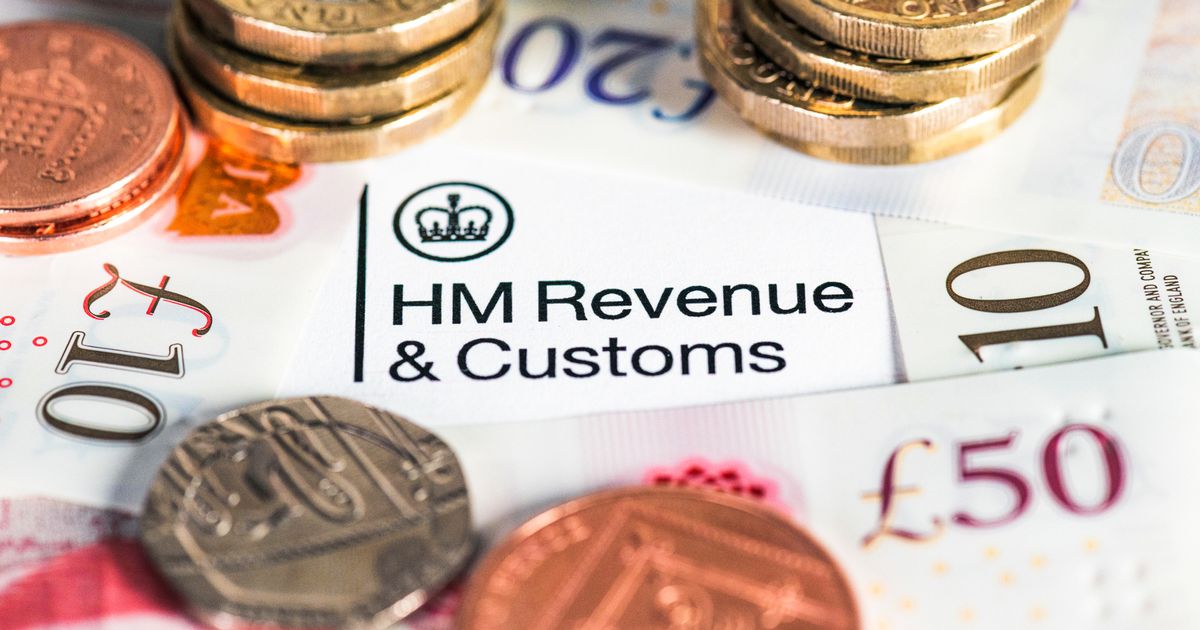
A think tank has warned Rachel Reeves is “hammering” workers with stealth taxes while pensioners and those on benefits will see their incomes increase. The Chancellor extended a freeze on the Personal Allowance at £12,570 and National Insurance thresholds until 2031, meaning people face being dragged into paying higher rates as their wages increase over time.
The Centre for Policy Studies (CPS) said someone earning £50,000 today would be £505 worse off in real-terms by 2030/31, despite their salary being forecast to increase by more than £6,000.
The centre-right CPS said there was a “rather sunnier” picture for pensioners and those on the standard allowance for Universal Credit.
READ MORE: UK Government responds to calls for £25,140 personal tax allowance for pensionersREAD MORE: HMRC letters to thousands of people ahead of income tax change in April
Under the Triple Lock, State Pensions increase each year in-line with whichever is the highest of average annual earnings growth from May to July, Consumer price Index (CPI) inflation rate in the year to September or 2.5 per cent.
Thanks to the uprating measure, a pensioner could expect to be at least £306 better off in real terms in 2030/31 than in 2025/26.
If, as Ms Reeves has indicated, she will exempt people relying on the State Pension from paying income tax even once the payment crosses the Personal Allowance threshold, they could be £537 better off in real terms.
The CPS said the increases in the standard rate of Universal Credit will mean someone on out-of-work benefits would be £290 better off at the end of the decade.
The CPS analysis used Office for Budget Responsibility (OBR) inflation and wage growth forecasts in its calculations.
It said a combination of poor forecast wage growth and frozen income tax thresholds means that “many workers will be worse off by 2030 than they are today, in contrast to those who receive their income from the state, whether via a pension or benefits”.
Daniel Herring, CPS head of economic and fiscal policy, said: “Labour’s tax policy is quietly hammering workers while protecting pensioners and benefit recipients.
“Freezing the personal allowance for income tax will hit everyone, but it’s those who are dragged into higher tax bands who will really suffer, to the point where a worker on £50,000 today is set to actually be poorer in five years’ time, despite getting pay rises.
“Meanwhile, the state pension and universal credit will both be worth more in real terms.
“This is fiscal drag in action, raising taxes for millions of workers through the back door.”
The freeze in personal tax thresholds is expected to raise around £23 billion for the Exchequer in 2030/31.
At the time of the Budget in November 2025, Ms Reeves said she was “asking everyone to make a contribution” to help fund public services and investment.
A Treasury spokesman said: “In the budget we increased the national living wage and national minimum wage and took £150 off people’s energy bills, extended the freeze on prescription fees, fuel duty and froze rail fares for the first time in 30 years.
“The fair and necessary decisions we made at the budget mean we can deliver on the country’s priorities – cut waiting lists, cut debt and borrowing and cut the cost of living.”
Shadow chancellor Sir Mel Stride said: “Labour’s stealth tax raid is taking money from workers’ pay packets to fund billions in extra welfare spending.
“At her first budget Rachel Reeves said freezing tax thresholds would hurt working people. At her second budget, she froze thresholds for three years.
“Labour don’t have the backbone to control spending, and hardworking people are paying the price.”
 Get the latest Record Money news
Join the conversation on our Money Saving Scotland Facebook group for money-saving tips, the latest State Pension and benefits news, energy bill advice and cost of living updates.
Sign up to our Record Money newsletter and get the top stories sent to your inbox daily from Monday to Friday with a special cost of living edition every Thursday – sign up here.
You can also follow us on X (formerly Twitter) @Recordmoney_ for regular updates throughout the day or get money news alerts on your phone by joining our Daily Record Money WhatsApp community.