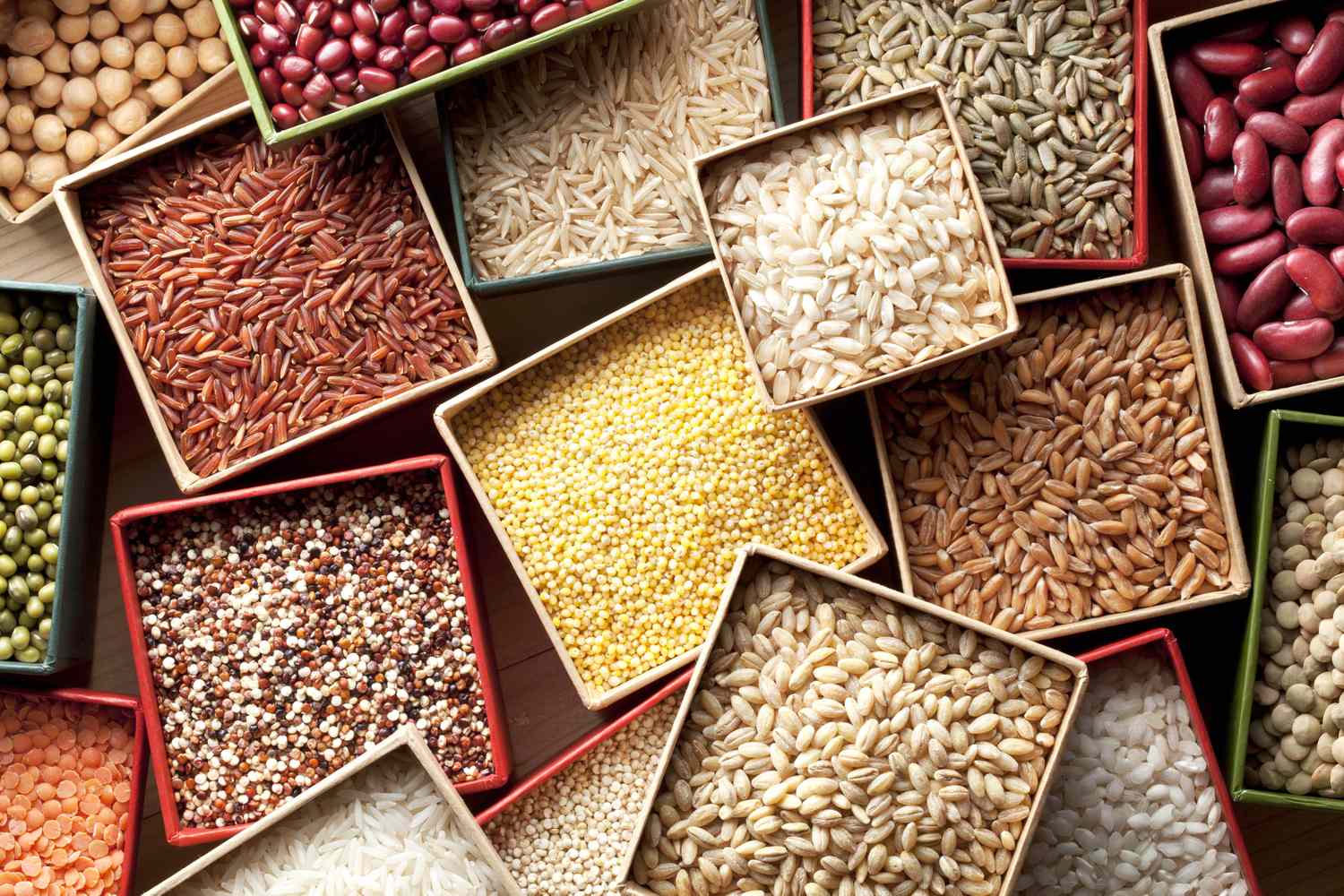
- A recent review in Frontiers in Nutrition highlights resistant starch — the type naturally found in beans, bananas, and cooled potatoes — as a surprising carb that may improve blood sugar control, reduce inflammation, and even support weight management.
- Before eating large amounts of day-old rice, experts say it’s not a magic fix. Adding resistant starch to a diet high in refined carbs and sugar won’t undo the damage.
- Instead, dietitians recommend a bigger-picture approach: Build meals around fiber-rich foods such as legumes, whole grains, and vegetables to support gut health and achieve lasting benefits for blood sugar, cholesterol, and overall well-being.
For decades, carbohydrates — particularly refined ones found in white bread, pasta, and rice — have been vilified in the wellness world. But a lesser-known type of carb might be ready for a redemption arc.
A recent review of studies in Frontiers in Nutrition suggests that a specific type of starch known as resistant starch may help improve blood sugar control, reduce inflammation, and even support weight loss. Even better? You might already have foods containing this starch in your fridge.
Resistant starch occurs naturally in foods such as beans, bananas, and potatoes. Cooking and cooling certain starchy foods can also increase their resistant starch content. Think: leftover rice, pasta salad, and cold roasted potatoes.
But before you start chilling every carb in sight, dietitians say the science is more nuanced than social media makes it seem. “The particular benefits of this are significantly overstated,” says Desiree Nielsen, RD, host of The Allsorts Podcast and author of the cookbook Good for Your Gut.
Simply adding resistant starch to a diet otherwise rich in ultra-processed foods won’t undo the effects of excessive sugar, refined carbohydrates, or saturated fat. “If you’re looking to add a resistant starch into your pattern of eating in a meaningful way while making sustainable shifts in multiple areas, then you’ll reap the benefits,” says Maya Feller, MS, RD, CDN. “There’s no way to sugarcoat this. Eating this way has been happening for thousands of years in Indigenous communities.”
Should you try to incorporate more resistant starch into your diet? The science is still emerging, but here’s what experts say.
What is resistant starch?
“It’s a category of carbohydrates that are not digestible,” says Feller. Unlike regular starches, which break down into sugar in the small intestine, resistant starch remains intact and reaches the colon. There, it ferments and feeds your gut bacteria — a process that offers surprising health benefits.
The five types of resistant starch
There are five types of resistant starch, each with a different impact on the body, says Feller: “Depending on the cooking method, the quantity of resistant starch can actually differ, and that is what I think is so exciting.” Here’s the breakdown:
- RS1: Found in whole plant foods such as legumes, whole grains, seeds, and vegetables. Their tough cell walls make them harder to digest, which contributes to their health-promoting properties.
- RS2: Found in raw, unripe starches such as green bananas, raw potatoes, and uncooked legumes. Their crystalline structure resists digestion.
- RS3: Formed when starchy foods such as rice, bread, or potatoes are cooked and then cooled. Cooking makes the starch digestible, but cooling alters its structure, making it less digestible.
- RS4: A synthetic version created by chemically modifying starch. Think of fiber-added snack bars or sugar-free candies.
- RS5: Produced through industrial processing, in which starches bind to fats to form indigestible complexes.
Nielsen recommends focusing on RS2 and RS3 sources because they resist digestion differently from RS1, making them more potent prebiotics that ferment in the large intestine — thereby promoting gut health.
What are the potential health benefits of resistant starch?
A long-term study of U.S. adults, published in Frontiers of Nutrition in 2022, found that people who ate more resistant starch had a lower risk of dying from cancer or any cause at all (besides cardiovascular disease). The study followed participants for 19 years and demonstrated a strong correlation between resistant starch consumption and improved health outcomes. That said, researchers note that we still need more studies to determine precisely how much to eat for the greatest benefit.
“We used to say, ‘We are what we eat,’ but now the thinking is, ‘We are what we digest and absorb.’” says Nielsen.
Another study in Frontiers in Nutrition, published in 2024, found that rats fed mung beans, a high-resistance-starch food, had a 96% reduction in blood sugar. Among humans, a small 2015 study published in the journal Nutrition of people classified as overweight or obese showed that consuming 15 to 30 grams of resistant starch per day was linked to improved insulin sensitivity in overweight men but not in women, suggesting that more research is needed.
Which health issues can resistant starch help address?
Another analysis Nielsen cites found that 10 to 45 grams of resistant starch per day improved insulin sensitivity among people classified as overweight or obese. “When people have a pattern of eating that is higher in fiber in general, including resistant starches, they tend to have better blood sugar control, lower blood pressure, and a lower lipid profile,” says Feller.
If you’re dealing with high cholesterol, Feller recommends adding a wide variety of fiber to your diet — including resistant starch — to help improve your numbers. Once those lab results start moving in the right direction, she says, other benefits often follow: better sleep, clearer thinking, and, for many people, a bit of weight loss, too.
Is resistant starch really better than regular starch?
Sort of. But don’t expect miracles from day-old rice.
“Is it significant? It’s not as big as you expect,” says Nielsen. Cooling rice can double its resistant starch content after 24 hours in the fridge, but the total amount isn’t huge on either side: It rises from about 1.2 grams to 2.4 grams. “It’s great, but not a huge difference,” says Nielsen.
Instead, dietitians recommend increasing your overall fiber intake by eating more nuts, legumes, produce, and whole grains.
“What actually matters is what you pair with the rice,” says Feller. “So if you’re eating white, black, brown, or red rice, are you having beans with it? Are you having non-starchy vegetables?”
How much resistant starch do you need?
To see potential blood sugar benefits, aim for 10 to 40 grams per day, says Nielsen. For people with Irritable Bowel Syndrome (IBS), even five grams of RS2 (such as green bananas or raw potato starch) can positively affect gut bacteria without triggering excessive bloating. However, more than 10 to 20 grams may be too much for some people.
How to add resistant starch to your diet
- Cook rice, pasta, or potatoes, then chill for 24 hours before eating.
- Freeze sliced bread, then toast slices as needed.
- Swap half a cup of wheat flour for green banana flour in baked goods.
- Add green banana flour to smoothies (with extra liquid to promote digestion).
- Add hemp hearts to smoothies or yogurt.
- Eat the rinds of soft squashes and skins of potatoes.
Can you overdo it with resistant starch?
Yes, especially if your current diet is low in fiber. Suddenly loading up on resistant starch (especially from raw legumes or green banana flour) can cause bloating, gas, or worse. Nielsen recommends introducing it slowly to keep digestion moving.
Reviewed by
Lauren Manaker MS, RDN, LD, CLEC: Lauren is an award-winning registered dietitian and three-time book author, with more than 22 years in the field.