Your support helps us to tell the story
From reproductive rights to climate change to Big Tech, The Independent is on the ground when the story is developing. Whether it’s investigating the financials of Elon Musk’s pro-Trump PAC or producing our latest documentary, ‘The A Word’, which shines a light on the American women fighting for reproductive rights, we know how important it is to parse out the facts from the messaging.
At such a critical moment in US history, we need reporters on the ground. Your donation allows us to keep sending journalists to speak to both sides of the story.
The Independent is trusted by Americans across the entire political spectrum. And unlike many other quality news outlets, we choose not to lock Americans out of our reporting and analysis with paywalls. We believe quality journalism should be available to everyone, paid for by those who can afford it.
Your support makes all the difference.Read more
The poorest households in Britain have become poorer while the rich have seen their disposable income rise under Labour, new figures show.
The amount the poorest households have left over after bills and essential spending has fallen by 2.1 per cent since Labour came to power in July 2024, data from Retail Economics shows. But the most affluent households have seen their discretionary incomes rise by 10.3 per cent.
The figures come as a blow to Sir Keir Starmer as he prepares to put tackling the cost of living at the centre of his new year message to voters and his own MPs.
open image in gallery
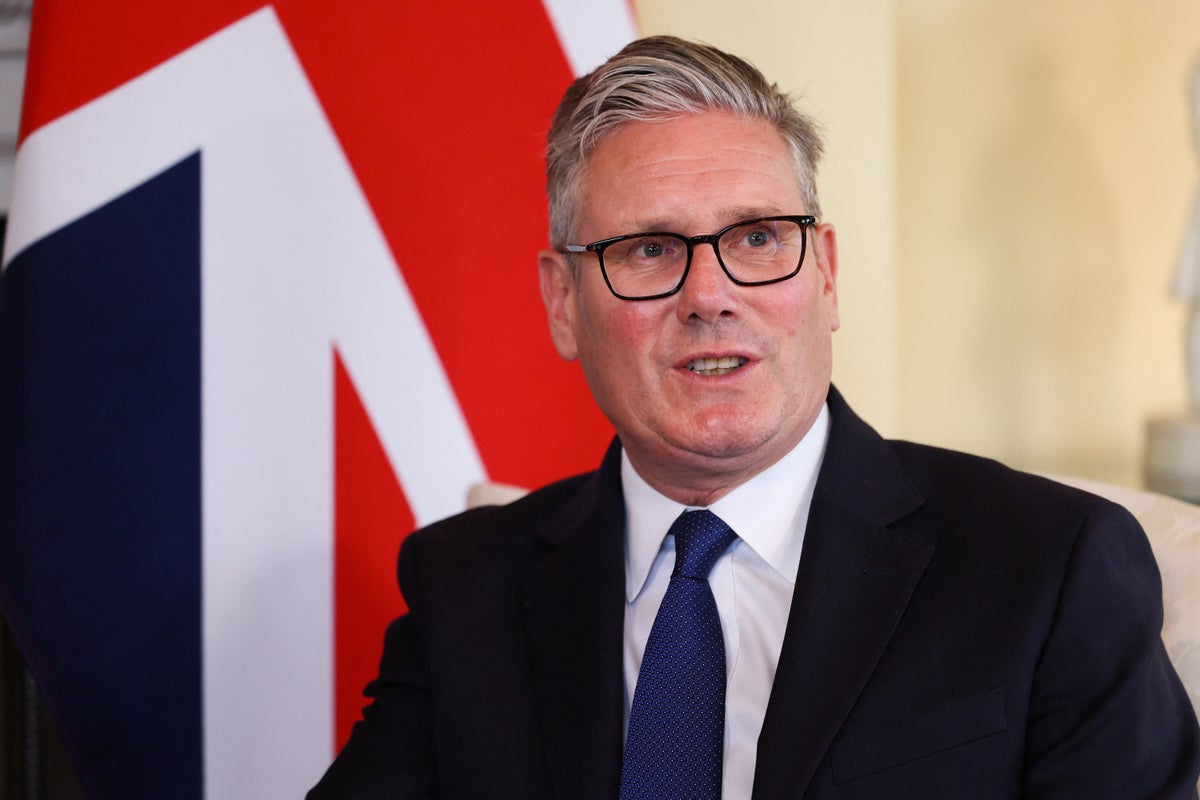
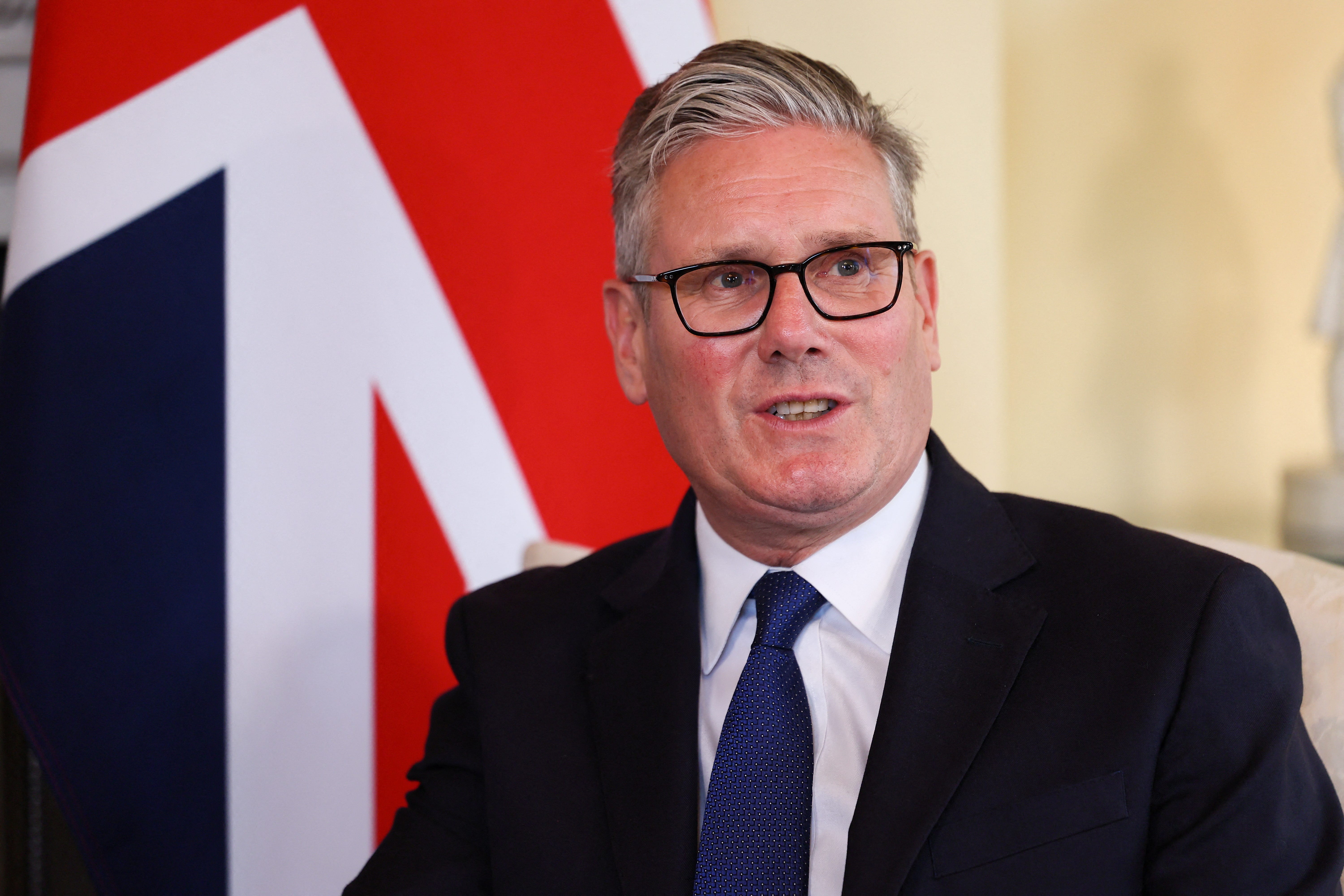
Sir Keir says ‘positive change’ will be felt in the new year (PA Wire)
The findings come as Sir Keir has pledged to “wage all-out war” on the soaring cost of living.
With Labour still trailing Nigel Farage’s Reform UK in the polls and set to suffer heavy losses in May’s local elections, the PM is expected to highlight measures such as recent cuts to energy costs, due to take effect in April, and the abolition of the controversial two-child benefit cap at an event on Monday as ways the party is helping voters.
In a new year message in the Daily Mirror, he wrote: “Late last year I was handed a note by a Scottish girl, aged just nine years old. She had written to me to explain all the ways that poverty can impact children. The hunger from missing breakfast. The cold of unheated rooms. The embarrassment of a worn-through school uniform. The tiredness and exhaustion that comes with all of it.
“To be honest, it was moving to see such perception from a child. And shocking to think that the vast majority of children growing up in poverty in Britain today come from working families.”
He added: “That’s why this year we will lift over half a million children out of poverty. By scrapping the two-child limit on child benefit. Expanding free school meals to half a million hungry children. And by waging an all-out war on the cost of living.”
.jpeg)
open image in gallery
Less well-off households have seen the amount of money they have left over after bills and essential spending drop (Getty/iStock)
In a new year video, he also predicted that the UK would “turn a corner” in 2026 and that people would begin to feel “a sense of hope” in the coming months despite a slew of negative economic headlines in recent months.
On the latest figures, Richard Tice, the deputy leader of Reform, told the Telegraph Labour had “lost control” over the cost of living.
Graham Stringer, the Labour MP for Blackley and Middleton South, said: “It’s disappointing, but it’s not surprising given that our energy policy subsidises the affluent middle class via subsidies to expensive cars, to heat pumps, to other things, and increases the size of the bills for poorer people.”
The new figures from Retail Economics, an independent economic consultancy, look at discretionary income, which is how much money families have left after spending on essentials.
Nicholas Found, from the group, said: “The reality is that lower-income families are still grappling with the legacy of surging prices, with finances playing catch-up as the cost of everyday products is significantly higher than it was four years ago.”
The figures include changes in tax and some bills which are not captured by official figures from the Office for National Statistics.