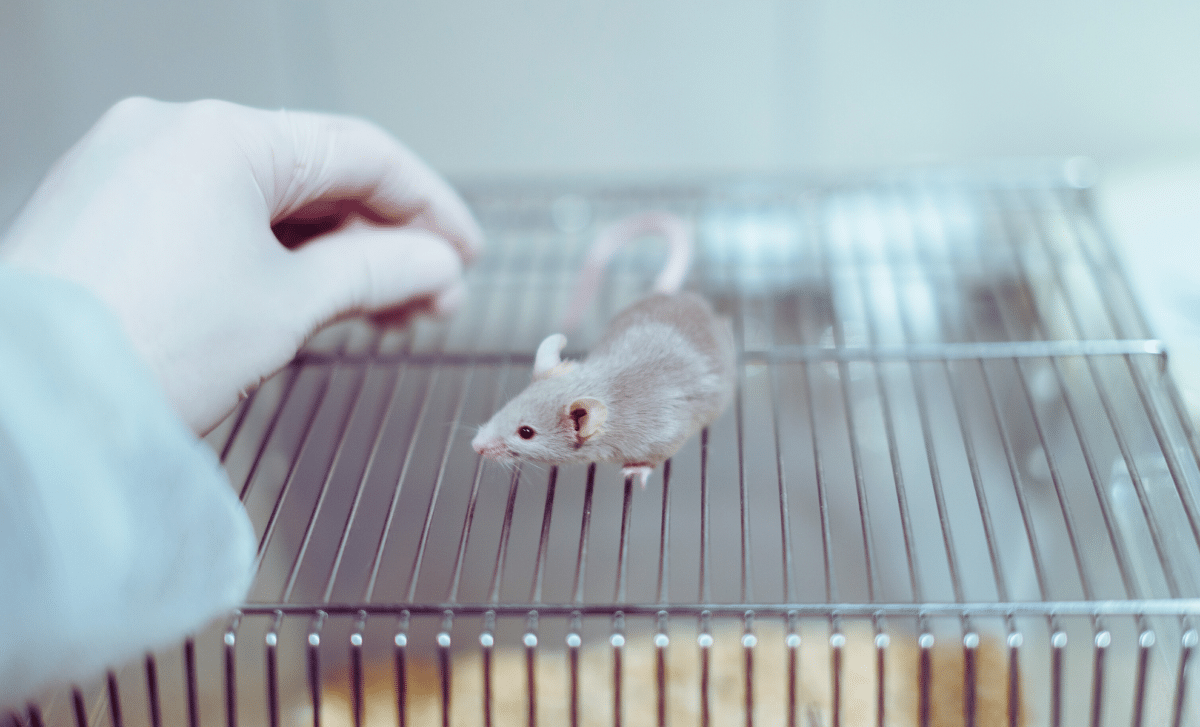
A breakthrough experiment from China’s space program has revealed unprecedented insights into the possibilities of mammalian reproduction after spaceflight. In a controlled mission involving four mice sent to the Tiangong space station, researchers observed that one female mouse, after spending two weeks in microgravity, safely returned to Earth and gave birth to a healthy litter of nine pups.
The First Mammalian Birth After Spaceflight
A female mouse that spent two weeks aboard China’s Tiangong space station has successfully given birth to a litter of nine healthy pups, marking a milestone for reproductive biology in microgravity. The birth, which occurred on December 10 following the animals’ safe return on November 14, was confirmed by the Chinese Academy of Sciences (CAS). The mouse was part of an experiment involving four mice sent into orbit aboard the Shenzhou-21 spacecraft, launched on October 31, 2023.
The story was first reported by CGTN and highlights the implications of this experiment for future long-duration human missions beyond Earth. While mouse sperm has previously been used to fertilize eggs on Earth after returning from space, this is the first known instance where a female mammal exposed to spaceflight later gave birth successfully on Earth. With six of the nine offspring surviving, a rate considered normal, scientists now have a baseline for observing how orbital life might affect early development in mammals.
A Controlled Environment for Reproduction in Orbit
During the mission, the mice were exposed to microgravity, space radiation, and altered circadian rhythms in a carefully controlled environment. The rodents lived under simulated Earth-day lighting cycles, had nutritionally balanced but firm food to support dental health, and were monitored using AI-powered systems that tracked movement, feeding, and sleep patterns.
What makes this experiment notable isn’t just the birth itself, but what it implies. As Wang Hongmei, a researcher at the CAS Institute of Zoology, explained to CGTN:
“The mission proves that short-term space flight has not negatively affected the mice’s reproductive abilities, which also provides an extremely valuable sample for studying the impact of the space environment on the early development of mammals.”
This observation matters deeply for the long-term future of space colonization. Mice are a model organism due to their genetic similarity to humans, fast reproductive cycles, and physiological sensitivity. If something in space disrupted reproduction, it would likely show in rodents first.
Emergency Planning and Space Nutrition
The mission wasn’t without complications. Due to an unexpected schedule change affecting the return of Shenzhou-20, the mice faced the threat of a food shortage in orbit. Ground teams quickly evaluated emergency astronaut rations, including compressed biscuits, corn, hazelnuts, and soy milk. After rigorous testing, soy milk was chosen as the safest alternative and was successfully pumped into the habitat along with water via an external port.
The quick thinking and emergency protocols not only ensured the animals’ survival but also validated the resilience of small mammals in orbital environments. This is critical data for planning longer-term missions, where in-situ resource management and emergency adaptability are vital.