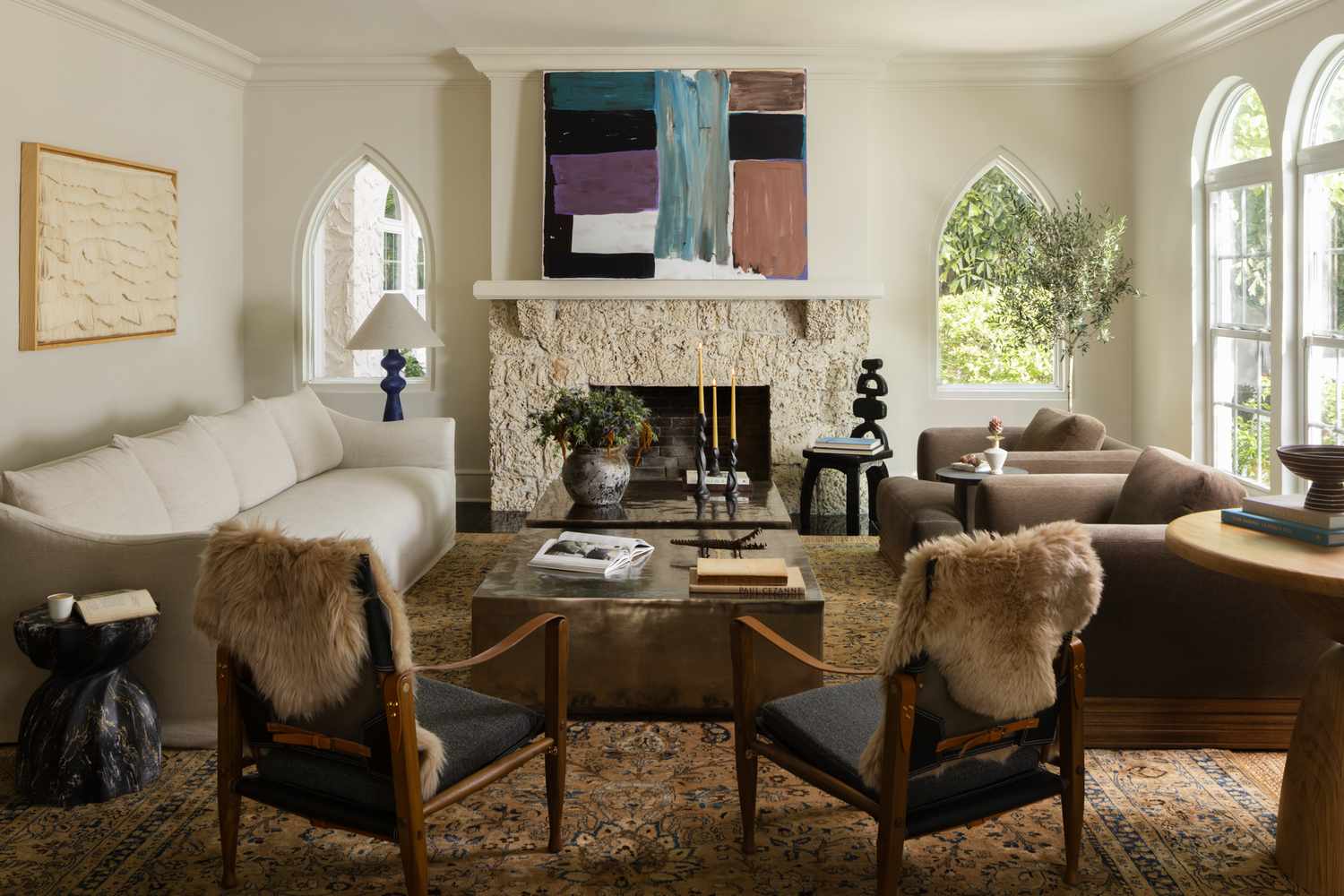
Key Takeaways
- Negative space—the intentional empty areas around furniture and decor—helps a living room breathe, guiding the eye and supporting a calm, balanced feel.
- Thoughtful layouts that prioritize clear pathways and meaningful pieces make the most of negative space, letting standout items take center stage.
- Avoid the urge to overfill or over-edit; restraint is key to creating a space that feels both functional and beautifully cohesive.
The living room is one of the hardest-working spaces in the home, so it’s tempting to fill it with furniture to cover every need—from coffee tables to reading chairs to sprawling sectionals. Trying to force all of that function (and all of that furniture) can actually be doing your design scheme a disservice, though. What you should really be focusing on, according to designers? Negative space.
“Negative space is super important in any great design scheme,” says designer Jennifer Hunter of Jennifer Hunter Design. “It guides the eye through a room, allowing for moments of rest that create a really beautiful rhythm.”
Just as artists rely on negative space in their compositions, the same principle applies to interior layouts—but practicing restraint doesn’t always come easily. “One of the hardest skills in design is practicing restraint,” says designer Erin Hackett Nordholt of Hackett House Studio.
In living rooms especially, she notes, negative space is essential: It preserves natural traffic patterns, prevents those subtle choke points that make a space feel tight, and keeps the room visually calm. As Nordholt puts it, negative space is the “breath” of your design, giving the eye room to rest and the space a more cohesive feel—and it doesn’t cost a thing. Here’s how designers recommend using the approach in your own home.
How to Create Negative Space in a Living Room
The key to creating negative space in your living room isn’t just about removing one or two pieces of furniture. Executing on this concept properly takes a bit of strategy and can sometimes require you to rethink your layout entirely.
“Like most elements of design, there aren’t strict rules,” encourages Mel Bean of Mel Bean Interiors. “It’s more intuitive, but intention is everything. Start by identifying what matters most, then allow space around it to let it shine. Leave clear pathways, resist filling every surface, and remember that empty space isn’t wasted—it’s what gives a living room its sense of balance, flexibility, and ease.”
Credit:
Rikki Snyder; Design by Jennifer Hunter Design; Styling by Francis Bailey
Start With Your Layout
Because negative space is so focused on the flow and function of your space, it’s a good idea to fine-tune your layout from the start. “Begin by defining the function of the room and then build a furniture layout that reflects that,” suggests Hunter, who underscores the importance of auditing how you truly live in the space before deciding on a layout.
“From there, consider scale and proportion to choose pieces that not only fit the space but relate to each other harmoniously,” she adds.
Play Favorites
Not only is negative space a great way to bring visual balance to your space, but it can actually help your special pieces shine like they deserve.
“Negative space allows you to be super intentional with the pieces you select,” says designer Katie Goodrich of Ivory & Bone Interiors. “When there are moments of quiet, the pieces in the room speak louder, and you begin to notice more. Every chair, every table says, ‘I’m here, I deserve your attention,’ and that feels less wasteful, more peaceful, and very meaningful.”
Avoid a “Lop-Sided” Room
Like anything, becoming too formulaic about creating negative space in your living room can lead to an environment that feels sterile or sparse, which goes against what the whole ethos aims to achieve.
“Being mindful of negative space helps you highlight the architecture, balance scale, and create a layout that truly functions for how people live,” says designer Justine Wolman of Justine Wolman Interiors, who makes a point to avoid overcrowding one side of the room while trying to lend visual prominence and negative space to the other.
“The goal is balance; just enough openness so that the room feels elevated and serene, without ever feeling empty,” she adds.
Be Selective
If you’ve ever bought something just to fill an empty corner or cover up a blank wall, negative space could be the cure-all for your impulse shopping. According to the designers we spoke to, the whole approach comes down to intentionality.
“Don’t fill a space with an item that doesn’t have meaning,” advises Goodrich. You need to love it or feel aesthetically inspired by it. If you are choosing something to just fill the space, don’t. Leave it empty; you may find that you don’t need anything there at all, or you can patiently wait until you find something that genuinely contributes to the personality of your home.”