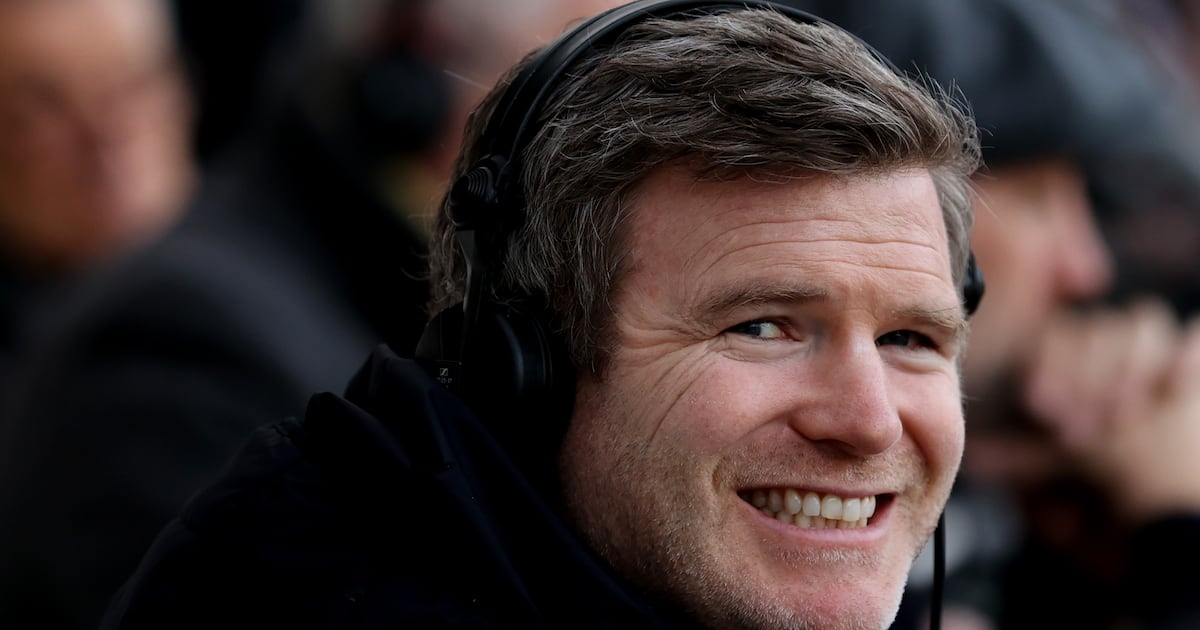
Jamie Heaslip can be forgiven for thinking he should have waited. Back in 2019, he offered up a moment of Irish rugby Twitter folklore, asking his followers if he should start a podcast.
The resulting poll was infamously emphatic. 82 per cent of respondents told poor old Jamie they didn’t want to hear from him. Asked and answered. It’s just as well professional athletes are used to brutal honesty, be it from coaches, teammates or, in this case, fans.
Had he been a bit more patient, perhaps the former Leinster and Ireland number eight would have received his wish. Six years on, countless ex-teammates are now involved in podcasts.
In this parish, The Counter Ruck was formed in 2024 with Gordon D’Arcy as a contributor. Later that year, Tommy Bowe and Donncha O’Callaghan started The Offload. Since retiring midway through 2025, Conor Murray has linked up with BBC Northern Ireland for The Ireland Rugby Social. Dave Kilcoyne, another recent retiree, works with TalkSport Ireland on What the Ruck.
Ex-pros appearing on the airways to talk about the good game is not a new phenomenon. Luke Fitzgerald has been on the Irish Independent’s The Left Wing since 2018. Ian Madigan has joined the same stable as part of their Indo Sport offering. Brian O’Driscoll is a regular contributor to Off the Ball. As is Andy Dunne. Andrew Trimble and Barry Murphy’s Potholes and Penguins is another ex-player pod. Bernard Jackman does the rounds on RTÉ and The 42. James Tracy splits his time between Off The Ball and The 42. Shane Horgan is a Second Captains regular. We could go on . . .
The market was already saturated, or at least brimming full of choice. Still, with a pair of ex-Munster players walking into their own shows almost as soon as their boots hit the hook on the wall, 2025 felt like a noteworthy year for Irish rugby podcasts.
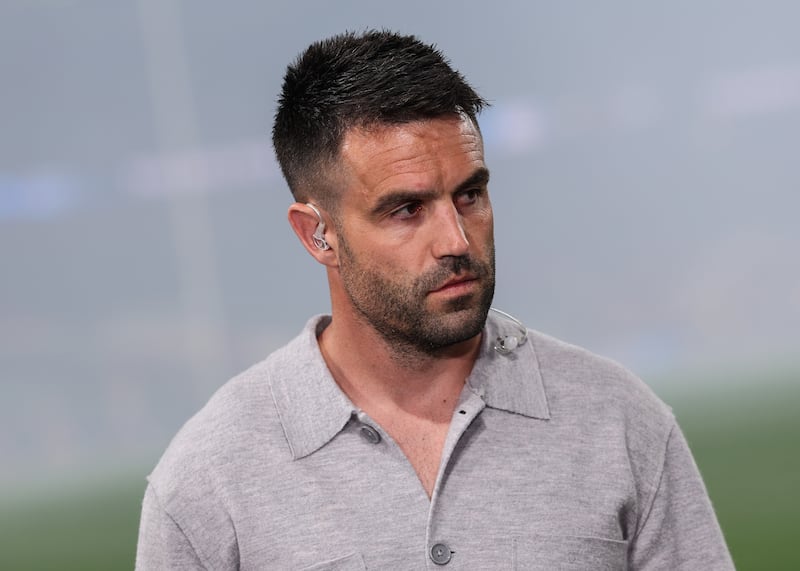 Former Munster and Ireland player Conor Murray now provides insights on The Ireland Rugby Social. Photograph: Ben Brady/Inpho
It’s not just here. Over in England, Ben Youngs and Dan Cole started For The Love of Rugby while they were still playing at Leicester. It’s difficult to imagine current players doing similar on this side of the water.
Or maybe we’re just behind the trend. When Heaslip was asked about his infamous Tweet in a subsequent Off the Ball interview, he offered a window into the motivation for players looking to build their own platform. “I love the fact that you can cut out the middle man now,” he said. “Your voice goes straight to the person that wants to listen to it.
“For players going forward, I think that’s really, really important. It’s important that players have their own voice. That’s what social media has done, it’s reframed how they can interact with people, interact with fans and interact with the game.”
 Why rugby’s bomb squads are bad for the game
For reasons of clarity, said middle man is us – the press. By starting your own podcast, there are no pesky journalists taking whatever comment you offered and shaping it into their own narrative. No more hearing from players solely by someone holding a camera in their face or furiously transcribing whatever was said into the dictaphone (yes, some scribes still use these).
All of which begs the question of what the fan ultimately wants. Clearly, with traditional written outlets securing the services of ex-players such as D’Arcy, Fitzgerald, Madigan and Jackman, some are happy with the traditional panel discussion. In such settings, an interviewer – a journalist themselves – dictates the conversation. “Tell us about Leinster’s blitz. Why are teams kicking so much? Why is Irish rugby appearing stagnant?”
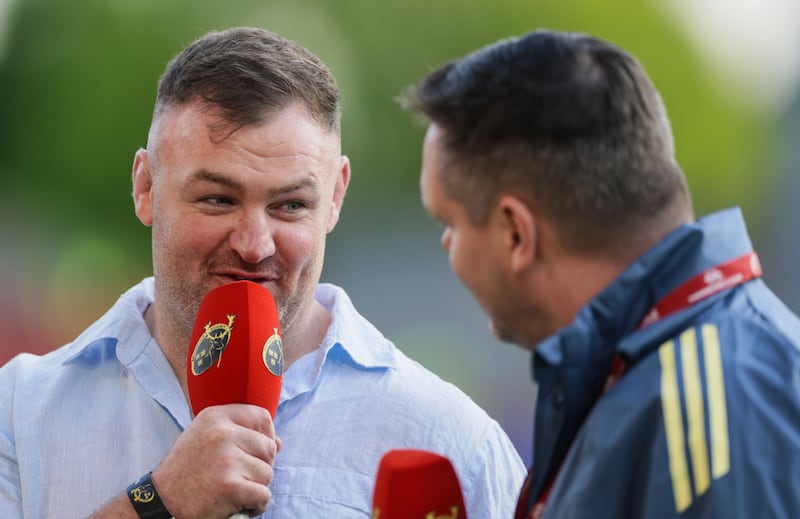 Dave Kilcoyne offers his views before a Munster match at Thomond Park. Photograph: Laszlo Geczo/Inpho
A well-worn format, these former pros are analysts as much as anything else. The odd anecdote from days gone by certainly goes down well, but they are paid to provide a level of analysis which can only be gleaned by years of working behind the curtain. They certainly have input into the shape of the conversation, but they are ultimately providing a service without complete control over the final product.
The newer offerings aren’t entirely different. While Murray and Kilcoyne are the stars of the show, they still have a fellow presenter offering a helping hand. Analysis is certainly offered. Yet emphasis seems to be more on lifting the curtain. TalkSport, for instance, used language such as “spill the beans” and “pulls no punches” when marketing its new offering with Kilcoyne.
Call it ‘The Overlapification’ of Irish rugby podcasts. The contacts book of the prominent face above the door is maximised. It feels more like eavesdropping on a conversation between friends. Stories and craic are king. Tough conversations can come up, but it’s going to be hard to grill your mates.
As much emphasis is placed on the visual as the audio. Newer podcasts are as much TV shows as they are podcasts, the full feed placed on both YouTube and Spotify depending on your consumption presence. Kilcoyne sits in a studio with his co-host and the guest of the day. Murray takes his BBC show on the road, with one episode filmed in Devin Toner’s front room.
Bitesize clips appear on social media, sponsors naturally delighted their logos are attached to viral stories of whatever story gains traction. Newspapers do this with their podcasts as well.
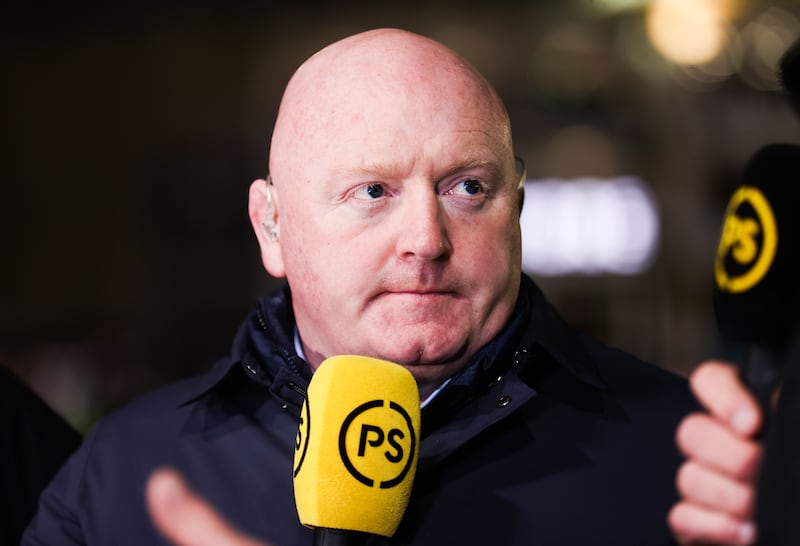 Bernard Jackman on media duties for Premier Sports. Photograph: Tom Maher/Inpho
There is no right or wrong way of doing things. It’s a good thing there is market diversity; listeners aren’t always listening to different versions of the same podcast. Clearly, given the rapidly inflating market, there is demand for different approaches.
All of which begs the question of what’s next. Will those out of contract this summer – Bundee Aki, to throw out one hypothetically – find themselves immediately in front of a microphone? Will the power continue to shift to ex-players setting the agenda, or is there more value in the old-school journalist putting pertinent questions to someone with ex-pro expertise?
Perhaps the players will shift into the role of journalist, a la Gary Lineker, who also showed himself willing to get his hands dirty with traditional journalistic work. One such example involved Lineker during the 2022 FIFA World Cup, when he criticised host nationQatar. The closest Irish figure to Lineker is probably Jackman, given his shift from analyst to news-breaking journalist, but he has yet to become a broadcast frontman.
A conversation for a different day, given journalists writing about the industry risks becoming too meta. Newspaper writers getting stuffy about new upstarts changing the way of things should also be avoided. Ultimately, with more people involved in how the game is discussed, the industry is forced to adapt and improve. When that happens, the average fan, no matter what their broadcast preference, stands to benefit.