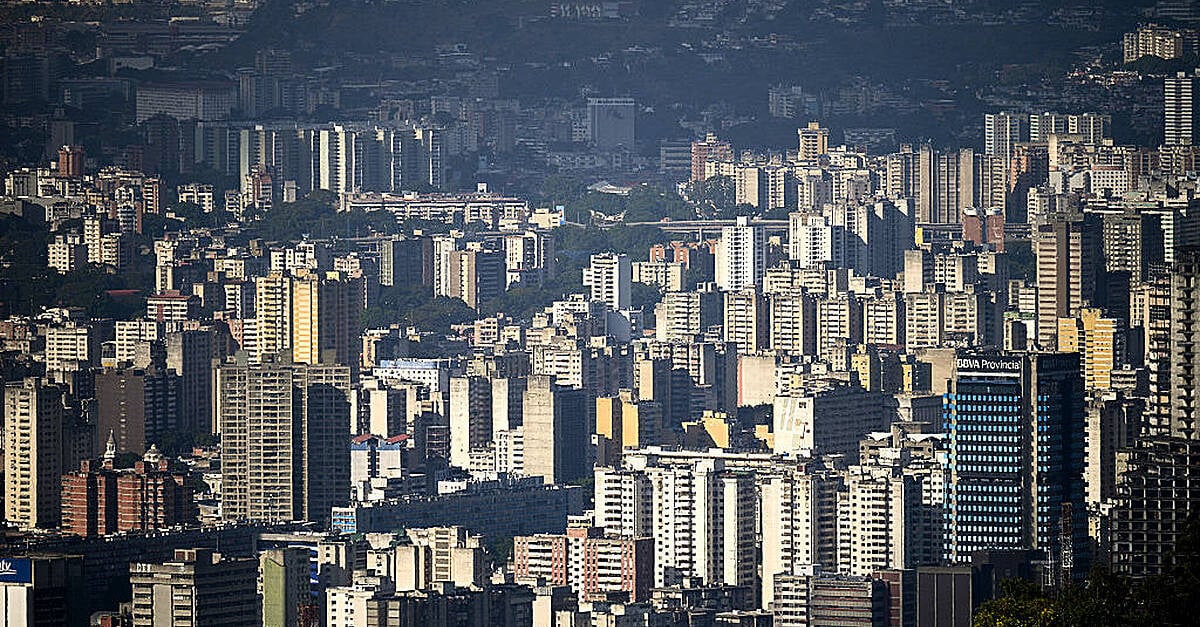
With the US strikes and subsequent capture of Venezuelan president Nicolas Maduro dominating the headlines today, the Latin American country has been thrust into the spotlight.
Here’s everything you need to know about Venezuela.
Key facts
Venezuela is located at the northern end of South America. It is just over 920,000 square kilometres in size – larger than the combined areas of France and Germany. Venezuela is the 32nd largest country in the world.
It has a population of 28.6 million as of January 2026, according to Worldometer.
The Caribbean Sea and the Atlantic Ocean are to the north, with Guyana to the east, Brazil to the south, and Colombia to the southwest and west. Caracas is the capital and the country’s largest city. Maracaibo and Valencia are the country’s next largest cities.
Venezuela’s GDP stands at €70.38 billion as of 2025 according to the IMF, placing it among the smallest economies in Latin America despite its vast natural resources.
Nearly 90 per cent of Venezuela’s population is Christian, primarily Catholic.
Venezuela gained independence from Spain in 1811, and Spanish is the official language of Venezuela. Several Indigenous languages are also spoken.
Who is in power?
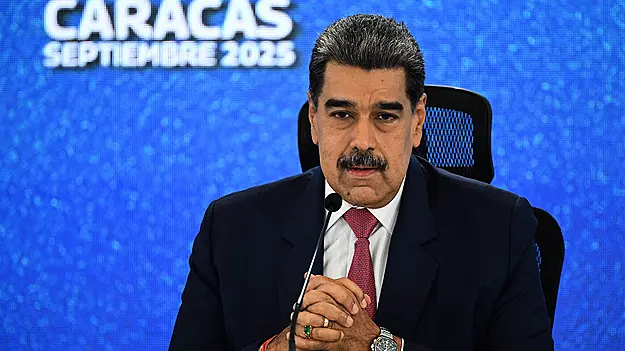
Nicolás Maduro has been in power since 2013, following the death of former president Hugo Chávez. Maduro was sworn in for the third time in January last year, despite protests and evidence that his opponent had actually won the election.
His rule has been widely criticised internationally, with many countries accusing his government of authoritarianism, election irregularities and human rights abuses.
Maduro retains control of the military and state institutions, but his legitimacy has been disputed by opposition groups and foreign governments for several years.
The UN Fact-Finding Mission on Venezuela found that the Venezuelan government continues to engage in “a harsh repression against persons perceived as political opponents or simply because they express dissent or critical views”, describing it as “crimes against humanity”.
Why has Venezuela been in crisis?
Venezuela is facing one of the largest displacement crises in the world, with nearly 7.9 million people having fled the country, according to the UN Refugee Agency. This is the largest ever displacement crisis in Latin America.
The country has experienced a prolonged economic collapse, rampant violence, gang warfare, and soaring crime rates. Hyperinflation has severely reduced living standards, while shortages of food, medicine and basic services have affected millions.
Why is Venezuela important internationally?
Explained
Explained: Who is Nicolas Maduro, Venezuela’s president?
Venezuela has the largest proven oil reserves in the world, making the country strategically very important.
However, the country’s oil production has collapsed over the past decade due to a combination of chronic mismanagement, lack of investment, corruption and international sanctions.
Venezuela funds most of its government budget from oil revenues. In 2024, oil export revenues and taxes paid PDVSA, the state-owned oil company, made up around 58 per cent of state income, according to Al Jazeera.
However, the turbulence of the economy in the past decades has meant that its GDP shrank by more than 70 per cent from 2014 to 2024, reported Al Jazeera.