Click to see more
Back
Next
Nature can make things a little messy. But humans often strive for perfection, and in this desire researchers have created a strain of bacteria whose genetic code is more efficient than any other life form on Earth. Its name is Syn57, but what exactly is it? (Picture: Getty Images)
What did researchers create?
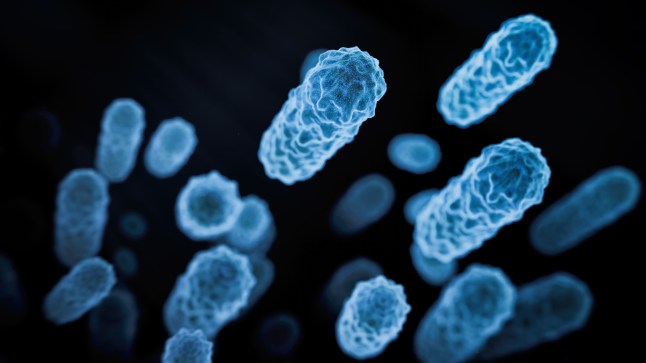
Syn57 is a bioengineered strain of E. coli, and has seven less codons than all life on earth. A codon is a three-letter sequence found in DNA and RNA and delivers instructions for amino acids – known as a fundamental ‘building block’ of life. All known life on Earth uses 64 codons, but in 1966 researchers cracked the code and found which codons match to which amino acids, and therefore could map the standard genetic code. This only needed 20 total amino acids (Picture: Getty)
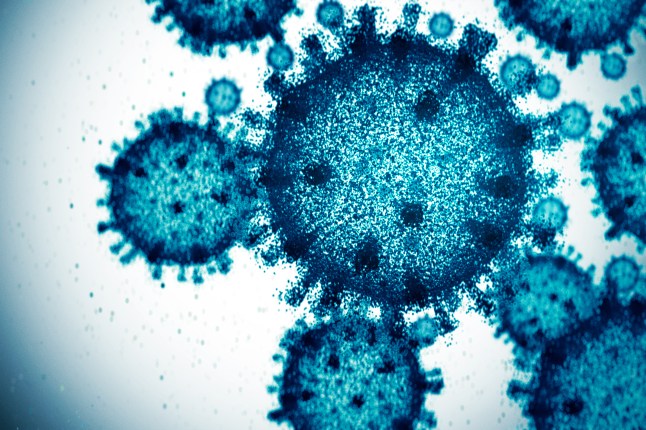
So, if only 20 were needed, did this mean that humans could engineer a more efficient organism from scratch? This took a while to figure out, as first you need proof it can be done. In 2010, a team of researchers outlined the steps to make the world’s first synthetic bacteria cell, and took around 15 years to complete using 64 codons. But then in 2019, genetic researchers at Cambridge University managed to rework an E. coli strand down to 61 codons — showing that life can function with less than than 64 (Picture: Getty)
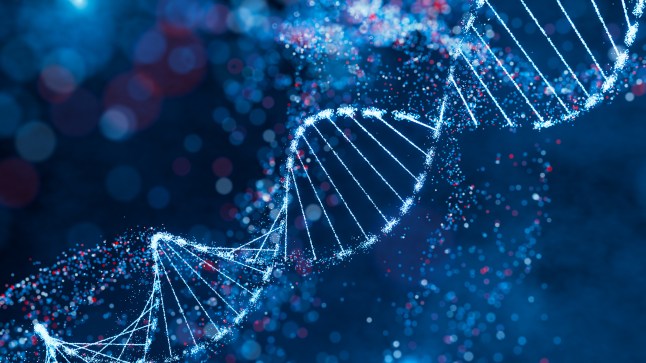
But now the researchers have taken it a step further. To make Syn57 they altered over 101,000 lines of genetic code — first in theory, then in practice. Thanks to advances in DNA synthesis, genetic researchers can now construct genomes from scratch, avoiding some of the redundant codons from the start. And this led to the team from the Medical Research Council Laboratory of Molecular Biology in the UK to create the first lifeform to get down to the 57-codon mark (Picture: Getty)
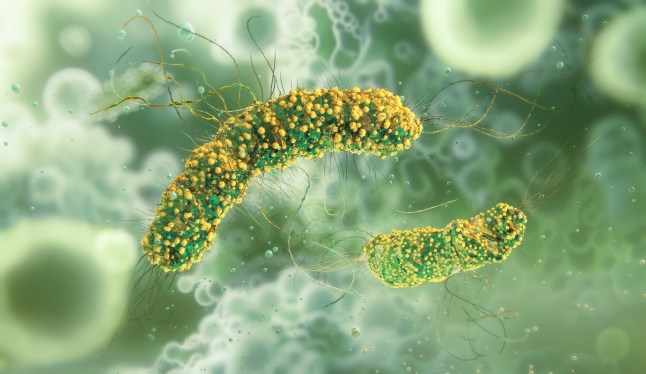
As they were making the changes, the team tested small fragments of the synthetic genome in living bacteria bit by bit to make sure they weren’t inserting harmful changes, and then stitched it all together to form the final, entirely synthetic strain. This shows that life can survive with a significantly compressed genetic blueprint and it could also potentially free up the remaining codons to be assigned different roles (Picture: Getty)
What could it do?
The team said: ‘Syn57 has more space to introduce further non-canonical amino acids, presenting greater opportunities to expand the genetic code even further. This will allow researchers to develop innovative synthetic polymers and macrocycles’. Speaking to the New York Times, Dr Yonatan Chemla, a synthetic biologist at M.I.T. who was not involved in the study, said: ‘It’s kind of crazy that they were able to pull this off. It’s a technically demanding tour de force’ (Picture: Getty)

Since Syn57’s codes are non-canonical, it should be illegible to ‘natural’ microbes, like viruses, and the bacteria should be able to resist any infection. The strain may also be able to help researchers address any risks that could come if engineered microbes were released into the environment. But bacteria can trade information with each other, so if a gene could escape from an engineered microbe and spread through the environment, it could cause ecological harm. This would only be a threat if other bacteria could read the engineered gene and make proteins from it, but if the engineered bacteria used a different genetic code, it would be gibberish to natural microbes (Picture: Getty)

Back Back
Start
Start
Next
Next
News Updates
Stay on top of the headlines with daily email updates.