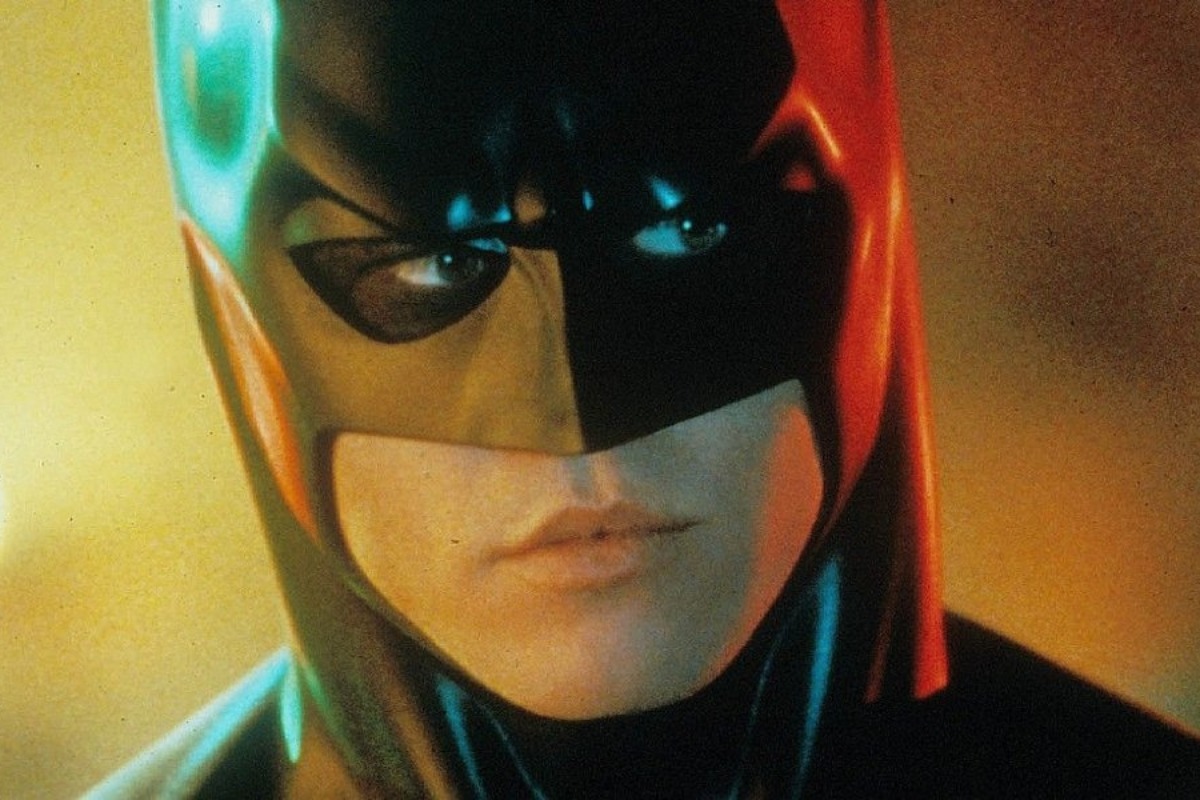
He inherited the cowl, lost the spotlight, and left behind a performance many missed. Why does the most human Dark Knight still sit in the shadows of Gotham legend?
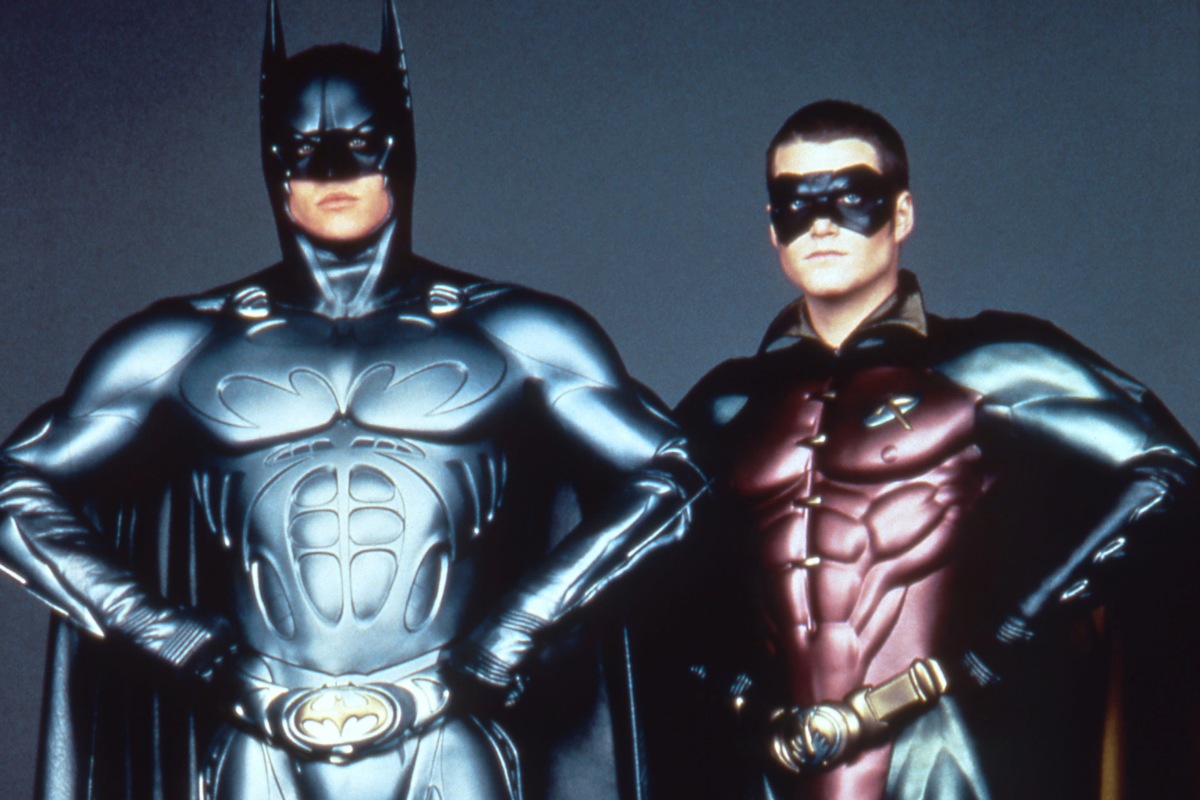
Val Kilmer’s turn under the cowl was neither the first nor the grittiest, yet it may be the most human. In Batman Forever, he inherited the cape after Michael Keaton and, under Joel Schumacher, wrestled less with Gotham’s rogues than with a rigid suit that throttled movement and emotion. That constraint drew out a quieter Bruce Wayne, tentative and searching across from Nicole Kidman. As he marks his 66th year, the performance that so often slips from memory still reshapes how the Dark Knight can feel on screen.
Celebrating a forgotten Batman: Val Kilmer turns 66
Sixty-six years ago, a man with an extraordinary journey was born: Val Kilmer. Known for his powerful performances in iconic films like Top Gun and Tombstone, he also holds the less spotlighted title of Batman. His turn as the Dark Knight in Batman Forever still sparks discussions among fans and critics alike. How did he make Bruce Wayne more human?
A legend from the shadows
Batman has become one of the most iconic characters in cinematic history, with numerous actors donning the cape and cowl. From Michael Keaton’s charismatic debut to Christian Bale’s gritty trilogy, each portrayal brought something unique. Yet, Kilmer’s contribution often fades into the background. Despite his brief stint as the Caped Crusader, Kilmer brought a fascinating depth to the role. His career at the time was already shining—what made him stand out in Batman Forever?
Joel Schumacher, the film’s director, was captivated by Kilmer after Tombstone. Ironically, Kilmer’s past encounter with real bats in South Africa as a child made his role as Batman both coincidental and symbolic. For one movie, he stepped into Bruce Wayne’s world and left a subtle but significant mark.
Wearing the dream and the challenge
For Kilmer, wearing the Batsuit was a childhood dream come true. Like many children, he had grown up captivated by the idea of Gotham’s protector. But dreams are often more complicated in reality. Acting in the suit was no easy feat. With its heavy, restrictive design, Kilmer had very limited mobility. Even basic tasks like turning his head or hearing co-stars became monumental challenges.
- The suit was infamously uncomfortable, to the point where Kilmer described it as acting “in a straitjacket.”
- Much of his energy had to focus on projecting emotions despite the physical limitations of the costume.
Yet, even within these restrictions, Kilmer managed to embody both Batman’s stoic resolve and Bruce Wayne’s underlying vulnerabilities.
The most human Bruce Wayne?
One of Kilmer’s standout contributions to the Batman legacy was his nuanced portrayal of Bruce Wayne. He wasn’t simply the suave billionaire or the elusive crime fighter. Kilmer delved deeper, offering a version of Wayne that felt intensely real and conflicted. His interactions with Nicole Kidman’s character, Chase Meridian, further highlighted this complexity. Through their dynamic, viewers glimpsed a Bruce Wayne longing for connection, yet weighed down by his crime-fighting alter ego.
It wasn’t just about the action scenes or gadgets. Kilmer’s performance reminded audiences that beneath the mask was a deeply human figure navigating pain, isolation, and responsibility. His portrayal might not be the flashiest, but it provided a rare glimpse into the man behind the Bat symbol, a perspective that set him apart from others who have taken on the role.
A brief but lasting legacy
Although Kilmer’s time as Batman ended after just one film, his thoughtful approach to the character lingers in discussions about Gotham’s famous vigilante. In the history of Batman on the big screen, his name may not be the first to come to mind, but his impact is undeniable. With his recent 66th birthday, it’s a perfect moment to reflect on the depth he added to one of cinema’s most enduring heroes.