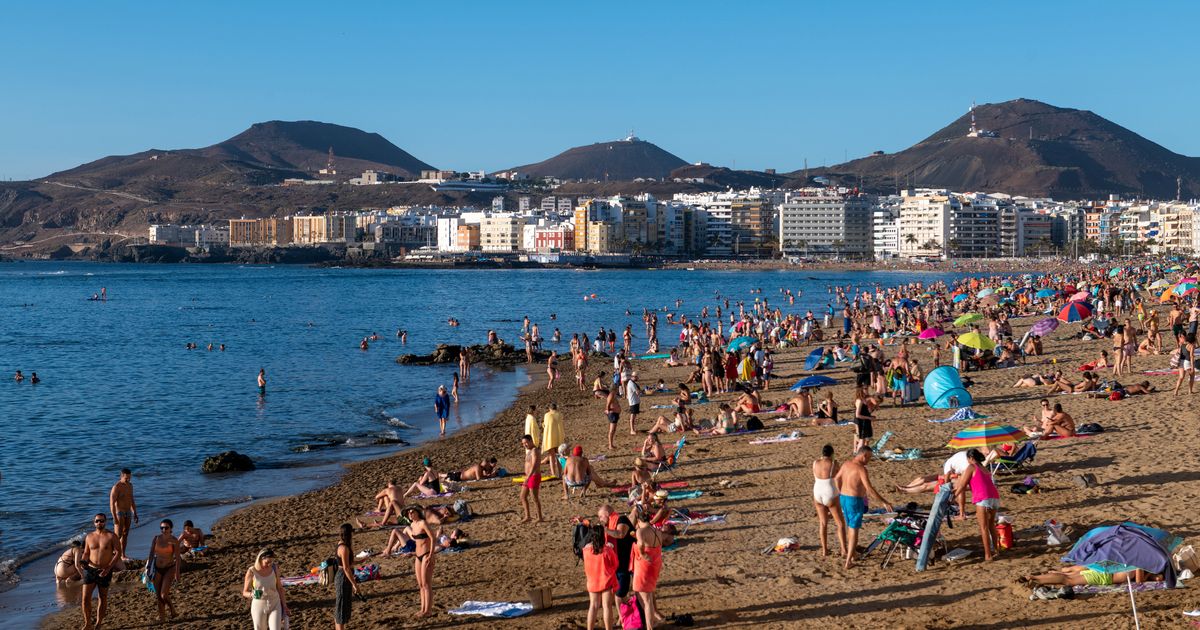
The Canary Islands have been placed on a ‘No List’ for 2026 by travel guide Fodor’s Travel, which highlights destinations where tourism is placing unsustainable pressures on the land and local communitiesZahra Khaliq News Reporter, Liv Clarke Tourism writer and Ruairi Scott Byrne Audience Editor
14:31, 03 Jan 2026Updated 14:35, 03 Jan 2026
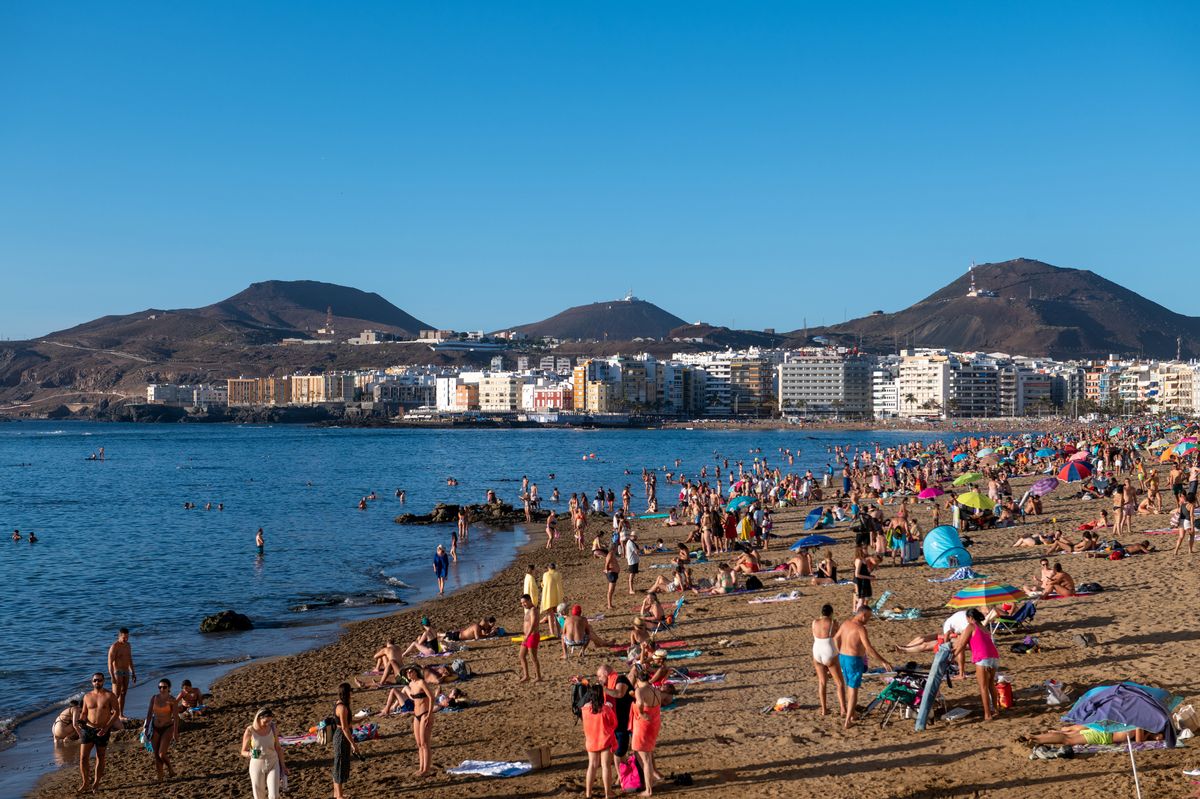 Holidaymakers are being urged against traveling to the Canary Islands in 2026 – stock photo
The Canary Islands have long been a go-to destination for Irish holidaymakers, offering endless sunshine and top-notch resorts throughout the year.
However, in recent years, locals have taken to the streets in protest against the overwhelming tide of tourism hitting the Spanish archipelago.
Residents blame holiday rentals for driving up property prices, while expressing deep anger over the environmental toll caused by the millions of annual visitors.
Graffiti declaring ‘Tourists go home’ has been scrawled across various spots throughout the Canary Islands. The same message has appeared in sought-after locations on mainland Spain as well.
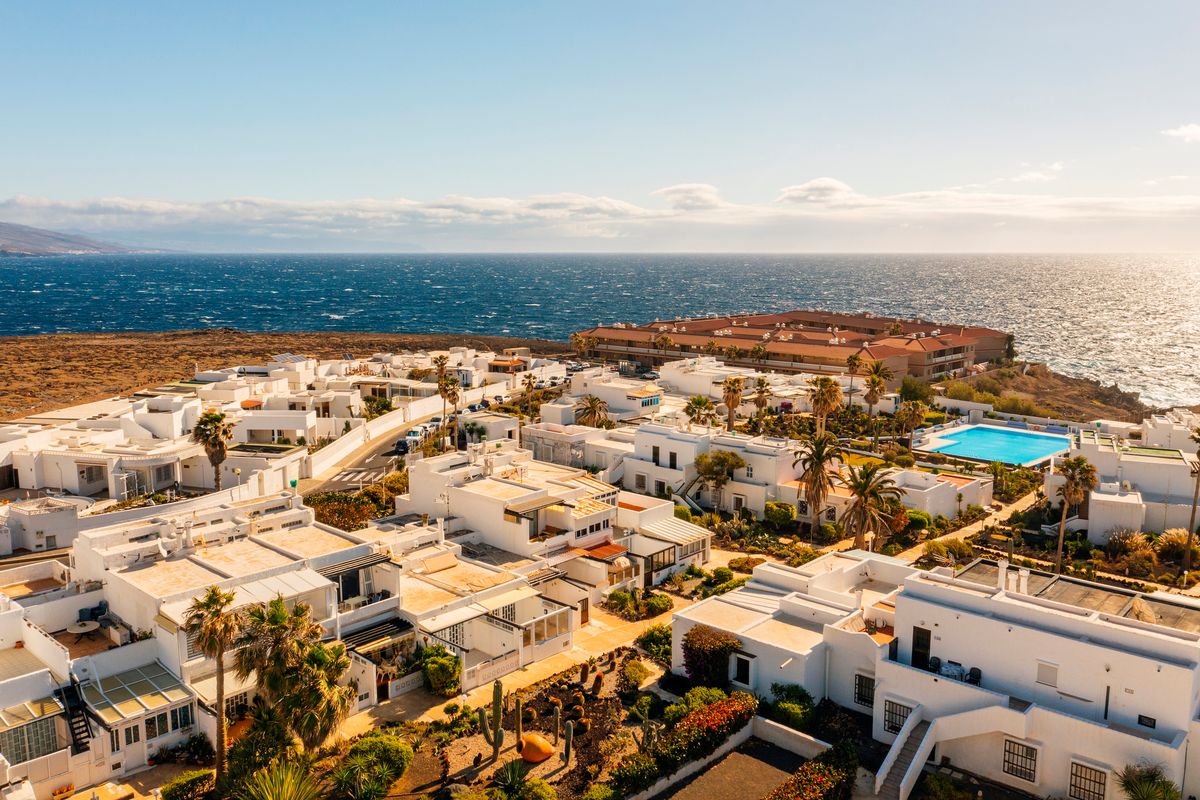 Drone view of a residential district on the Island of Tenerife – stock photo
These mounting tensions have resulted in the Canary Islands being placed on Fodor’s Travel’s ‘No List’ for 2025 – and they’ve made the cut again for 2026. The travel guide was quick to stress this is “not a call for boycott”, but rather aims “to highlight destinations where tourism is placing unsustainable pressures on the land and local communities”.
The publication identified the primary concerns as “overtouristed sites, fragile ecosystems and communities struggling to stay afloat”. Fodor’s explained: “The No List serves a gentle but pointed nudge to ease up on a spot for now–not forever–and give a rest to any location that clearly needs a breather.”
In relation to the Canary Islands, the publication highlighted that tourism has rocketed in 2025, welcoming 7.8 million visitors and handling over 27 million airport passengers during the first six months – a five per cent rise compared to previous years, reports the Mirror.
Fodor’s notes that whilst tourism accounts for more than a third of the Canary Islands’ GDP and provides employment for roughly 40 per cent of residents, “yet success comes at a price”.
 A protester holds a sign reading “Canary Islands have a limit” as thousands march on Las Americas beach during a demonstration against mass tourism, in Arona on the Spanish Canary island of Tenerife, on October 20, 2024.(Image: AFP via Getty Images)
Local communities are bearing the brunt of visitor impact through increased traffic congestion, housing pressures (including soaring rental costs), environmental degradation and water shortages. The guide warned: “Academics and experts warn that the combination of rising visitor numbers and a warming climate is unsustainable.”
It continued: “For many Canarians, tourism is both a lifeline and a burden. The islands rely heavily on visitor spending, yet locals often see little of it. “.
While Barcelona and Majorca featured on last year’s list of Spanish destinations under strain, they’ve been omitted this time around. However, Fodor’s stresses this doesn’t give tourists carte blanche to flood these areas.
The publication explained: “These destinations haven’t been magically cured–they’re still mired in challenges–but the usual suspects too often pull focus from other hotspots in need of a break.”
In addition to the Canary Islands, Antarctica, Glacier National Park (USA), Isola Sacra (Italy), The Jungfrau Region (Switzerland), Mexico City (Mexico), Mombasa (Kenya), and Montmartre (Paris, France) also made it onto this year’s ‘No List’.
Subscribe to our newsletter for the latest news from the Irish Mirror direct to your inbox: Sign up here.