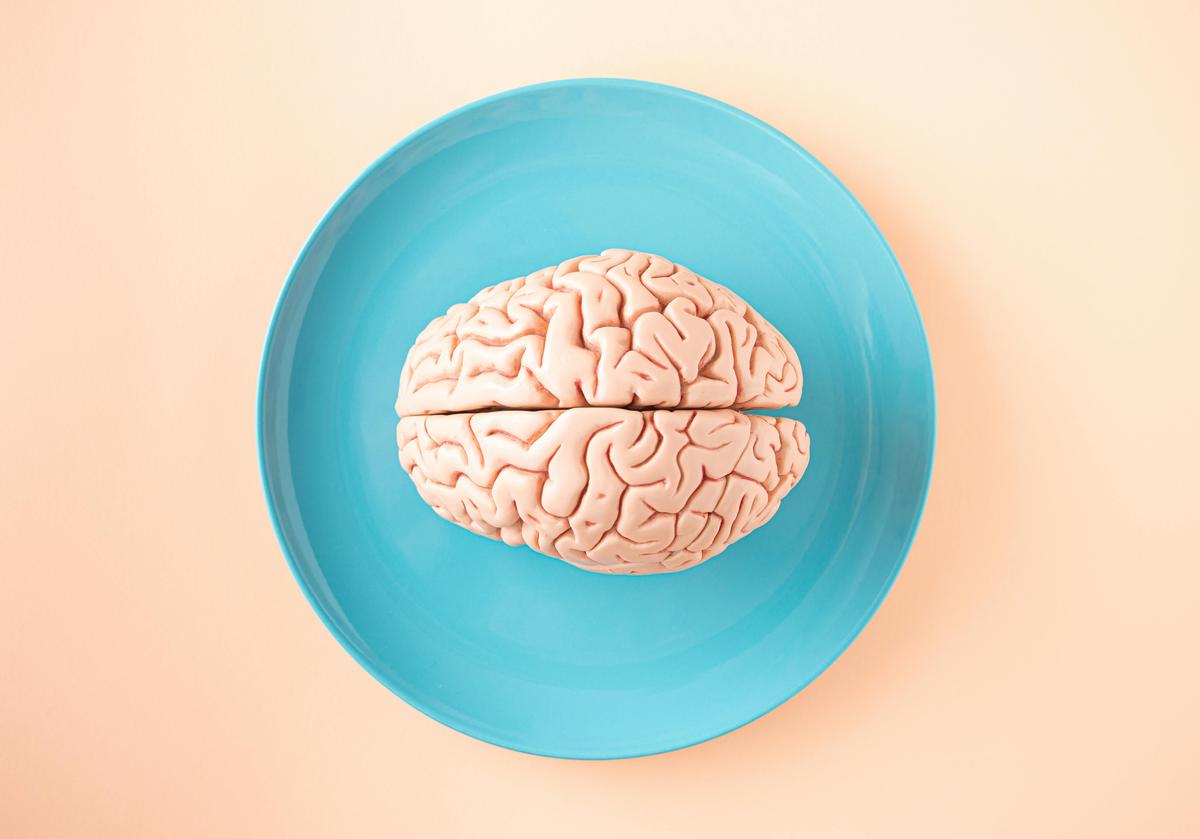

January is hailed as the perfect month for starting again, and for many of us, that means making health resolutions and goals that can add up to improve our lives on a meaningful level.
According to a YouGov study, in 2026, 23 per cent of people are pledging to exercise more, 17 per cent of us aim to lose weight, 11 per cent want to eat more healthily, and another 10 per cent simply want to ‘be healthier.’
But true wellbeing isn’t just about the body, it’s about the brain — and it’s something that wellbeing influencers are increasingly highlighting across social media, podcasts and YouTube. Just last week in the Christmas episode of A Diary of a CEO, podcaster Steven Bartlett joined the conversation, sharing top ‘brain fixes’ from world-leading experts, whilst renowned wellness experts such as Dr. Mark Hyman (read Dr. Mark Hyman’s daily routine here) and Rich Roll often share their brain health strategies across their channels, only further cementing the idea that taking care of your brain is key to living a healthier, longer life.
So if you want to become the healthiest version of yourself this year, start with your brain — because a healthy future self begins with looking after the most powerful organ you have.
Diet is one of the first areas to reassess when you’re striving to optimise the brain, and health boosters like omega-3 fatty acids, vitamin D, magnesium and B vitamins are often the first nutrients that spring to mind. But there’s an underrated amino acid, that also plays a key role in supporting brain health, but the chances are you’ve probably never heard of it: L-serine.
Amino acids like L-serine are small molecules that the body links together in chains to form proteins — these carry out countless functions, from supporting the immune system to regulating neurotransmitters in the brain. Amino acids are split into two groups: essential amino acids, (which your body cannot make and must obtain from food), and non-essential amino acids, which your body can naturally produce. L-serine falls into the latter category, but that doesn’t mean it’s less important — on the contrary, it plays a crucial role in maintaining brain cell structure, producing neurotransmitters, and supporting cognitive function.
L-serine helps support the production of key neurotransmitters that that allow nerve cells to communicate with each other and contributes to the structure and maintenance of brain cells, both of which are vital for memory, learning and cognitive performance. It is also involved in the formation of myelin, (the protective sheath that surrounds nerve fibres), allowing signals to travel efficiently throughout the brain and nervous system, and helps regulate substances in the brain that influence inflammation and blood flow, supporting better circulation and a calmer, healthier brain environment, which is why L-serine matters when it comes to reducing the risk of degenerative diseases like Alzheimer’s and dementia, whilst also contributing to clearer thinking, focus and productivity.
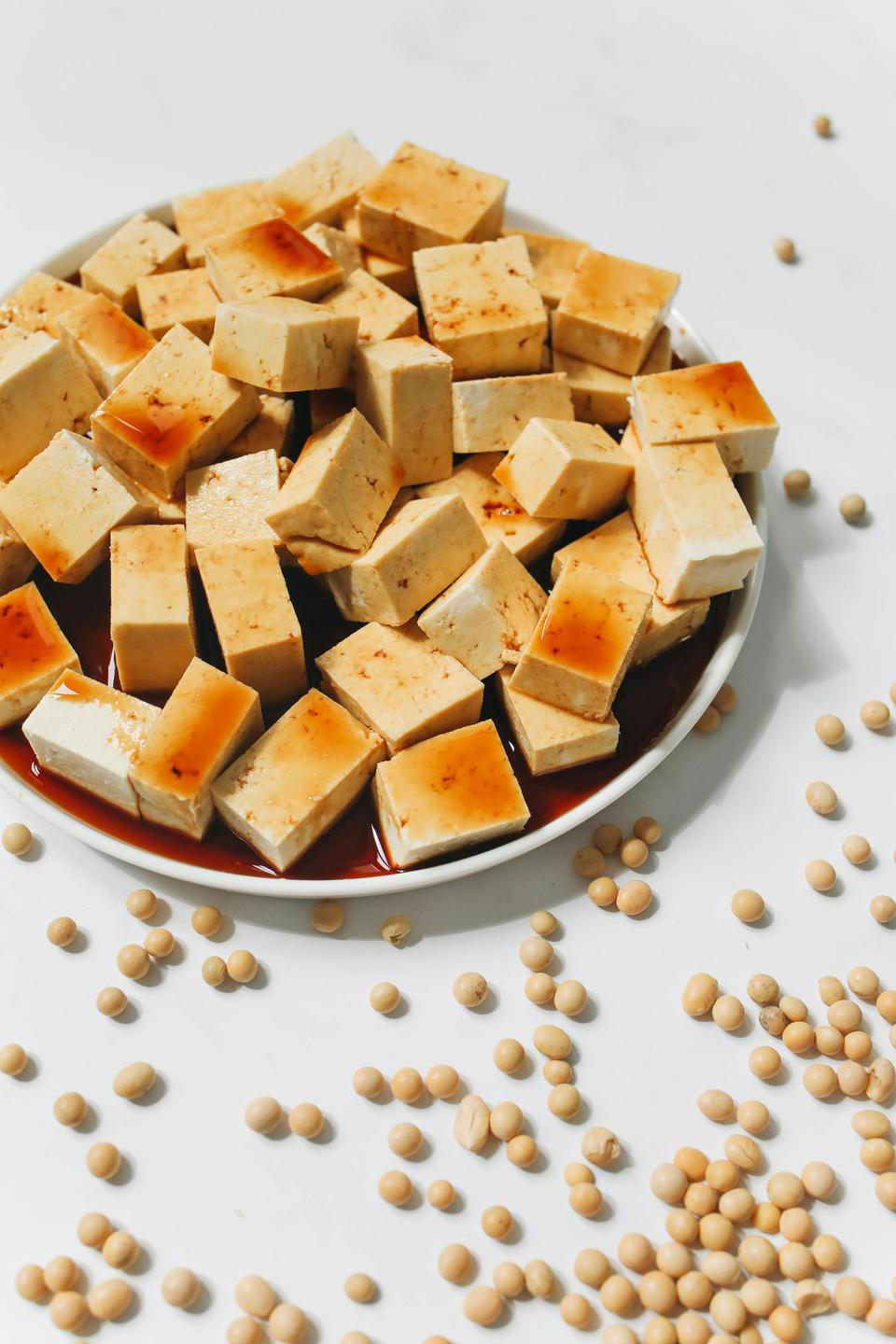
L-serine can be consumed via soy beans and tofu
Pexels / Polina Tankilevitch
How to get enough L-serine
The body can actually manufacture L-serine on its own since it’s classified as one of the 11 non-essential amino acids that the body produces. This means that there is no official daily requirement, however there are numerous factors that can impede this process.
Research suggests that levels of L-serine may decline with age, through prolonged use of certain prescription medications, and levels can also drop during periods of increased stress, which makes it even more important to ensure you’re getting enough through dietary measures. When consumed through foods like eggs, soybeans, nuts, seeds and dairy products, L-serine converts to D-serine where it sends chemical signals in the brain, and studies show that a higher intake of dietary D-serine is linked with better cognitive performance, particularly memory and processing speed.
A typical balanced diet provides around 3-8g of the amino acid, (although it’s generally safe when supplementing in higher doses under the care of a registered healthcare provider). In supplement form, the amino acid is available in capsule or powder form and although usually well tolerated, it can cause upset stomach or nausea in some people so it’s worth reducing the dose if these symptoms occur.
Can L-serine make you brainier?
So, is L-serine the answer to a healthier brain? Like most nutrients in isolation, L-serine won’t supercharge brain health overnight. It’s a noteworthy component of good brain health, forming part of a healthy diet, but it’s also worth considering how well you sleep, the way you manage stress, how much you move daily and how you stay mentally engaged if improving grey matter is on your 2026 radar.
As interest in brain-first wellbeing continues to grow, nutrients like L-serine become part of a broader picture of long-term cognitive care which is only a good thing, because when it comes to setting intentions for the year ahead, looking after your brain may be one of the most powerful resolutions you can make.
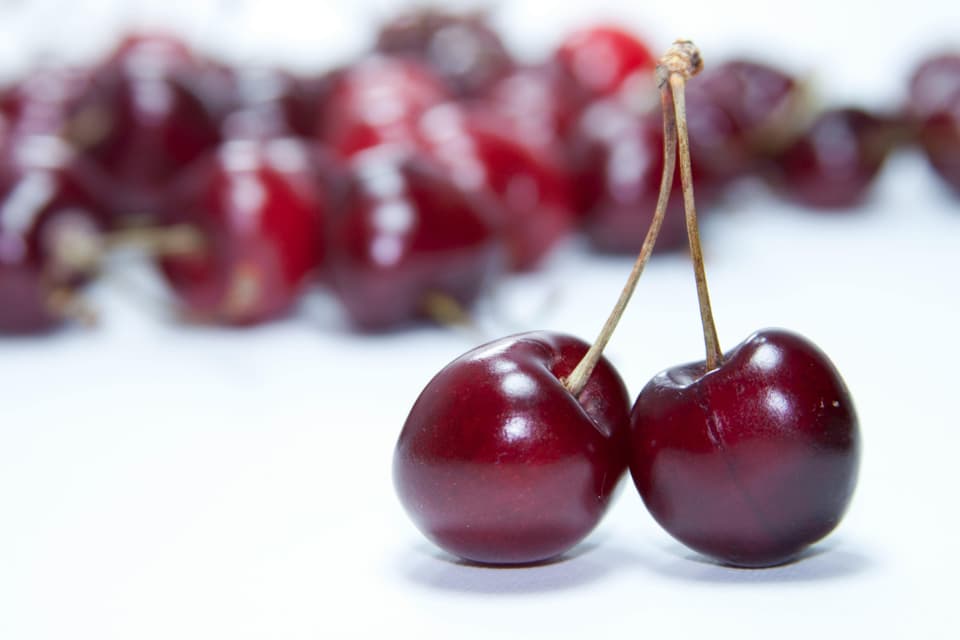
Cherries are a source of nitric oxide which can help increase blood flow to the brain
Pexels / R Khalil
3 extra natural compounds for a smarter brain
Found in: Beetroot, leafy greens, tart cherries
Why it works: Helps increase blood flow to the brain, supporting oxygen and nutrient delivery that are essential for focus, memory and mental clarity.
Why it works: Supports cellular energy production in the brain, which may help with mental fatigue, short-term memory and cognitive performance, especially during periods of high demand or stress.
Why it works: A powerful antioxidant that helps reduce oxidative stress and inflammation in the brain, both of which are linked to cognitive decline.