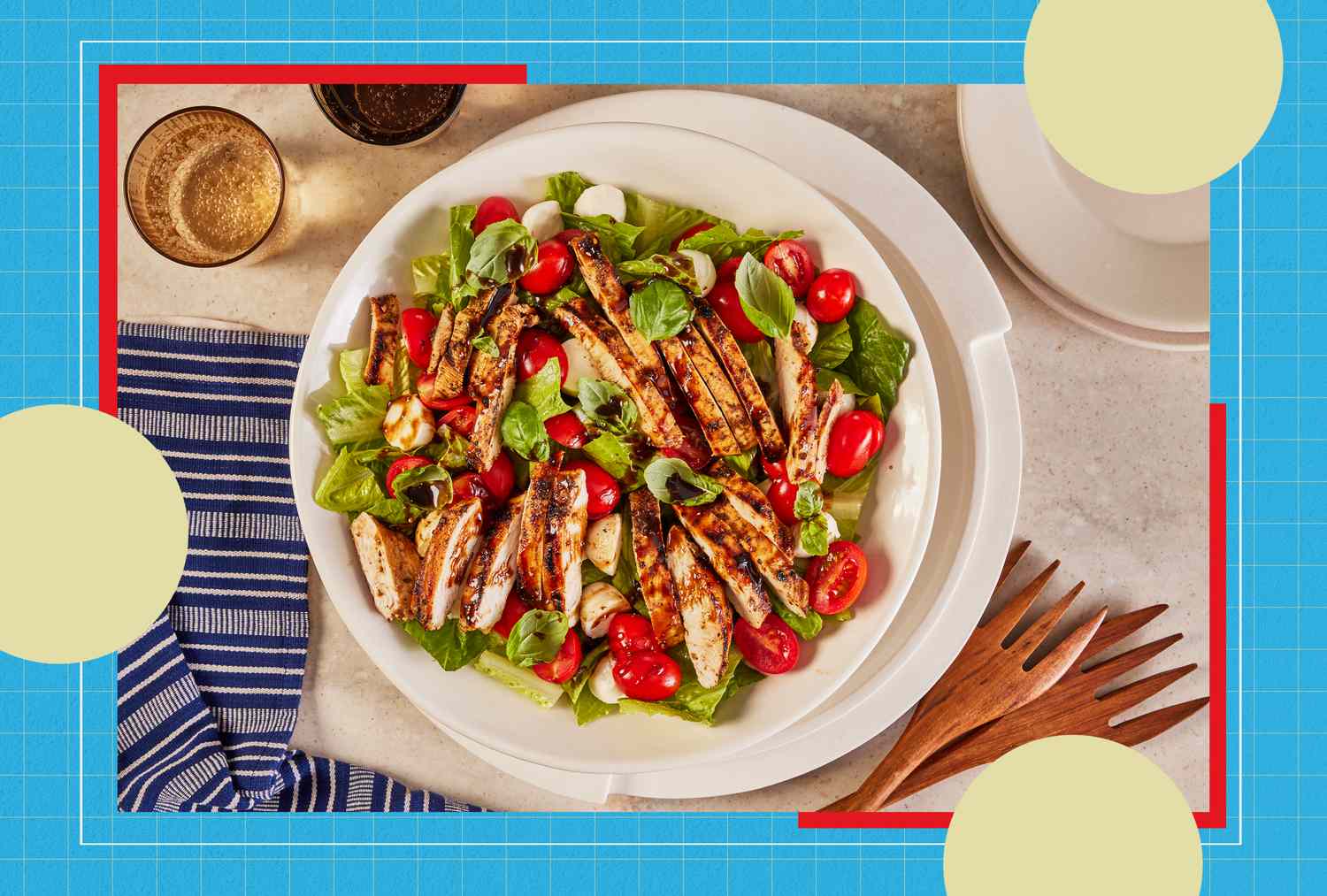
- Including plenty of protein in your lunch will help prevent a mid-day slump.
- Protein helps stabilize blood sugar, fills us up and contributes to healthy muscles.
- Pack high-protein foods for lunch, like chicken, chickpeas, edamame, cottage cheese and tuna.
Getting enough protein is crucial for muscle health. But did you know it’s also essential for various bodily functions, satiety and overall well-being? Protein does great things for your body such as building and repairing tissue, supporting immune function, producing enzymes and regulating hormones. Some research shows protein may also aid in weight management by promoting feelings of fullness.
Ensuring you get enough protein at each meal, including lunch, can help keep energy levels up throughout the day. Aiming for at least 15 grams at your mid-day meal is a good place to start, and these 10 high-protein lunchtime foods can get you there.
1. Chicken Breast
A 3-ounce serving of grilled chicken breast provides an impressive 26 grams of protein. Chicken breast delivers lean protein, meaning it’s low in total and saturated fat. Cassandra Padula Burke, RDN, a registered dietitian nutritionist, suggests pairing chicken breast with whole grains and veggies or turning it into a burrito bowl for a protein-packed lunch to help you stay full longer. Or use it to make chicken salad sandwiches or a High-Protein Grilled Chicken Salad.
2. Strained (Greek-Style) Yogurt
A 7-ounce serving of plain, low-fat strained (Greek-style) yogurt provides 20 grams of protein. It also contains probiotics that support gut health and it gives you calcium for strong bones.
Greek-style yogurt is an excellent choice for lunch since you can easily go savory with it. Try using it as a base for tzatziki in these Falafel Pitas ,or turn it into a Dill Sauce to drizzle over salads or skewers. Swap sour cream for plain strained (Greek-style) yogurt as a topping to your Loaded Baked Potato Skins.
3. Lentils
One cup of cooked lentils provides 18 grams of plant protein and contains fiber, iron and folate. Research shows lentils may also help lower cholesterol and keep blood sugar levels stable. You can incorporate lentils into all types of recipes, like lentil soup or this simple Mixed Greens Salad with Lentils and Sliced Apple. Lentils are also used in many plant-based burgers.
4. Cottage Cheese
One cup of low-fat cottage cheese offers 24 grams of protein. Because it’s rich in a slowly-digested protein called casein, it may promote satiety. Dietitian Katie Drakeford, MA, RD, loves cottage cheese as a quick and convenient protein to enjoy with fresh fruit or as a dip with crackers and veggies.
“It’s also a great source of nutrients like calcium and vitamin B12 which support healthy bones and cells,” says Alexia Zolis, RD, who enjoys cottage cheese over whole grain toast with some mashed avocado, everything bagel seasoning and a hot honey drizzle.
5. Eggs
Eggs aren’t just for breakfast. Performance dietitian Tony Castillo, MS, RDN recommends eggs as the perfect addition to lunch to fuel people at all activity levels—from competitive athletes to everyday gym goers.
“Eggs are a nutritional powerhouse, with one egg containing six grams of high-quality protein and all nine essential amino acids, to help maintain and repair muscle while supporting bone health,” says Castillo. Plus, they can be quickly and easily prepared in lots of ways to suit different tastes, preferences and nutritional needs.
Try adding eggs to your midday meal with our Low-Carb Bacon & Broccoli Egg Burritos, slice up hard-boiled eggs to top a green salad or whip up egg salad for sandwiches.
6. Chickpeas
One cup of cooked chickpeas packs 15 grams of heart-healthy plant protein. Research shows that the protein in chickpeas is highly bioavailable, which means it’s easily absorbed and utilized by the body. Chickpeas are a versatile ingredient that can be used in all sorts of dishes, including our chickpea-filled Turmeric Rice Bowls with Garam Masala, Root Vegetables & Chickpeas and Chopped Salad with Chickpeas, Olives & Feta.
Chickpeas are also the main ingredient in chickpea pastas, which offers a higher protein alternative to regular pasta made with wheat flour or brown rice pasta. We use chickpea pasta in Chickpea Pasta with Lemony-Parsley Pesto and both chickpeas and chickpea pasta in our High-Protein Pasta Salad. Chickpeas also play a starring role in hummus which is perfect for healthy dipping or as a sandwich spread, like we do in this Veggie & Hummus Sandwich. Make your own homemade hummus, or if you’re on-the-go grab pre-portioned hummus cups.
7. Tuna
A standard 4.1-ounce can of tuna contains 22 grams of satisfying protein. Heidi McIndoo, MS, RD highlights how tuna is also a source of omega-3 fatty acids, which have been linked with a healthier heart and brain.
Charita Bundick, RD, suggests using tuna packets for a quick, easy lunch option. Simply tear it open and pair with a salad kit, whole grain crackers or crunchy veggies. You could also mix up a big batch of tuna salad to have on hand for lunches throughout the week.
8. Edamame
One cup of steamed edamame contains 18 grams of protein. It also provides 29% of the Daily Value for fiber and 20% of the Daily Value for iron, two nutrients often lacking in our diets.
Patricia Kolesa, MS, RDN, suggests incorporating edamame into grain dishes, salads or bean dips. It can also be enjoyed simply steamed and lightly salted. Edamame is the star in this Greek Salad with Edamame. We use edamame to make hummus in this Edamame Hummus Wrap, which is a great packable lunch wrap.
9. Salmon
A 3-ounce serving of cooked salmon packs a substantial 21 grams of protein. Research has shown that high-protein fish, like salmon, may help control appetite and promote satiety after a meal. And there’s another reason to work salmon into your lunchtime rotation.
“Consumption of omega-3 fatty acids has been found to improve memory and cognitive function, which may help prevent brain fog at work in the afternoon,” says Sarah Alsing, MS, RD.
Enjoy salmon grilled or baked, or try wild canned salmon. “Most canned salmon in the U.S. comes from Alaska, meaning it’s guaranteed to be sustainably caught, which makes me feel even better about eating it,” says Caroline Thomason, RD, CDCES. Alternatively, Kayla Farrell, RDN, enjoys salmon from Chile for its high omega-3 content and low mercury levels.
No matter which type of salmon you choose—you’ll reap the benefits. Check out these 15 healthy salmon bowls to make for lunch or whip up a batch of High-Protein Salmon Salad—it can be used for sandwiches, as a dip for crackers and veggies or to top salad.
10. Quinoa
One cup of cooked quinoa contains 8 grams of protein. Quinoa is a unique plant-based protein because it’s a complete protein, meaning it contains all nine essential amino acids. It’s also rich in magnesium, which may help support muscle and nerve function. You can use quinoa as a base for grain bowls, add it to cheesy stuffed peppers, or bake until crispy to use as a crunchy, high-protein salad topper in place of croutons.
Our Expert Take
Incorporating high-protein foods into your lunch can support your muscles, increase energy, reduce hunger, prevent a mid-afternoon slump and improve your overall health. With this list of healthy animal and plant-based proteins, there are plenty of delicious options to keep you feeling fueled all day long! If you need some quick, packable, high-protein lunch ideas, check out our 15 10-Minute High-Protein Lunches to Pack for Work.