behavior: The way something (often a person or other organism) conducts itself or acts towards others.
biology: The study of living things. The scientists who study them are known as biologists.
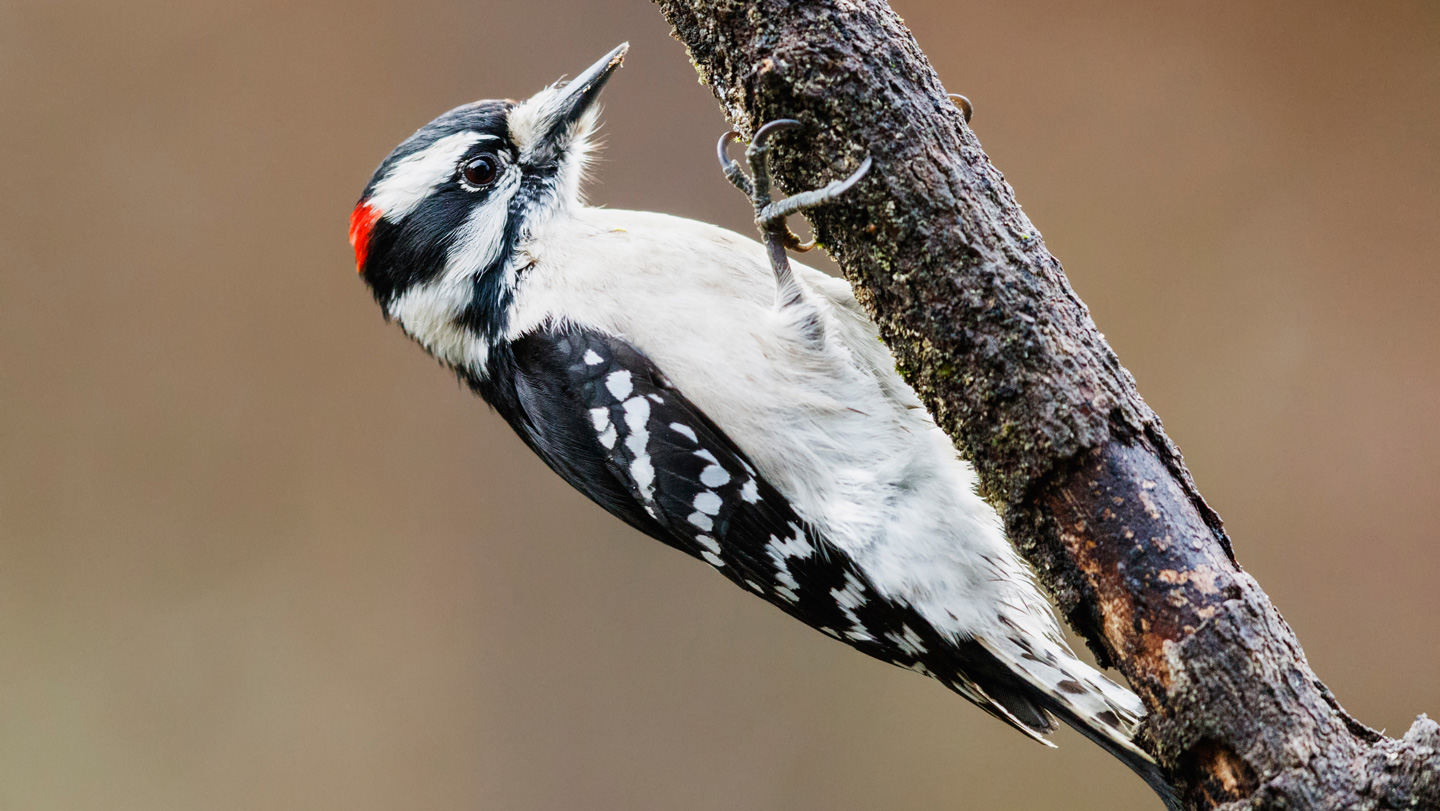
birds: Warm-blooded dinosaurs with wings that first showed up at least 150 million years ago. Birds are jacketed in feathers and produce young from the eggs they deposit in some sort of nest. Most birds fly, but throughout history there have been the occasional species that don’t.
colleague: Someone who works with another; a co-worker or team member.
data: Facts and/or statistics collected together for analysis but not necessarily organized in a way that gives them meaning. For digital information (the type stored by computers), those data typically are numbers stored in a binary code, portrayed as strings of zeros and ones.
electrode: A device that conducts electricity and is used to make contact with the non-metal part of an electrical circuit, or that contacts something through which an electrical signal moves. (in electronics) Part of a semiconductor device (such as a transistor) that either releases or collects electrons (negative charges) or holes (positive charges) — or that can control their movement.
force: Some outside influence that can change the motion of an object, hold objects close to one another, or produce motion or stress in a stationary object.
harmony: Different musical notes or tones played at the same time.
journal: (in science) A publication in which scientists share their research findings with experts (and sometimes even the public). Some journals publish papers from all fields of science, technology, engineering and math, while others are specific to a single subject. Peer-reviewed journals are the gold standard: They send all submitted articles to outside experts to be read and critiqued. The goal, here, is to prevent the publication of mistakes, fraud or work that is not novel or convincingly demonstrated.
millisecond: A thousandth of a second.
muscle: A type of tissue used to produce movement by contracting its cells, known as muscle fibers. Muscle is rich in protein, which is why predatory species seek prey containing lots of this tissue.
neuroscientist: Someone who studies the structure or function of the brain and other parts of the nervous system.
wood: A porous and fibrous structural tissue found in the stems and roots of trees, shrubs and other woody plants.