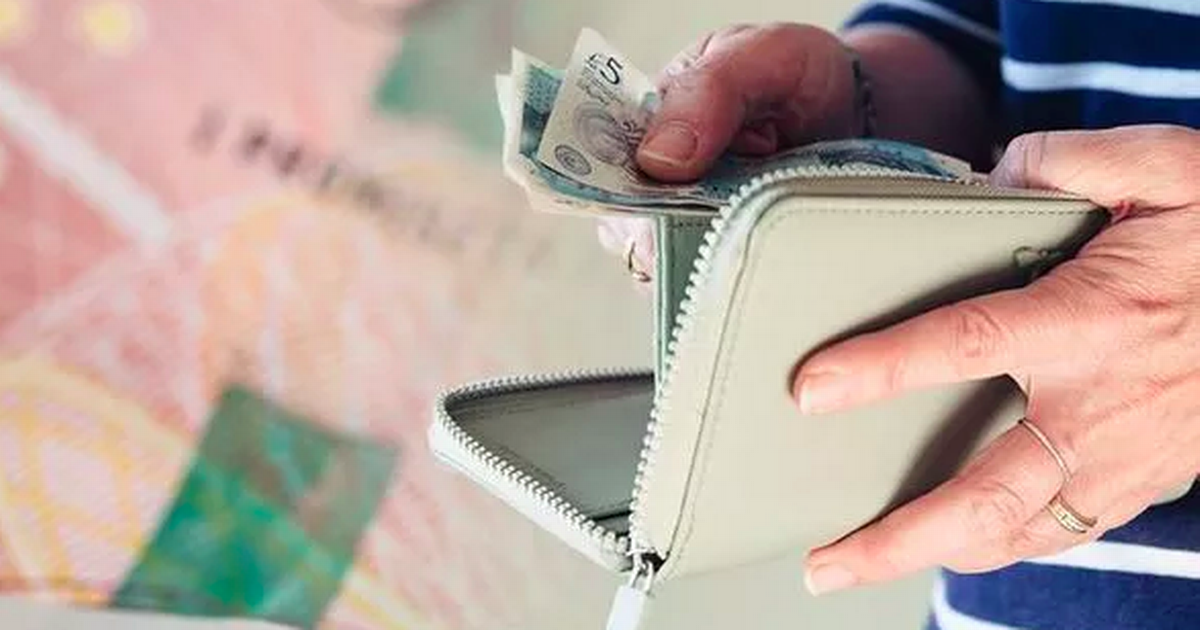
Pensioners could see an increase of up to £574 this year under the Triple Lock.
08:07, 05 Jan 2026Updated 08:32, 06 Jan 2026
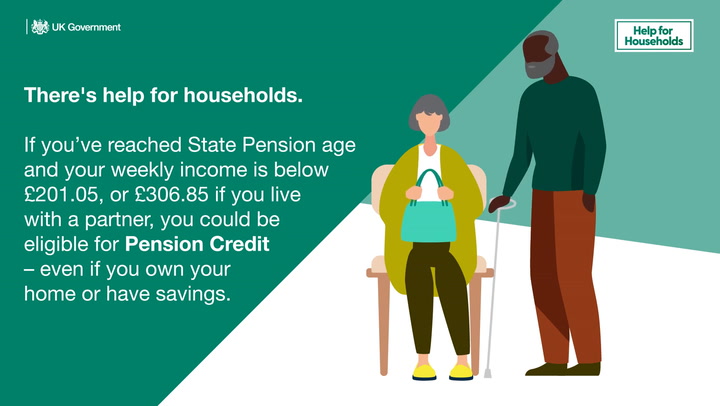 Pension Credit – Could you or someone you know be eligible?
Millions of older people are on track for a significant State Pension pay rise in April after Secretary of State for Work and Pensions Pat McFadden confirmed the proposed rates for the 2026/27 financial year. The proposed new payment rates for the State Pension and benefits have been put before Parliament and will come into effect on April 6.
Under the Triple Lock the New and Basic State Pensions increase each year in-line with whichever is the highest between the average annual earnings growth from May to July (4.8%), CPI inflation rate in the year to September (3.8%), or 2.5 per cent. Additional State Pension elements and deferred State Pensions rise each year with the September CPI figure (3.8%).
The increase will see those on the full New State Pension receive £241.30 per week, while those on the maximum Basic State Pension would receive £184.90 per week.
READ MORE: DWP extra weekly State Pension payment to older people in specific age groupREAD MORE: Pensioners due important DWP letter which could boost income by over £4,000 this year
It’s important to remember that the amount of State Pension someone receives depends on their National Insurance contributions. To receive the full New State Pension you need around 35 years’ worth, but this may differ if you were ‘contracted out’.
The full New State Pension will increase by around £574 to £12,547 over the new financial year. However, the uprating leaves just £36 before the Personal Allowance income threshold of £12,570 is exceeded which would see more pensioners with any additional income pay tax in retirement.
Chancellor Rachel Reeves recently confirmed that new measures will be put in place to ensure that pensioners whose sole income is the State Pension will not pay tax before April 2030.
This is because during the Autumn Budget Ms Reeves announced that the Personal Allowance will remain frozen at £12,570 until April 2031, an extension of three years on the original timeline.
New State Pension payment rates 2026/27
Full New State Pension
- Weekly: £241.30 (from £230.25)
- Four-weekly pay period: £965.20
- Annual amount: £12,547
Full Basic State Pension
- Weekly: £184.90 (from £176.45)
- Four-weekly pay period: £739.60
- Annual amount: £9,614
Other State Pension rates
- Category B (lower) Basic State Pension – spouse or civil Partner’s insurance: £110.75 (from £105.70)
- Category C or D – non-contributory: £110.75 (from £105.70)
Full details on Additional State Pension, Widows Pension, increments and Invalidity Allowance can be found on GOV.UK.
New Pension Credit rates
Standard minimum guarantee
- Single: £238.00 (from £227.10)
- Couple: £363.25 (from £346.60)
Additional amount for severe disability
- Single: £86.05 (from £82.90)
- Couple (one qualifies): £86.05 (from £82.90)
- Couple (both qualify): £172.10 (from £165.75)
- Additional amount for carers: £48.15 (from £46.40)
Helen Morrissey, head of retirement analysis, Hargreaves Lansdown, said: “Pensioners will breathe a sigh of relief as the Chancellor confirmed pensioners whose income is solely the State Pension won’t have to pay income tax on it for the remainder of this Parliament. This addresses concerns that the State Pension will breach the threshold for paying tax in 2027/28.
“The announcement follows news in the Budget that the UK Government was looking at ways to relieve the admin burden on pensioners who may be landed with a tax bill for the first time. The Chancellor said they are working on a solution that means people aren’t being chased for tiny amounts of money.
“It’s news that will be welcomed by pensioners who are seeing their State Pension move to within a whisker of this threshold from April and are worried about what the future might hold for them. However, it is only a temporary reprieve, with the Chancellor refusing to be drawn on whether the change will remain long term. Currently, it will only last for the duration of this Parliament. We can expect to find out more about longer-term options next year.”
State Pension and tax
Guidance on GOV.UK states: “You pay tax if your total annual income adds up to more than your Personal Allowance. Find out about your Personal Allowance and Income Tax rates.
Your total income could include:
- the State Pension you get – Basic or New State Pension
- Additional State Pension
- a private pension (workplace or personal) – you can take some of this tax-free
- earnings from employment or self-employment
- any taxable benefits you get
- any other income, such as money from investments, property or savings
Check if you have to pay tax on your pension
Before you can check, you will need to know:
- if you have a State Pension or a private pension
- how much State Pension and private pension income you will get this tax year (April 6 to April 5)
- the amount of any other taxable income you’ll get this tax year (for example, from employment or state benefits)
You cannot use this tool if you get:
- any foreign income
- Marriage Allowance
- Blind Person’s Allowance
Use this online tool at GOV.UK to check if you have to pay tax on your pension. The full guide to tax when you get a pension can be found on GOV.UK here.
 Get the latest Record Money news
Join the conversation on our Money Saving Scotland Facebook group for money-saving tips, the latest State Pension and benefits news, energy bill advice and cost of living updates.
Sign up to our Record Money newsletter and get the top stories sent to your inbox daily from Monday to Friday with a special cost of living edition every Thursday – sign up here.
You can also follow us on X (formerly Twitter) @Recordmoney_ for regular updates throughout the day or get money news alerts on your phone by joining our Daily Record Money WhatsApp community.