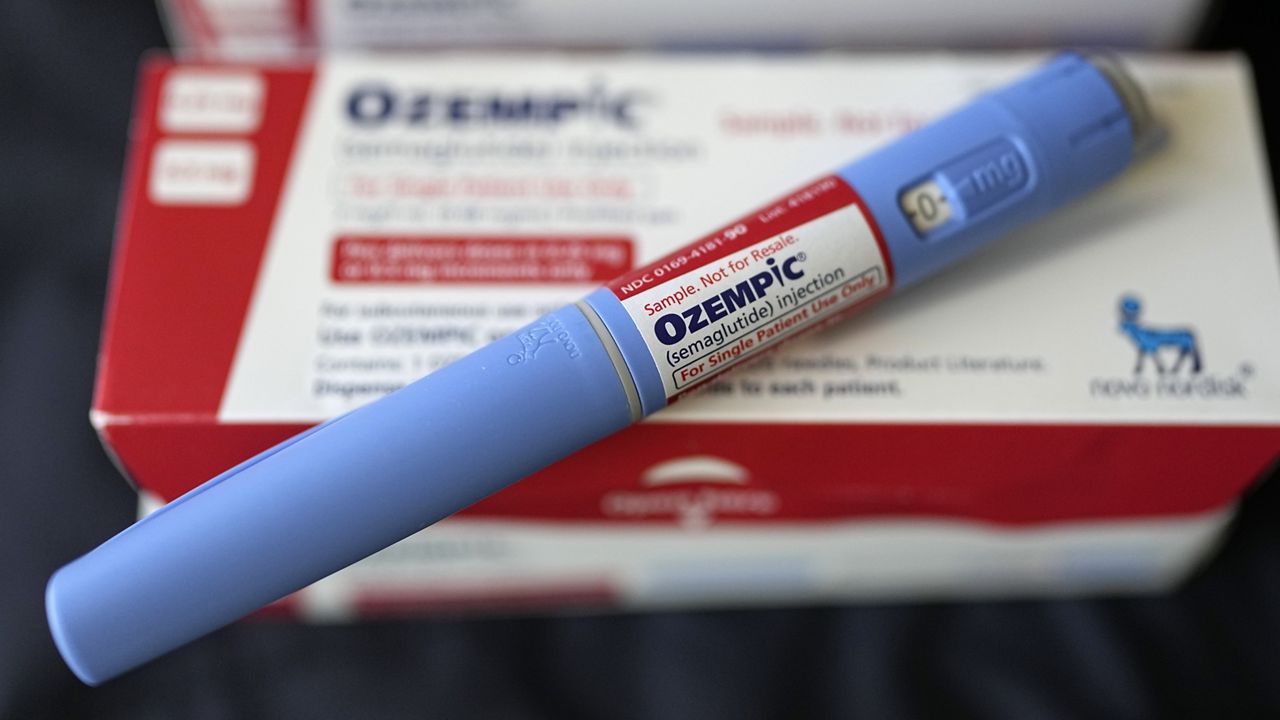
WISCONSIN — As GLP-1 weight loss medications like Ozempic rise in popularity, scammers are also taking advantage with fake offers and fraudulent websites.
What You Need To Know
- As GLP-1 weight loss medications like Ozempic rise in popularity, scammers are also taking advantage with fake offers and fraudulent websites
- According to the Wisconsin Better Business Bureau, scammers are coming at consumers with fake texts, online pharmacies and offers
- The most common scams are AI-generated ads with fake endorsements, fake texts, emails and phone calls, fake online pharmacies and health retailers, and missing or fake shipments
According to the Wisconsin Better Business Bureau, scammers are coming at consumers with fake texts, online pharmacies and offers. The BBB said it’s already received many reports of these scams.
To help consumers avoid losing their money and personal information to scammers, the BBB highlighted the most common GLP-1 and weight loss scams being circulated right now.
They include:
- AI-generated ads with fake endorsements
- Fake texts, emails and phone calls
- Fake online pharmacies and health retailers
- Missing or fake shipments
Here’s a little bit about each.
As AI becomes more readily accessible, scammers are using it to fool consumers, posing as doctors or other trusted figures to promote these weight loss products. BBB said ads can look convincing but they’re completely fake.
It said one report to the BBB Scam Tracker detailed how a consumer clicked on a video link about something called the “pink salt trick.” In the video, the consumer saw a person who appeared to be Oprah Winfrey and a doctor promoting Lipo Max as an alternative to GLP-1 injections. After thinking the endorsement was real, the consumer purchased the product for over $300. However, the consumer later thought the video was AI-generated and requested a refund; when they did so, the email bounced back.
In the fake text/email scam, consumers may get a message that appears urgent, and that claims you’re “eligible” for GLP-1 prescriptions or a weight loss program. This is often accompanied by a link to a fraudulent website, the BBB said.
Fake websites are another problem, where GLP-1 medications are often advertised at discounted prices. The BBB said that if consumers enter payment information, they may never receive any products or may get unsafe or watered-down medications.
In one example report submitted to the BBB Scam Tracker, the BBB said a consumer searching for a cheaper price on the medication found an ad online for the GLP-1 shot. The consumer paid a $32 membership fee and entered their credit card information. After doing so, they were hit with multiple $670 charge attempts, which continued nearly every other day even despite the consumer contacting the company to cancel.
Finally, another element in these scams is the missing or fake shipments, where consumers order a product that never comes. Despite that, BBB said a website may continue to take payments, provide no tracking updates and make excuses about delays. In these cases, BBB said that customer support is also limited to a chat box and often, requests to cancel are ignored.