Houses We Love: Every day we feature a remarkable space submitted by our community of architects, designers, builders, and homeowners. Have one to share? Post it here.
Project Details:
Location: Selkirk, Scotland
Main Contractor: Laurence McIntosh
Photographer: Dapple Photography / @dapple.photography
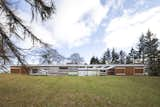
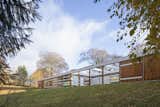
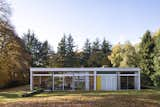
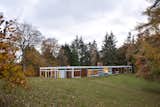
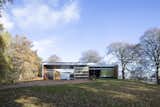
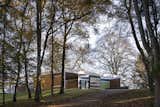
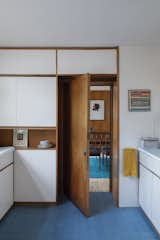
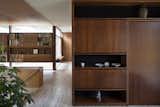
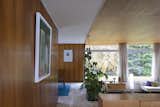
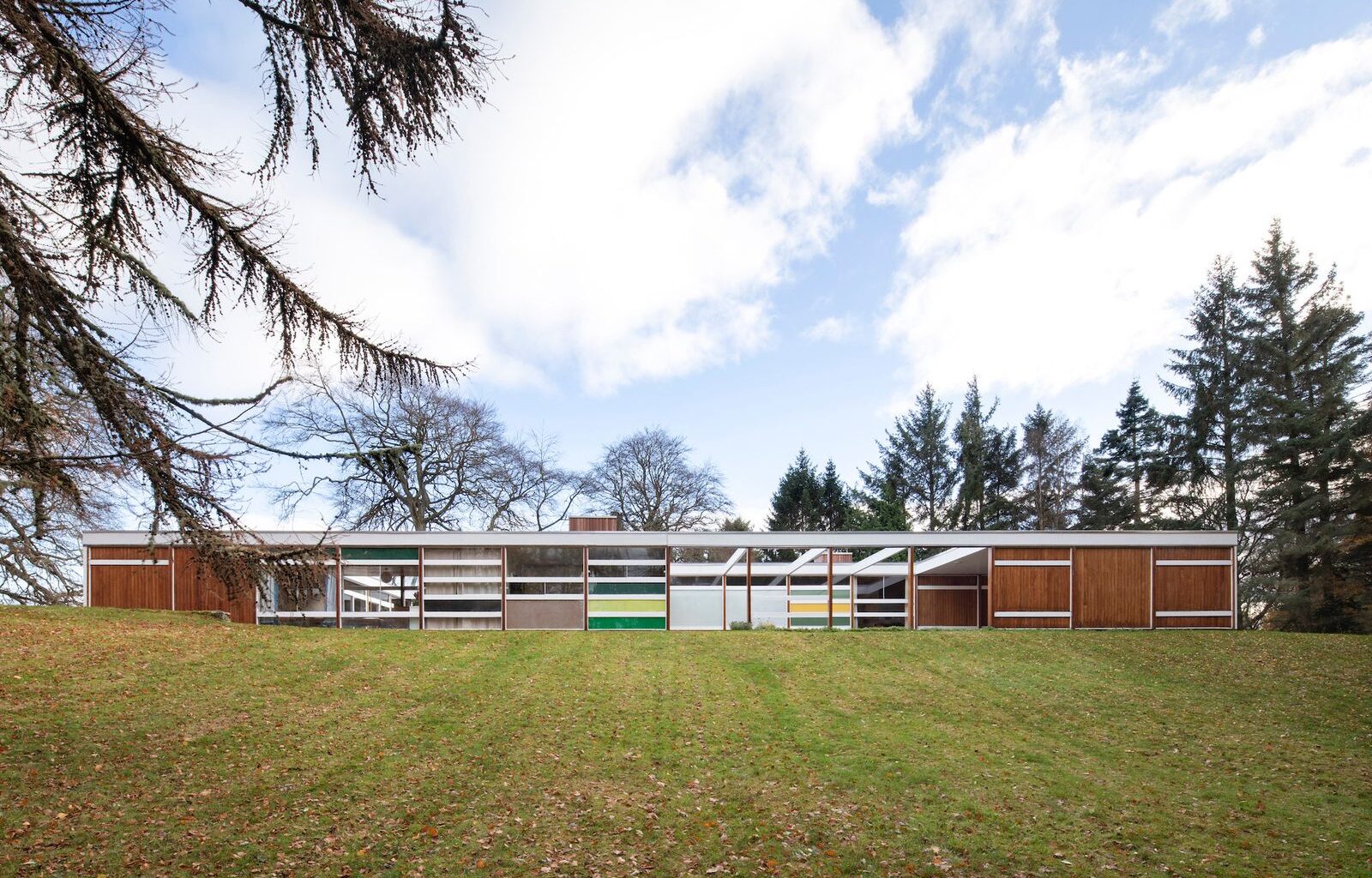
From the Architect: “Loader Monteith carefully restored High Sunderland, the 1957 modernist icon designed by Peter Womersley for internationally-renowned textile designers Bernat and Margaret Klein. The home required sensitive and complex restoration after weather and fire damage in 2017. The architects and their clients saw the accident as a positive opportunity to restore and enhance the Category A-listed woodland retreat in the Scottish Borders to its original Womersley vision, with invisible, sustainable upgrades.
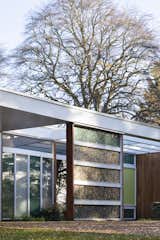
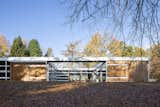
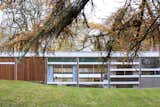
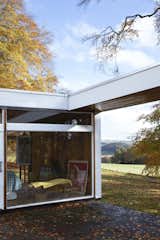
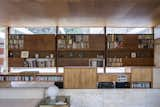
“High Sunderland was Womersley’s first private residential commission, nicknamed The See-Through House for its long glazed elevations. Bernat, a textile designer and Margaret, a talented knitwear designer, lived at High Sunderland until they passed. It was the heart of their professional and personal lives. The couple built their careers, hosted fashion shows, exhibitions, and raised their family at the woodland retreat. High Sunderland was sold for the first time in 2017. While undergoing basic repairs, it suffered extensive structural damage caused by a small fire. Steel roof trusses, insulation, and much of the original timber paneling were all destroyed by the fire and extinguishing water, while the main living room and primary bedroom were damaged by smoke. The new owners recognized High Sunderland as a project of national importance and view themselves as custodians, rather than owners, of the home. They saw the devastating accident as a positive opportunity to accurately restore and enhance the modernist icon.
“An intense period of damage appraisal ensued, led by Loader Monteith’s conservation specialist, Iain King. In researching the project, Loader Monteith found original construction details in a 1959 Swiss periodical, giving the studio unique access to Womersley’s vision for the house. Womersley and the Kleins had aspirations for High Sunderland to be as close to living in nature as 20th-century technology would allow, something Loader Monteith wanted to give back to the house with as many invisible modern environmental additions as possible.
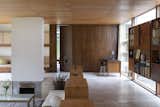
“To increase the thermal performance of the house, Loader Monteith packed insulation into a new warm roof, for which they studied the profiles of Womersley’s other residential projects to find a sympathetic design for the new slightly pitched roofscape. On the new roof, a timber-clad cube hides a heat pump. A new wet underfloor heating system in the main lounge area adds improved thermal insulation. This incorporates floor surface temperature control to protect the original solid hardwood timber floor, and room temperature control to avoid overheating and energy waste. Much of the lighting and wiring was updated in line with current electrical safety standards.
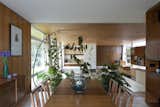
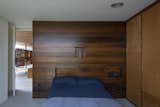
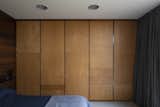
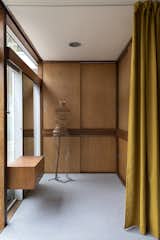
“Conservation and rebirth projects often center on the contrasts between new and old. However, at High Sunderland, Loader Monteith and their clients embraced the home’s heritage. This presented a challenging, sobering task for the architects; how much of the house should be preserved, and how much of Bernat and Margaret Klein, the real lifeblood of the home, should be memorialized, too? In replacing damaged cabinetry, Loader Monteith found brush strokes where Bernat cleaned his paint brushes, scratched and burnished into the timber over decades of painting with the same view to nature. Loader Monteith worked with a local joiner to preserve these delicate details, highlighting their commitment not only to the architecture, but the personality and use of this over time, and the role it has played in the Kleins’ creative pursuits.”