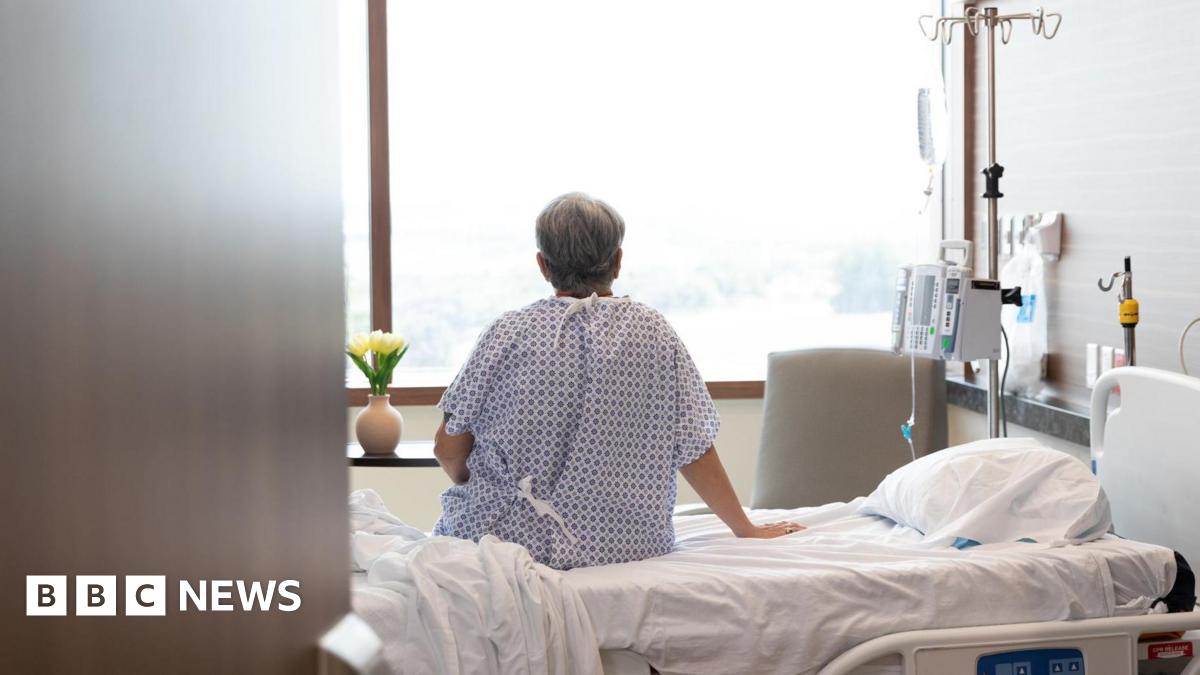
“Despite only around 3% of all people discharged from hospital experiencing a delay, each delay has a detrimental effect on the individual’s physical and mental wellbeing,” the report said.
“This includes increased risk of infections, reduced mobility and independence and can result in higher social care needs upon discharge.
“Delays also impact the flow of patients through hospitals, reducing staffing availability and capacity for other patients.”
Dr Fiona Hunter, vice president of the Royal College of Emergency Medicine, said that the problem has resulted in patients becoming “stuck” in unsuitable areas of hospitals receiving “undignified care” for two to three days at a time.
She told the BBC’s Radio Scotland Breakfast programme: “Unfortunately it doesn’t just begin when they arrive at hospital. Ambulances are stacked outside emergency departments.
“So there’s a delay to some patients being brought into hospital – that can have a real knock-on effect for those patients that have a time-critical problem.
“We’ve seen patients being stuck out the back of ambulances in this extreme weather condition period for eight, 10, 12 hours, not receiving any medical care – they’re being looked after by paramedics who should ideally have been on their way to the next job.”
First Minister John Swinney has said that ensuring more people are cared for at home and relieving pressure on hospitals is a priority for this year.
In 2016, the Scottish government set out legislation to integrate health and social care in order to improve community healthcare and to address issues such as delayed discharge.
But since then the proposed National Care Service has been scrapped.