Lisa Summers,Scotland health and social care correspondentand
Aimee Stanton,data journalist
 Getty Images

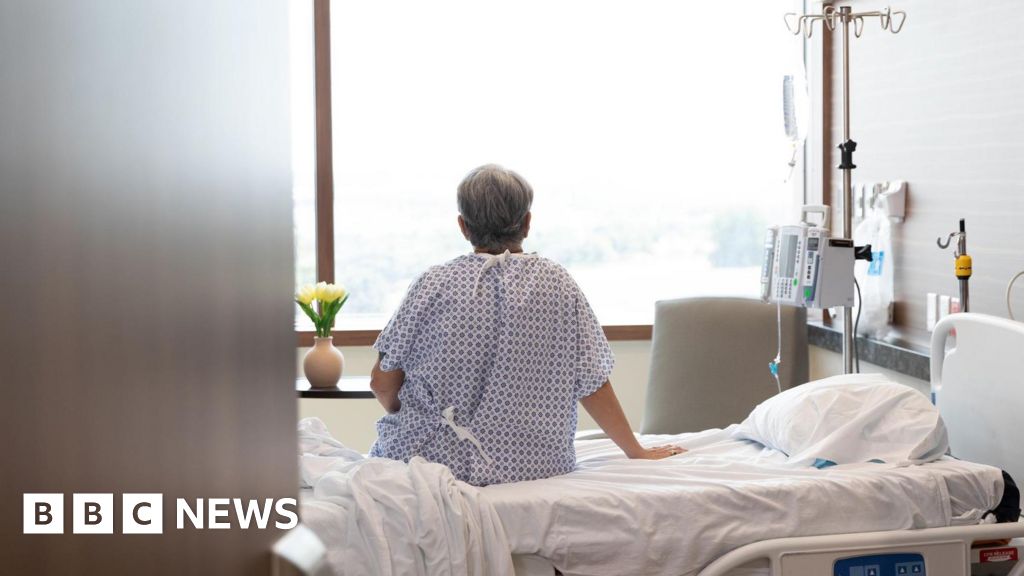
One in nine hospital beds were occupied due to delayed discharges
NHS Scotland spent £440m last year on beds for patients who were unable to get out of hospital despite being ready to be discharged, according to public spending watchdogs.
The report from the Audit Scotland and the Accounts Commission said one in nine hospital beds were occupied because of delayed discharges in the 12 months to April 2025.
It said the Scottish government must set out a plan to tackle the problem.
Health Secretary Neil Gray said money was being invested but that more must be done to ensure people receive “the care they need in the right place, at the right time”.
The reasons for a delayed discharge are complex and vary significantly by council, hospital and patient.
They can include delays to home assessments, shortages in social care packages, or patients not having a power of attorney in place.
 Getty Images
Delayed discharges is costing the NHS an estimated £440m a year.
Audit Scotland estimated that the average daily cost of a hospital bed was £618.12.
This compared with £144.72 for a nursing home and £126 for a residential care care home placement.
The report estimated that at least £440m was spent on the care of those occupying beds when they were ready to leave hospital – and the true cost was likely to be much higher.
People experiencing a delayed discharge collectively spent more than 720,000 clinically unnecessary days in hospital last year.
In October 2024, more than 2,000 people were delayed in being discharged from hospital – the highest monthly figure during the period covered by the report.
“Despite only around 3% of all people discharged from hospital experiencing a delay, each delay has a detrimental effect on the individual’s physical and mental wellbeing,” the report said.
“This includes increased risk of infections, reduced mobility and independence and can result in higher social care needs upon discharge.
“Delays also impact the flow of patients through hospitals, reducing staffing availability and capacity for other patients.”
Dr Fiona Hunter, vice president of the Royal College of Emergency Medicine, said that the problem has resulted in patients becoming “stuck” in unsuitable areas of hospitals receiving “undignified care” for two to three days at a time.
She told the BBC’s Radio Scotland Breakfast programme: “Unfortunately it doesn’t just begin when they arrive at hospital. Ambulances are stacked outside emergency departments.
“So there’s a delay to some patients being brought into hospital – that can have a real knock-on effect for those patients that have a time-critical problem.
“We’ve seen patients being stuck out the back of ambulances in this extreme weather condition period for eight, 10, 12 hours, not receiving any medical care – they’re being looked after by paramedics who should ideally have been on their way to the next job.”
First Minister John Swinney has said that ensuring more people are cared for at home and relieving pressure on hospitals is a priority for this year.
In 2016, the Scottish government set out legislation to integrate health and social care in order to improve community healthcare and to address issues such as delayed discharge.
But since then the proposed National Care Service has been scrapped.
 Getty Images
The report said the finances of health and social care services were in a critical state and highlighted struggles recruiting and retaining staff.
This comes while demand for the NHS and social care is growing with an ageing population.
Audit Scotland said the government, health boards, councils and integrated joint boards must work together to reduce delayed discharge and ensure people are cared for in the most appropriate place.
Stephen Boyle, auditor general for Scotland, said these organisations agreed on the need for major changes and were trying to reduce delayed discharges.
“Now they must improve how they collect, analyse and use data to evaluate the initiatives under way to tackle the problem,” she said.
“Without this, it’s impossible to understand the impacts and costs of delayed discharges and whether the initiatives across Scotland are improving lives, services and delivering value for money.”
Health Secretary Neil Gray said more than £220m had been invested to improve patient flow, enhance capacity and remove blockages keeping patients in hospital longer than necessary.
“More must be done to ensure people receive the care they need in the right place, at the right time,” he added.
He said a body involving both the Scottish government and local government would consider the report’s recommendations.
Scottish Labour’s health spokesperson Jackie Baillie said the SNP had promised to end delayed discharge, but that things were worse than ever before.
“This issue is causing misery for patients, piling pressure onto hospitals, and costing our NHS billions,” she said.
Scottish Conservative health spokesman Dr Sandesh Gulhane said: “This report lays bare the ongoing damage caused by the SNP’s broken promise to eradicate delayed discharge over a decade ago.”
Scottish Liberal Democrat leader Alex Cole-Hamilton said it was “utterly astonishing” that the NHS was losing £1.2m a day to delayed discharge.