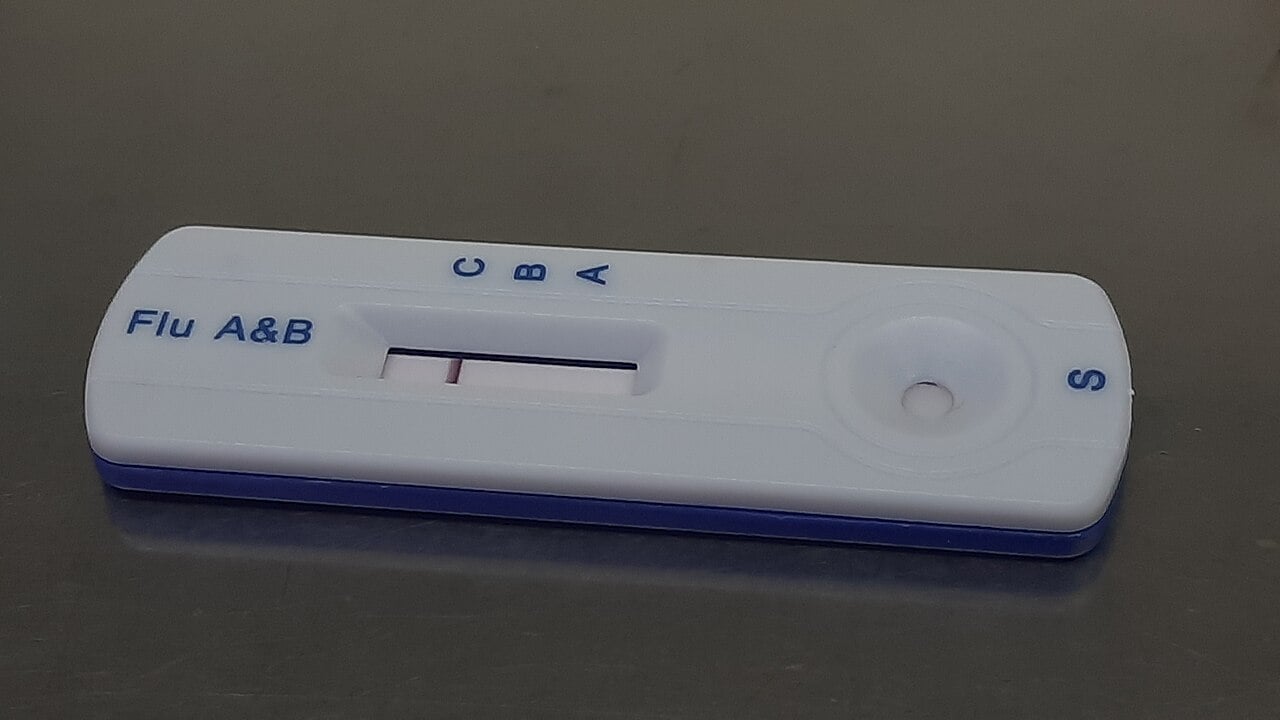
Flu and RSV cases are rising across Greece, with children and vulnerable populations most affected, according to public health officials. Credit: Wikimedia Commons / Ajay Kumar Chaurasiya / CC BY 4.0
Greece is currently experiencing a notable rise in flu and RSV (respiratory syncytial virus) cases, according to data released by the National Public Health Organization (EODY). In contrast, COVID-19 infections remain stable, suggesting that the current strain on the healthcare system is primarily driven by seasonal respiratory viruses.
Infections are disproportionately affecting children, older adults, and other vulnerable populations, prompting health authorities to reinforce prevention strategies and emphasize early treatment.
Wastewater and hospital data point to surge in flu and RSV cases in Greece
Epidemiological surveillance of wastewater samples collected between December 22 and 28 indicates a sharp increase in influenza A activity in several major urban areas.
- Thessaloniki has seen the steepest rise, with flu A indicators increasing by 124.3%.
- Ioannina followed with a 115.3% increase.
- Larissa saw a rise of 68.9%.
- Patras reported a more moderate increase of 16.3%.
Public health experts consider wastewater monitoring a critical early-warning tool, as it often identifies infection trends before they are fully reflected in clinical diagnoses.
Hospital data further confirms the upward trend, particularly among children. At Agia Sofia Children’s Hospital in Athens, pediatric admissions increased by 15% over the weekend of January 3–4.
On Saturday, the hospital recorded 400 pediatric emergency visits, resulting in 38 admissions. On Sunday, visits rose to 440, with 60 children admitted, highlighting mounting pressure on pediatric healthcare services.
Preventive measures and treatment guidance
Health experts stress that influenza vaccination remains the most effective preventive measure, especially for individuals in high-risk groups. Vaccination significantly reduces the likelihood of severe illness and flu-related complications.
Health professionals also recommend the early initiation of antiviral treatment for people at increased risk of complications as soon as flu-like symptoms develop, regardless of diagnostic confirmation. In closed or high-risk environments, such as long-term care facilities, preventive antiviral treatment may be considered when clusters of cases are identified.
Additional recommended protective measures include:
- Frequent handwashing
- Avoiding touching the face, especially the nose and mouth
- Wearing a mask in crowded indoor spaces, particularly for high-risk individuals
- Practicing proper respiratory hygiene, such as covering your mouth when coughing or sneezing
- Ensuring adequate ventilation in indoor spaces
- Staying home and wearing a mask when experiencing symptoms
Most common flu and RSV symptoms reported in Greece
The most frequently reported symptoms include:
- High fever
- Persistent cough
- Muscle and joint pain
- Severe headache
- Runny nose
- General weakness and fatigue
In young children, gastrointestinal symptoms such as diarrhea may also be present.
Health officials estimate that the peak of the current flu and RSV wave in Greece is likely to occur between late January and early February. Despite the recent increase, overall infection levels remain lower than those recorded during the same period last year, offering cautious reassurance as surveillance continues.