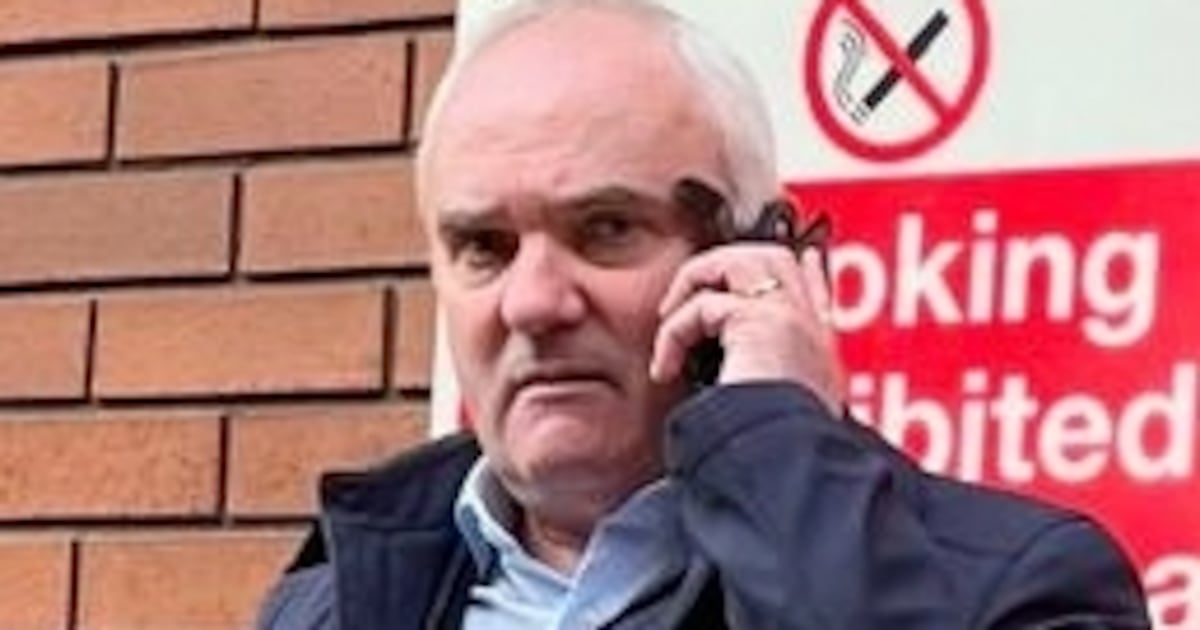
A co-conspirator of Irish businessman Kevin Phelan has been sentenced to eight years in jail by a court in Leeds for his part in an elaborate pensions fraud.
Phelan (62) did not attend a sentencing hearing in the Crown Court in Leeds on Thursday, when the judge was told he was unable to travel from Northern Ireland for health reasons.
Judge Penelope Belcher adjourned his sentencing hearing to March but proceeded with the hearing in respect of two others found guilty along with Phelan in August of last year following a lengthy trial.
Phelan, of Omagh, Co Tyrone, Daniel Giles, of Jacob Drive, Coventry, and Mohammed Yusuf Adrian Bashforth, of Wakefield, West Yorkshire, were found guilty of conspiring to defraud pension holders and cheat the UK Revenue between January 2013 and December 2014.
Judge Belcher, delivering sentence on Friday, said Giles was one of those, along with Phelan, who played a leading role in the conspiracy, and sentenced him to eight years.
Bashforth, who played a “significant rather than leading role”, was sentenced to five years.
On Monday, Giles pleaded guilty to an unrelated tax offence and the judge, taking this into account, increased his total sentence to 11 years.
The fraud involved a purported pension liberation service targeted at people who wanted to access their pension funds before reaching the appropriate age.
Most of the 74 victims suffered “high levels of anxiety and distress” when they discovered their pension money had been stolen and they were facing unexpected tax bills, the judge noted.
The conspirators were planning to develop the scale of the fraud but were stopped when the police intervened in late 2014, she said.
Phelan was instrumental in destroying and hiding evidence from a police search of offices on Wellington Street in Leeds leased as part of the fraud, the judge said.
The Northern Ireland businessman featured in the Moriarty (payments to politicians) tribunal because of his role in property deals in England in the 1990s that featured in the tribunal’s “money trail” inquiries. He did not give evidence to the tribunal.