After a festive season of excess and indulgence, the concept of dry January can hold a certain appeal to people keen to start the new year on a different footing, or even just have an alcohol detox of sorts.
According to recent research carried out by Drinkaware, more than 63 per cent of adults who drink alcohol say they have tried, or would be willing to try, staying off alcohol for a fixed period of time as a moderation tool.
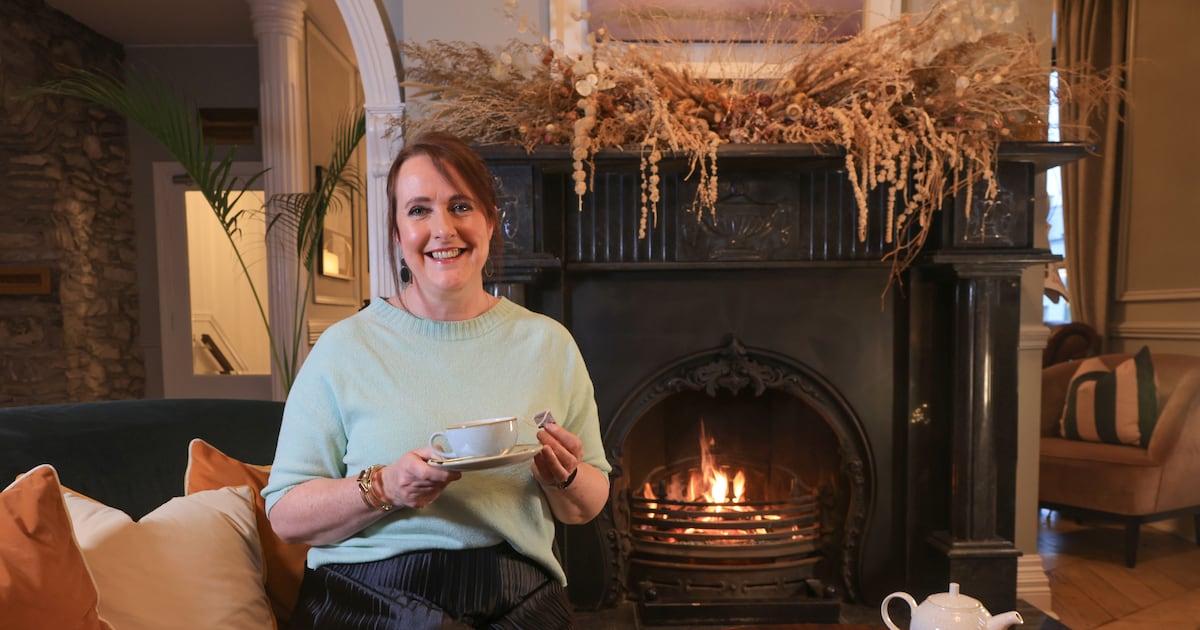
Karen Coakley (52), from Kerry, is one such person. “It just wasn’t serving me any more”, she explains. “I knew that it was taking more from me than it was giving, in that if I had two glasses of wine I was guaranteed to wake up at 2am.
“My heart would be racing and my head would be racing, worrying about things that I knew when I got up in the morning wouldn’t even be an issue.”
“Even though I was fit and energetic and I was very busy, I just really felt that the weekends were gone,” she says.
“You’d have few drinks on Friday night because you’ve worked hard all week long, and then Saturday was sluggish. You might have a few drinks on Saturday night, and Sunday was sluggish. All of a sudden it’s Monday.”
Giving up alcohol gave Coakley the gift of time, she explains. “When you’re drinking at weekends you only have five days in the week to get everything done. When you stop drinking you actually have a full week”.
She first tried dry January in 2020 and found that after about 10 days her energy had improved and her sleep was better. She continued abstaining from alcohol until the week Covid hit.
“My dad ended up going into hospital … my two older sons moved home because the whole world had shut down. There were six of us in the house, my dad was sick and I was like ‘I can’t cope’, so I went back on the booze.”
Following a New Year’s Eve party in 2024, she decided to do dry January again and now hasn’t drank alcohol in more than two years. “The weight does come off. Your skin improves. Your eyes are brighter,” she says of the noticeable benefits.
Coakley documented her experience on Instagram, where she was asked “did you have a problem with drink?”
“That’s the narrative we need to change,” she says.
“It’s the old Irish thing of: ‘Ah sure look, she has a problem.’ I call it sober-shaming and I think it’s wrong. I didn’t have a problem. I was your typical middle-lane, grey area, Irish female drinker; Friday night, Saturday night. I might have a glass on a Wednesday if I was cooking a nice dinner … go on holidays and of course you’re on holidays so you have your few drinks or your bottle of wine every night on holidays. Come back from holidays feeling absolutely toxic.”
“I am living a sober life where I choose not to drink. I don’t have a problem. It’s not that I can’t drink. I choose not to drink”. Coakley says she enjoys nights out and her annual camino far more now as a non-drinker.
Niall Parfitt (48) from Down has done dry January several times, though he’s not sure he will this year. Typically, he returns to drinking alcohol again after the period is over.
 Dry January can hold a certain appeal to people keen to start the new year on a different footing. Photograph: Tatiana Sviridova/ Getty Images
The last time he did dry January he says he didn’t feel any real benefit.
“My sleeping patterns weren’t great and I felt sluggish. I honestly felt it’s too short a period to see a massive difference in my wellbeing. However, previous times I’ve felt much better. Better energy levels and better clarity both in and outside of work.”
“There’s been times where I’ve done dry January and really got a lot out of it and struggled to go back on to alcohol again.” But when it comes to food, Parfitt finds avoiding alcohol that bit trickier. “A glass of red wine with pasta or spaghetti bolognese … it almost comes hand in hand.”
He doesn’t think we should restrict the practice to January. “You could have a dry August or a dry September,” he says, pointing to the fact it’s easy to reach for a beer or glass of wine during the summer months too.
Giving up alcohol in Ireland can however be viewed suspiciously, Parfitt discovered. He recalls a time he went to his brother’s birthday party. “My wife said: ‘No, I’m okay, I’m not drinking. And everybody said: ‘Well, we know why’.”
“Any other country and that wouldn’t have been a problem, but here in Ireland, the fact that you’re not drinking, you’re either on antibiotics or you’re [pregnant]. When we were younger, if you said to somebody you’re not drinking, or even if you only had half a pint, they’d be going: ‘What’s wrong. Why are you only having half a pint?’ It’s a very cultural thing.”
 Niall Parfitt says he has altered his own typical drinking habits to reflect the demands of raising children
He’s altered his own typical drinking habits to reflect the demands of raising children. Parfitt says he always thinks of the consequences of having ‘that extra drink’ since becoming a father. “Children just do not have time for hangovers or feeling sorry for yourself,” he concedes.
Edel Devane (49) from Tipperary first tried dry January three years ago. “It started as dry January and it ended up being a dry year. Parenthood played a role in her decision. She points to Saturday mornings and how children might seek to do something with their parents. The morning after a night involving alcohol can change how parents feel about this,” she explains.
“Even one or two glasses of wine and you’re just not in the mood for them.
“To make all our lives easier I used to start cutting it down to Saturday night … and I’d usually have one or two glasses of wine with a nice dinner. And then Sundays then became too much of a battle.”
While she is no longer completely teetotal, she can count on one hand the number of drinks she had last year. “It ended up being four drinks,” she explains. “I don’t miss it at all. You get over it. I like a nice glass of wine. I always did. And I would have always had it with a nice dinner.” Now it no longer holds the same appeal.
[ Conor Pope: What if dry January turned into dry forever?Opens in new window ]
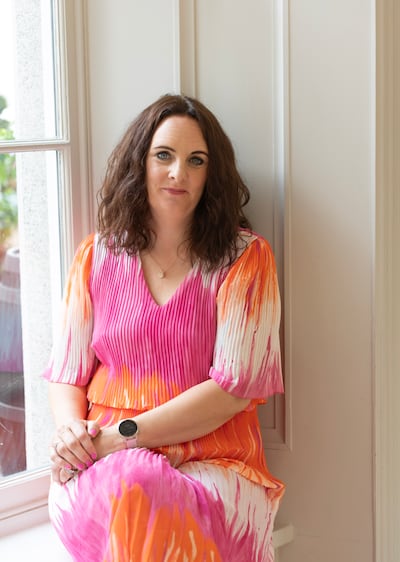 Psychotherapist Orlagh Reid: ‘It’s only willpower that stops people from drinking for the four weeks.’ Photograph: Emma Higgins Photography
One of the biggest changes Devane has noticed as a result of her changed drinking habits is that she has more patience with her children now. She didn’t expect dry January to lead to the changes in how she drinks to the extent it has. “I thought I’d keep it on the Saturday night,” she explains.
“I don’t have the taste for it now”. She says she’d recommend to anyone that they give dry January a try.
Psychotherapist and addiction counsellor Orlagh Reid says she has “mixed feelings” about dry January. “It’s very easy to stop drinking after a period of bingeing and excess … and to just stop it for four weeks. It’s a short period of time. So being able to do dry January, some alcoholics, or very heavy drinkers, will actually use that as a way to prove that they actually don’t have a problem with alcohol.”
“It’s only willpower that stops people from drinking for the four weeks, it’s not behavioural change,” she continues. “If you actually backtrack six weeks people will say: ‘Well, I’m going to give it up for January.’ So they might end up drinking more in December because they know they’re going to give it up.”
“Stopping is healthy. It’s staying stopped that brings in the positive health piece,” she explains.
In saying this, Reid says there are many benefits to removing alcohol from the diet for four weeks. “Mentally, emotionally, physiologically there are lots of benefits. Even in terms of reduced stress, reduced anxiety, improved sleep, reducing fatigue,” she explains. “For those people who are feeling mentally ready to tackle alcohol use whether it’s mild or moderate, sometimes it’s the kick start that they need to get into that zone.”
As an addiction counsellor she cautions however, that it can be dangerous for heavy drinkers to stop drinking completely without medical advice. “There are different types of withdrawals that people can go through and some are extremely serious.”
Professor Frank Murray, chair of Alcohol Action Ireland and chair of the European Health Alliance on Alcohol, is a liver specialist. He agrees that heavy drinkers need medical supervision when stopping. “People have no idea of the harms of alcohol, and that includes stopping precipitously when they’re heavy drinkers, dependent drinkers. They are people who are drinking a bottle of wine in a day, or half a bottle of wine every day,” he explains.
“Ireland is a profoundly heavy alcohol consuming country where people don’t realise how heavily they drink and how harmful it is.”
Murray says “anything that restricts people’s alcohol consumption is quite a good thing, even doing it temporarily in January”.
 Professor Frank Murray: ‘I do think we should aim for far less alcohol consumption’
“First of all it may help people reflect on why would you do that anyway … you do it because it’s a toxic substance that causes cancer, liver disease, heart disease, incidents and accidents, and causes about every 14th death in men. And probably is associated with a reduction in life expectancy among men in Ireland of about three years at least … in the average man that drinks alcohol.”
He explains that people shouldn’t drink every day or binge drink, classified as five or six drinks in two or three hours.
“That’s the norm in Ireland. Most people in Ireland drink in a way that’s hazardous. That’s placing them at risk”.
“If people give up alcohol, they reduce their blood pressure. They reduce their weight. Their liver function improves. Their sleep improves. Their mood and anxiety improves … Their cholesterol will improve”.
The health benefits of giving up alcohol aren’t long term if people return to their previous habits, Murray explains. Giving up alcohol for one month won’t substantially reduce a person’s risk of cancer, “but that’s not a reason not to do it”, he says. “It’s potentially a reflective period”, he continues pointing also to the financial savings.
Murray says if alcohol was invented now “we wouldn’t take it in society”. Beyond health, he points to the burden it places on society and the role it plays in “road traffic accidents. It’s involved in crime. It’s involved in child neglect. It’s involved in domestic violence”.
Murray isn’t arguing for an alcohol-free society, he clarifies. “But I do think we should aim for far less alcohol consumption and that alcohol is priced in such a way that the alcohol industry picks up the costs, not the taxpayer and the exchequer,” he says.